 info@gorillatrekkinginafrica.com

What is the difference between Tarangire and Serengeti?
What is the difference between Tarangire and Serengeti, Tanzania is home to some of the most celebrated wildlife destinations on the planet. Among them, Tarangire National Park and Serengeti National Park stand out as two of the most iconic safari experiences in East Africa — yet they offer remarkably different encounters. Understanding the differences between these two parks is essential for travelers planning a safari, as each offers a unique landscape, wildlife experience, and atmosphere.
This guide provides a thorough, side-by-side examination of Tarangire and Serengeti, covering geography, wildlife, best travel seasons, visitor experience, costs, and more — giving you everything you need to choose the right park for your safari adventure, or to determine whether visiting both is the ideal choice.
Tarangire National Park
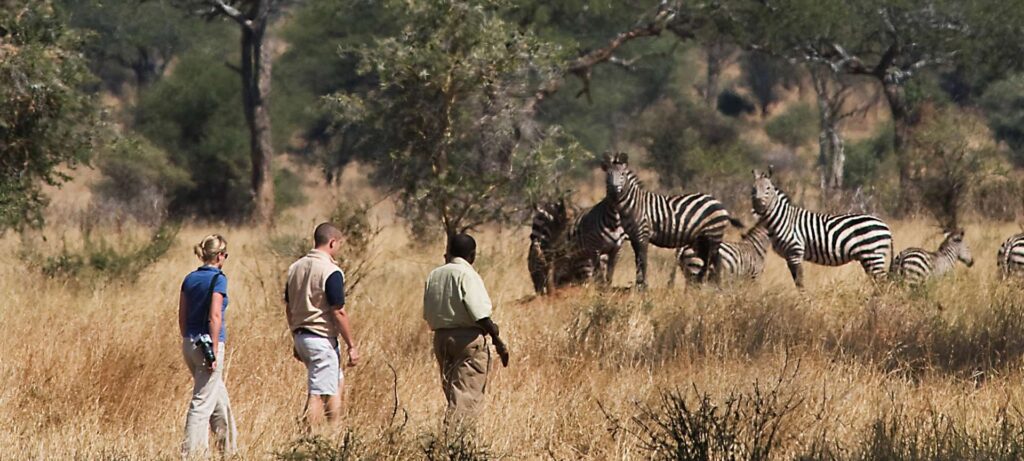
Tarangire National Park is located in the Manyara Region of northern Tanzania, roughly 120 kilometres southwest of Arusha. Covering approximately 2,850 square kilometres, it is named after the Tarangire River — the park’s lifeline — which flows through the landscape and serves as a critical water source for wildlife during the dry season.
Tarangire is characterized by its dramatic scenery: ancient baobab trees that can live for over a thousand years, vast swamps, open savannas, and dense woodland. The park sits at an elevation ranging from 1,000 to 1,500 metres above sea level and forms part of the greater Tarangire-Manyara ecosystem.
Despite being significantly smaller than the Serengeti, Tarangire hosts one of the densest concentrations of wildlife in Tanzania during the dry season, including the largest elephant herds in the country.
Serengeti National Park
The Serengeti National Park is one of the most famous wildlife areas in the world, spanning approximately 14,763 square kilometres in northern Tanzania. It is part of the broader Serengeti ecosystem, which extends into Kenya as the Masai Mara National Reserve.
The name ‘Serengeti’ is derived from the Maasai word ‘Siringet,’ meaning ‘the land that runs on forever’ — an apt description of its seemingly endless open plains, punctuated by granite outcrops called kopjes, riverine forests, and acacia woodlands. The park has been designated a UNESCO World Heritage Site and an International Biosphere Reserve, recognizing its outstanding universal value to humanity.
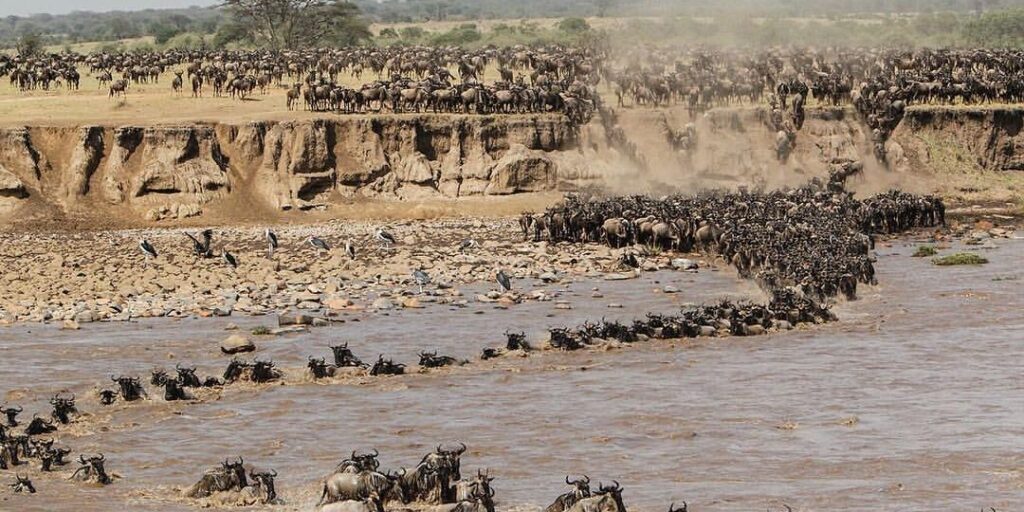
The Serengeti is world-famous for hosting the Great Wildebeest Migration, considered one of the Seven Natural Wonders of the World, where over 1.5 million wildebeest, alongside hundreds of thousands of zebras and gazelles, move in a continuous annual loop across the plains.
At-a-Glance Comparison Table
The table below summarizes the key differences and similarities between the two parks:
| Category | Tarangire National Park | Serengeti National Park |
| Size | ~2,850 km² | ~14,763 km² |
| Location | Northern Tanzania, Manyara Region | Northern Tanzania, extending to Kenya (Masai Mara) |
| Landscape | Savanna, woodlands, riverine forest, swamps | Open grass plains, kopjes, acacia woodland, riverine forest |
| Signature Feature | Largest elephant herds in Africa | Great Wildebeest Migration |
| Best Time to Visit | June–October (dry season) | Year-round; July–October for migration river crossings |
| Rainfall Pattern | Semi-arid; pronounced dry season | Seasonal; short and long rains |
| Crowds | Low–moderate; less touristy | High; one of Africa’s busiest parks |
| Big Five Presence | Yes (lion, leopard, elephant, buffalo, rhino — rare) | Yes (all five, including black rhino) |
| Wildebeest Migration | Not part of migration circuit | Core migration zone |
| Baobab Trees | Iconic, abundant | Rare / absent |
| Birdlife | Exceptional (550+ species) | Very good (500+ species) |
| Accommodation | Fewer lodges; more exclusive | Wide range from budget camping to ultra-luxury |
| Road Conditions | Some rough tracks, generally accessible | Variable; some remote areas require 4WD |
| Entry Fees (approx.) | $53.90/adult/day | $70/adult/day (peak areas) |
| UNESCO Status | Not designated | UNESCO World Heritage Site & Biosphere Reserve |
Landscape and Scenery
Tarangire: Baobabs, Rivers & Swamps
The defining visual feature of Tarangire is undoubtedly its ancient baobab trees. These magnificent giants, with their enormous girth and gnarled branches, dot the golden landscape and give Tarangire a prehistoric, almost surreal atmosphere. Some of these trees are estimated to be over 1,000 years old.
The Tarangire River runs through the park for much of the year, and the surrounding floodplains and swamps — particularly the Silale and Gurusi swamps — attract extraordinary concentrations of wildlife. The terrain includes open savanna, bushland, acacia woodlands, and patches of dense riverine forest along the river.
The combination of baobabs, swamps, and the meandering river creates a landscape that is visually distinct from any other park in Tanzania. Photographers and nature lovers find Tarangire particularly captivating at golden hour, when the light plays across the baobabs and elephants gather by the river.
Serengeti: Endless Plains and Kopjes
The Serengeti’s landscape is defined by its vast, open grass plains — particularly in the Serengeti Central and Southern regions — which stretch to the horizon with very little obstruction. These short-grass plains are among the most expansive and uninterrupted ecosystems in Africa, providing an extraordinary sense of space and freedom.
The park’s iconic kopjes — ancient granite rock formations that rise dramatically from the plains — provide shelter and vantage points for lions, leopards, and rock hyraxes. The Western Corridor features the Grumeti River, flanked by riverside woodland, while the Northern Serengeti borders Kenya and transitions into a more hilly, forested environment.
The sheer scale of the Serengeti landscape creates an immersive experience of wilderness that is difficult to replicate anywhere else on Earth.
Wildlife and Safari Experience
Tarangire Wildlife Highlights
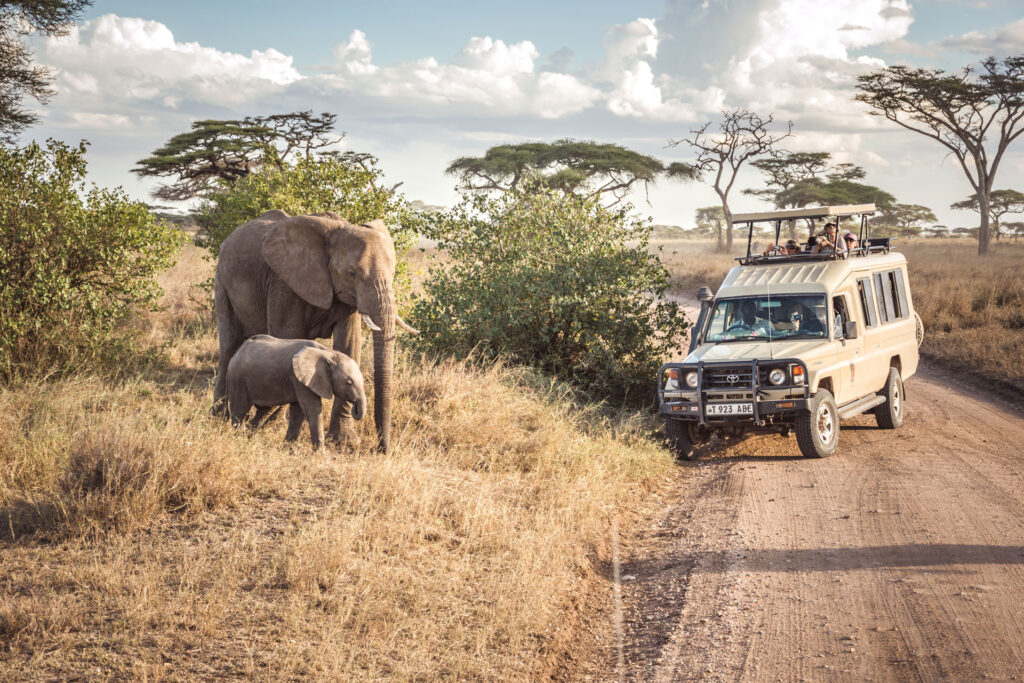
Tarangire is most celebrated for its elephant population. During the dry season (June to October), thousands of elephants — often in herds of 50 to 300 animals — congregate along the Tarangire River and around the swamps, making it one of the best places in Africa to observe elephant behavior up close.
Other wildlife found in Tarangire includes:
- Large prides of lions, often seen resting in the shade of baobab trees
- Leopards, frequently spotted in the riverine forest and rocky outcrops
- African buffalo in large herds
- Zebra, wildebeest, and various antelope species including fringe-eared oryx, gerenuk, and lesser kudu
- Maasai giraffes gracefully feeding from acacia tops
- Warthogs, hyenas, jackals, and mongooses
- Python Pool — famous for its resident Nile monitors and pythons
The park also hosts exceptional birdlife, with over 550 recorded species, including the yellow-collared lovebird, ashy starling, Kori bustard, and hundreds of migratory species.
Serengeti Wildlife Highlights
The Serengeti’s wildlife diversity and density are unmatched anywhere in the world. The park is part of the only ecosystem where the ancient pattern of seasonal migration still plays out intact and on a grand scale.
Key wildlife highlights include:
- The Great Wildebeest Migration — over 1.5 million wildebeest, 250,000 zebras, and 350,000 Thomson’s gazelles on the move
- The Mara River crossings (July–October) — one of nature’s most dramatic spectacles as wildebeest brave crocodile-infested waters
- All of the Big Five: lion, leopard, elephant, Cape buffalo, and the endangered black rhino
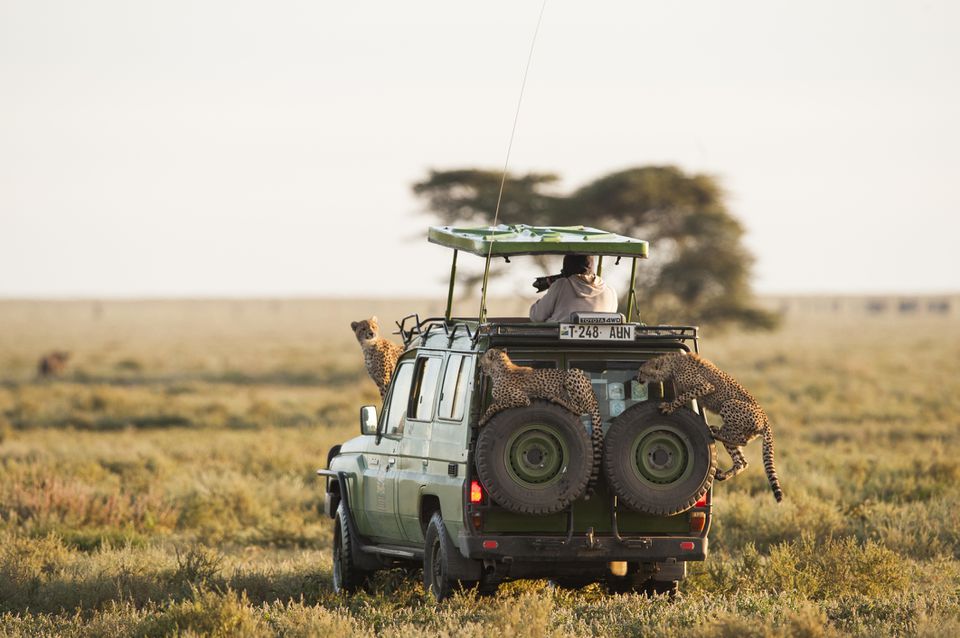
- Cheetahs — the Serengeti has one of the highest cheetah densities in Africa
- Wild dogs (African painted dogs), spotted hyenas, and jackals in significant numbers
- Over 500 species of birds, including the secretary bird, martial eagle, and grey-crowned crane
The Serengeti’s Central Plains are among the best areas in Africa for witnessing predator-prey interactions, with cheetah hunts, lion kills, and leopard sightings common throughout the year.
Best Time to Visit
Tarangire
The dry season from June to October is the absolute best time to visit Tarangire. During this period, the Tarangire River becomes the only remaining water source across a vast area, drawing elephants, zebras, wildebeest, and many other animals in extraordinary numbers. Wildlife viewing is exceptionally concentrated and predictable.
The wet season (November to May) transforms the park into a lush, green landscape. While wildlife disperses and the animals are harder to spot, this is also calving season for many species, and the park comes alive with newborn animals and their protective mothers. Birdwatching is superb during this time, with migratory species arriving from Europe and Asia.
Serengeti
The Serengeti offers excellent wildlife viewing throughout the year, but the best time depends on what experience you are seeking:
- December to March: The herds are in the southern Serengeti plains during calving season — extraordinary predator activity as lions, cheetahs, and hyenas target the vulnerable young.
- April to May: The long rains fall, but this is still a viable time to visit with fewer tourists. The herds begin moving north.
- June to July: The herds reach the Western Corridor and begin crossing the Grumeti River.
- July to October: The most famous spectacle — the Mara River crossings in the northern Serengeti, where dramatic wildebeest crossings take place daily. This is peak tourist season.
- November: The herds return south, and the short rains begin to fall on the plains.
Tourism, Crowds, and Exclusivity
Tarangire: The Quieter Gem
Tarangire is significantly less visited than the Serengeti, which is one of its greatest appeals. Even during peak safari season, the number of game drive vehicles in Tarangire remains far lower than in the Serengeti, offering a more intimate, exclusive, and undisturbed wildlife experience.
Because of this, many seasoned safari travelers consider Tarangire to be one of Tanzania’s hidden gems — a place where you can spend an afternoon watching a family of 150 elephants without another vehicle in sight.
Serengeti: World Famous, Globally Visited
The Serengeti is one of the most visited national parks in the world. During peak migration season, popular crossing points along the Mara River can attract dozens of safari vehicles simultaneously. Despite this, the sheer scale of the park means that many areas — especially the remote Northern Serengeti and Western Corridor — remain relatively uncrowded.
For travelers seeking a classic ‘bucket list’ safari experience with world-class infrastructure and the guarantee of witnessing the Great Migration, the Serengeti delivers on every level.
Accommodation and Costs
Tarangire
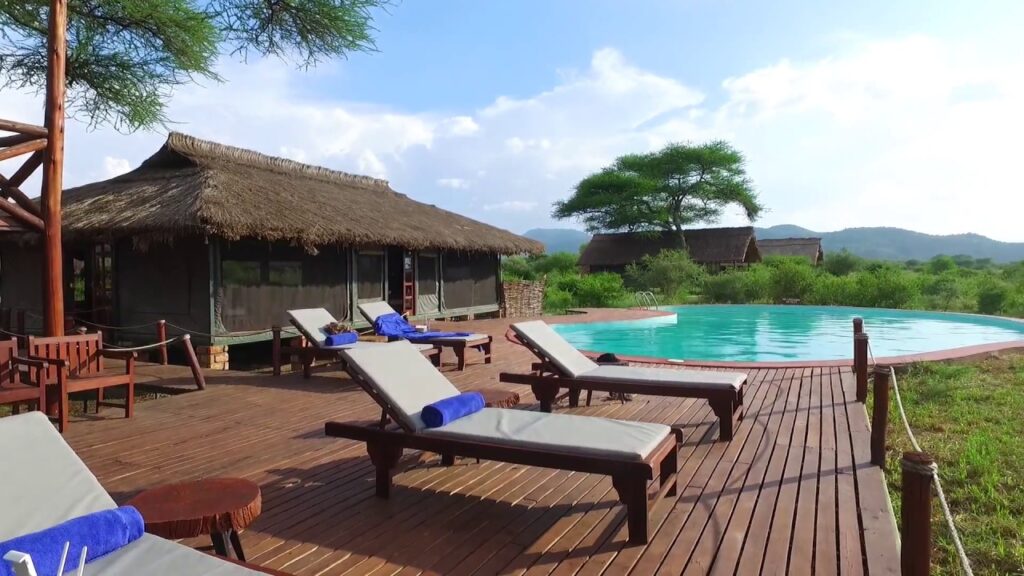
Accommodation in Tarangire ranges from permanent tented camps and mid-range lodges to exclusive luxury camps. The number of lodges is relatively limited compared to the Serengeti, which contributes to its uncrowded atmosphere. Notable options include Tarangire Treetops, Oliver’s Camp, and Swala Camp, all offering exceptional service within the park or on its boundaries.
Park entry fees for Tarangire are currently approximately US$53.90 per adult per day (as of 2024), making it slightly more affordable than the Serengeti for park fees alone.
Serengeti
The Serengeti offers the widest range of accommodation of any park in Tanzania — from budget camping sites to mid-range tented lodges and some of the most exclusive ultra-luxury safari camps in the world, including Singita Grumeti, Andbeyond Klein’s Camp, and Four Seasons Safari Lodge.
Park entry fees for the Serengeti are approximately US$70 per adult per day for the core areas (as of 2024), reflecting its UNESCO World Heritage status and global demand. Total safari costs in the Serengeti are generally higher than Tarangire due to higher accommodation rates during peak migration season.
Tarangire vs. Serengeti: Which Should You Choose?
Choose Tarangire If…
- You are passionate about elephants and want to see the largest herds in Africa
- You prefer a quieter, less crowded safari experience
- You are a birdwatcher or nature photographer seeking unique landscapes
- You want to see iconic baobab trees and dramatic swamp scenery
- You are traveling on a tighter budget and want a premium experience for less
- You are visiting Tanzania between June and October
Choose Serengeti If…
- Witnessing the Great Wildebeest Migration is on your bucket list
- You want to see all of the Big Five, including black rhino
- You are seeking a world-class, internationally recognized safari destination
- You want the widest choice of accommodation and infrastructure
- You are planning a longer trip and want to explore different regions
- You are visiting between July and October for the Mara River crossings
Best Option: Visit Both
For travelers with the time and budget, visiting both Tarangire and the Serengeti as part of a northern Tanzania circuit is by far the most rewarding approach. A typical northern Tanzania safari might include Lake Manyara or Tarangire at the start, followed by the Ngorongoro Crater, and culminating with several days in the Serengeti. This combination provides a comprehensive and unforgettable East African safari experience.
Conclusion
Tarangire and Serengeti are both exceptional wildlife destinations that showcase the incredible natural heritage of Tanzania — yet they offer distinctly different safari experiences. Tarangire impresses with its intimacy, baobab-studded landscapes, and unrivalled elephant viewing, while the Serengeti overwhelms with its scale, biodiversity, and the raw spectacle of the Great Migration.
Neither park is objectively ‘better’ than the other — they simply offer different windows into the astonishing world of African wildlife. The best safari is the one that aligns with your interests, timing, and budget. Whether you choose one or both, a visit to these iconic Tanzanian parks is guaranteed to be a life-changing experience.