 info@gorillatrekkinginafrica.com

Batwa Pygmies of Uganda
The Batwa Pygmies are an ethnic group located in Uganda and Rwanda. They are recognized by their little height and inhabit the safeguarded forest reserves of Bwindi or Mgahinga national parks. They also established themselves in the Echuya Forest Reserve, where they are known as the ‘Echuya Batwa.’ Mgahinga, Bwindi, and Echuya Forests are located in southwestern Uganda, specifically in the Kisoro, Kabale, and Kanungu districts. The Batwa Pygmies, commonly known as ‘keepers of the forests,’ are considered the original occupants of the East African Great Lakes region. They relocated from the Ituri jungles of Congo to the forests of South Western Uganda in pursuit of wild edible fruits and bushmeat. The Batwa exclusively engaged in hunting and gathering for almost a millennium until recently.
Subsequent to departing from Congo and establishing themselves in the jungles of South Western Uganda, the Batwa Pygmies coexisted harmoniously with the indigenous wildlife. They relied on the forest for all their need. In addition to meat and fruits, the woodlands supplied medicinal herbs that may alleviate common diseases. The Batwa constructed ground shelters in the form of tiny cottages composed of reeds and leaves. Certain individuals favored establishing cover in the treetops. The Batwa people led a basic yet tranquil existence, hardly requiring interaction with the external world beyond the deep forests. They infrequently encountered and actively evaded other tribal groups residing beyond the woodlands. That occurred until they were suddenly expelled from these forests by the government more recently.
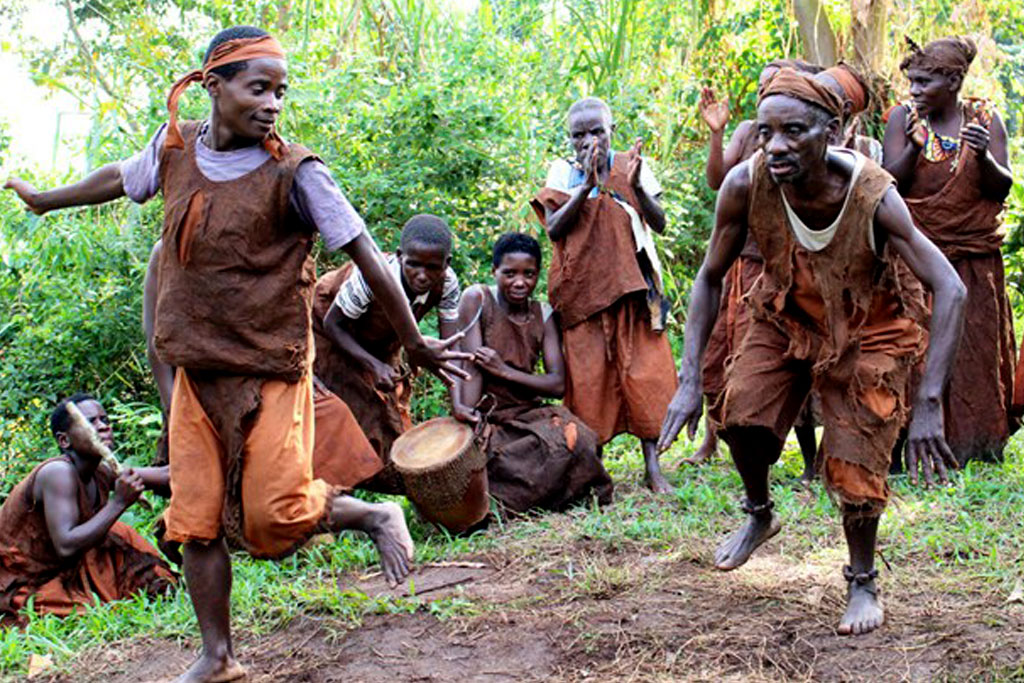
The strategy to displace the Batwa from the forests of South Western Uganda was devised in the 1930s by the then Colonial Administrators. It was implemented in the early 1990s after Bwindi National Park was designated as a protected area for the Batwa pygmies. This indicated that the Batwa Pygmies were required to abandon their sole residence. They were relocated without adequate compensation or sufficient land for resettlement. The government’s rationale for their expulsion from the woods of Bwindi, Mgahinga, and the broader Echuya was to advance wildlife conservation and tourism. The authorities believed that expelling the Batwa was necessary to protect the gorillas and chimpanzees from contracting human-related diseases. Having no alternative relocation options and little familiarity with life beyond the forests, the Batwa opted to resettle on the peripheries of the forests (Bwindi, Mgahinga, and Echuya).
The Batwa Pygmies – Existence Following Displacement from Their Forest Habitat
After resettling outside the Bwindi, Mgahinga, and Echuya forests, the Batwa people’s way of life underwent significant change. They were unprepared for the novel challenges they would encounter beyond the trees. This existence encompassed agriculture, minor commerce, business acumen, or laboring to achieve financial stability. This lifestyle was foreign to the Batwa, who were habituated to foraging for wild fruits, hunting small wildlife, and savoring honey in the forest. The Batwa were compelled to coexist with tribal groupings they had previously shunned and confront persecution.
The Batwa were compelled to transport substantial burdens to marketplaces due to their inability to perform the majority of tasks. Securing a position in the primary markets proved challenging due to the Batwa’s lack of merchandise. They possessed no previous experience in business or its management. Over time, the Batwa people progressively became disconnected from their culture and traditions. This loss was rapid due to the deep connection of their culture and traditions to the woodlands of their origin. Traditional practices such as identifying herbal remedies, hunting, and gathering wild honey can only retain their significance if they persist in the forest environment.
The Contemporary Batwa Population
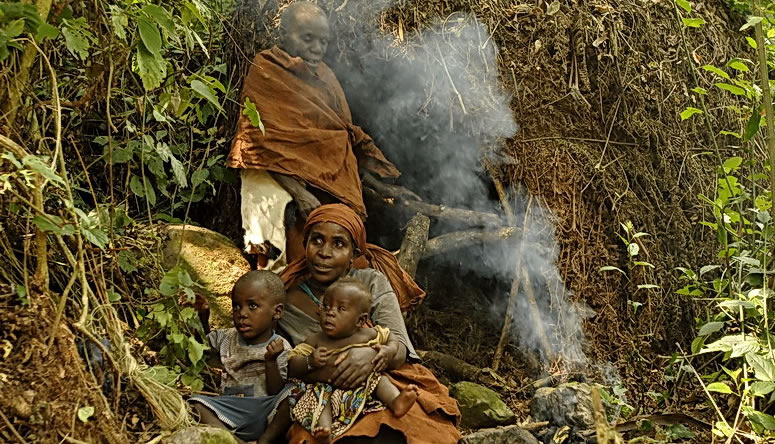
The current generation of the Batwa Pygmies has endeavored to acclimate to a new existence beyond the jungles of Southwestern Uganda. They have had to acquire survival skills for the benefit of their families. They now cultivate fruits, vegetables, and crops such as potatoes for sustenance. The Batwa also raise livestock and maintain beehives to produce honey for sale at the market. Certain members of the Batwa community have established music and dance ensembles to entertain tourists at their camps or in nearby hotels.
The Batwa people have been receiving assistance from governmental organizations such as the Uganda Wildlife Authority (UWA), the National Forest Authority (NFA), and several development partners. The Batwa people of Uganda are supported by development partners and Non-Governmental Organizations, including the Kellerman Foundation and the United Organization for Batwa Development in Uganda. These groups and governmental agencies have diligently assisted the Batwa people in acclimating to life beyond the jungle. They offer affordable social services such as healthcare, education, and access to clean water sources. The government and international development agencies supply materials to the Batwa for the construction of permanent residences. Regrettably, despite significant efforts by the government and foreign development agencies, the Batwa people have not yet acclimated to life beyond the forest. Many elderly Batwa pygmies of Uganda nostalgically reflect on their life in the jungle, recalling how much simpler it was in the past. The younger generation of Batwa individuals is adapting more well and has accepted schooling.
Many Batwa individuals have capitalized on the opportunities afforded by gorilla tourism. Some serve as guides or are employed in the hotels located in Bwindi and Mgahinga National Parks. They get revenue by selling souvenirs to tourists. The subject of adequate compensation for the Batwa over their evictions is a delicate problem that can only be addressed by the government.
Exploring the Batwa Community in Uganda
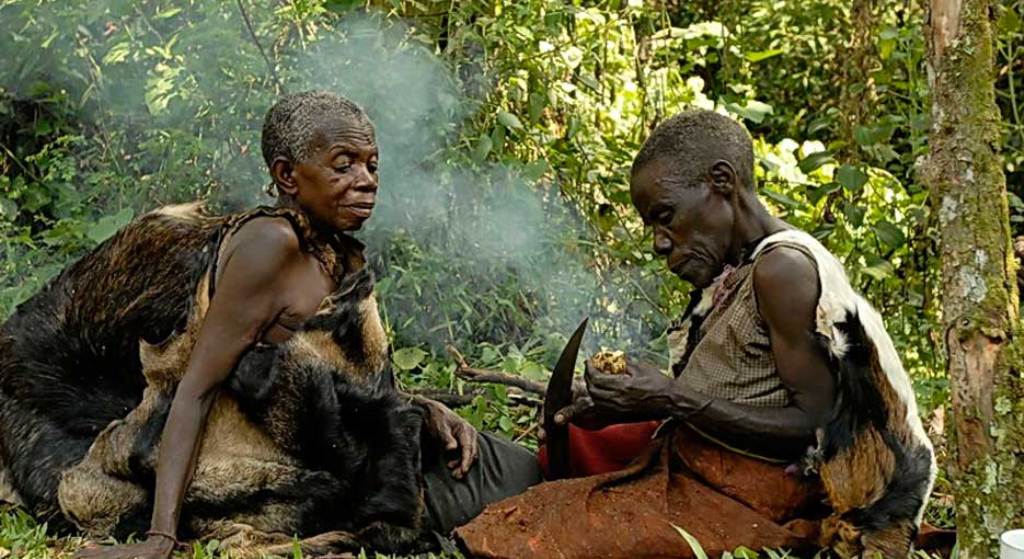
Many travelers who visit Bwindi or Mgahinga National Park for gorilla trekking typically include the Batwa Cultural experience to enhance their journey. This supports the Batwa people by enabling them to sell souvenirs and other artisanal products to tourists. Revenue derived from tourism contributes to funding various initiatives that assist the Batwa. The Batwa tour in Bwindi is less exhilarating than the Batwa Pygmies of Uganda Trail conducted in Mgahinga. The experience in Mgahinga is prolonged and is intended to be conducted by the Batwa people themselves. The Batwa Trail in Mgahinga is conducted within the forest. Visitors are guided by the Batwa to their ancestral forest habitats, where they get comprehensive knowledge about the lifestyle of these hunters and gatherers. Travelers are instructed in hunting techniques, the identification of indigenous medicinal herbs, and the recognition of various forest sounds. The experience in Bwindi immerses you in a Batwa hamlet in the forest’s periphery, offering traditional entertainment and insight into the inhabitants’ reliance on the forest for sustenance. The visit in Bwindi is brief and does not immerse you fully in the jungle for a real encounter.
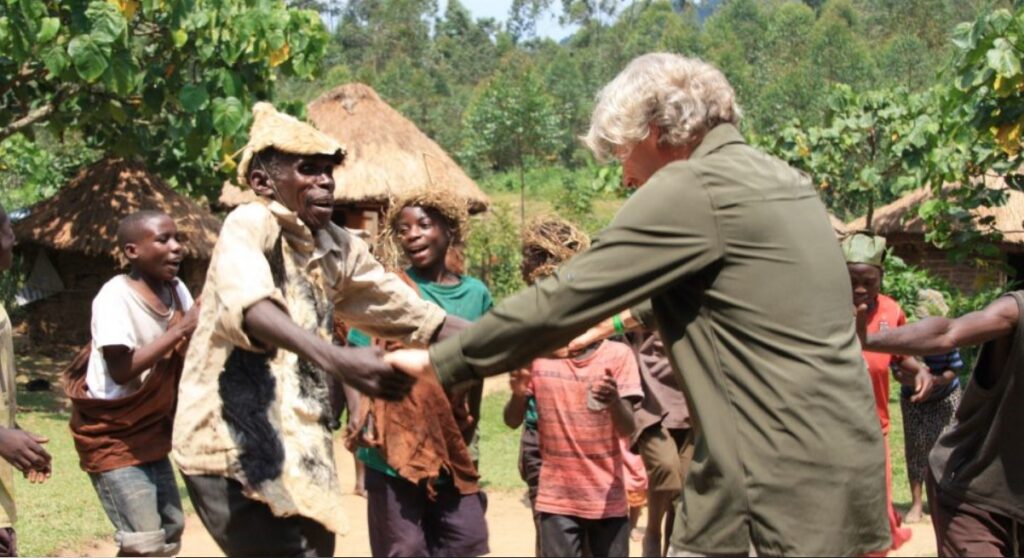
Whether you choose the Batwa visit in Bwindi or the more extensive Batwa Trail in Mgahinga, anticipate acquiring substantial knowledge about the tribe. You might even ponder if it was appropriate to extricate them from the forest. A standard visit entails observing women as they prepare meals for their family and engaging with the community elders. The elders will impart crucial knowledge regarding the Batwa’s methods of hunting bush meat, harvesting honey, and identifying appropriate medicinal plants for healing the unwell. Conclude each encounter with delightful performances of music and dances by the dance troupes.