 info@gorillatrekkinginafrica.com

Batwa Cultural Trail and Experience in Uganda
Batwa Cultural Trail and Experience in Uganda, Major evictions of the Batwa pygmies occurred in the early 1930s and 1990s in Bwindi Impenetrable Forest and Mgahinga National Park. For nearly a millennium, the Batwa people resided harmoniously in the vast forests of these two national parks, subsisting through hunting and foraging for fruit. The British colonial authority signified the onset of the decline for the Batwa in the forests. The colonial authorities and subsequent governments of Uganda regarded the Batwa as poachers and an impediment to conservation efforts in the two national parks.
The initial Batwa were compelled to relinquish their cultural history, traditions, and lifestyle to reside in designated camps or villages outside the two parks, located in the districts of Kanungu, Kabale, and Kisoro. Notwithstanding significant endeavors by the government and many foreign organizations to facilitate a seamless transition to their new settlements, the situation has not unfolded as anticipated. The Batwa have not fully acclimated to their new lifestyle and settlements. They must confront novel diseases, alcoholism, and persistent poverty, phenomena previously unknown to them, as the forests sufficed for all their necessities.
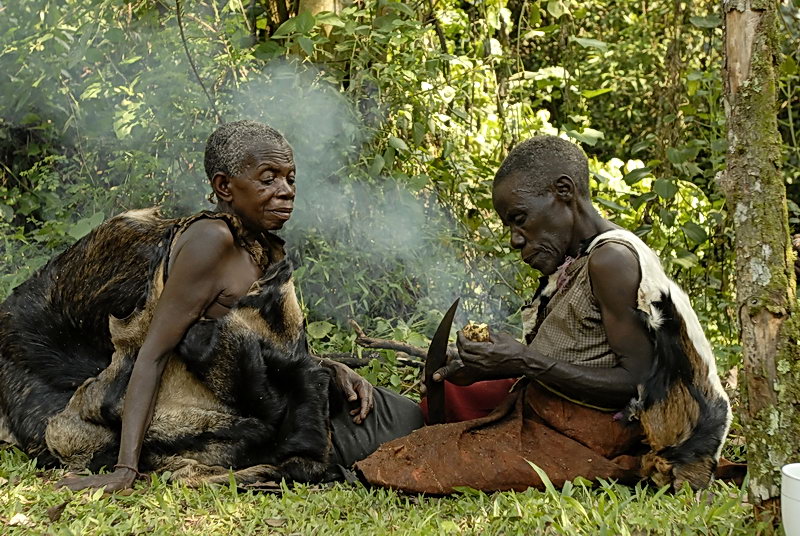
In the forest, people may engage in hunting, collect honey, or pick fruits. They must now practice beekeeping and other agricultural techniques that they find challenging. The forest no longer provides free honey, antelopes, or fruits. They must now labor to cultivate their own fruits, vegetables, beans, or potatoes. Some have resorted to felling or incinerating trees for firewood and charcoal. It is customary to observe men and women transporting substantial quantities of stuff to marketplaces for sale.
Social difficulties have also arisen. that must now adapt to coexist with adjacent native Bantu tribes that had evaded for millennia. The Batwa experience prejudice and stigmatization from their Bantu neighbors due to their distinct lifestyle. Their neighbors have mainly disregarded them, perceiving their presence as an infringement on their territory. Their status as genuine citizens of the country is contentious due to their comparative impoverishment and overall inability to assimilate effectively. Due to these problems, some individuals continue to poach animals such as antelopes in the park, while others subsist as beggars. The predominant issue confronting the Batwa households is alcoholism. After struggling to adapt to contemporary society, numerous adult Batwa have turned to alcohol and nostalgia for their previous existence in the forest.
Organizations and agencies that assist the Batwa population
The marginalization, severe poverty, hunger, and elevated mortality rate have diminished the Batwa population to approximately 3,000 individuals. This attracted the interest of numerous international and local organizations. Dr. Scot Kellerman and Carol Kellerman were the inaugural foreign visitors to initiate programs focused on water, sanitation, and the advocacy of the rights of the Batwa people. The Kellerman family established their residence among the Batwa and created the Kellerman Foundation. This foundation collaborates with the Batwa community and its Batwa Development initiative to construct clinics, hospitals, or schools. They also conduct further community development initiatives designed to enhance the circumstances of the Batwa. Founded in 2002, the United Organization for Batwa Development (UOBDU) aims to facilitate initiatives related to revenue production, land rights, housing, forest access, benefit sharing, education, and adult literacy.
The Batwa Trail in Mgahinga
One of the most unique projects of the organizations assisting the Batwa and the Ugandan government is the Batwa Trail, conducted exclusively in Mgahinga Gorilla National Park. The Batwa cultural experience is available in Bwindi Impenetrable Forest National Park. The Batwa Trails is a recent initiative by UOBDU in partnership with the Uganda Wildlife Authority and the United States Agency for International Development (USAID). The initiative seeks to empower the Batwa socially and economically through revenue generated from tourism involving the Batwa people. What does the Batwa Trail and cultural experience entail? The Batwa Trail provides one of the premier community excursions in Uganda. This trip is tailored for guests interested in comprehending the lifestyle and history of the Batwa people. At the conclusion of the session, participants will comprehend the reasons behind the Batwa’s gradual adaptation to life beyond the forest. They will comprehend why the Batwa may not be reaping the full benefits of gorilla trekking or other tourism-related activities. The Batwa path in Mgahinga National Park differs from the Batwa cultural tour in Bwindi as it offers a more extensive experience within the trees of Mgahinga. The Batwa cultural experience in Bwindi often occurs with Batwa populations residing on the periphery of Bwindi Forest.
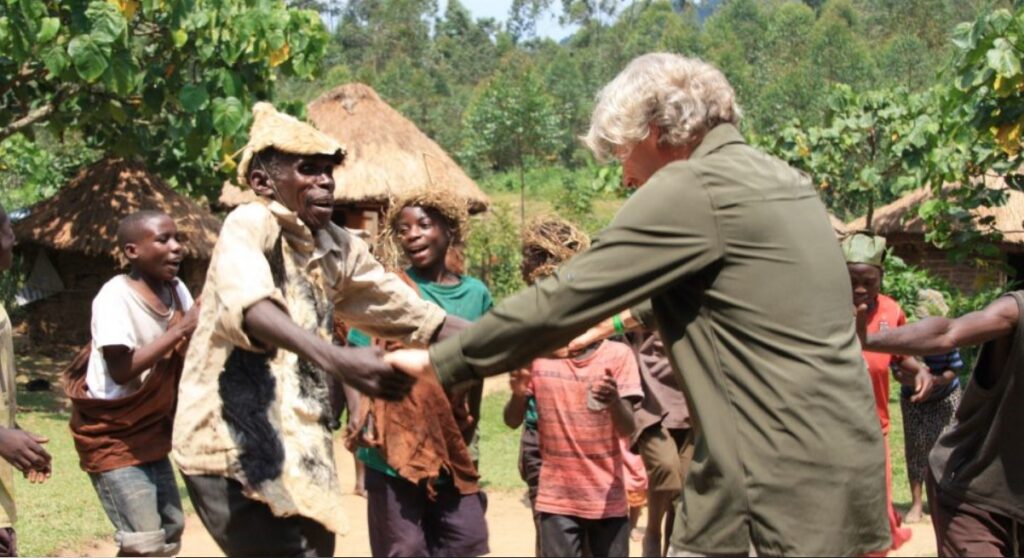
The five-hour Batwa Trail is often guided by the Batwa, commencing with the guide kneeling to implore the spirits for the safety of all participants during the woodland expedition. This old rite guaranteed that the hunting expeditions were consecrated and prosperous. Subsequent to the spiritual prayer, the Batwa Guide escorts guests through the deep forest and up the slopes of the volcanoes, such as Gahinga or Muhavura.
As you adhere to the guidance, you will recognize that for the Batwa, each plant and weed in the forest holds significance. The guide frequently pauses to remove leaves from trees and illustrate their medicinal significance. Certain leaves can alleviate hypertension, fever, diabetes, and the common cold. These treatments are often crushed and thereafter consumed straight in the mouth. In addition to forest medicines, you will discover how the Batwa prepared their traditional cuisine, constructed their dwellings, gathered honey, and ignited fire. The Batwa were skilled artisans and will impress you with their bamboo-crafted items, such as cups. During the route, the Batwa will recount narratives that emphasize their past and existence inside the forest.
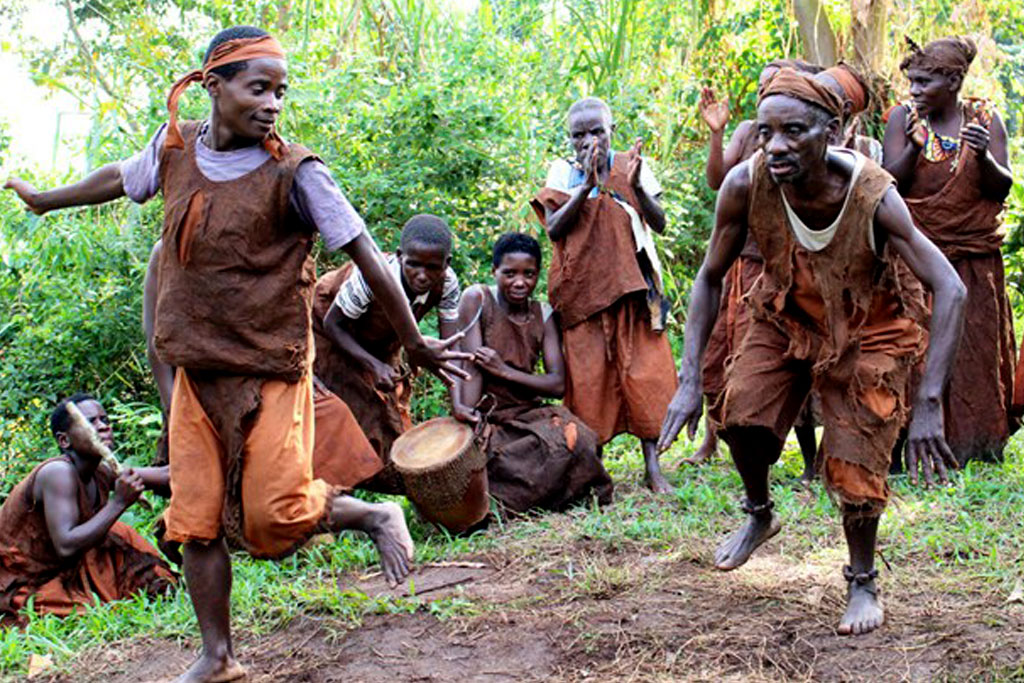
The Batwa Trail in Mgahinga culminates in an expedition of the Garamba caverns, offering a Batwa cultural experience. These ancient, dark, and silent caverns hold significant historical importance for the Batwa. The Garamba caverns are regarded as sacred due to their association with the king’s residence and the primary granary. In conflicts with their Bantu neighbors, the Batwa utilized the caverns as venues for assembly and concealment. Upon concluding your journey to the Garamba caverns, you will be escorted to observe a traditional dance performance by the Batwa men and women.
The Batwa Trail in Mgahinga and the Batwa cultural visit in Bwindi have significantly enhanced the social and economic well-being of the Batwa community by leveraging substantial revenue from tourism. Permitting them return to the forest as tour guides along the Batwa route in Mgahinga instills a sense of ownership over the environment. Furthermore, revenue from tourists enhances their incomes, thereby boosting their entire livelihoods. During their visit to the Batwa in Bwindi and Mgahinga, certain tourists have been moved by their circumstances. They have graciously contributed funds and clothing and are dedicated to sharing their narrative globally. This has additionally garnered funds for initiatives aimed at enhancing their circumstances.
Factors to contemplate prior to embarking on the Batwa Cultural Trail in Mgahinga
Difficulty Level: The Batwa route is comparatively less arduous due to the well-maintained and clearly delineated paths. Certain steep regions exist, especially at the base of the volcanoes; however, these should be navigable for individuals possessing a moderate level of fitness. Individuals with substantial luggage or equipment, such as cameras, may engage the services of a native porter for approximately $15. There are few emergency response health clinics and services in the vicinity. Individuals with severe medical conditions may reconsider participating in the activity.
The Batwa Trail in Mgahinga costs $80 for individual travelers, but group participants incur a reduced fee. Two overseas passengers can anticipate a fee of $70 apiece, whilst a group of four or more would incur a cost of $60 per individual. Individuals wishing to capture the entire experience or create a documentary must incur an additional fee of $400.
Attire considerations: When preparing for the Batwa cultural experience, it is essential to contemplate appropriate clothing. It is advisable to travel with a rain jacket and gardening gloves. Long-sleeved shirts and pants will provide protection against rain, thorns, and spiky vegetation in the forest. It is prudent to bring snacks, a packed lunch, and bottled water. Consider carrying additional important goods such as a camera and bug repellant. Individuals with allergies should carry antihistamines and any additional medications prescribed by their physician.
It is important to note that, in contrast to gorilla trekking and various other activities, less equipment is required for the Batwa trail experience. The Batwa adventure is typically scheduled following gorilla trekking in Bwindi Impenetrable National Park and Mgahinga Gorilla Park. The experience may also be pursued following a wildlife safari or game drive in Queen Elizabeth, Murchison Falls, and Kibale National Parks.
The Batwa Trail and cultural experience is an ambitious endeavor akin to visiting the Iby’iwacu cultural hamlet in Rwanda. Both enhance your East African Safari by providing insight into the local culture of several indigenous communities while simultaneously delivering economic support.