 info@gorillatrekkinginafrica.com

Hunting Safaris In Tarangire National Park
Hunting Safaris In Tarangire National Park, Tarangire National Park, located in northern Tanzania’s Manyara Region, stands as one of Africa’s most spectacular and underrated wildlife destinations. Covering an area of approximately 2,850 square kilometres, Tarangire is renowned for its remarkably dense concentration of wildlife, ancient baobab tree landscapes, and the life-giving Tarangire River that draws thousands of animals during the dry season — creating some of the most dramatic safari scenes on the continent.
Though often overshadowed by the more internationally recognized Serengeti and Ngorongoro Crater, Tarangire offers an inservation-focusedntimate and extraordinary safari experience that wildlife enthusiasts, photographers, and co visitors increasingly seek out. The park’s remote character, diverse ecosystems, and prolific game populations make it a compelling destination in its own right.
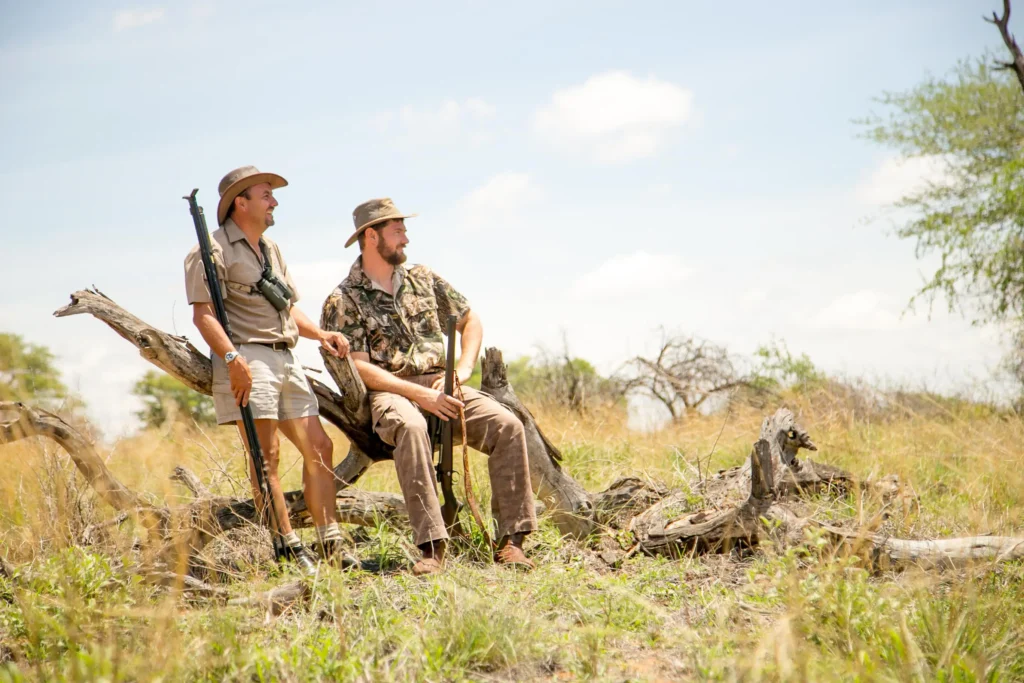
It is important to note upfront: Tarangire National Park is a protected wildlife conservation area under Tanzania National Parks (TANAPA) authority. Consumptive hunting — the shooting and harvesting of wildlife — is strictly prohibited within park boundaries. However, what is commonly referred to as a ‘hunting safari’ in the broader East African travel industry encompasses wildlife viewing safaris, photographic safaris, and guided game drives that provide the thrilling experience of tracking and observing Africa’s Big Five and diverse wildlife in their natural habitat. This guide addresses all dimensions of this rich safari experience.
| KEY FACT |
| Tarangire National Park is managed by Tanzania National Parks (TANAPA). All wildlife within the park is protected under Tanzania’s Wildlife Conservation Act. Consumptive trophy hunting is not permitted inside park boundaries. Hunting quotas and licensed hunting blocks operate in Game Controlled Areas (GCAs) and Wildlife Management Areas (WMAs) surrounding Tarangire, not inside the park itself. |
Park Overview & Ecosystem
Geography and Location
Tarangire National Park lies approximately 120 kilometres southwest of Arusha, Tanzania’s safari gateway city, and forms a critical component of the larger Tarangire-Manyara ecosystem. The park is bordered by Lake Manyara to the northeast, and a complex mosaic of Game Controlled Areas and Wildlife Management Areas extends its effective wildlife range considerably beyond its official boundaries.
| DETAIL | INFORMATION |
| Location | Manyara Region, northern Tanzania |
| Distance from Arusha | Approximately 120 km southwest |
| Total Area | 2,850 km² (285,000 hectares) |
| Elevation Range | 1,000 – 1,500 metres above sea level |
| Established | 1970 (as a National Park) |
| Management Authority | Tanzania National Parks (TANAPA) |
| Ecosystem Classification | Savanna-woodland with riverine habitats |
| Main Water Source | Tarangire River (perennial) |
| UNESCO Status | Part of larger East African ecosystem network |
Landscape and Vegetation Zones
Tarangire’s landscape is defined by several distinct vegetation zones, each supporting different wildlife communities and offering varied safari experiences:
- Acacia-Commiphora Woodland: The dominant vegetation type covering much of the park, characterised by mixed thornbush, wild sage, and open grasslands. Ideal habitat for browsing antelope, elephant, and predators.
- Riparian Forest & Riverine Zones: Dense vegetation lining the Tarangire River and its tributaries. Supports high concentrations of game during the dry season and provides excellent photographic backdrops.
- Swamps and Wetlands: Silale and Gurusi swamps are critical dry-season refuges for buffalo, elephant, zebra, and waterbirds. Among the most productive wildlife observation areas in the park.
- Baobab Landscapes: Tarangire is famous for its extraordinary density of ancient baobab trees (Adansonia digitata), which can live for thousands of years. These iconic trees define the park’s unique aesthetic and character.
- Open Grassland Plains: Found in the southern reaches of the park, these plains support migratory species including wildebeest and zebra during the wet season rains.
Wildlife of Tarangire: The Safari Experience
Tarangire is celebrated for hosting one of the highest concentrations of wildlife in Tanzania outside the Serengeti. During the peak dry season (June–October), the Tarangire River acts as a magnet, drawing enormous numbers of animals from across the wider ecosystem into increasingly accessible viewing areas. This natural congregation creates extraordinary game-viewing conditions rivalled by few destinations in Africa.
The Big Five in Tarangire
Tarangire supports four of the traditional Big Five with reliable consistency, and leopard sightings — though more elusive — are recorded with growing frequency:
1. African Elephant (Loxodonta africana)
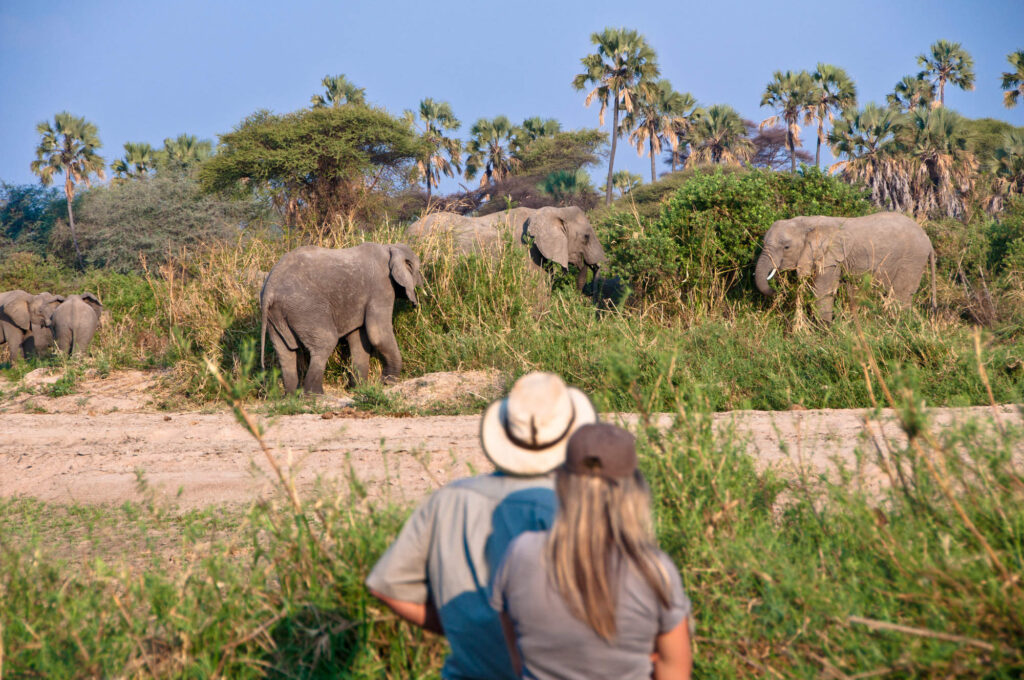
Tarangire is arguably Tanzania’s finest destination for elephant encounters. The park harbours one of the largest elephant populations in East Africa, with estimates suggesting over 3,000 individuals. During the dry season, mega-herds of 300 or more elephants congregate around the river, creating extraordinary spectacles. Tarangire’s elephants are notably relaxed around vehicles, allowing exceptional close-range observation and photography. Family groups, bull males, and young calves are routinely encountered at close quarters.
2. African Buffalo (Syncerus caffer)
Buffalo herds of several hundred to over a thousand strong are common in Tarangire, particularly around the swamp areas and river systems. Old solitary bulls — the notorious ‘dagga boys’ — are frequently encountered and are among the most photogenic subjects on any safari. Buffalo interactions with lion prides produce some of the park’s most dramatic wildlife encounters.
3. African Lion (Panthera leo)
Tarangire supports a healthy and relatively stable lion population estimated at between 150 and 250 individuals across multiple prides. The park’s tree-climbing lions are particularly notable — Tarangire’s lions have developed a distinctive behaviour of resting in the branches of large acacia and sausage trees, a trait also observed in Queen Elizabeth National Park in Uganda. This behaviour makes for spectacular photography and is rarely observed elsewhere in Tanzania.
4. African Leopard (Panthera pardus)
Leopards are present throughout Tarangire but, as is their nature, remain secretive and solitary. Sightings are most commonly reported along the river’s kigelia (sausage tree) corridors, where leopards frequently drape themselves along large horizontal branches during daylight hours. Experienced guides with intimate knowledge of the park significantly increase the probability of leopard encounters.
5. Black Rhinoceros (Diceros bicornis) — Historical Context
Tragically, black rhino were extirpated from Tarangire through poaching pressure in the 1980s and 1990s. Efforts to reintroduce rhinoceros to the broader ecosystem are ongoing within Tanzania’s conservation framework, though rhino are not currently found within Tarangire’s boundaries. Visitors seeking rhino must travel to Ngorongoro Crater or Serengeti’s dedicated protection areas.
| WILDLIFE QUICK FACTS — TARANGIRE NATIONAL PARK |
| • Elephant population: 3,000+ (one of Tanzania’s largest concentrations) |
| • Over 550 bird species recorded (world-class avifauna) |
| • Annual wildebeest migration: 250,000+ animals pass through the ecosystem |
| • Lion population: 150–250 individuals across multiple prides |
| • Tree-climbing lions: a unique and celebrated behaviour in this park |
| • Largest baobab concentration in East Africa |
Additional Iconic Wildlife Species
Beyond the Big Five, Tarangire hosts a remarkable diversity of species that enrich every safari experience:
| SPECIES | TARANGIRE STATUS | BEST VIEWING SEASON |
| Plains Zebra | Abundant — thousands present | Year-round; peak dry season |
| Wildebeest | Migratory — large herds | December–March (wet season) |
| Giraffe (Maasai) | Common, easily observed | Year-round |
| Greater Kudu | Regular sightings | Dry season (woodland areas) |
| Fringe-eared Oryx | Present — semi-arid areas | Dry season |
| Eland | Herds frequent in open areas | Wet season grasslands |
| Gerenuk | Northern reaches of park | Year-round |
| Impala | Abundant and widespread | Year-round |
| Warthog | Extremely common | Year-round |
| Striped Hyena | Nocturnal — rare sightings | Night drives (seasonally) |
| Spotted Hyena | Common — heard nightly | Year-round at waterholes |
| African Wild Dog | Occasional sightings | Dry season (unpredictable) |
| Cheetah | Irregular but recorded | Open plains, dry season |
| Olive Baboon | Troops common | Year-round |
| Vervet Monkey | Extremely common | Year-round |
| Monitor Lizard (Nile) | Riverine areas | Year-round |
| Python | Rare — riverine thickets | Wet season |
Birdlife: A World-Class Avian Destination
With over 550 recorded bird species, Tarangire ranks among Africa’s premier birding destinations. The park is a critical stronghold for several species of conservation significance, and the combination of woodland, wetland, riverine forest, and open savannah habitats creates exceptional avian diversity year-round.
- Yellow-collared Lovebird (Agapornis personatus): Tarangire is the global stronghold for this endemic species, found in large chattering flocks.
- Ashy Starling (Cosmopsarus unicolor): An endemic species to the Tarangire-Manyara ecosystem, with vivid plumage and highly social behaviour.
- Kori Bustard (Ardeotis kori): Africa’s heaviest flying bird, regularly encountered striding through open grasslands.
- Secretary Bird (Sagittarius serpentarius): Iconic and unmistakable, often spotted hunting reptiles in open savannah areas.
- Ostrich (Struthio camelus): Large flocks present in open areas of the park’s southern sector.
- Martial Eagle, Bateleur, and Verreaux’s Eagle: Apex raptors regularly observed soaring over the canopy.
- African Fish Eagle, Goliath Heron, Saddle-billed Stork: Prominent along the Tarangire River and wetland areas.
- Superb Starling, Lilac-breasted Roller: Colourful species providing excellent photographic subjects.
Tanzania’s Hunting Framework: GCAs and WMAs
To fully understand the safari hunting landscape in and around Tarangire, it is essential to understand Tanzania’s tiered land-use and wildlife management system. Tanzania operates one of Africa’s most structured and extensive trophy hunting industries, second in scale only to South Africa, and the areas surrounding Tarangire National Park are integral to this framework.
Tanzania Wildlife Management System
| LAND USE CATEGORY | DESCRIPTION |
| National Parks (NP) | Highest protection level. No consumptive hunting permitted. Tarangire NP falls in this category. |
| Game Reserves (GR) | Controlled hunting permitted under licence. Adjacent to many national parks. |
| Game Controlled Areas (GCA) | Areas bordering national parks where regulated hunting is permitted, creating buffer zones. |
| Wildlife Management Areas (WMA) | Community-based conservation areas where licenced hunting may be conducted with benefit-sharing to local communities. |
| Open Areas | Ungazetted areas where hunting may occur under permit outside formal protected areas. |
| Private Game Ranches | Private landholdings with wildlife populations managed for photographic and hunting tourism. |
Hunting Blocks Adjacent to Tarangire
Several hunting blocks and Wildlife Management Areas exist in the broader Tarangire-Manyara ecosystem. These areas are managed by licensed hunting operators (Professional Hunters) and fall under the Tanzania Wildlife Management Authority (TAWA) — formerly the Wildlife Division. These zones serve as critical buffers between Tarangire National Park and surrounding human settlements, and the hunting revenues contribute to anti-poaching efforts and community livelihoods.
Key hunting and wildlife management zones in the greater Tarangire ecosystem include:
- Burunge Wildlife Management Area (WMA): One of Tanzania’s most successful community-managed WMAs, immediately north of Tarangire. Supports photographic tourism primarily, with community revenue-sharing models.
- Lolkisale Game Controlled Area: Located to the north and northeast of Tarangire, this GCA historically supported licensed hunting operations.
- Simanjiro Plains: Immediately east of Tarangire, these critical dispersal areas for migratory species (including elephant and wildebeest) are managed under community-wildlife coexistence programmes.
- Mkungunero Game Reserve: Located to the southeast, this reserve connects to the southern reaches of Tarangire’s ecosystem and historically has supported regulated hunting under government concessions.
| IMPORTANT LEGAL NOTICE |
| Any form of hunting within Tarangire National Park boundaries is strictly illegal under the Tanzania Wildlife Conservation Act (Cap. 283) and can result in criminal prosecution, heavy fines, and imprisonment. Safari operators and visitors are required to comply fully with TANAPA regulations at all times. |
The Photographic Hunting Safari Experience
In contemporary East African safari culture, the term ‘photographic hunting safari’ describes the art and discipline of tracking, stalking, and capturing wildlife through a camera lens — offering all of the adrenaline, skill, and emotional reward of a traditional hunting experience, with the animal departing unharmed. Tarangire National Park is one of Tanzania’s finest destinations for this style of safari.
Why Tarangire Excels for Photographic Safari
- Exceptional Wildlife Density: The convergence of game around the Tarangire River during the dry season creates extraordinary concentrations rarely matched elsewhere.
- Iconic Landscape: Ancient baobab trees, golden savannah light, and dramatic riverine scenery create world-class photographic backdrops.
- Relaxed, Habituated Wildlife: Tarangire’s animals are well-habituated to vehicles, allowing close approaches and relaxed, extended observations — critical for quality photography.
- Low Vehicle Traffic: Compared to the Serengeti’s central areas, Tarangire sees fewer tourist vehicles, creating a more intimate and uncluttered photographic environment.
- Specialist Activities: Walking safaris, night game drives, fly-camping, and canoe safaris on the river expand the photographic opportunities significantly.
- Year-Round Productivity: Unlike some parks, Tarangire offers excellent game viewing throughout the year, with the dry season delivering iconic game concentrations and the wet season delivering lush landscapes, newborn animals, and migrant birds.
Safari Activities Available in Tarangire
| ACTIVITY | DESCRIPTION | SEASON / AVAILABILITY |
| Morning Game Drive | 4–6 hour guided drive covering key circuits and water sources | Year-round |
| Afternoon/Sunset Drive | Evening drive focusing on predator activity and golden-hour photography | Year-round |
| Full-Day Game Drive | All-day exploration with packed lunch; covers remote southern sectors | Dry season (best) |
| Walking Safari | Guided foot safari with armed ranger; tracks animals on foot | Dry season recommended |
| Night Game Drive | Spotlight drive for nocturnal species; requires special TANAPA permit | Year-round (limited camps) |
| Fly Camping | Overnight bush camp in remote wilderness; immersive experience | Dry season (June–Oct) |
| Guided Bird Walk | Specialist birding walks with expert ornithological guide | Year-round; peak Nov–Apr |
| Cultural Village Visit | Interaction with Maasai and other local communities | Year-round |
| Balloon Safari | Hot-air balloon flight over the park at dawn | Year-round (seasonal) |
Game Drive Circuits and Key Wildlife Areas
Tarangire’s road network, while extensive, concentrates on several key wildlife corridors and water sources. Experienced guides structure game drives around these productive circuits:
Tarangire River Circuit (Northern Sector)
The most productive area for dry-season game viewing, this circuit follows the river from the main gate southward. Elephant herds, buffalo, lion, and tree-climbing wildlife are routinely encountered. The riverbanks are densely lined with vegetation and provide excellent backdrops for wildlife photography.
Silale and Gurusi Swamps
These permanent swamp systems are arguably the most productive wildlife areas in the park. During the dry season, buffalo herds of 500 to 1,000 animals gather at these swamps, accompanied by predators and enormous concentrations of wading birds. Silale Swamp in particular offers extraordinary panoramic wildlife scenes.
Lemiyon Area (Southern Tarangire)
The park’s remote southern sector is characterised by open grassland plains, extensive baobab forests, and much lower tourist density. This region becomes particularly productive during the wet season when migrating wildebeest and zebra move through. Experienced guides identify routes here for those seeking wilderness without crowds.
Poacher’s Hide and Mchakama Circuits
These circuits wind through the park’s interior woodland, offering opportunities for sightings of rarer species including lesser kudu, gerenuk, and fringe-eared oryx. The woodland density also supports excellent leopard habitat.
Walking Safari: The Purest Hunting Experience
For those seeking the most immersive and authentic safari experience, the guided walking safari in Tarangire represents the closest analogue to traditional hunting — offering the full sensory engagement of the African bush, the discipline of silent movement, and the electric excitement of close animal encounters entirely on foot.
What to Expect on a Walking Safari
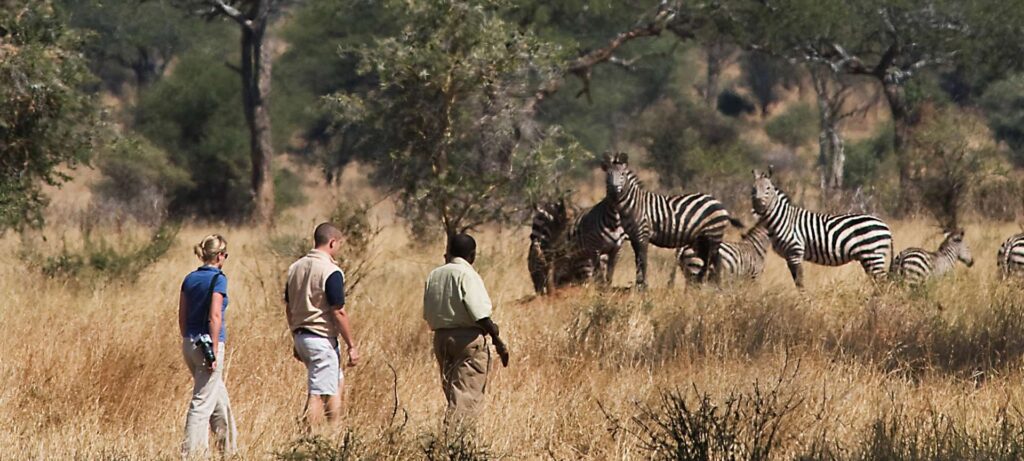
Walking safaris in Tarangire are conducted under the guidance of trained TANAPA rangers and experienced professional guides. The experience is markedly different from vehicle-based game drives — the reduced human sensory profile, the need for silence, reading wind direction, and interpreting fresh spoor (tracks and signs) brings the visitor into direct engagement with the ecosystem in a way that no vehicle-based safari can replicate.
- Groups: Maximum 6–8 persons per walking group for safety and manageability.
- Duration: Typically 2–4 hours in the morning or late afternoon during cooler temperatures.
- Armed escort: An armed TANAPA ranger accompanies every walk for safety. Firearms are carried as a last resort measure.
- Tracking skills: Guides interpret elephant tracks, lion footprints, leopard scrapes, bird alarm calls, and dung age to locate and approach wildlife.
- Minimum approach distances: Professional guides maintain safe and responsible distances from dangerous game. The experience is not about proximity — it is about understanding.
- Fitness requirement: Moderate fitness required. Walking is conducted at a leisurely pace through varied terrain. Participants should wear neutral-coloured clothing and comfortable closed shoes.
Walking safaris are currently offered from select camps within and adjacent to Tarangire, including Oliver’s Camp (one of Africa’s most acclaimed walking safari operations), Sanctuary Swala Camp, and several other specialist operators. These camps work closely with TANAPA to provide legally permitted walking experiences within designated areas of the park.
Best Seasons for Safari in Tarangire
Unlike many East African parks that peak strongly in specific months, Tarangire’s diverse habitats and the reliable presence of the Tarangire River mean that it offers rewarding safari experiences throughout the year. However, distinct seasonal patterns significantly influence the type and quality of experience:
| SEASON | MONTHS | SAFARI EXPERIENCE |
| Dry Season (Peak) | June – October | Exceptional. Wildlife concentrates at river and swamps. Best game density and viewing conditions. Ideal for photography. Less vegetation obstruction. Night drives possible. |
| Short Dry Season | January – February | Excellent. Dry period between rains. Good game viewing with some vegetation growth. Less crowded. |
| Short Rains | November – December | Good. Migratory birds arrive. New vegetation and dramatic skies. Wildebeest begin return migration. Roads can be muddy. |
| Long Rains | March – May | Quiet season. Some camps close. Lush and green with beautiful landscapes. Excellent for birding. Fewer tourists but some tracks impassable. Some excellent wildlife viewing still. |
| BEST OVERALL MONTHS |
| July, August, and September offer the most dramatic wildlife concentrations in Tarangire. This is the height of the dry season when thousands of animals gather at the river. Advanced booking 6–12 months ahead is essential for quality camps during this period. |
Safari Accommodation in and Around Tarangire
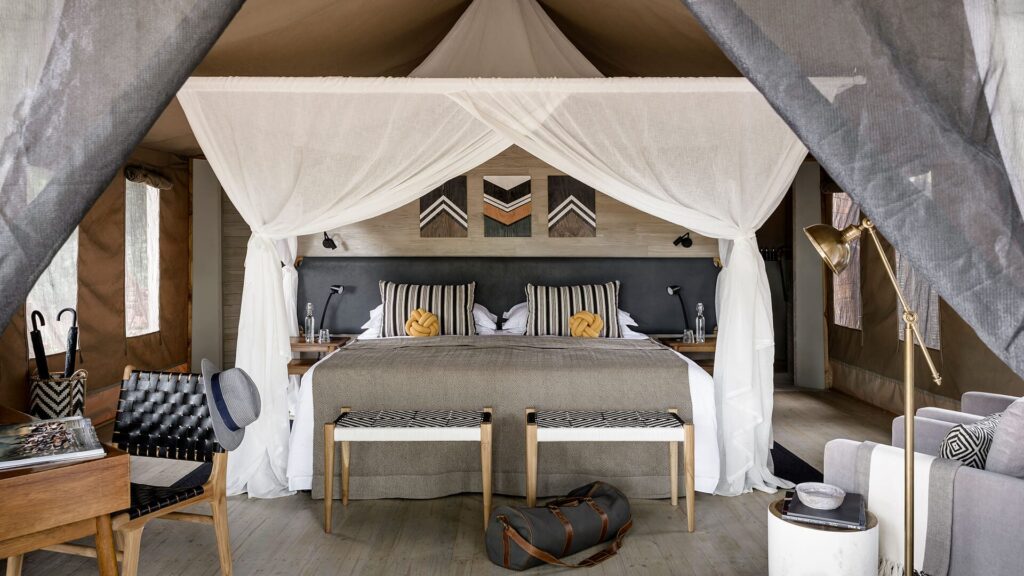
Tarangire’s accommodation landscape ranges from exclusive luxury tented camps positioned to maximise wildlife encounters, to comfortable mid-range lodges and budget camping options. The park’s camps are generally smaller and more intimate than those in the Serengeti, contributing to the exclusive atmosphere.
Luxury Safari Camps (Ultra-Premium Experience)
| CAMP / LODGE | KEY FEATURES |
| Oliver’s Camp | Pioneer walking safari camp; exclusive concession within park; exceptional guides; legendary for bush walks and authentic wilderness experience. |
| Sanctuary Swala Camp | Intimate 12-tent camp; private concession; high wildlife density immediately around camp; exceptional service standards. |
| Chem Chem Lodge | Exclusive private concession north of park; exceptional guiding; specialist walking safaris; community integration. |
| Little Chem Chem | Ultra-exclusive satellite camp of Chem Chem; 3-tent maximum; private wilderness experience. |
| Tarangire Treetops | Iconic elevated rooms built into ancient baobab trees; extraordinary architectural concept; excellent wildlife sightings from rooms. |
| Kuro Tarangire | Premier camp with private concession area; full-service luxury; limited guest numbers. |
Mid-Range Safari Lodges
| CAMP / LODGE | KEY FEATURES |
| Tarangire Safari Lodge | Established lodge; excellent river views; photographic platform above the river; good range of game drives. |
| Naitolia Camp | Community-owned camp outside park boundaries; affordable; good wildlife access through partnership with park. |
| Boundary Hill Lodge | Located on park boundary; unobstructed savannah views; reliable game sightings from camp. |
| Maramboi Tented Camp | Located between Tarangire and Lake Manyara; good value; excellent birdlife; sunset lake views. |
Public Campsites (Budget Option)
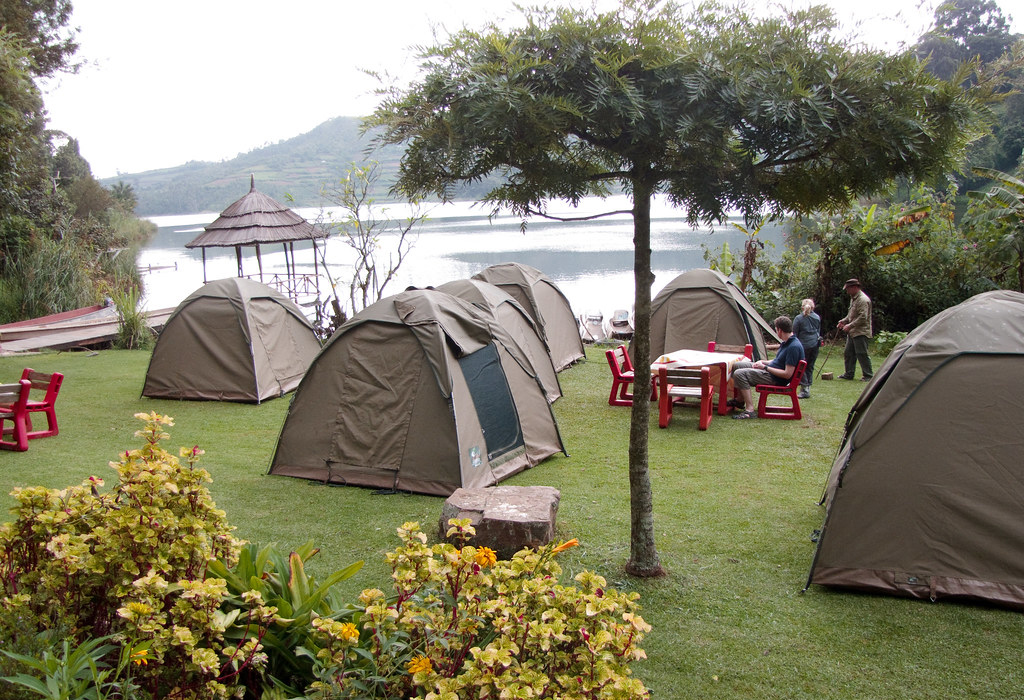
TANAPA manages a network of designated public and special campsites within the park for self-sufficient visitors. These range from basic cleared areas with pit latrines (public campsites) to semi-exclusive sites with slightly improved facilities (special campsites). Bush camping of this nature delivers an intimate and authentic experience for adventurous travellers. All campers must be self-sufficient with tents, food, water, and equipment.
Park Entry Fees and Safari Costs
TANAPA Official Entry Fees (2026–2027)
All visitor fees are payable in USD or equivalent and are subject to annual review by TANAPA. Fees must be paid electronically via the TANAPA online portal or at designated payment points.
| FEE CATEGORY | ADULT | CHILD (5–15 yrs) |
| Non-Resident (International) | USD 59.00 per day | USD 20.00 per day |
| East African Resident | USD 35.00 per day | USD 10.00 per day |
| Tanzanian Citizen | TZS 3,000 per day | TZS 500 per day |
| Vehicle Entry (non-residents) | USD 40.00 per vehicle | N/A |
| Walking Safari Supplement | USD 20.00 per person | N/A |
| Night Drive Supplement | USD 20.00 per person | N/A |
| Camping — Public Site | USD 30.00 per person/night | USD 5.00 per person/night |
| Camping — Special Site | USD 50.00 per person/night | USD 10.00 per person/night |
Note: Fees above are indicative and subject to change. Always verify current fees directly with TANAPA (www.tanzaniaparks.go.tz) or through your licensed safari operator before visiting.
Total Safari Cost Estimates
| SAFARI PACKAGE TYPE | ESTIMATED COST RANGE |
| Budget Self-Drive (own vehicle, camping) | USD 200 – 400 per person, per day (all-inclusive) |
| Mid-Range Package (lodge-based, guided) | USD 400 – 800 per person, per day |
| Luxury Tented Camp Package | USD 800 – 2,000 per person, per day |
| Ultra-Luxury / Private Concession Camp | USD 2,000 – 5,000+ per person, per day |
| Day Trip from Arusha (non-residential) | USD 200 – 400 per person (transport + entry + guide) |
| Balloon Safari Add-on | USD 500 – 600 per person |
Professional Safari Guides and Operators
The quality of any Tarangire safari experience is fundamentally determined by the skill and knowledge of the professional guide. Tanzania’s professional safari guide and hunting industry maintains licensing standards through the Tanzania Professional Hunters Association (TPHA) and the Tanzania Association of Tour Operators (TATO).
Choosing a Reputable Safari Operator
- TATO Membership: Verify that your operator is a licensed member of the Tanzania Association of Tour Operators. This provides a degree of quality assurance and legal protection.
- Guide Certification: Ask about your guide’s specific qualifications, years of experience in Tarangire specifically, and first aid certification.
- Vehicle Quality: A proper safari vehicle is a high-clearance 4WD (typically Land Cruiser or Land Rover) with roof hatches or pop-up roofs for 360-degree wildlife viewing and photography.
- Group Size: Smaller groups (4–6 persons per vehicle) provide a better experience than overloaded vehicles of 8–10 persons.
- Ecological Ethics: Choose operators committed to Leave No Trace principles, who respect minimum approach distances, and who do not leave engine idling in presence of wildlife.
- Reviews and References: Platforms such as SafariBookings.com, TripAdvisor, and Africa-specific review sites provide valuable peer assessments of operator performance.
| KEY OPERATOR ASSOCIATIONS |
| • Tanzania Association of Tour Operators (TATO): www.tatotz.org |
| • Tanzania National Parks (TANAPA): www.tanzaniaparks.go.tz |
| • Tanzania Wildlife Management Authority (TAWA): Regulates GCAs and WMAs |
| • Tanzania Professional Hunters Association (TPHA): Licensed professional hunters for GCA/WMA operations |
Conservation and the Role of Safari Tourism
Tarangire National Park exists within a complex landscape-level conservation challenge. The park is surrounded by rapidly growing human populations, expanding agriculture, and increasing pressure on land and water resources. Wildlife dependent on seasonal dispersal areas outside the park — particularly elephant and migratory species — face increasing habitat loss and human-wildlife conflict.
Safari tourism — both photographic and, in surrounding areas, regulated hunting tourism — plays a critical role in funding conservation. TANAPA uses park entrance revenues to fund ranger salaries, anti-poaching operations, infrastructure maintenance, and community benefit programmes. The economic value of living wildlife demonstrated through tourism creates powerful incentives for conservation at both government and community levels.
Community-Based Conservation
- Wildlife Management Areas (WMAs) surrounding Tarangire channel a proportion of tourism revenue directly to village communities, reducing incentives for poaching and bushmeat hunting.
- Community ranger programmes have been effective in the Burunge WMA and Simanjiro Plains, engaging local Maasai and other communities as active conservation stakeholders.
- Human-wildlife conflict mitigation projects — including elephant-proof beehive fences and community compensation schemes — are reducing retaliatory killing of wildlife.
- Research programmes by organisations including the Tarangire Elephant Project and the Tanzania Wildlife Research Institute (TAWIRI) continuously monitor and inform management decisions.
Practical Safari Information
Getting to Tarangire National Park
| ROUTE | DETAILS |
| By Road from Arusha | Approximately 2 hours via the Arusha–Dodoma Highway (A104). Well-paved road to the main gate turnoff, then 7 km of dirt road to the gate. Suitable for all vehicles during dry season; 4WD recommended in wet season. |
| By Air — Charter | Charter flights operate between Arusha (Arusha Airport / Kilimanjaro International) and Tarangire’s private airstrips (Kuro and others) serving luxury camps. Flight time approximately 30 minutes. |
| From Kilimanjaro International Airport | Approximately 2.5 hours by road. Most visitors connect through Arusha. |
| From Other National Parks | Tarangire is commonly combined with Lake Manyara (1 hour), Ngorongoro Crater (3–4 hours), and Serengeti (via Ngorongoro, 6+ hours). |
Packing List for a Tarangire Safari
- Clothing: Neutral, earth-toned safari clothing (khaki, olive, tan, grey). Avoid bright colours and patterns. Light long-sleeved shirts and trousers protect against sun and insects. A warm fleece or jacket for early morning drives.
- Footwear: Comfortable closed-toe walking shoes or boots for walking safaris. Sandals for camp.
- Sun Protection: High-SPF sunscreen, wide-brimmed hat, and UV-protective sunglasses. Temperatures can be intense.
- Insect Repellent: DEET-based repellent for malaria prevention. Malaria prophylaxis medication should be taken as prescribed.
- Camera Equipment: Safari photography benefits enormously from longer focal length lenses (400mm+ for wildlife). Binoculars (8×42 or 10×42) are essential for bird identification and distant animal observation.
- Dust Protection: Tarangire’s dry-season roads generate significant dust. Camera bags, breathing masks, and sealed equipment cases are recommended.
- Water and Hydration: Carry minimum 2 litres of water per person per day on drives. Camps provide purified water.
- First Aid: Personal medical kit including antihistamines, ibuprofen, oral rehydration salts, and any prescription medication.
Health and Safety in Tarangire
- Malaria: Tarangire is a malaria-endemic area. Consult a travel medicine physician at least 6–8 weeks before travel for prophylaxis prescription. Use long-sleeved clothing and repellent at dawn and dusk when mosquitoes are most active.
- Yellow Fever: Tanzania requires proof of yellow fever vaccination if travelling from a country with yellow fever risk. Carry your vaccination certificate.
- Wildlife Safety: Never exit your vehicle except at designated picnic sites or during permitted walking safaris with an armed ranger. Observe all guide instructions implicitly.
- Road Safety: Roads within Tarangire are ungraded tracks requiring 4WD during wet season. Speed limits within the park are strictly enforced. Animals have absolute right of way.
- Camp Security: Camps are unfenced — wildlife routinely passes through. Follow all camp protocols including escorted movement between tents at night.
Conclusion: Tarangire — Africa’s Undiscovered Crown Jewel
Tarangire National Park offers one of Africa’s most authentic, immersive, and rewarding safari hunting experiences — in the fullest photographic and wildlife tracking sense of that tradition. The park’s extraordinary elephant populations, tree-climbing lions, vast baobab landscapes, and exceptional birdlife create a destination that rewards visitors at every level of experience and interest.
For those seeking the thrill of tracking Africa’s greatest wildlife through a camera lens, Tarangire delivers an experience that stands shoulder to shoulder with the continent’s most celebrated safari destinations — with the added gift of intimacy, less crowding, and a wilderness character that increasingly eludes visitors to more famous parks.
Whether you arrive on a five-day luxury tented camp itinerary or a self-drive adventure through the park’s dusty tracks, Tarangire will leave an indelible impression — the sound of elephant families at the river at dusk, the sight of a pride of lions ascending an ancient baobab, the first light of a Tarangire morning breaking gold across the savannah. This is Africa as it was, as it should be, and as — through the collective commitment of conservation, community, and responsible tourism — it must remain.