 info@gorillatrekkinginafrica.com

Is it worth going to Tarangire National Park?
Is it worth going to Tarangire National Park?, When most travellers dream of a Tanzanian safari, their minds immediately leap to the Serengeti’s sweeping plains or the wildlife-packed crater of Ngorongoro. Yet nestled in the heart of northern Tanzania lies a park that many seasoned safari-goers consider their greatest discovery: Tarangire National Park.
Covering approximately 2,850 square kilometres, Tarangire stretches along the Tarangire River — a permanent water source that becomes a lifeline for wildlife during Tanzania’s dry season. The park is named after this river, which means “fly river” in the local Maasai language, and it is this river that makes the park extraordinary.
But is Tarangire National Park truly worth visiting? The short answer is an emphatic yes — but the full picture is richer and more nuanced than that. This comprehensive guide examines everything that makes Tarangire special, what its limitations are, and how to decide whether it belongs on your Tanzania itinerary.
What Makes Tarangire Unique?
The Elephant Capital of East Africa
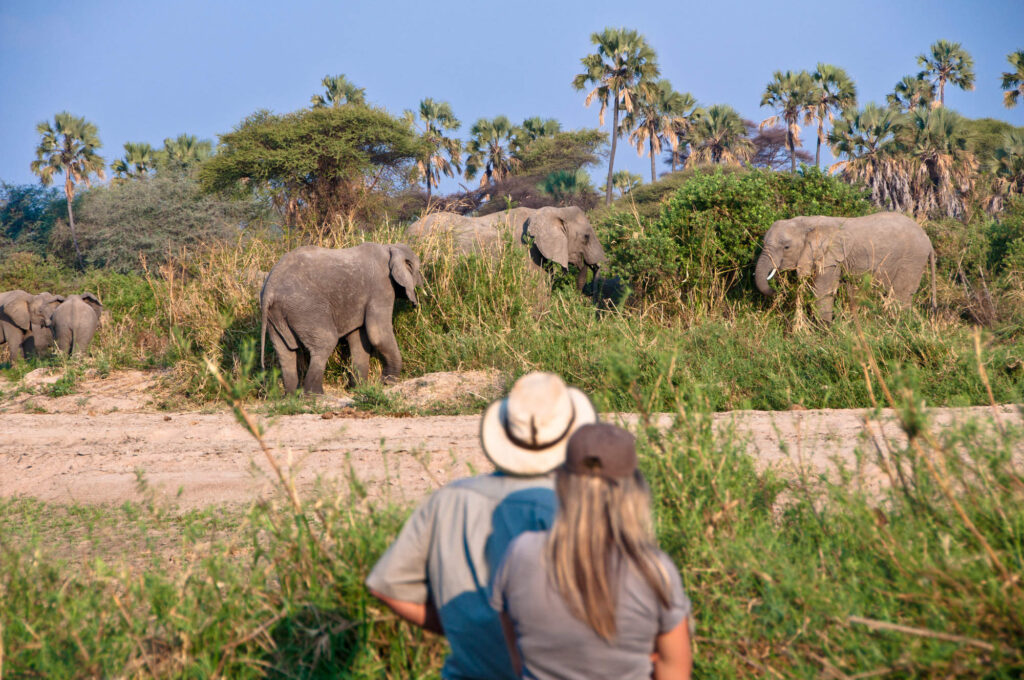
Tarangire is famous throughout East Africa for one overriding reason: elephants. The park hosts one of the largest elephant concentrations on the continent, with populations exceeding 3,000 individuals during the dry season months of June through October. Visitors frequently report encountering herds of 200 to 300 elephants moving together across the landscape — a spectacle unmatched anywhere else in Tanzania.
Unlike many parks where elephant sightings are occasional highlights, in Tarangire they are a near-certainty. You may see them digging for water in dry riverbeds at dawn, bathing in the Tarangire River at midday, or moving in vast columns through the baobab woodland at dusk. For elephant enthusiasts, Tarangire is simply without equal.
The Ancient Baobab Landscape
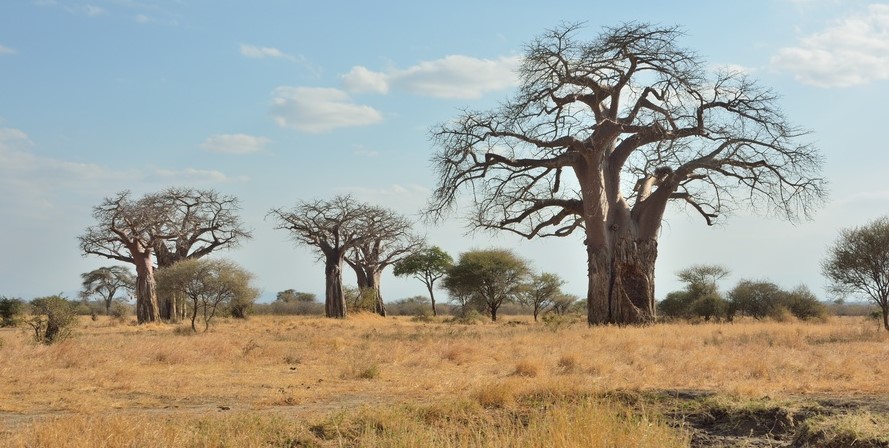
While other Tanzanian parks offer grassland panoramas, Tarangire delivers a landscape that feels prehistoric. The park is dotted with enormous baobab trees — some estimated to be over 1,000 years old — their swollen, silvery trunks rising from the red soil like something from another world. These ancient giants are Africa’s so-called “trees of life”, providing food, water storage, and shelter for hundreds of species.
Photographically, the combination of baobabs, elephants, and warm East African light creates images of extraordinary depth and character. Sunrise and sunset in Tarangire, with silhouettes of baobabs and elephant herds against golden skies, consistently rank among the most iconic safari photographs taken anywhere in Africa.
The Tarangire River — A Wildlife Magnet
Unlike seasonal rivers that vanish in the dry months, the Tarangire River flows year-round, creating a permanent corridor of water in an otherwise parched landscape. During July, August, and September, when surrounding areas dry out completely, the river attracts an astonishing concentration of wildlife from across northern Tanzania. Wildebeest, zebra, buffalo, impala, eland, hartebeest, and oryx all converge on the riverbanks, followed by the predators that prey upon them. The resulting wildlife spectacle is, in some respects, a compressed and more intimate version of the Serengeti migration.
Wildlife: What You Can Expect to See
The Big Five and Beyond
Tarangire supports an impressive diversity of wildlife. Here is what visitors typically encounter:
| Category | Species | Likelihood of Sighting |
| Megafauna | African Elephant | Extremely High (near-certain daily) |
| Big Cats | Lion, Leopard, Cheetah | High (lion & leopard common; cheetah occasional) |
| Other Predators | Wild Dog, Spotted Hyena | Moderate (wild dog is a notable highlight) |
| Antelope & Plains | Wildebeest, Zebra, Impala, Eland, Oryx, Hartebeest | High (especially dry season) |
| Buffalo & Rhino | Cape Buffalo (no rhino) | High for buffalo; rhino absent |
| Giraffe | Masai Giraffe | High |
| Birds | 550+ species including dry-country specialists | Excellent year-round |
| Primates | Olive Baboon, Vervet Monkey | High near river areas |
African Wild Dogs — A Rare Treasure
One of Tarangire’s most prized wildlife encounters is the African wild dog — one of the world’s most endangered large carnivores with fewer than 6,600 individuals remaining in the wild. Tarangire and its adjacent ecosystem support active wild dog packs, and sightings, while not guaranteed, are far more frequent here than in most other East African parks. A wild dog hunt is one of the most dramatic and fast-paced wildlife spectacles in Africa.
Best Time to Visit Tarangire
Dry Season: The Peak Wildlife Period (June – October)
Without question, the dry season from June to October is the optimal time to visit Tarangire. As water sources across the wider ecosystem dry up, wildlife concentrates along the Tarangire River in extraordinary numbers. This is when the elephant herds are largest, when predator-prey interactions are most frequent, and when the landscape takes on its most dramatic character.
July and August represent the peak of this concentration, with wildlife densities that rival — and in some species groups surpass — anything seen in the Serengeti during the same period. The vegetation is also at its sparsest, making spotting animals through the undergrowth considerably easier.
Green Season: Birth, Birds & Solitude (November – May)
The wet season brings a completely different experience. The landscape transforms into lush green savannah, migratory bird species arrive from Europe and Asia, and the park is at its most photogenic with dramatic storm clouds and vivid colours. The park is far less crowded during these months, and accommodation prices drop considerably.
The short rains (November–December) and long rains (March–May) each bring benefits. December through February is particularly excellent for birdwatching and seeing newborn animals, as many species give birth during the green season when grasses provide cover and nutrition is plentiful.
Tarangire vs. Other Tanzania Parks
Understanding where Tarangire fits relative to Tanzania’s other major parks is essential for planning your itinerary wisely.
Tarangire vs. Serengeti
The Serengeti offers scale, openness, and the famous Great Migration — the largest movement of mammals on Earth. Tarangire cannot match these attributes. However, Tarangire offers far greater elephant concentrations, more diverse habitat types, fewer visitors, and a more intimate wildlife experience. The two parks complement rather than compete with each other, and experienced safari-goers typically visit both.
Tarangire vs. Ngorongoro
Ngorongoro Crater is extraordinary for density and ease of predator sightings within its contained caldera. However, it lacks the wild, open landscape that defines a true safari experience. Tarangire’s vast wilderness, ancient trees, and enormous elephant herds offer something qualitatively different and arguably more authentic. Crucially, Tarangire is missing the black rhinoceros from its wildlife list, while Ngorongoro is one of the few places to see this critically endangered species.
Tarangire vs. Lake Manyara
Lake Manyara National Park is smaller, less expensive to visit, and most famous for its tree-climbing lions and flocks of flamingos. Many itineraries combine Lake Manyara with Tarangire as a day or overnight extension, since they are geographically close. Tarangire is the more rewarding of the two for general wildlife viewing, but Manyara offers unique birdwatching and a beautiful lake setting.
Practical Information for Visitors
Getting There
Tarangire is approximately 120 kilometres from Arusha, Tanzania’s northern safari capital, making it comfortably accessible by road in two to three hours. The park gate is easily reached via the Arusha–Dodoma highway. Most visitors to northern Tanzania’s circuit — which includes Serengeti, Ngorongoro, and Lake Manyara — enter or exit the circuit through Tarangire, often making it the first or last park on the itinerary.
Kilimanjaro International Airport (JRO) near Arusha is the primary gateway, served by international flights connecting through Nairobi, Addis Ababa, Doha, and other major hubs. Charter flights can also be arranged to Kuro Airstrip inside Tarangire National Park itself.
Park Fees and Entry
Tarangire National Park is managed by the Tanzania National Parks Authority (TANAPA). Entry fees apply per person per 24-hour period and are paid in advance or at the gate, denominated in US dollars. A ranger-guided night drive within the park is also available for an additional fee and provides an excellent chance to encounter nocturnal wildlife. Always verify current rates with TANAPA directly or through your safari operator before travel, as fees can change.
Accommodation Options
Accommodation in and around Tarangire ranges from ultra-luxury tented camps to mid-range lodges and budget camping options. Staying inside the park boundaries — rather than in the buffer zone — is strongly recommended, as it allows you to be on game drive at first light and to experience the park after other day visitors have departed.
Luxury: Tarangire Treetops, Oliver’s Camp — Elevated treehouses, private conservancy access, and exceptional service.
Mid-Range: Tarangire Sopa Lodge, Maramboi Tented Camp — Comfortable facilities, well-located, good value for money.
Budget: TANAPA Public Campsite, Tarangire River Camp — Basic facilities, ideal for self-drive travellers on a tighter budget.
Activities Available in Tarangire
Game Drives
The classic game drive — either in a private 4×4 with a professional guide or in a shared vehicle — remains the primary activity in Tarangire. Both morning and afternoon drives are offered by lodges and camps, with morning drives typically yielding the best predator activity and elephant sightings near the river. Tarangire also offers the unusual distinction of allowing night game drives on designated tracks inside the park, operated by approved operators — a rarity in Tanzania’s national parks.
Walking Safaris
Unlike many Tanzanian parks, Tarangire permits walking safaris in certain zones, guided by armed and experienced rangers. Walking among the baobabs and riverine woodland offers a completely different perspective on the African bush — tracking footprints, identifying plants, and connecting with the landscape at ground level. Several luxury camps specialise in this activity.
Birdwatching
With over 550 bird species recorded — including many dry-country specialists found nowhere else in Tanzania — Tarangire is one of East Africa’s finest birdwatching destinations. Notable species include the yellow-collared lovebird, the Ashy starling, the Rufous-tailed weaver, and the remarkable ground hornbills. Dedicated birding walks and drives are offered by specialist guides.
Cultural Visits
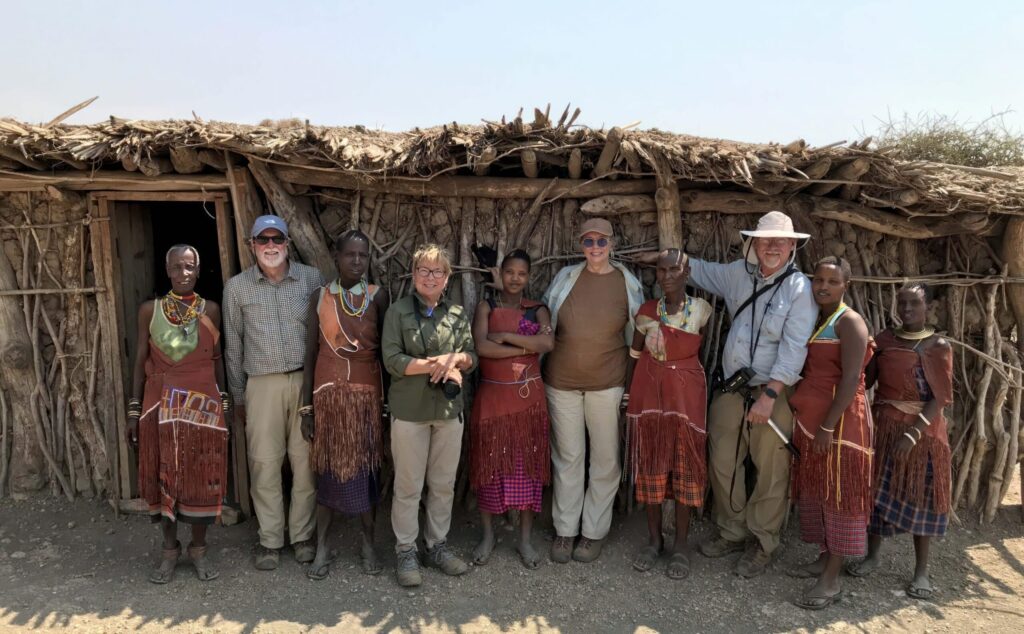
The landscape around Tarangire is Maasai territory, and several camps facilitate visits to traditional Maasai bomas (homesteads), offering insight into one of East Africa’s most distinctive and enduring pastoral cultures. These cultural experiences add significant depth to a Tarangire visit and are typically arranged respectfully and with direct benefit to local communities.
Honest Limitations of Tarangire
No safari destination is perfect, and intellectual honesty requires acknowledging Tarangire’s limitations:
- No rhino: Tarangire does not have black or white rhinoceros. If seeing rhino is a priority, Ngorongoro Crater or specialised private conservancies must be included in your itinerary.
- Dry season dust: The peak wildlife months (July–October) coincide with significant dust from red laterite soils. While this does not diminish wildlife sightings, it can affect comfort and photography in some conditions.
- Dense wet-season vegetation: Although the park is beautiful when green, the dense vegetation makes spotting wildlife more challenging than during the dry season.
- Limited infrastructure in parts: Some tracks in the southern section of the park are less maintained and may require true off-road capability during the wet season.
- Tsetse flies: Like much of Tanzania’s wildlife country, Tarangire has tsetse flies. Light-coloured, long-sleeved clothing reduces exposure. They are an irritant rather than a significant health risk for most healthy travellers.
Who Is Tarangire Best Suited For?
Tarangire is ideal for:
- Elephant enthusiasts seeking the most concentrated elephant viewing in East Africa
- Photographers drawn to the unique baobab and elephant combination
- Repeat safari visitors who have experienced the Serengeti and are seeking something different
- Birdwatchers targeting dry-country East African species
- Travellers who prefer a less crowded, more intimate safari experience
- Those with limited time who want a high-density wildlife experience close to Arusha
- Walking safari enthusiasts seeking one of Tanzania’s few parks to permit guided walking
Tarangire may be less suited to:
- Those with rhino as their primary safari target — add Ngorongoro to the itinerary instead
- First-time safari visitors who may prefer starting with the classic Serengeti–Ngorongoro circuit (though Tarangire is an excellent addition to this circuit)
- Those who cannot tolerate dust or tsetse flies during peak season
Recommended Itinerary Suggestions
Tarangire as a Day Trip (1 day)
A one-day visit — entering at dawn and departing late afternoon — is perfectly feasible from Arusha and delivers an excellent introduction to the park. However, a single day limits your chance of encountering wildlife at its most active on multiple occasions, and you will miss the atmosphere of spending a night inside the park entirely.
Two to Three Nights (Recommended Minimum)
Two nights inside Tarangire allows you to experience two full days of game drives, covering different areas of the park including the river loop, the northern woodlands, and the swamps in the south. Three nights begins to feel leisurely and offers the chance to pursue specific wildlife encounters — wild dogs, leopard, or a walking safari — at a relaxed pace.
Tarangire on the Northern Circuit
The most popular Tanzania itinerary combines Tarangire (2 nights) then Ngorongoro Crater (1–2 nights) then Serengeti (3–4 nights). This circuit delivers remarkable diversity — the intimate baobab wilderness of Tarangire, the dramatic caldera of Ngorongoro, and the vast plains of the Serengeti — and represents arguably the finest wildlife safari available anywhere in the world.
The Verdict: Is Tarangire Worth It?
Yes — unequivocally and enthusiastically. Tarangire National Park is worth visiting, and for a growing number of experienced safari travellers, it has become their favourite park in all of East Africa.
It offers something increasingly rare in modern safari travel: genuine wilderness, extraordinary wildlife concentrations, a landscape that feels timeless, and an experience that has not yet been overwhelmed by mass tourism. You will share the Serengeti’s plains with dozens of other vehicles during peak season. In Tarangire, you may watch a herd of three hundred elephants moving through ancient baobab groves in near-complete solitude.
The park demands some flexibility — it is at its best during the dry season, and its magic is most fully revealed when you spend at least two nights inside its boundaries. But meet those conditions, and Tarangire will almost certainly rank among the most memorable wildlife experiences of your life.
In a country blessed with extraordinary national parks and wildlife reserves, Tarangire stands apart — the elephant kingdom, the baobab wilderness, the hidden gem of the Tanzanian safari circuit. It is not just worth going. It is, for many travellers, the highlight of an entire African journey.
Quick Tips for First-Time Visitors | Visit June–October for peak wildlife. | Book accommodation inside the park. | Combine with Ngorongoro and Serengeti for the ultimate Northern Circuit. | Hire a knowledgeable local guide. | Rise early — dawn game drives are unforgettable in Tarangire.