 info@gorillatrekkinginafrica.com

How Many Days Do You Need in Tarangire National Park?
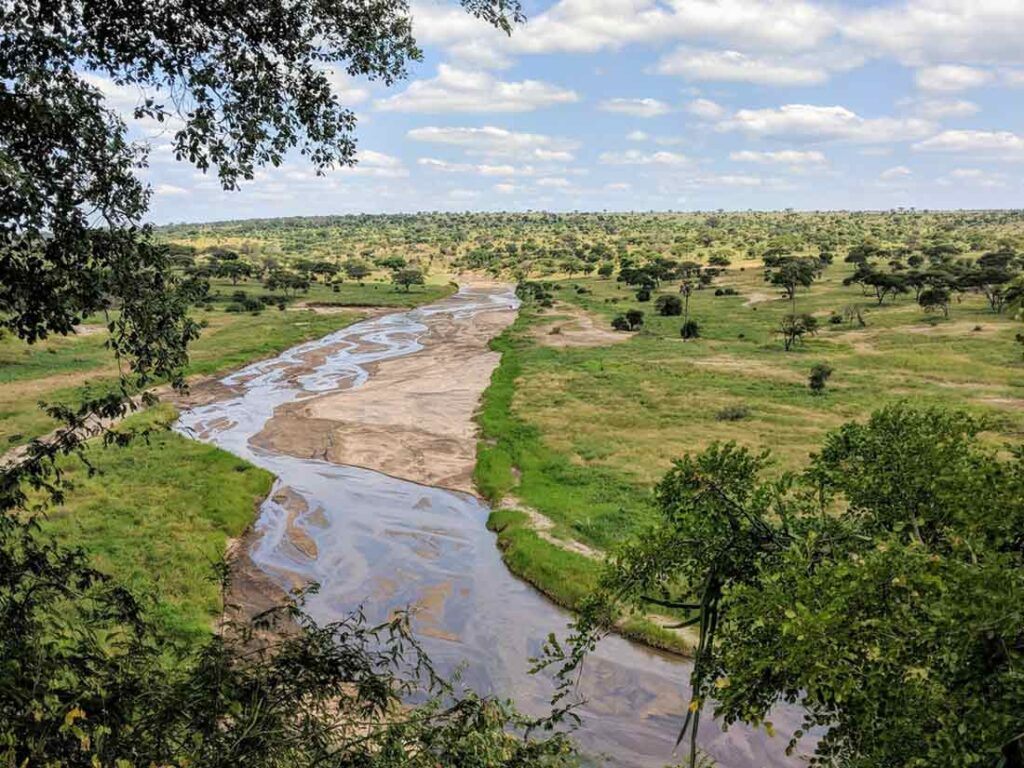
How Many Days Do You Need in Tarangire National Park?, Tarangire National Park is one of Tanzania’s most underrated safari destinations — and for those who discover it, often their most memorable. Famous for its massive elephant herds, ancient baobab trees, and the life-giving Tarangire River that draws wildlife from across the region during the dry season, this park offers an immersive safari experience that rivals any destination in Africa.
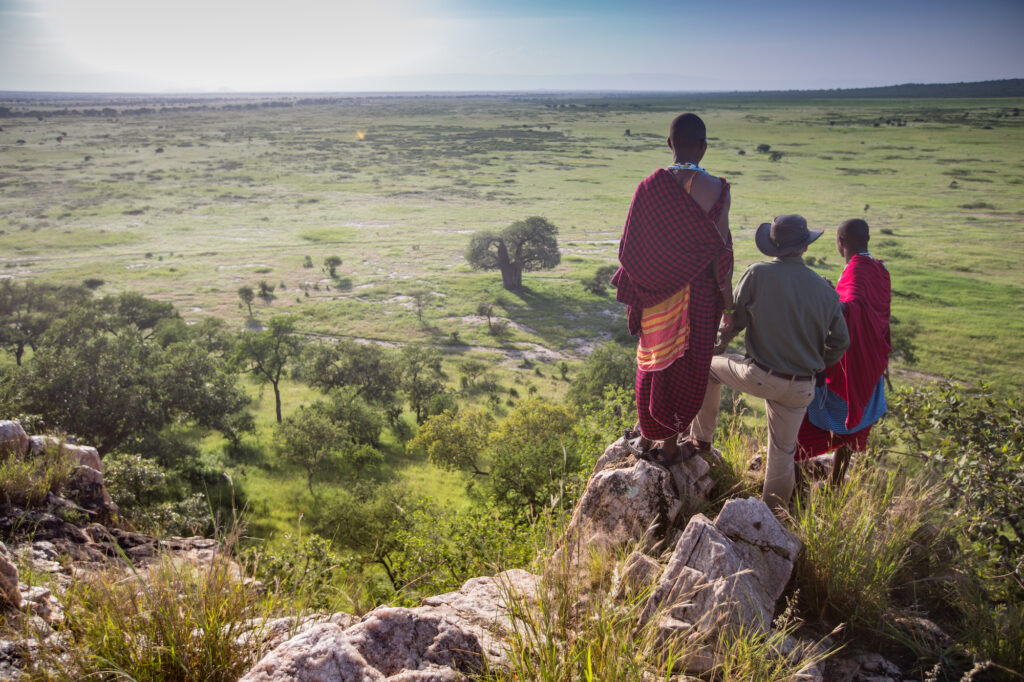
Yet one of the most common questions among travelers planning a Tanzania safari is: how many days should I spend in Tarangire? The answer depends on a variety of factors — your travel style, the time of year you visit, what wildlife you hope to see, your budget, and what else you plan to include on your itinerary.
This comprehensive guide breaks down everything you need to know to make the right decision, from quick one-day visits to extended multi-day explorations.
Quick Reference: Days in Tarangire at a Glance
| Duration | Best For | Verdict |
| 1 Day | Tight itineraries, day-trippers from Arusha | Doable but rushed |
| 2 Days | Budget travellers, first-time safari visitors | Minimum recommended |
| 3 Days | Most safari-goers wanting a full experience | The sweet spot |
| 4–5 Days | Dedicated wildlife photographers, repeat visitors | Ideal for depth |
| 6+ Days | Researchers, luxury seekers, endemic-species hunters | Maximum immersion |
Option 1: One Day in Tarangire
Is One Day Enough?
A one-day visit to Tarangire is possible, but it should be seen as a minimum introduction rather than a complete experience. Most visitors who spend only a single day leave wishing they had more time. That said, if you are constrained by a tight schedule, Tarangire rewards even a brief visit.
What You Can Realistically See in One Day
- Morning game drive along the Tarangire River, where elephant herds congregate in the hundreds during the dry season
- Sightings of zebra, wildebeest, giraffe, buffalo, and impala — all common in the park’s open grasslands
- Iconic baobab trees, particularly along the Silale Swamp area
- Birdwatching — Tarangire hosts over 550 bird species, making it a birder’s paradise even on a brief visit
- Possible predator sightings of lion and leopard, though these are less guaranteed in a single day
Practical Tips for a One-Day Visit
- Depart from Arusha as early as possible — aim for a 6:00 AM start to maximise morning wildlife activity
- Pack your own lunch or arrange a packed meal to avoid leaving the park at midday
- Focus your drive on the river circuit and Silale area for the best wildlife density
- Hire an experienced local guide who knows where to find concentrated wildlife
Option 2: Two Days in Tarangire
The Minimum Recommended Stay
Two days is the minimum stay that most safari experts recommend for Tarangire. With an overnight inside or adjacent to the park, you gain access to game drives at both dawn and dusk — the two periods when wildlife is most active. You also have the opportunity to explore different sections of the park, dramatically increasing the variety of what you will encounter.
Sample Two-Day Itinerary
Day 1:
- Arrive at the park entrance by 7:00 AM
- Morning game drive along the river circuit (3–4 hours)
- Lunch at your camp or lodge
- Afternoon game drive towards the Silale Swamp (2–3 hours)
- Sundowner drinks at a scenic viewpoint
- Evening at your accommodation inside or near the park
Day 2:
- Pre-dawn wake-up and sunrise game drive (this is often the most rewarding)
- Explore the northern section of the park — less visited, quieter
- Search for tree-climbing lions, a phenomenon unique to certain areas of Tarangire
- Afternoon walk safari with an armed ranger (where permitted)
- Depart by late afternoon
Option 3: Three Days in Tarangire
The Sweet Spot — Most Highly Recommended
Three days in Tarangire is the recommendation of virtually every experienced safari guide and operator. It gives you time to explore all major ecosystems within the park — the river floodplains, the swamps, the woodland savannah, and the remote northern wilderness — without feeling rushed.
With three full days, the rhythm of the bush begins to reveal itself. You start to notice individual animal behaviours, track herds across different terrain, and develop a feel for the park’s vast geography (Tarangire covers 2,850 square kilometres). You also have buffer time in case morning fog or midday heat disrupts a game drive — something that one- and two-day visitors cannot afford.
What Three Days Unlocks
- Deep exploration of the remote Mkungunero area in the park’s north — where few vehicles venture
- Multiple chances to observe predator-prey interactions, especially around the river at dusk
- Full birding circuits — Tarangire has species like the Ashy Starling and Yellow-collared Lovebird found nowhere else
- Walking safaris, night game drives (at select camps), and cultural visits to nearby Maasai communities
- Genuine immersion in the bush without the pressure of a tight schedule
Option 4: Four to Five Days in Tarangire
For the Dedicated Wildlife Enthusiast
Four or five days elevates your Tarangire experience from excellent to extraordinary. This duration is particularly suited to wildlife photographers who need multiple attempts to capture specific shots, birders seeking to compile comprehensive species lists, or travelers who simply want to slow down and let the bush set the pace.
Special Activities Worth Scheduling
- Hot air balloon safari over the park at sunrise — a perspective unavailable in many other parks
- Guided walking safari with a specialist naturalist for tracking and ecology education
- Extended photography sessions at the river crossing points during elephant migration
- Night game drives to spot nocturnal species including genets, porcupines, servals, and aardvarks
- Fly-camping in the wilderness — sleeping under the stars with nothing but canvas between you and the African night
Option 5: Six or More Days in Tarangire
Maximum Immersion — for the True Wilderness Seeker
Very few travellers spend six or more days in Tarangire alone, but those who do tend to form a deep and lasting bond with the park. An extended stay is ideal for researchers, conservation volunteers, or individuals seeking a fully off-grid, remote wilderness experience.
At this length, you can meaningfully explore the Game Controlled Areas bordering the park (Lolkisale and Mkungunero), participate in conservation projects such as elephant tracking with researchers from the Tarangire Elephant Project, and build a genuine understanding of the park’s complex ecology and seasonal patterns.
Best Time of Year to Visit Tarangire
The time of year you visit will significantly affect both the quality of your experience and the number of days you need to achieve your wildlife goals.
| Season | Months | Notes |
| Dry Season (Peak) | June – October | Best wildlife viewing; elephants concentrate by the river. Minimum 3 days recommended. |
| Short Rains | November – December | Fewer crowds, lush scenery, excellent birding. 2–3 days sufficient. |
| Long Rains | March – May | Some roads impassable; fewer visitors. For those who come, 2 days usually enough. |
| Green Season | January – February | Calving season; predator action increases. 3 days ideal. |
Key Wildlife and Attractions That Influence Your Stay
The Elephants of Tarangire
Tarangire supports one of the largest elephant populations of any national park in Africa. During the dry season (June to October), herds of several hundred elephants can be seen daily along the river — an extraordinary spectacle that alone justifies the visit. Watching these herds interact, play in the water, and care for their young requires time; one game drive will never be enough to fully appreciate it.
The Baobab Landscape
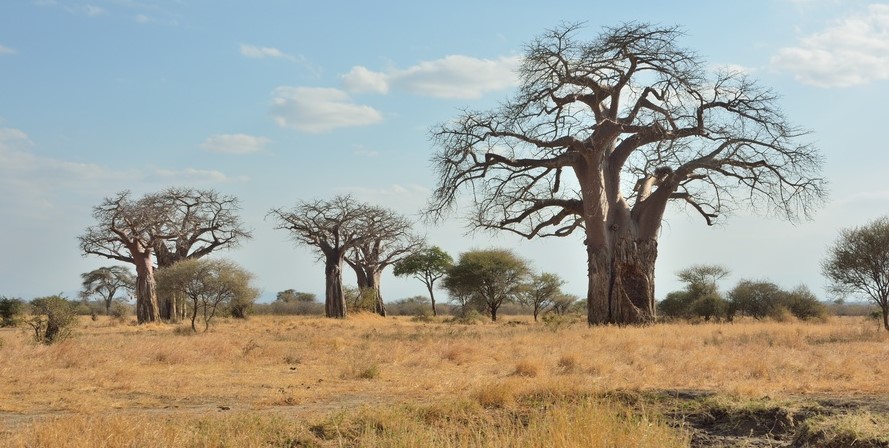
No other park in Tanzania offers the same density of ancient baobab trees. Some of these trees are estimated to be over a thousand years old, their enormous trunks rising from the savannah like living monuments. Photographing and exploring the baobab-dotted landscape is a pursuit that rewards slow, contemplative visits.
Birds of Tarangire
With over 550 recorded bird species, Tarangire ranks among Africa’s premier birding destinations. Species like the Rueppell’s Starling, Red-and-yellow Barbet, Rosy-patched Bushshrike, and the park’s iconic Yellow-collared Lovebird can be seen throughout the year. Serious birders should plan a minimum of three days to do the birding justice.
The Big Five and Beyond
While Tarangire is not a Big Five park in the classic sense (rhino are absent), it offers excellent opportunities to see lion, leopard, buffalo, and elephant. Cheetah are occasionally spotted in the open grasslands, and the park supports healthy populations of wild dog — one of Africa’s most endangered predators. Seeing wild dog requires patience and multiple game drives.
Accommodation Options and How They Affect Your Stay
Where you stay in and around Tarangire will significantly influence both how many days you need and the overall quality of your experience.
Inside the Park (Permanent Tented Camps and Lodges)
- Maximum wildlife access — game drives can begin before sunrise and end after dark
- Exclusivity and atmosphere — you wake up and fall asleep to the sounds of the bush
- Examples: Oliver’s Camp, Sanctuary Swala, Tarangire Treetops
- Higher price point, but the quality of experience justifies the cost for serious visitors
Outside the Park Gate (Mid-Range Lodges and Camps)
- More affordable options within 5–10 km of the main gate
- You lose time driving to and from the park each day (1–2 hours round trip)
- Suitable for travellers on tighter budgets who still want good wildlife access
- Examples: Maramboi Tented Camp (Lake Burunge), Tarangire Safari Lodge
Mobile Camps and Fly-Camping
- The most immersive and adventurous option — set up in remote wilderness areas
- Ideal for travellers spending four or more days in the park
- Generally limited to dry season operation (June to October)
Combining Tarangire with Other Tanzania Destinations
Tarangire is most commonly visited as part of a broader Northern Tanzania circuit. Understanding how it fits within a larger itinerary helps determine the optimal number of days to allocate.
| Itinerary | Days in Tarangire | Total Trip Length |
| Tarangire + Serengeti only | 2–3 days | 7–10 days total |
| Tarangire + Ngorongoro + Serengeti | 2 days | 8–12 days total |
| Full Northern Circuit (all 4 parks) | 3 days | 12–16 days total |
| Tarangire-focused Safari | 4–5 days | 5–7 days total |
| Tarangire + Lake Manyara | 2 days | 4–6 days total |
Practical Tips to Maximise Your Time in Tarangire
Timing Your Game Drives
- Early morning (6:00–9:00 AM) and late afternoon (4:00–7:00 PM) are peak activity periods — never waste these windows at your lodge
- Midday (11:00 AM–3:00 PM) is the heat of the day; lions rest, elephants retreat to shade. Use this time for lunch, rest, or birding
- Sunset game drives often produce the most dramatic moments — predators become active and the light is golden
Work with an Expert Guide
The single biggest factor in the quality of your Tarangire experience is not how many days you have — it is the expertise of your guide. An outstanding guide will know where the elephant herds gathered yesterday, where the lioness with cubs is denning, and which tree the leopard frequents. A mediocre guide with five days will show you less than a brilliant guide with two.
Carry the Right Equipment
- Binoculars are essential — a quality pair will transform your game drives and birding
- Cameras with telephoto lenses (300mm or longer) for wildlife photography
- Neutral-coloured clothing (khaki, olive, beige) — avoid white or bright colours
- Sunscreen, hat, and plenty of water for midday heat
- Field guides to Tanzania’s birds and mammals to help identify species independently
Final Verdict: How Many Days Do You Need?
The honest answer is: more than you think, and rarely as many as you wish you had brought. Tarangire has a way of capturing visitors completely, revealing new wonders with each passing game drive and leaving them reluctant to depart.
For most travellers, three days represents the optimal balance — enough time to genuinely explore the park, witness its extraordinary wildlife, and experience the rhythm of the African bush without monopolising the entire safari itinerary.
If your schedule allows only two days, embrace them fully and make every hour count. If you can extend to four or five, do so without hesitation — you will not regret it. And if you are fortunate enough to have a week to spend in this remarkable place, Tarangire will reward you with memories that last a lifetime.