 info@gorillatrekkinginafrica.com

Rules and Requirements for Gorilla Trekking
Rules and Requirements for Gorilla Trekking, the regulations for gorilla trekking were established to safeguard both the primates and the people who observe them. Tracking mountain gorillas is an exhilarating endeavor that demands thorough preparation and physical fitness to provide a great experience. We advise that during the activity, visitors adhere to the guidance and directives of the park Rangers. Approximately 1,000 mountain gorillas exist in the wild, and tourism is the sole dependable method for generating funds for their conservation. All gorilla subspecies are classified as endangered and require protection from diseases and any factors that may jeopardize their populations.
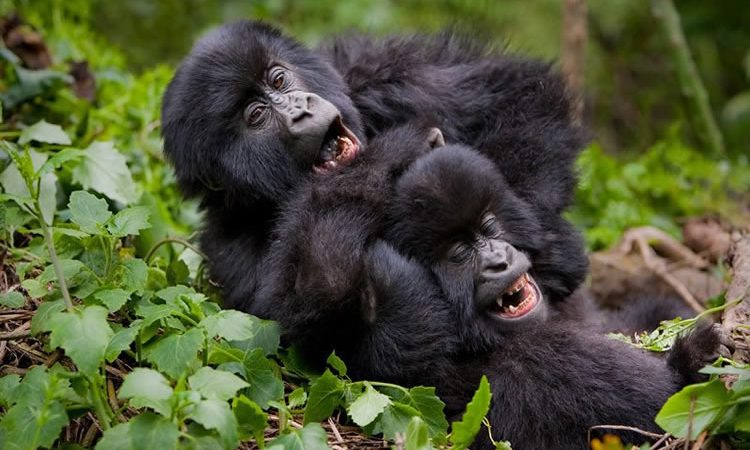
We have assembled a list of factors that tourists should contemplate before to embarking on a gorilla tracking expedition. The guidelines and regulations were established to mitigate illness transfer from humans to gorillas and to prevent unnecessary alarm among the primates. Mountain gorillas are susceptible to human infections due to their decreased immunity to diseases that impact humans. It is essential to acknowledge that despite the gorillas being habituated, they retain their natural nature and may exhibit suspicion towards humans. They exhibit fierce protectiveness over their offspring and would defend them to the death if endangered. It is essential to spend a brief period with the primates to allow them the opportunity to flourish and interact with their peers. The norms and guidelines for gorilla trekking are typically communicated to guests prior to the trek itself. Adhering to the gorilla trekking norms and regulations contributes to the protection of primates. Prior to discussing the regulations, you may find the gorilla trekking packing list or our essay on gorilla trekking for individuals with impairments to be of interest. You may like to explore the ethical considerations surrounding gorilla trekking.
Rules and Requirements for Gorilla Trekking
In accordance with the standards governing gorilla trekking:
One must be at least 15 years old to obtain a gorilla tracking permit. The age restriction for gorilla trekking is established at 15, as youngsters often transmit illnesses such as influenza, colds, chickenpox, and mumps that could infect the gorillas. This regulation is adhered very rigorously in Rwanda. Uganda may permit a mature 14-year-old, nearing 15, to monitor gorillas. They must disclose significant facts and obtain parental consent.
A yellow fever vaccination is required for entry into Uganda and Congo. Entry into Uganda via Rwanda may not necessitate a yellow fever vaccination. International travelers must obtain a visa to enter the territories of various gorilla tracking nations. The park authorities will request your passport following the briefing and prior to entering the jungle to verify your identity and validate your eligibility for gorilla trekking.
A maximum of eight individuals are permitted to see a gorilla group daily. A maximum of four individuals may participate in the gorilla habituation experience each day. This not only mitigates the risk of illness transmission but also diminishes disruptions to the gorilla group.
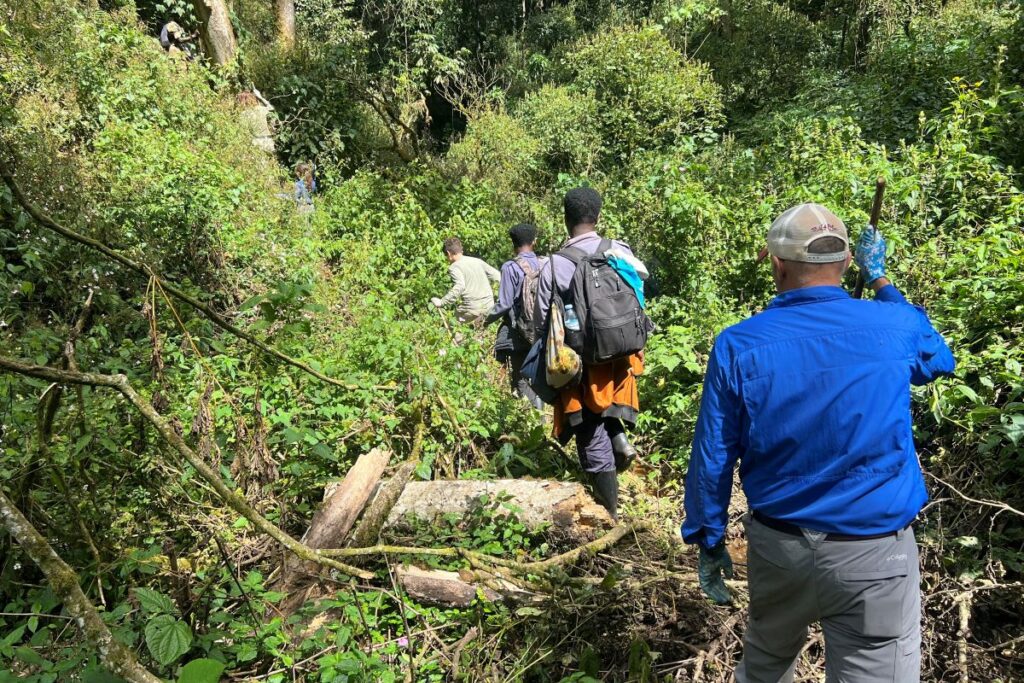
Monitoring gorillas necessitates traversing extensive distances in pursuit of gorilla families. It frequently entails ascending steep landscapes and navigating muddy pathways. One must possess a reasonable level of fitness and physical condition for an optimal experience. Senior passengers will be allocated to the closest gorilla families. The elderly may engage a porter to assist them in ascending to the group if desired.
Tracking mountain gorillas is prohibited for anybody infected with communicable diseases. The Rangers reserve the authority to prevent your continuation with the group if they believe the gorillas may be contaminated. Voluntarily stay behind if you are unwell or fear you have a contagious illness. You will receive a refund for the permit fee or be granted another opportunity once you are cleared and in good health. Gorillas readily contract human ailments such as diarrhea, influenza, and cough. Coughing adversely impacts gorillas significantly. Avert your gaze from the gorillas and shield your nose and mouth if you need to sneeze or cough. Be mindful that you may be harboring pathogens or an infection of which you are unaware. It is essential to ensure that your hands are clean before embarking on your walk. Face masks are consistently provided at the commencement of the walk.
Pay close attention and adhere to the instructions provided by the Rangers. Avoid speaking loudly when trekking to enhance your chances of observing birds and other forest fauna. Maintain a subdued tone while in the presence of primates. Should you need to converse, do so in hushed tones. Auditory disturbances may intimidate the gorillas, particularly if they are still in the habituation phase. If bitten by a bug or safari ant, refrain from shouting and alerting the gorillas. They may depart before one hour has elapsed, so diminishing the time spent with them. Inform the rangers of your predicament, and they will provide a solution.
Maintain the park’s cleanliness and ensure it is devoid of refuse that may transmit sickness to the gorillas. Tourists are prohibited from discarding handkerchiefs, used tissues, or canisters. The primates may ingest these objects, potentially leading to difficulties. If you need to use the restroom, inform the Rangers immediately. They will excavate a hole for you that you must thereafter seal to prevent the transmission of disease to the gorillas.
Refrain from removing vegetation to enhance visibility of the gorillas. This may instill fear in the primates. Permit the Rangers to undertake any necessary and feasible clearing. Refrain from consuming food, beverages, or tobacco in the vicinity of mountain gorillas. They may approach you out of inquisitiveness and attempt to take a bite. Residual food may have viruses detrimental to the gorillas.
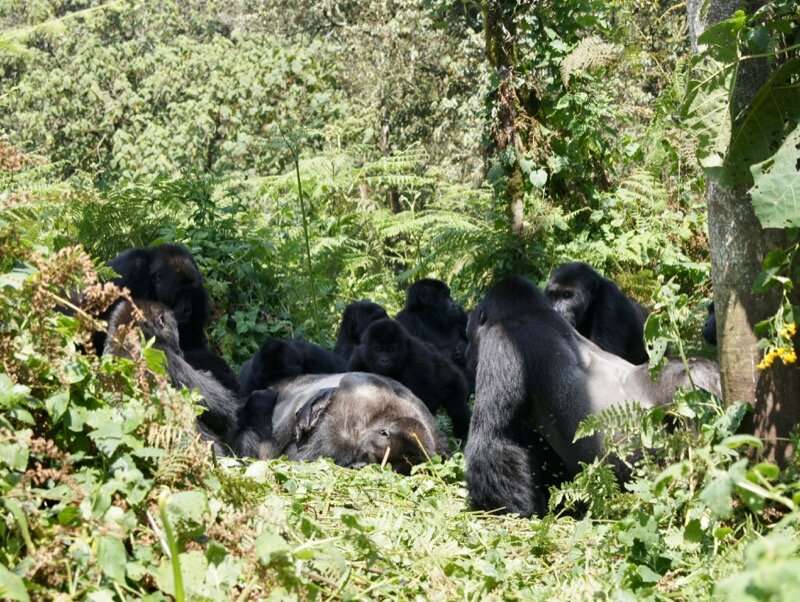
Maintain a minimum distance of 15 feet from the endangered mountain gorillas to limit the risk of transferring human diseases. Tourists should not encircle the gorillas but instead stay in a cohesive group during observation. The gorillas must be afforded ample freedom to navigate freely without experiencing feelings of confinement or intimidation. Maintaining a gap of 15 feet is crucial, particularly when a gorilla approaches you. Recede gradually. If retreat is unfeasible, the sole alternative is to remain still. Juveniles are notably inquisitive and will endeavor to examine you. Your belongings and bag should be secured and positioned to avoid attracting the curiosity of inquisitive youths. In addition to restricting disease transmission, maintaining distance will deter primates from becoming overly used to people. This will also deter the primates from exhibiting overly familiar or aggressive behavior towards groups that visit after your departure.
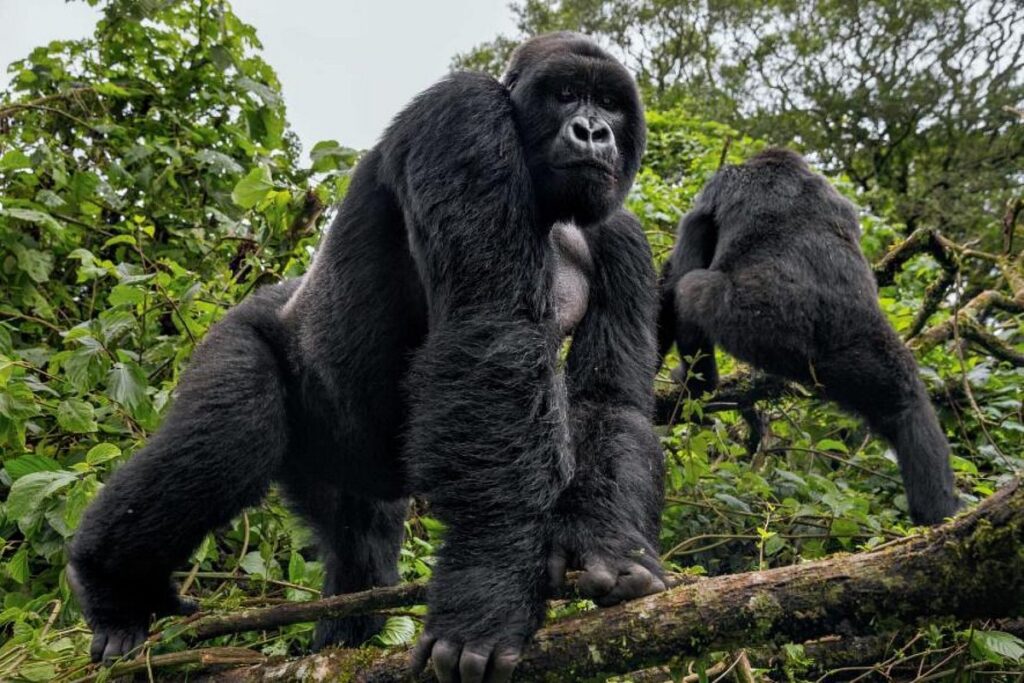
In rare instances where a mountain gorilla charges, crouch down gradually. Refrain from running; allow the gorilla to depart autonomously. The Rangers will be vigilant when a silverback commences chest-beating to assert supremacy. They are trained to pacify tourists in such situations and to prevent anyone from fleeing. Despite the intimidation and fear associated with charging, the most prudent course of action is to remain stationary. Maintain composure and refrain from abrupt actions.
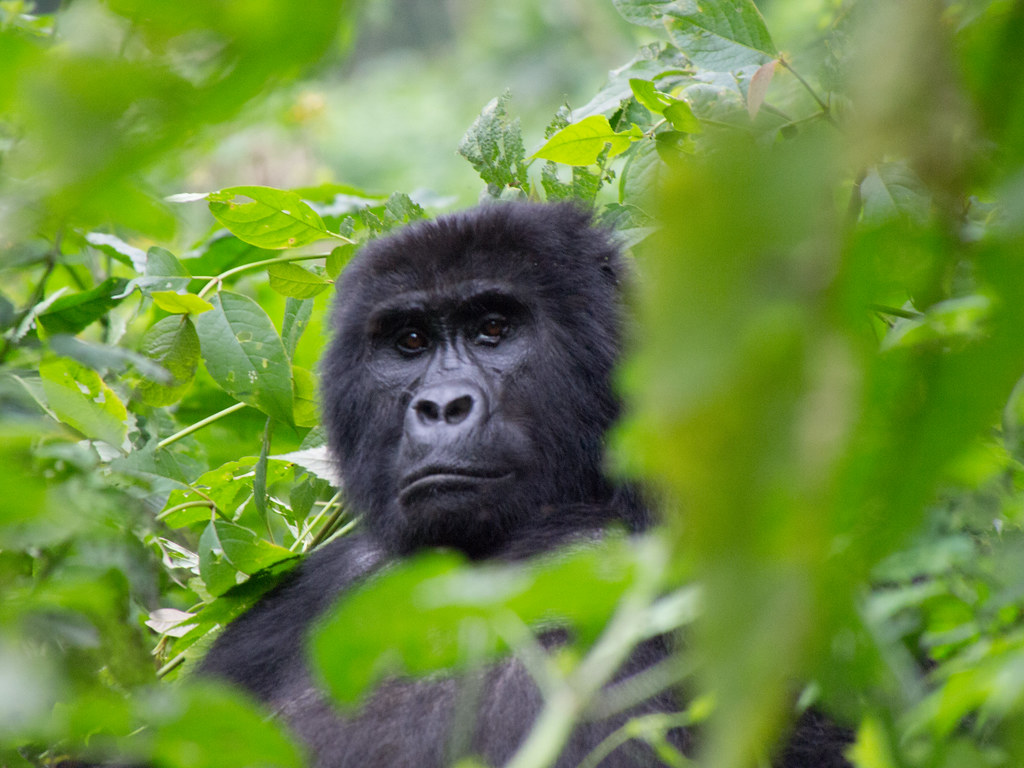
Refrain from direct eye contact with the gorillas, since they may interpret it as aggression. Your body language is significantly influential in the presence of gorillas. Avoid raising your arms or hands, as these may be seen as indicators of violence. Assuming a higher posture and maintaining a gaze may be perceived as hostility.
The Rangers will inform you when it is safe to commence taking photographs. When photographing mountain gorillas, remain composed and minimize your movements. Avoid using your flash to prevent provoking the gorillas to the extent of charging at you.
Avoid attempting to contact mountain gorillas, especially if they are observing you. They might misconstrue it as hostility.
Wearing vibrant colors may capture the attention of the gorillas. Wearing sunglasses is prohibited in the presence of the gorillas. They could observe their reflection in the glass, potentially prompting them to approach you for further information.
To optimize your gorilla trekking experience, don robust hiking footwear. The footwear must be suitable for ascending muddy and steep inclines. Depart from your accommodation with sufficient drinking water and a packed lunch. Precipitation is prevalent in the gorilla parks; therefore, it is recommended to bring a rain jacket and additional equipment for precautionary measures. Gorilla tourism transpires in regions characterized by dense woods and flora. Jagged grasses and tree limbs may cause abrasions on your skin. It is advisable to wear long pants and shirts. Tropical woodlands are replete in insects. The most effective method to control them is to obtain a quality insect repellent. Bring a pair of binoculars and a high-quality camera to photograph various forest fauna.