 info@gorillatrekkinginafrica.com

Pare Mountains
The South Pare Mountains in Tanzania traverse rural regions, providing exceptional and enchanting safari experiences due to its allure and the breathtaking vistas they offer to travelers and adventurers. During your exploration of the South Pare Mountains, you will encounter Tanzania’s concealed treasures, especially in the remote areas, and you will marvel at how the homesteads are affixed to the steep, handcrafted terraces, inviting curiosity from visitors.
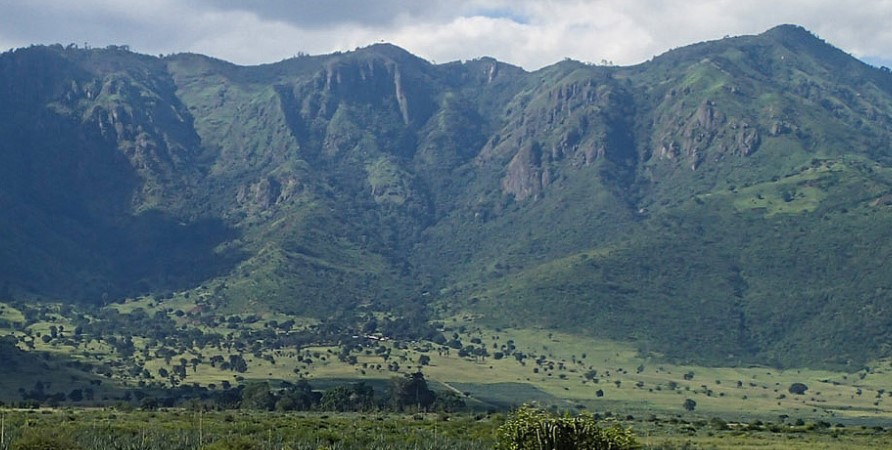
The southern Pare Mountains are situated in the Kilimanjaro Region, some 150 kilometers south of Moshi. The mountains, viewed from the adjacent farms, seem bleak and forsaken; nonetheless, ascending the slopes unveils one of Africa’s most distinctive vistas. Amidst colossal desolate rocks lie diminutive verdant waterways where ranchers have constructed remarkable stone terraces.
The Chome Forest Reserve, a lush tropical woodland including a variety of unique trees and flora, is situated atop the mountains. The forest offers a tranquil refuge of serenity, aesthetic appeal, and invigorating air. Guests can certainly traverse the woods for a whole day without encountering another individual. The neighboring settlements are among the most remote in Northern Tanzania, and the inhabitants have preserved their traditional Pare culture over the years. Restricted pathways traverse the highlands, commencing at one town and advancing to the subsequent one.
The tourist attractions here are located in the Mbagfa hills, which are rich in historical significance from the colonial era. The traditional and indigenous architecture of Palre remains prominent in the region, and the presence of multiple witch doctors draws numerous people from around the globe to observe them. Some individuals, however, traverse considerable distances from Arusha to the south to elucidate their peculiar issue.
The location also includes notable sites such as Malemeni Rock, where it is believed that infants were sacrificed to appease malevolent spirits. Circa 1930, this location is currently accessible for climbing or hiking following a briefing and instruction, offering an exceptional safari experience for visitors.
The Mgahimbi Caves, located a short distance from here, served as optimal refuges and habitats for local tribes throughout the slave trade era, and can be explored during half-day treks. Moreover, heightened spiritualism is evident in the exceptional tree fruits and banana palms of Ikongwe village, accessible via a full-day excursion from Mbaga, a picturesque locale where the indigenous populace believes their origins stem from the core of this unique region, fostering the development of local communities.
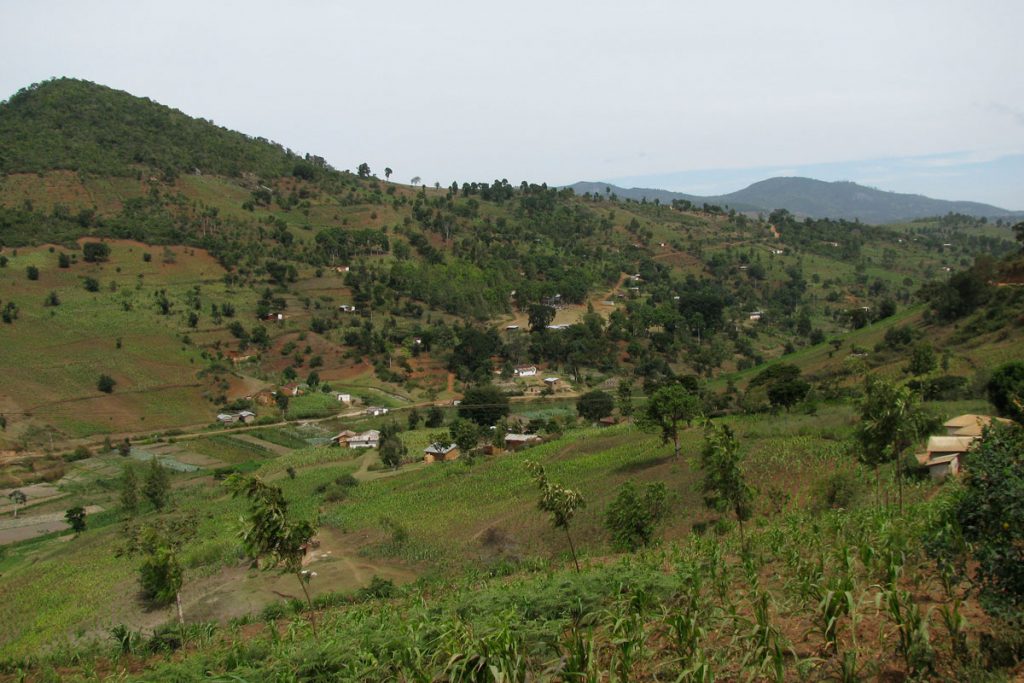
The Mapera viewpoint, situated atop Mapera Hill, has been designated to symbolize the harmony between the local community and both the Catholic and Protestant communities. During calm weather, the overlook serves as a tranquil locale for villagers to engage in leisure, offering spectacular vistas of Mount Kilimanjaro, the Mbaga Hills, and the Mkomazi Game Reserve. Full-day excursions can be organized to surrounding villages to observe households employing traditional methods for brewing beer or to do extended hikes through pristine forests such as Shengena Forest.
Camping beneath the stars allows for an early ascent of Shengena Peak, the highest elevation in the Pare and Usambara Mountains at 2,463 meters above sea level, where one can uncover new springs, observe bands of colobus monkeys, and relish breathtaking vistas of Same and Lushoto.
The Pare people (WA) are exceptionally hospitable and will greet you warmly. They are consistently eager to assist. This is authentic, unrefined Tanzania that is absent in more commercialized regions. The Pare populace can be categorized into two subgroups: the Ugweno, who communicate in Gweno and predominantly reside in the northern region of the Pare Mountains, and the Usangi, who converse in Chasu and inhabit the southern area. Currently, the Wapare predominantly cultivate tea, coffee, sisal (a fiber utilized for rope production and subsequently for baskets or mats), and bark bark (a strengthening factor derived from a local plant). Explore the regional gastronomy, engage with the exceptionally amiable inhabitants, and trek through the picturesque verdant Pare Mountains accompanied by a local guide.
The Pare Mountains are situated in the northeastern region of Tanzania. They undoubtedly pertain to the Kilimanjaro region and are situated adjacent to the more renowned Usambara Mountains. This area of the district is often overlooked by tourists due to its limited accessibility. If you inquire, this is indeed an unusual objective! In contrast, the Pare Mountains are not inferior in grandeur to the Usambara Mountains; they are exceptionally lush and verdant.
Historically, under their leader, Ghendewa, the Pare is recognized for possessing substantial and enduring capital. He commenced with a restructured military and established a cohesive clan with a “elevated social structure. Ghendewa was slain during combat against the Chagga. The Reverend Jacob Jenson Dannholz, a preacher from Leipzig, resided in Mbaga for around ten years from 1908 to 1917, founding a church and a farmhouse on Tona Moorland. Commonly referred to as “The White Man’s House,” it is officially designated as “Dannholz Cottage” in tribute to its builder. Since that time, the pastors have utilized it, and four rooms are accessible to tourists.