 info@gorillatrekkinginafrica.com

Attractions and Things to Do in Moshi
Attractions and Things to Do in Moshi ,Moshi is a town in Tanzania situated at the base of Mount Kilimanjaro. It is in close proximity to the Kenyan border. Moshi is distinguished by its exceptional landscapes and breathtaking vistas of the mountain from all angles. Moshi is situated at an elevation of around 890 meters, resulting in cool weather for the majority of the year. Moshi is one of Tanzania’s two principal coffee-producing towns, evident from the aromatic air emanating from the primary coffee processing facility. The volcanic soils on the mountain slopes are highly productive, facilitating the flourishing of coffee and bananas.
Three main tribal groups call Moshi home.
The groups comprise the Chagga, Pare, and Maasai. The Chagga constitute the predominant tribe in the town and its adjacent villages. They are recognized for their diligence, entrepreneurial insight, and amiable disposition. The Masai homesteads are located further north, distant from the town. The majority of the Masai in Moshi town are engaged as security personnel or participate in the sale of their traditional handicrafts and medicinal products. The predominant language in the town is Swahili; nonetheless, most individuals on the streets are proficient in English.
Moshi, a town known for coffee and sugar production, significantly relies on tourism for its economic vitality. The majority of tourists visiting Moshi do so en route to and from ascending Mount Kilimanjaro. Visitors frequent the town when on safari in the adjacent national parks of Serengeti, Arusha, Lake Manyara, and the Ngorongoro Crater. Regrettably, the majority of tourists allocate merely one or two nights to the town and hardly invest time in exploring it. Moshi presents numerous attractions for travelers, as will be shown in the subsequent chapters. Moshi has an array of attractions for travelers, including stunning landscapes, waterfalls, hot springs, dining establishments, nightclubs, museums, artisan stores, and remarkable wildlife. You may peruse a pertinent article regarding activities in Arusha or tourist sites in Dar es Salaam. An article regarding the activities in Zanzibar is also available.
Tourist Attractions in Moshi, Tanzania
Explore all corners of the town:
A premier method to explore the town of Moshi is by traversing its center and surrounding suburbs. This can be accomplished by walking, utilizing a dala dala, or employing a bicycle or motorcycle. The commencement place will vary based on your location; nonetheless, it is advisable to initiate your journey at the town center prior to proceeding to the suburbs. Commence by exploring the local stores, dining establishments, and interior thoroughfares of the town. Upon concluding your exploration of the town center, you may advance to the residential districts beyond the center and ultimately to the town’s slums. For optimal vistas of the town, we strongly advise unwinding in the lounge area on the uppermost floor of Selig Hotel. One might dedicate an entire day observing locals as they engage in their daily activities while appreciating the stunning vistas of Mount Kilimanjaro.
Study Swahili: Swahili is accessible to learn as each word is phonetically spelled. While survival is possible with proficiency in English alone, Tanzanians tend to favor individuals who possess some understanding of Swahili. The initial term to comprehend is “Jambo,” signifying “greetings.
Attend the Soweto Memorial Market:
Exploring the central market is crucial when visiting a new town. What is the reason? It is the optimal location to explore the lifestyle of the local inhabitants in Moshi. Only in a marketplace can one encounter individuals from all social strata. The Soweto Memorial Market in Moshi is ideal for house shopping if you are visiting for several weeks or months. This is the source for the freshest veggies, passion fruits, mangoes, avocados, and papayas. The center market additionally offers various home goods, indigenous textiles, and pre-owned clothing. The market is bustling, and if you are attentive, you may overhear some local gossip. Be ready to negotiate and anticipate elevated pricing for individuals perceived as international tourists.
Visit the Nightclubs and Bars:
Moshi may be a little town, however its inhabitants possess a fervent enthusiasm for celebration. From Friday evening until Sunday morning, the town vibrantly comes alive as nearly every adult engages in festivities. If you enjoy nocturnal festivities or seek a trendy venue to socialize and connect with new individuals, we propose Redstone, Pamoja Bar, the Police Mess, Malindi Club, Siesta Inn, Kool Bar, East Africa Bar, Black Diamond, Pub Alberto, Glaciers, and Peter’s Club in Moshire. Pamoja bar is a preferred gathering spot for volunteers, expatriates, and visitors. A resident DJ is performing the latest local and international music songs. Spend the evening engaging in billiards with fellow enthusiasts while staying updated on the latest sports news, or have a bottle of local beer such as Safari, Kilimanjaro, or Tusker. Konyagi is Moshi’s equivalent to vodka. Malindi Club features premier international hits and hosts local performers for live performances every Friday evening. If you prefer quieter environments, choose Kool Bar or Peter’s Club. These two reasonably tranquil social venues are in proximity to one another and are ideal for conversing with friends. For the finest cocktails, Chicken BBQ, and exceptional music, visit Glaciers.
Climbing Mount Kilimanjaro:
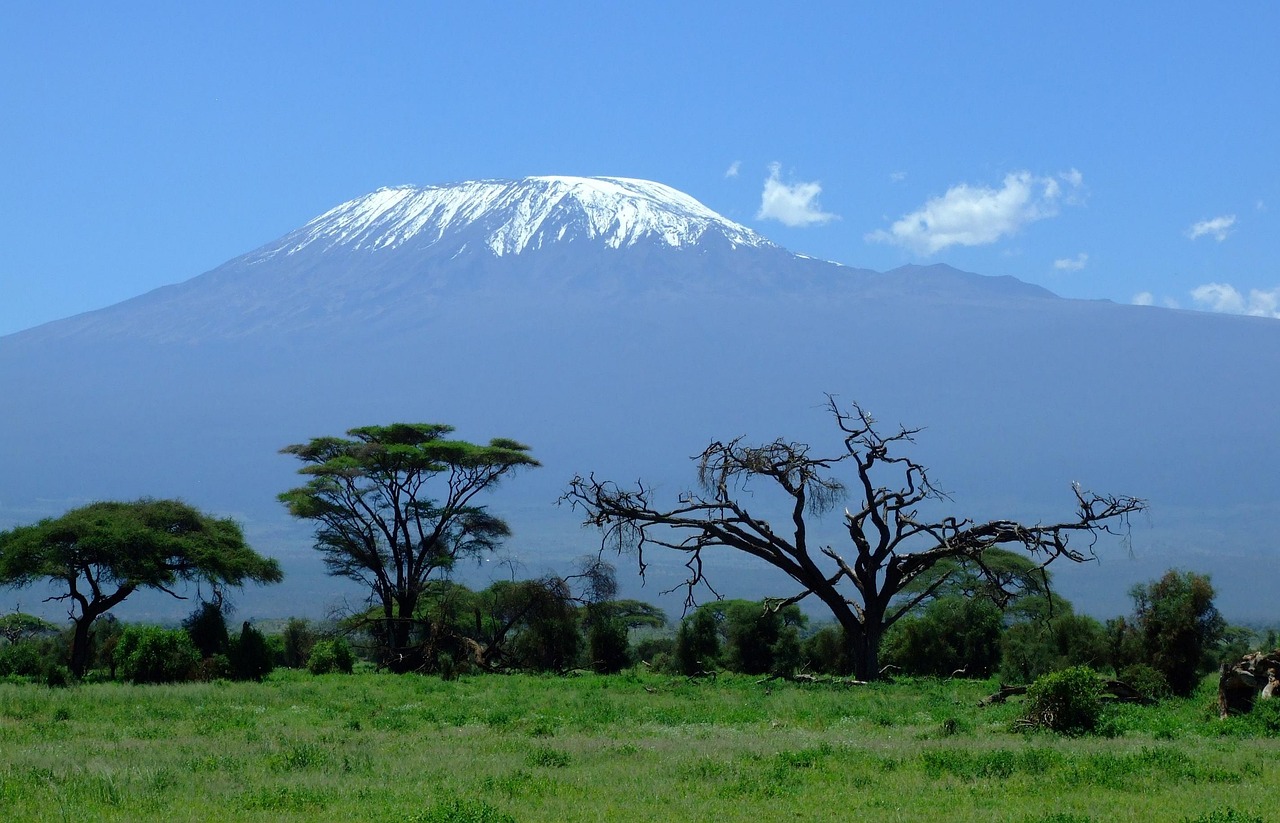
The most striking feature visible upon arriving Moshi is the magnificent snow-capped summit of Mount Kilimanjaro. This inactive volcano is the tallest mountain in Africa. It ascends to 5,895 meters above sea level, with its summit occasionally designated as the “Roof of Africa. Mount Kilimanjaro attracts over 45,000 travelers annually, and attaining its peak is regarded as one of the most arduous endeavors globally. One need not be an experienced mountaineer to reach the summit. What is required is mental readiness and a requisite degree of physical fitness. Ascending the mountain requires five to 10 days, contingent upon your financial resources, physical capability, and available time. Seven distinct trekking paths up to the summit: Umbwe, Shira, Rongai, Mweka, Marangu, Machame, and Lemosho. Every route provides a distinct experience regarding scenery (fauna, volcanic formations, woodlands, coffee, and banana plantations) and climate zones. The Machame route is considered the most challenging yet offers the most picturesque views. Whichever way you select, you will be rewarded with magnificent vistas of the adjacent cities, national parks, and Mount Meru. If you have limited time or a constrained budget, you may choose the one-day Mount Kilimanjaro walk to the Mandara hut.
Hiking Mount Meru:
Hiking Mount Meru is regarded as an excellent preparatory terrain for individuals intending to trek Mount Kilimanjaro. It is the second tallest peak in Tanzania, standing at 4,566 meters, and is among the highest in Africa. Hiking Mount Meru is an alternative for individuals who consider Kilimanjaro prohibitively pricey. Numerous hikers consider the ascent of Mount Meru superior to that of Kilimanjaro due to the picturesque landscape and the opportunity to encounter wildlife in Arusha National Park. Anticipate premier destinations in Moshi, Tanzania, to discover the renowned Momella Lakes, appreciate the remarkable biodiversity, and observe wildlife.
The Kilimanjaro Marathon:
This occurrence occurs annually in early March. Individuals, irrespective of their fitness levels, enroll to participate in three racing categories: 5, 21, and 42 kilometers. Should you travel in March, make certain to partake. You will relish the experience and find enjoyment in engaging with the local populace. The running paths traverse some of the finest areas of Moshi, Tanzania, encompassing both urban and rural landscapes.
The Pare Mountains:
The mountains are located in a tranquil area, south of Moshi. The mountains are largely uncharted as the majority of trekkers favor the challenges presented by Kilimanjaro and Meru. Nonetheless, if you have a passion for unique experiences and environment, you will find the Pare Mountains remarkable. They are encircled by picturesque woodlands and exceptional hiking paths that will captivate any intrepid visitor. Additionally, one may explore the adjacent Lake Jipe to engage in fishing with local fisherman or observe hippos and elephants, particularly during the morning hours.
Engage in Golf at the Moshi Club:
Moshi town boasts one of the oldest and most exquisite golf courses in Tanzania. The 9-hole golf course is located at the base of Mount Kilimanjaro, approximately 4 kilometers from the town center of Moshi. The golf course encompasses around 90 acres and is affiliated with the Tanzania Golf Union, which oversees all golfing operations in the nation. The Moshi Club oversees the golf course and was established in 1920. Throughout the years, the Club has organized and triumphed in numerous national golf competitions. The club comprises approximately 100 members, however not all are actively engaged. Many join the club for the status and opportunity it provides for establishing significant relationships. Anticipate the presence of international tourists, local entrepreneurs, and politicians.
Hire a Bike of Motorcycle for a town tour:
If you are uninterested in boda bodas, taxis, and dala dalas, you may rent a motorcycle for the duration of your stay in the town. Motorcycles and bicycles offer comfort and versatility. There is no reason for concern regarding traffic in Moshi.
Tours of Coffee and Banana Plantations:
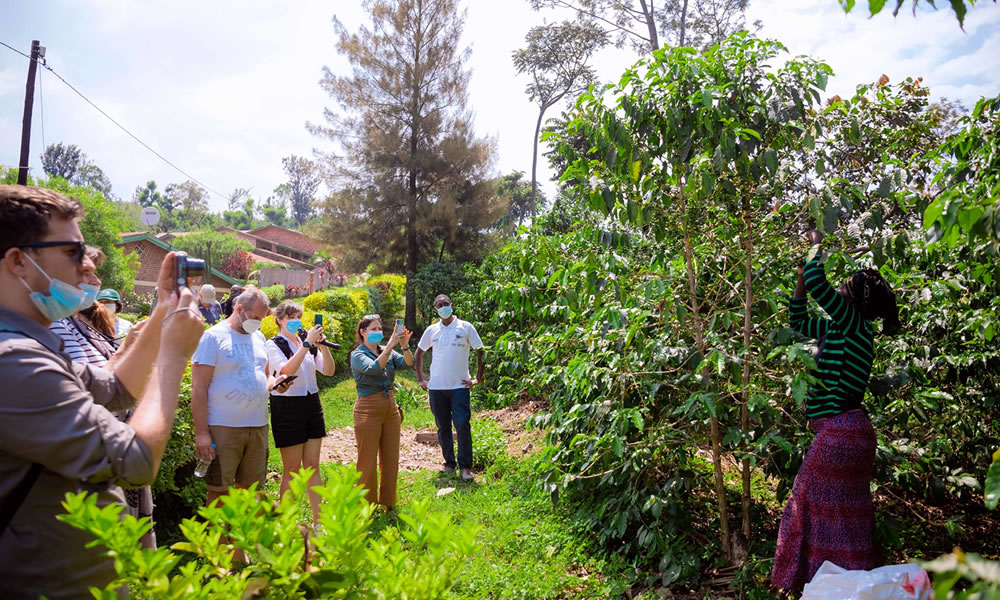
Moshi, renowned for its coffee, is an ideal destination to explore the cultivation and processing of the beverage. The majority of private coffee farms are located at the base of Mount Kilimanjaro and in settlements such as Materuni. To access the plantations, it is advisable to hire a personal vehicle or utilize a dala dala for a journey of around 15 kilometers. The coffee tour is frequently conducted by a farmer. Anticipate acquiring knowledge on the comprehensive coffee cultivation process, including planting techniques, optimal seasons, roasting methods, and market strategies employed by growers. Visiting the private coffee estates will provide you with direct insight into the challenges involved in producing the final products. If time is limited, you may opt to procure coffee locally at a reasonable cost. The Coffee Union, located in the city center, is the preeminent Arabica coffee store in the area and has been operational since the 1930s. It is important to note that, in addition to coffee, bananas thrive exceptionally in Moshi. The majority of bananas are consumed as food or utilized in the production of local beer.
Engage in Volunteering:
Volunteering is one of the most effective means of contributing to society. Several organizations are prepared to accept volunteers. One may register to instruct in a school, engage in a clinic, or collaborate with adolescents and women in the community. If you are currently in town, the most effective method to secure a volunteer assignment is to contact local schools, churches, and clinics to inquire about their volunteer opportunities. Most enjoyable activities in Moshigladly will readily accommodate overseas volunteers. If you are not currently in the nation, you may seek a volunteering opportunity through a volunteer group or your tour company. It is essential to invest time in understanding their business and to explore their website to ascertain their activities. Numerous charitable groups in Africa possess commendable goals yet suffer from inadequate funding or ineffective administration. Disregard these shortcomings and concentrate on the overarching objective of creating an effect and attaining a fulfilling experience. Organizations to consider for volunteer opportunities include Global Volunteer Programs Kilimanjaro, Light of Africa, Moyo Mmoja, Give a Heart to Africa, Hostel Foot Prince, Teatem, and World Unite. Each of them possesses a website, and you only need to conduct a Google search for each one.
Chemka/Kikuletwa Hot Spring:
Chemka is among the most exquisite natural hot springs in Tanzania. It is situated in the center of a desolate terrain (the Sanya plains) within the settlement of Rundugai. Activities in Moshi, Tanzania: The heated water originates from subterranean sources and is sufficiently warm for swimming upon reaching the surface. Rundugai settlement is situated between Moshi town and Kilimanjaro Airport. One may have spectacular vistas of two of Africa’s highest peaks, Mount Meru and Kilimanjaro. The waters possess a calming influence and are encircled by picturesque landscapes, baobab trees, and natural caves. In addition to swimming in the hot spring, one can engage in primate observation, birdwatching, and cultural trips to a native tribe in the vicinity. If you deem the location remarkable, you may opt to camp overnight. The journey to the hot spring requires 1.5 hours of driving by road.
Explore the Masai Cultural Museum and Village (Olpopongi):
The Masai are undoubtedly one of Africa’s most fascinating tribes. The Masai are connected to the Nuer and Dinka tribes in South Sudan. They are comparatively tall individuals and distinguish themselves from others, particularly when adorned in their vividly colored shukas. The majority of the Masai are nomadic pastoralists residing near national parks in Tanzania and Kenya. Numerous individuals today traverse various towns in an effort to sustain themselves financially.
To comprehend the Masai and their lifestyle, one must visit the Masai Cultural Village and Museum located in the western region of Kilimanjaro. This cultural community is located 74 kilometers from Moshi town, situated between Arusha and Moshi. The Centre offers a distinctive chance for guests to engage with genuine Masai culture and lifestyle. It was constructed by the government to prevent tourists from visiting individual Masai residences. The Masai Cultural Village was constructed to mimic a traditional Masai dwelling. It is an expansive site featuring Manyattas, kraals, and Maasai individuals. During your visit to the community, you can get knowledge about their religious, political, and social frameworks. You will explore the roles of the husband and wife within the family structure. The Masai are amicable and eager to impart knowledge regarding their history, nomadic lifestyle, and its relation to numerous national parks in the vicinity.
Buy souvenirs from artisan shops:
One of the most intriguing aspects of travel is obtaining an item that will perpetually evoke memories of a specific location. Tanzanians are exceptional artisans, offering numerous alternatives and locations for purchasing souvenirs. Notable souvenir shops include Blue Zebra in Kibo Tower and Chui’s Trading Limited. Blue Zebra offers a selection of handcrafted purses, toys, and locally made apparel. Chui’s Trading Limited offers artisanal items, indigenous textiles, and commemorative T-shirts. Do not confine your choices to these two, as there are additional artisan businesses deserving your consideration. Most hotels possess their own souvenir stores; nevertheless, they tend to be quite costly.
The Materuni Waterfalls:
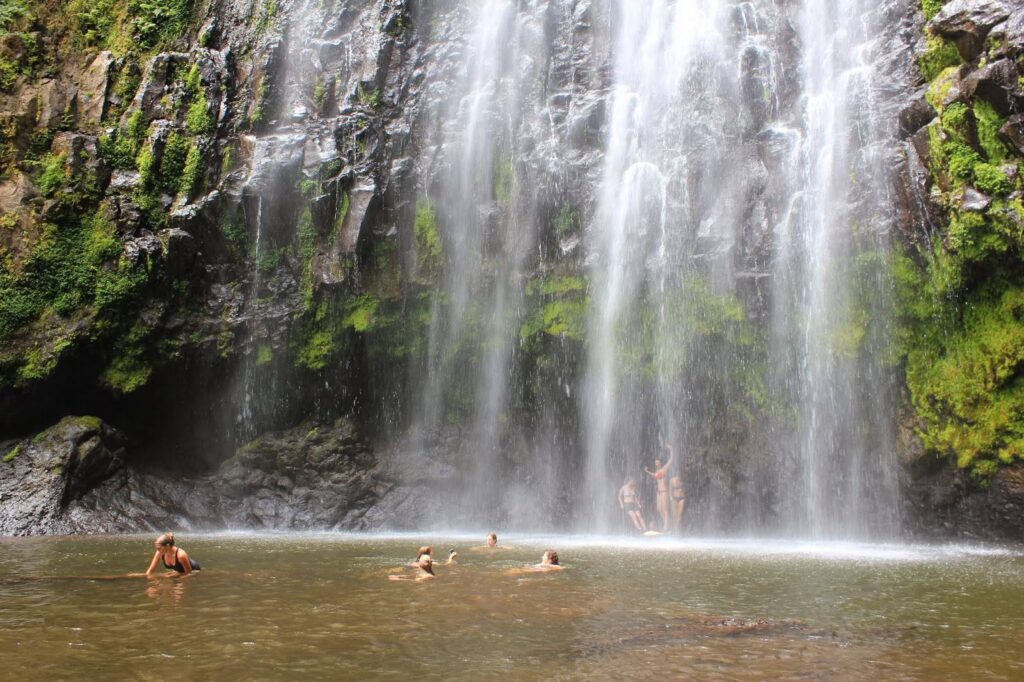
The Materuni Waterfalls are located near the town of Moshi. They are encircled by picturesque valleys, hills, coffee and banana plantations, and rainforest. Day tours are organized to explore this concealed treasure, featuring waterfalls and offering stunning vistas of Mount Kilimanjaro and Moshi Town. Ascending to the summit of these waterfalls can be physically arduous, particularly for those who are not mentally equipped or accustomed to traversing high terrain. During their journey to or from the waterfalls, guests may engage in a cultural experience with the predominant indigenous tribe. The Chagga people in the region are recognized for cultivating extensive coffee and banana plantations. They are an exceptionally progressive, resourceful, and industrious tribe.
Tarangire National Park:
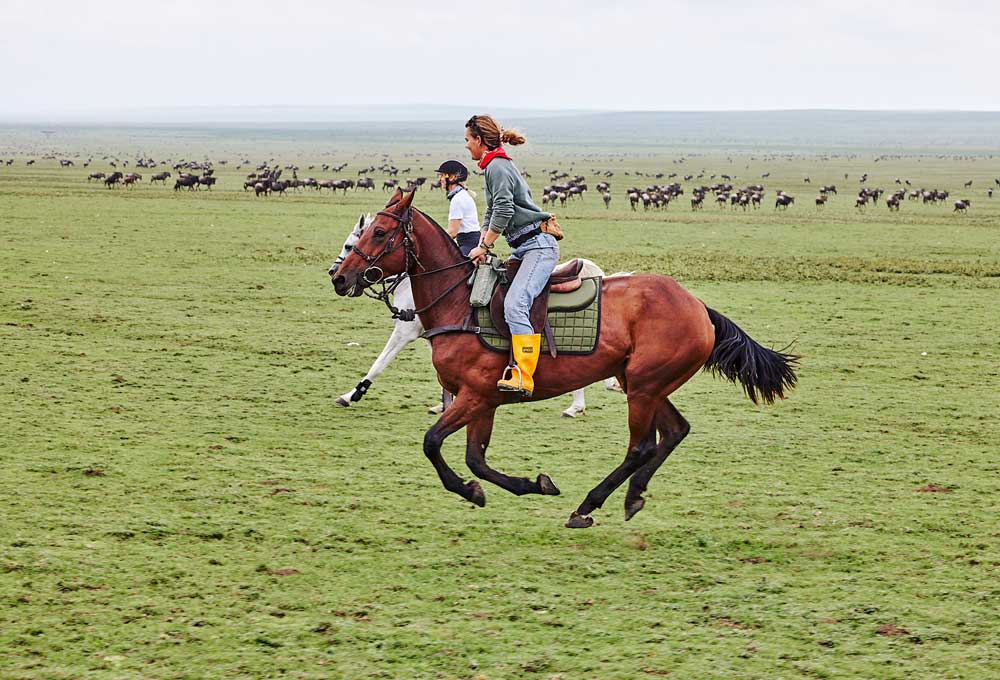
The acclaim of Serengeti National Park has deterred numerous tourists from uncovering one of Tanzania’s authentic treasures, Tarangire National Park. If it were located in a destination renowned for attractions, such as Rwanda, it would attract tenfold the current number of visitors. A safari in Tarangire National Park is comparatively economical than one in the Serengeti. Additionally, one may observe numerous creatures of the Serengeti, including lions, giraffes, gazelles, impalas, leopards, cheetahs, wildebeests, zebras, and the highest population of elephants globally. The majority of the animals gather near a substantial waterhole adjacent to the park entrance. The optimal period to visit Tarangire is from June to October. Numerous park species move to other national parks from November to May; however, you can still observe those that remain.
Explore Lake Chala:
Lake Chala is a crater lake located at the base of Mount Kilimanjaro, straddling the boundary of Kenya and Tanzania. It was established 3 million years ago due to a significant volcanic explosion. The lake is encircled by a crater rim that rises 100 meters and has a depth of around 3 kilometers, rendering it the deepest inland water body in Africa. The lake’s color varies throughout the year, shifting from deep blue to crystal clear in some months. The majority of the water is depleted and replenished by subterranean streams.
A day excursion to the crater lake offers visitors spectacular vistas of the surrounding region, Mount Kilimanjaro, and the savannah plains. The lake provides a unique serene atmosphere, invigorating air, and a chance to connect with nature. One may engage in birdwatching, kayaking, canoeing, and nature hikes in the forest encircling the lake. On a favorable day, one may encounter a troop of elephants refreshing themselves by the lake’s beaches, along with monitor lizards, small monkeys, baboons, and snakes. Lake Chala is an ideal location to retreat from the town’s clamor, situated about an hour’s drive from the town center. We advise that you allocate a minimum of one night in a decent tented lodge at the location. The government imposes a little fee for access to the lake region.
Kilimanjaro Animal Team:
This establishment is located on the slopes of Mount Kilimanjaro near Makoa Farm. The Centre was established to accommodate rescued, injured, and orphaned animals from local national parks. In Moshi, animals are returned to their natural habitat with the arrival of new individuals at the institution. Kilimanjaro Animal Crew educates individuals on the significance of wildlife protection. A substantial population of primates inhabits the vicinity of the facility, and visitors should anticipate close interactions with tiny monkeys and chimpanzees. Additionally, there are several species of cats, wild donkeys, bush pigs, duikers, and marabou storks, among other fauna. The animals exhibit both domesticated and feral behaviors, necessitating caution when feeding or approaching them. A standard day at the Centre include traversing the facilities and observing all the animals under the supervision of a qualified Guide. The optimal time to visit the facility is at 4 PM during feeding hours.
The Historic Town Railway Station:
The historic Moshi Railway Station was constructed during the German colonial period in 1912. The station is currently inactive and seems deserted to the goats and cows. It remains worthwhile to see, particularly if you have no evening plans. One might observe obsolete carts that are no longer utilized or remain still while admiring Mount Kilimanjaro. Residents utilize the antiquated railway rails as thoroughfares for their journeys to and from the town. Upon concluding your exploration of the station, you may have a bottle of Kilimanjaro beer from a former booking office that has been converted into a bar.
Explore Marangu Village:
This town is situated on the lower inclines of Mount Kilimanjaro. The Chagga people organize specialized trips prior to and during the ascent of Mount Kilimanjaro to explore waterfalls, distinctive attractions in the Moshi landscape, and their residences. A cultural trip in Marangu village encompasses the exploration of local cuisine, language, and traditional music and dance performances. One may also heed the elders as they recount tales regarding the tribe and the historical context of mountain climbing in the region. Included in the narratives is that of Dr. Hans Meyer, the inaugural documented European to ascend Mount Kilimanjaro in 1889. Hans ascended the mountain with a renowned local tribesman named Yohano Lauwo. Lauwo lived for more than 115 years and provided documented accounts of his excursions trekking Mount Kilimanjaro with several tourists until he reached the age of 70.
Arusha National Park:
This is among the smallest national parks in Tanzania. The park boasts diverse species, with notable features including Mount Meru, the Momela Lakes, and the Ngurdoto Crater. The Ngurdoto Crater in Moshi, Tanzania, was formed approximately 15 million years ago. It spans 3 kilometers in width and is abundant with avian species and other fauna. The primary activities at Arusha National Park include game drives, birdwatching, nature hikes, and seeing the Momela Lakes. The game drives provide guests with the chance to observe antelopes, blue monkeys, buffalo, elephants, giraffes, hippos, hyenas, leopards, warthogs, and zebras, among other species. Regrettably, due to the immense popularity of the adjacent Serengeti and Ngorongoro Crater, Arusha National Park attracts less visitors than it would if situated in a different country.
Try the Local Food:
Moshi may be a little town, however it offers a plethora of excellent dining options. Numerous Italian, Indian, Asian, and other continental restaurants are located both within and beyond the town center of Moshi, Tanzania. Tanzanians have a preference for meat; however, vegans can anticipate tailored accommodations at all dining establishments. Nearly all establishments provide local Swahili cuisine, including chapattis, Kiti moto (fried pork), Nyama Choma (goat meat), Kuku (chicken), and grilled bananas. Ugali is the national food, prepared from cassava, millet, or sorghum flour. Ugali is always consumed in conjunction with accompaniments such as boiled meat or fish. Consider sampling Tanzanian Samosa accompanied by tea at Pandya Tea Room. Additional excellent establishments for delectable local cuisine are Green Bamboo Restaurant, East Africa Pub, Kili Home, Maembe Café, Menu’s Bistro, Pamoja Café, Secret Garden Hotel, and Kaka’s Bar and Grill. If you are volunteering or residing in the town for an extended period, you may procure your own food and ingredients from the local markets. The meal can be prepared with assistance from a local acquaintance or by viewing a YouTube lesson.
Eat your favorite International Cuisines:
If you are disinclined to sample the local cuisine, you may opt to dine at one of the premier upscale restaurants or hotels in the area that provide international dishes. Delicious burgers and cuisines from Italy, Korea, China, and India are available. The cuisine is delectable, and the cost is likely significantly lower than in your homeland. The premier establishment for chips and burgers is Chrisburger, situated on Kibo Road. The fries accompany the fish and steak. Fresh Restaurant, located on Mawenzi Road, offers breakfast and snacks, including fried chips and chicken. Indoitaliano Restaurant adjacent to Shule Street provides exceptional Indian and Italian cuisines. For superior salads, pastries, pizzas, and baked eggs, patronize Key’s Hotel on Uru Road.
Additional details regarding a visit to Moshi Town in Tanzania
How do I reach Moshi?
The optimal method to reach Moshi is to first fly to Dar es Salaam and subsequently take another aircraft to Kilimanjaro Airport. From Kilimanjaro, one may either hire a taxi or await collection by the trip operator for tourism attractions in Moshi. Direct flights are available from Masai Mara and Nairobi to Moshi. Road transport is also available from Dar es Salaam, Nairobi, Kampala, and Arusha to Moshi. Nonetheless, road travel is arduous and necessitates extended driving hours. This should be pursued by individuals with financial limitations or those desiring to explore the distinctive African landscape. Buses represent the optimal choice for long-distance travel, with numerous firms such as Dar Express offering high-quality vehicles. For an optimal experience, we advise booking first class if possible.
How do I move around in town?
Upon arrival in the town, you have various transportation options available. The predominant mode of transportation is the local minibuses referred to as Dala dalas. These vans may accommodate up to 30 individuals and may also include domestic animals. It is an economical mode of transportation for tourists to access nearby settlements such as Marangu and Machame in Moshi, Tanzania. To obtain one, proceed to their primary parking area and heed the announcements from the conductors regarding their intended destinations. Dala dalas serve as an exceptional mode of transportation for individuals seeking to interact with the local populace. For a more private excursion, you may engage a personal cab, a boda boda, or utilize the services of a tour operator. Always wear a helmet when using a boda boda. Always verify that the boda, dala dala, or taxi is in satisfactory mechanical condition before to payment or entry. Boda bodas are inherently unsafe, particularly in the absence of a helmet. Several of the riders are recognized robbers in the vicinity; therefore, exercise heightened vigilance when utilizing their services beyond the city center.
International tourists must get a Tanzanian Visa upon arrival. A Visa can be obtained online or at all principal border crossings and airports. In addition to the Tanzanian visa, visitors must possess a yellow fever vaccination card prior to entering the country.
When is the best time to visit Moshi?
Moshi experiences two distinct seasons: rainy and dry. The optimal period for visitation is during the warm months of January to February and June to September. This is the optimal period to ascend Mount Kilimanjaro. Avoid the rainy season if you intend to ascend Mount Kilimanjaro during your visit to Moshi. Precipitation diminishes visibility and renders trekking trails treacherous. The precipitation is accompanied by increased cloud cover, so diminishing the quality of vistas on mountain hikes. Precipitation occurs from March to May and again from November to early December.