 info@gorillatrekkinginafrica.com
Is the Serengeti the Biggest National Park in the World?
Is the Serengeti the Biggest National Park in the World, Few names in African travel carry as much weight as the Serengeti. Its golden plains, river crossings, and thundering wildebeest herds have made it one of the most photographed and talked-about wildernesses on Earth. With a reputation this large, it is natural to assume the park itself must be the largest of its kind. The short answer, however, is no — the Serengeti is not the biggest national park in the world, nor even the biggest in Africa. What it lacks in raw size, though, it more than makes up for in ecological significance, and understanding the real numbers only deepens the appreciation for what makes this park so extraordinary.
How Big Is the Serengeti, Really?
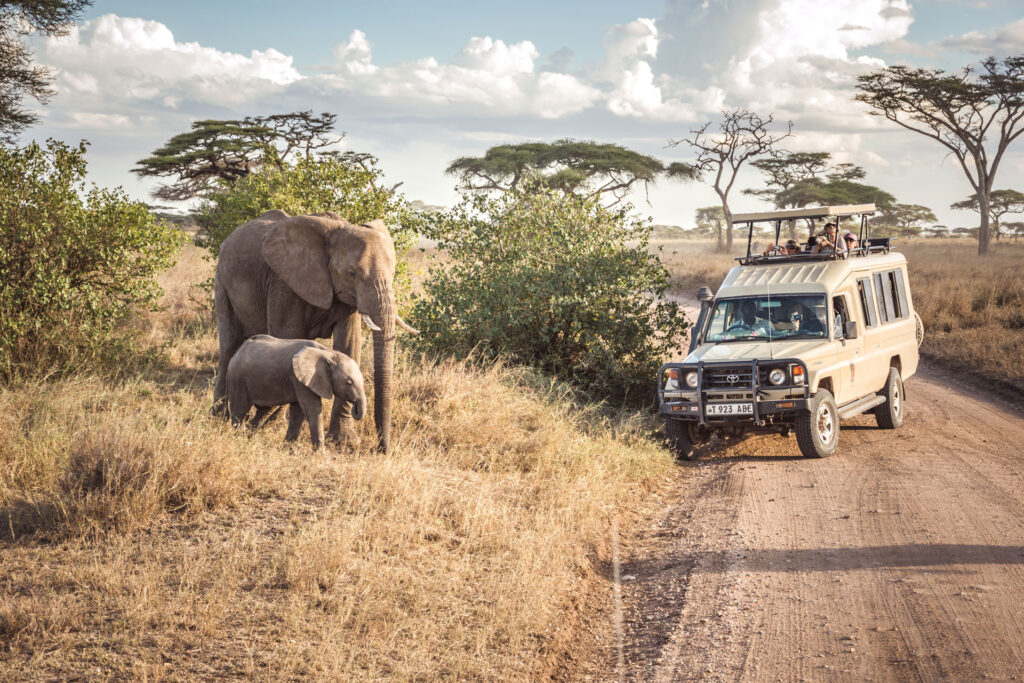
Serengeti National Park covers approximately 14,763 square kilometres (5,700 square miles) of northern Tanzania. That is a genuinely vast area — roughly the size of Connecticut, and large enough to swallow several smaller countries whole. It is the largest national park in Tanzania and one of the most celebrated protected areas in Africa, but on the global stage it does not even crack the top three.
Context matters here. The Serengeti is often confused with the broader “Serengeti ecosystem,” which includes the Ngorongoro Conservation Area, the Maasai Mara National Reserve in Kenya, and several adjoining game reserves such as Grumeti and Maswa. Together, this combined ecosystem spans around 30,000 square kilometres. But an ecosystem is not the same thing as a single national park, and it is the park boundary — not the wider landscape — that determines official rankings.
So Which National Park Is Actually the Biggest?
The title of the world’s largest national park belongs to Northeast Greenland National Park. Established in 1974 and expanded to its current size in 1988, it protects an almost unimaginable 972,000 square kilometres of Arctic tundra, fjords, and ice sheet in the remote northeast of Greenland.
To put that figure in perspective, Northeast Greenland National Park is larger than the entire country of Tanzania, and more than 60 times the size of the Serengeti. Around 80 percent of the park is buried beneath the Greenland Ice Sheet, and it is home to fewer than 40 permanent residents — mostly scientists, military personnel, and the famed Sirius dog-sled patrol. Polar bears, musk oxen, Arctic foxes, and walruses far outnumber the humans who live there.
| Quick Fact
Northeast Greenland National Park is so large that if it were a country, it would rank among the 30 largest nations on Earth — bigger than Nigeria, Venezuela, or Pakistan. |
Where Does the Serengeti Rank Among the World’s Largest Parks?
When measured purely by gazetted park area, the Serengeti sits well outside the global top three. Several African parks alone are larger than it. Kruger National Park in South Africa, for example, covers about 19,485 square kilometres, while Zambia’s Kafue National Park — one of the largest single national parks on the continent — spans roughly 22,400 square kilometres. The table below offers a simplified comparison.
| Rank | National Park | Country | Approx. Size |
| 1 | Northeast Greenland National Park | Greenland (Denmark) | 972,000 km² |
| 2 | Kafue National Park | Zambia | 22,400 km² |
| 3 | Kruger National Park | South Africa | 19,485 km² |
| 4 | Serengeti National Park | Tanzania | 14,763 km² |
This is not a complete global ranking, but it illustrates the key point clearly: by area, the Serengeti is impressive but far from unrivalled. Its fame rests on something other than sheer acreage.
Why the Serengeti Feels Like the Biggest Park on Earth
The confusion is understandable, and it says something important about what actually makes a safari destination feel vast. The Serengeti’s reputation is built on three things money cannot easily buy elsewhere:
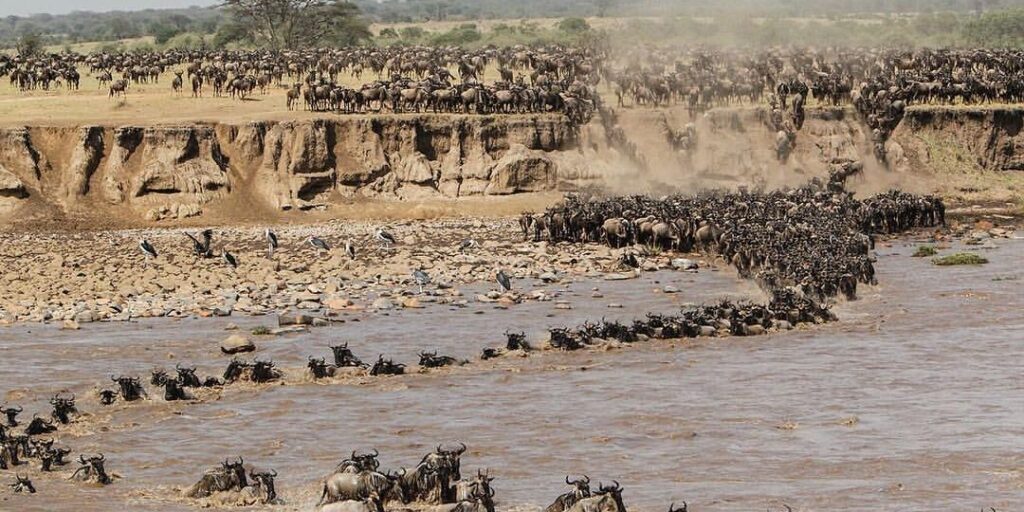
- The Great Migration — over a million wildebeest, plus hundreds of thousands of zebra and gazelle, moving in an unbroken annual circuit between Tanzania and Kenya.
- Unfenced, open horizons — the Maasai word siringet means “the place where the land runs on,” and the absence of fences across the wider ecosystem creates a genuine sense of endlessness.
- Density of wildlife — the Serengeti supports one of the highest concentrations of large predators anywhere in Africa, including an estimated 3,000 lions.
None of this requires the park to be the world’s largest. A landscape can feel limitless and still be modest on a map, particularly when its borders blend seamlessly into neighboring reserves with no fences to mark where one protected area ends and another begins.
Does the Ranking Actually Matter for Travellers?
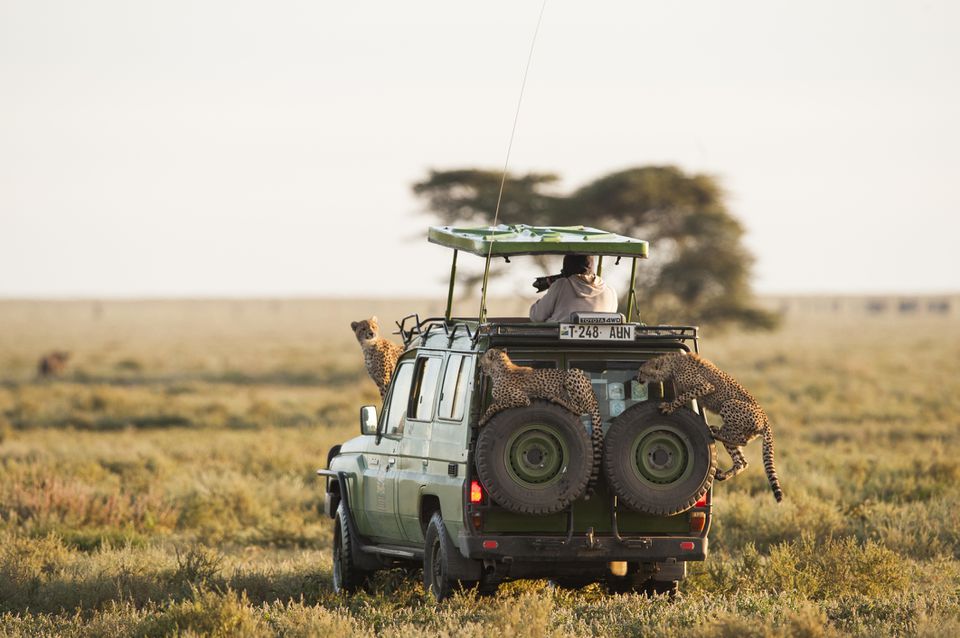
For anyone planning a safari, the Serengeti’s exact rank on a list of the world’s biggest parks is close to irrelevant. What matters on the ground is accessibility, wildlife density, and the quality of the experience — and on all three counts, the Serengeti remains close to unmatched. Northeast Greenland National Park, by contrast, has no roads, no lodges, and no commercial way in beyond a handful of remote cruise itineraries. Size alone does not make a destination practical, rewarding, or even visitable.
Travelers comparing safari destinations are usually better served asking about seasonality, migration timing, and which sector of the park suits their interests, rather than chasing superlatives that have little bearing on the experience itself.
The Bottom Line
No, the Serengeti is not the biggest national park in the world — that title belongs to Northeast Greenland National Park, at roughly 972,000 square kilometres. The Serengeti, at about 14,763 square kilometers, is not even the largest national park in Africa. What it offers instead is something arguably more valuable to travelers: an extraordinary concentration of wildlife, an annual migration unmatched anywhere on the planet, and a landscape that, fences or no fences, genuinely does feel endless.