 info@gorillatrekkinginafrica.com

Gorilla Habituation Experience in Uganda
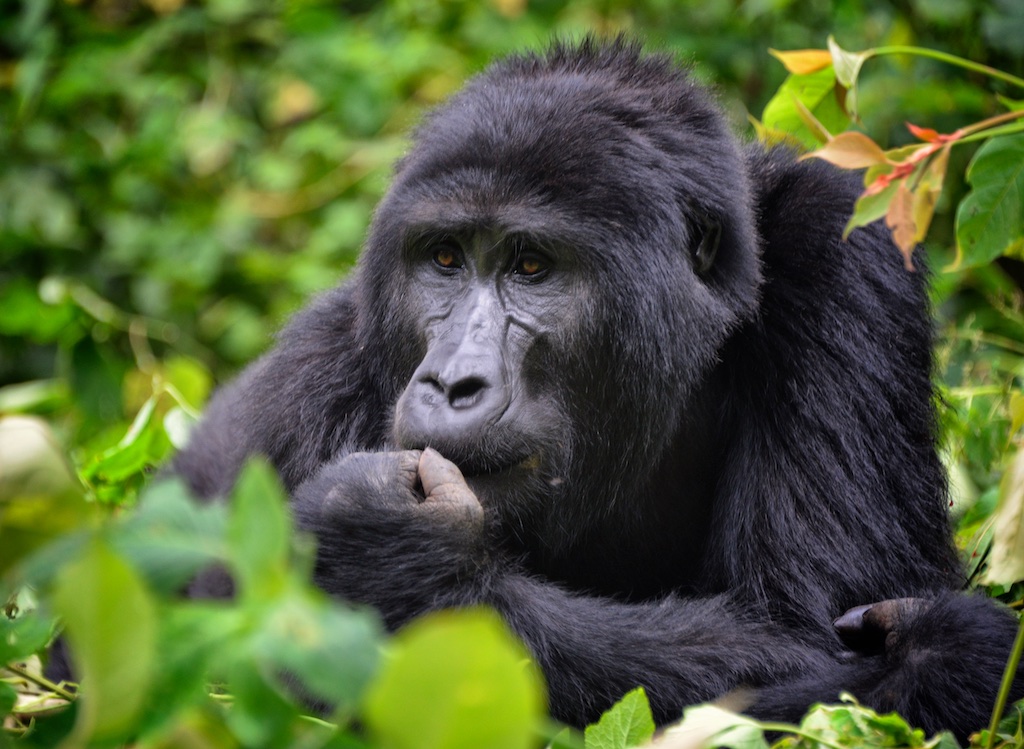
The Gorilla Habituation Experience in Uganda offers a remarkable four-hour interaction with mountain gorillas in Bwindi Impenetrable National Park. In recent years, viewing wild mountain gorillas has become as one of the most sought-after animal experiences during an African safari. Every year, tourists from around the globe journey to Africa just to observe mountain gorillas. These colossal primates are exclusively located in East and Central Africa. They are at ease in the deep, humid, and mountainous forests of Bwindi, Volcanoes, Mgahinga, and Virunga National Parks.
Mountain gorillas, akin to other wild animals, possess an inherent fear of humans. They will either retreat or exhibit aggression when confronted by people. Gorilla charging is infrequent but may transpire if a wild group is approached without prior habituation. Mountain Gorilla habituation involves acclimating the primates to human presence. The gorilla habituation process typically requires two to three years, although it may extend to five years for certain populations.
The gorilla habituation method commences with a team of trackers, park rangers, and researchers who approach a selected gorilla group in a non-threatening manner. Their aim is to identify the most effective method of communication with the gorillas. This is a problem as the dominant silverback tends to assert its authority and is cautious of outsiders. Some degree of aggression should be anticipated initially. The essential factor in gorilla habituation is to gain the approval of the dominant male. Upon completion, he will permit researchers to approach other members of the group. Upon completion of the habituation process, any manifestation of gorilla aggressiveness towards people diminishes, permitting tourists to visit the group.
The designation of gorilla group members typically occurs during the habituation process or upon the arrival of new infants.
Evaluation and Significance of Gorilla Habituation
The Gorilla Habituation process commenced in the 1960s in central Africa, spearheaded by Dr. Dian Fossey. Fossey innovated the procedure of gorilla habituation. She became proficient in tracking, identification, and range mapping, among other research methodologies, including those utilized by Dian Fossey and her work with Digit the gorilla. These strategies continue to be employed by Gorilla conservation specialists and researchers.
Gorilla habituation serves as an effective instrument for gorilla conservation initiatives and research endeavors. It facilitates the straightforward observation of the security, health, demographic trends, social behaviors, and eating patterns of gorilla groups. Gorilla habituation enables the estimation of revenue earned for local communities, government, and enterprises, particularly those associated to tourism. Gorilla habituation entails dangers and is labor-intensive. It subjects gorillas to hazards, including novel infections, due to continual interaction with humans.
Gorilla Habituation in Bwindi Impenetrable Forest
Conservation and habituation commenced in the early 1990s when Bwindi Impenetrable Forest was designated as a National Park. The habituation procedure commenced with three gorilla groups: the Katendegyere and Mubare groups in the Buhoma sector, and the Kyagulilo Group in the Ruhiji region of Bwindi. The initial two groups became accessible for tourism activities in 1993. The Katendegyere group, originally including 11 members and dwindling to 3 by 1998, migrated to the Democratic Republic of Congo (Sarambwe Game Reserve), whereas the Mubare Group, led by the Silverback gorilla Ruhondeza, who passed away in 2012, has undergone numerous transformations. The Kyaguliro group suffered the loss of four members due to poaching, although has increased in population through new births.
since gorilla trekking gained popularity in the mid-1990s, the necessity for habituating additional gorilla families also increased, since the initial groups became inaccessible to the rising influx of tourists. Two additional families were habituated, namely the Habinyanja and Nkuringo groups. The Nkuringo group was inaugurated for tourism in 2004 due to inadequate infrastructure in the region.
The third phase of habituating gorilla populations in Bwindi commenced in 2006. By 2008, two further groups had finalized the habituation process and were accessible to tourism. The two factions were Nshongi and Bitukura. The Nshongi group in the southern portion of the park is one of the largest reported gorilla groups, including about 30 individuals. This notable group expanded due to a merger with another entity. In 2008, two further groups were habituated: the Kahungye Group, with 30 members, located in the southern region of the Park, and the Oruzogo Group, consisting of 20 members, situated in the western sector of the forest. The Oruzogo group further divided, resulting in the formation of the Busingye Group comprising 9 members. Bwindi currently hosts 19 habituated gorilla groups, with further groups anticipated to undergo habituation. For additional information regarding Uganda’s gorilla groups, refer to this source. Consider our three-day gorilla habituation experience tour in Bwindi.

Gorilla Trekking versus Habituation Experience
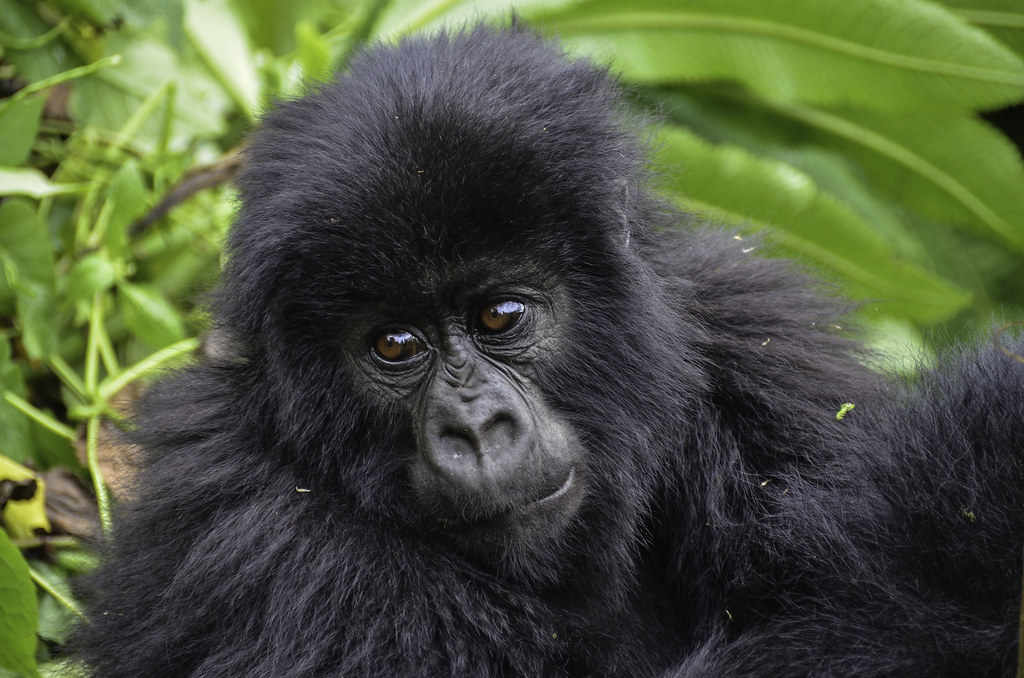
The gorilla habituation experience is unique as it permits four guests to engage with the gorillas for four hours. The experience is overseen by researchers and highly skilled trackers. This differs from gorilla trekking, where eight individuals are allocated to each gorilla troop and permitted to observe the primates for only one hour. The gorilla habituation experience is exclusively available in Uganda, neither in Rwanda or the Democratic Republic of Congo. Mountain Gorilla Habituation Encounter During the gorilla habituation process, tourists are afforded additional time to observe their lifestyle, capture photographs, witness interactions, feed, construct nests, and engage in grooming behaviors. Tourists gain insight into the function of each member within the family unit. The permit for the gorilla habituation experience is priced at $1500, whilst the fee for one hour of gorilla trekking is $800. The expense of Gorilla trekking in Uganda is thus lower than that of the habituation experience. The Uganda Wildlife Authority presently offers a singular gorilla group in Rushaga available for the gorilla habituation experience. The Bikyinji family comprises 22 individuals. This group consists of a dominating silverback named Bahati, after the location where the group was initially observed, who oversees three adult females, one infant, one juvenile, one sub-adult, and one blackback. An intriguing piece compares gorilla trekking and habituation.
What transpires throughout the gorilla habituation experience in Bwindi?
Visitors scheduled for the gorilla habituation experience convene at the Rushaga sector of Bwindi for a briefing by park officials and the research team at 7:30 am, prior to commencing the activity at 8:00 am. The minimal age for the gorilla habituation experience in Uganda is 15 years. Participation in the gorilla habituation process necessitates a certain level of fitness. This is due to the activity potentially including hiking through hilly and deep forested areas. Individuals having an infectious ailment are prohibited from participating in the gorilla habituation procedure. Human infections, such as influenza, can jeopardize an entire gorilla family. Tourists are prohibited from utilizing flash photography when witnessing gorillas. Maintain a distance of no less than 7 meters to prevent provoking them.
The optimal period for the gorilla habituation experience often occurs during the dry seasons, which span from December to March and from June to October. Nonetheless, registration for the activity is also available during the low season of April, May, October, or November. These conditions are marked by substantial precipitation, which can complicate hiking activities.
Owing to the significant demand for the gorilla habituation experience and the limited availability of daily permits, it is imperative to secure your appointment well in advance (a minimum of 6 months prior). Permits can be obtained from the Uganda Wildlife Authority or directly from your travel operator. Passport information is necessary to secure the permits.
Essential Items for the Gorilla Habituation Experience
The packing list must comprise long-sleeved synthetic shirts, gardening gloves, a hat, long pants, a rain jacket, bottles of potable water, hiking shoes, a camera, a walking stick, and insect repellent to guard against mosquito bites. Tourists should pack lunch or snacks, as the habituation experience is time-consuming. Hiring porters to transport heavy equipment or provide assistance on steep inclines is advisable.
Directions to Bwindi Forest
There are three primary methods to access Bwindi Impenetrable Forest National Park. The most economical option is to drive from Kampala or Entebbe in Uganda, or Kigali in Rwanda, to the park. The journey from Kampala/Entebbe to Bwindi requires 9 hours. The journey from Kigali, Rwanda, is around 4 hours, making it the shorter way.
The most efficient and direct method of reaching Bwindi is to utilize a charter airplane from Entebbe or Kajjansi. The flight concludes at Kisoro airfield and has a duration of one hour and thirty minutes. Upon arrival at the airstrip, a 45-minute drive to your lodge in the Rushaga region of Bwindi National Park is required.