 info@gorillatrekkinginafrica.com

Are Gorillas Dangerous to Humans
Are Gorillas Dangerous to Humans, Gorillas are typically peaceful, reserved, and tranquil primates. They coexist harmoniously within a community in their native environments. The male silverback gorilla infrequently charges. He guides his family with composure, charm, and kindness. In contrast to chimpanzees, where dominant males remain vigilant due to persistent challenges from other obstinate community members, this assertion does not hold true. Although inherently kind, gorillas may exhibit aggression and pose a hazard when perceiving threats from intruders. Intruders may refer to silverback gorillas from different groups, leopards, or hostile humans. In gorilla society, male silverback gorillas are tasked with ensuring the safety and welfare of every group member. They dictate the feeding locations, establish resting times, and own exclusive rights to mate with the female gorillas within the group. Each dominating silverback oversees a specific territory that it defends against other gorilla groups.
A silverback gorilla is substantial, exceptionally powerful, and a rapid runner. He will relentlessly assault any creature that endangers his clan, employing his elongated arms and incisive canine teeth. The silverback appears tranquil yet remains perpetually vigilant while guiding his brood in the wilderness. While feeding, he remains vigilant for the young and any potential threats, whether tangible or perceived. Should the silverback perceive a threat to his group from an intruder, he will initially endeavor to alert the intruder using distinct body movements or vocalizations. When two silverbacks from distinct territory encounter one another, they may engage in combat. The vanquished silverback jeopardizes his family and territory to the triumphant adversary.
Are gorillas dangerous to humans?
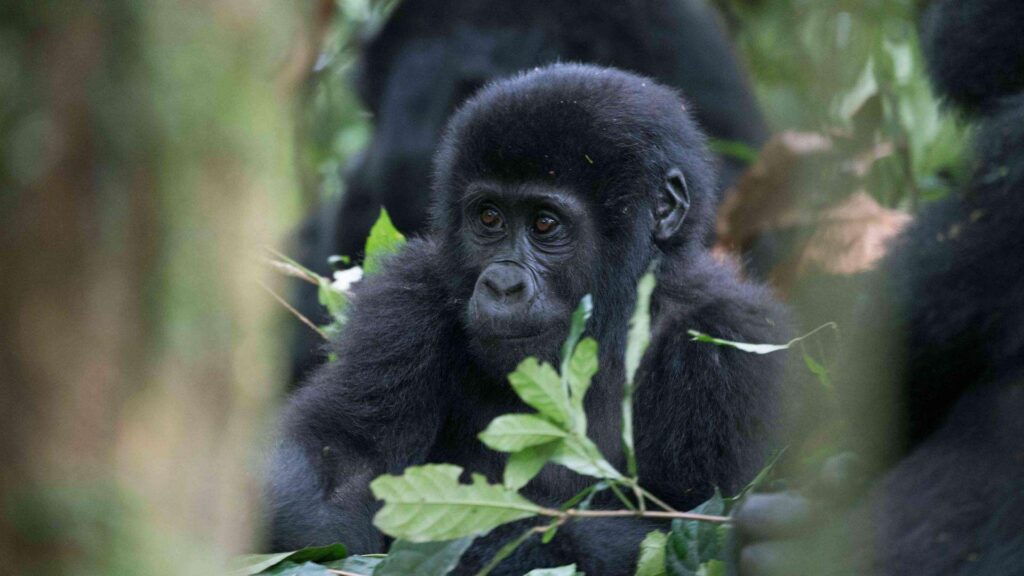
Previous research has demonstrated that when wild gorillas are let to inhabit their environments freely, engage in their social structures, and access their natural habitats, they exhibit reduced aggression towards humans. Conversely, what instigates hostility in gorillas? Existence in captivity, such as in zoos, is more perilous and menacing due to the deprivation of desired freedom. Gorillas in captivity engage more often with humans and may be subjected to teasing or bullying despite the efforts of their caretakers to safeguard them. They exhibit greater unpredictability and aggression. Due to their docile disposition, wild gorillas are more readily habituated. Habituated wild gorillas are safer to be around than gorillas in captivity. Gorilla habituation denotes the systematic acclimatization of humans to wild gorilla populations. Gorilla habituation is a long process that enables gorillas to acclimate to regular human presence and even foster a sense of camaraderie with them. The efficacy of gorilla habituation initiatives has facilitated gorilla tourism in Africa.
What are the factors that contribute to gorilla aggression?
Gorillas are inherently tranquil creatures that exhibit aggression just when provoked. When aroused, a gorilla displays distress behaviors and body language typically intended to caution potential adversaries before contemplating an assault. A gorilla may be seen emitting low grunts while dismantling the surrounding foliage. If their initial warning signals are disregarded, they will elevate their hind legs and strike their chests to demonstrate dominance before opting to execute the ultimate assault. A gorilla exhibits aggression under the following circumstances:
Incursions and assaults from rival gorilla factions: Gorilla families inhabit distinct territory and tend to evade other groups. Nevertheless, they are likely to confront other gorilla groups or solitary silverbacks at some juncture. This occurrence may result in conflicts as the dominant male asserts his dominance. A confrontation typically ensues when a silverback attempts to abduct a female gorilla from another group. These confrontations can be lethal and result in a shift in leadership within a certain gorilla population.
The extended lack of human interaction results in habituated gorillas becoming receptive to humans, hence attracting tourists to their jungle habitats. However, when isolated or deprived of regular visitation, they may revert to their original wild nature. In such instances, they may exhibit aggression towards humans. This was a significant issue during the COVID-19 lockdown. Tourists ceased visiting the gorilla parks for a period. To ensure the gorillas retain their memory of prior human interaction, supplementary game rangers were sent to the gorilla parks to monitor the animals and maintain daily visits until the parks reopened for tourism.
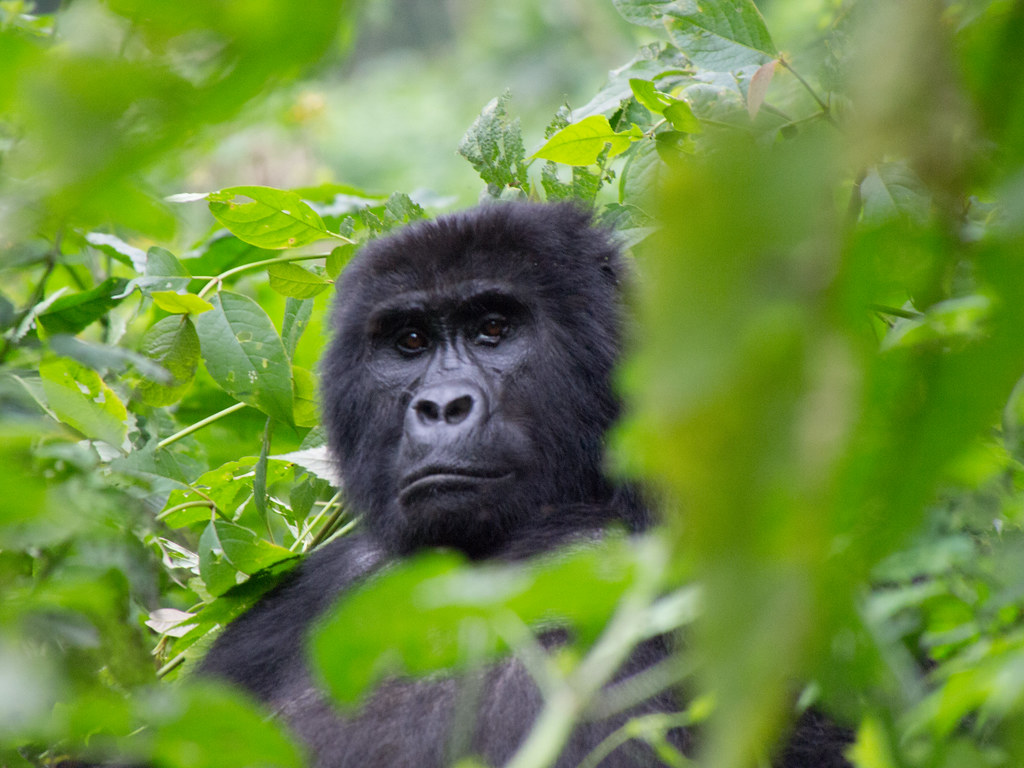
Establishing direct eye contact with gorillas: Gorillas are inherently reserved and tranquil primates. This may entice visitors to want a close relationship with them. Nonetheless, it is crucial to remember that they remain wild animals. While humans perceive direct eye contact as a favorable indication during interactions, gorillas may interpret it differently. They may become agitated and uneasy when gazed upon directly in the eye. Consequently, travelers should refrain from direct eye contact, as gorillas may see it as a challenge. It is the identical tactic employed to assert dominance or while confronting other members of their species. To mitigate hostility, one should refrain from creating the impression of direct eye contact. Observe the surroundings or foliage and endeavor to exhibit submissiveness.
Donning garments in vivid hues may attract the attention of gorillas. They could create suspicion among gorillas towards the individual donning them within their territories. They may seek to understand or investigate the reasons behind the individual’s attire. To prevent attracting unwanted attention and aggressive actions from gorillas, it is advisable to wear muted-colored attire. Attire that harmonizes with the foliage prevents the attraction of unwarranted attention.
Contact with Gorillas: Gorillas often dislike being touched by unfamiliar individuals, interpreting such actions as a threat, which may result in violent behavior. While touching a young gorilla may appear enjoyable, travelers are cautioned against it, regardless of the temptation. The dominant silverback vigilantly monitors his offspring and will exhibit aggressiveness towards humans if he perceives you touching his young. The maternal gorilla may exhibit heightened aggression. Always maintain a distance of at least 7 meters from gorillas and refrain from obstructing their path. Gorillas prefer not to be encircled by numerous individuals without distinct spaces for movement while foraging. Encircling them entirely while capturing photographs or videos may induce a sense of threat. Gorilla trekking is restricted to a maximum of 8 individuals per day for each gorilla group.
Utilizing flash photography: As previously said, gorillas are often reticent primates. They will begin to feel nervous when captured in photographs with flash lighting. The flashlights may ultimately incite them to charge at a photographer. It is advisable to deactivate flash lighting on your camera when photographing wild gorillas.
How to respond when a gorilla exhibits aggression
Gorillas exhibit aggression and charge when confronted with distressing circumstances. A charging gorilla can be quite intimidating, particularly for tourists who may lack familiarity with the species. Nevertheless, by implementing the following straightforward actions, you will effectively navigate the uncomfortable circumstance.
Maintain Composure: This may appear impractical considering the considerable size and formidable vocalizations of a gorilla. Nevertheless, it is the most efficacious approach, as gorillas will interpret your tranquility as an indication of harmless intent. Avoid direct eye contact with them; instead, focus on the surrounding area or trees while remaining vigilant to their movements. Individuals may be inclined to flee when confronted by hostile gorillas; nevertheless, such actions will exacerbate the situation, as they provide further provocation for an assault. Why are you fleeing if you are innocent? Exhibiting submissiveness will cause the gorilla to rapidly lose interest and proceed as if nothing occurred.
Comply with directives from the Park Wardens, Rangers, and Guides: Ensure adherence to the directions provided during the gorilla trekking briefing. When a gorilla charges, park officials will instruct you on how to respond while they manage the creature. The Ranger/Guide will attempt to divert the gorilla’s focus from the guests. This method is consistently effective. Should the gorilla persist in its hostile behavior, the Ranger may discharge a firearm into the air to deter it. This drastic action is invariably a final recourse and is seldom executed, as gorillas are quite manageable compared to other wild animals.