 info@gorillatrekkinginafrica.com

Photography safari in Tarangire National Park
Photography safari in Tarangire National Park, Tarangire National Park stands apart from Tanzania’s more celebrated parks as a photographer’s sanctuary. While Serengeti draws the migration crowds and Ngorongoro Crater commands spectacular scenery, Tarangire offers something rarer: intimate, uncrowded wildlife encounters set against an otherworldly landscape of ancient baobab trees, golden savanna grasses, and the life-giving Tarangire River.
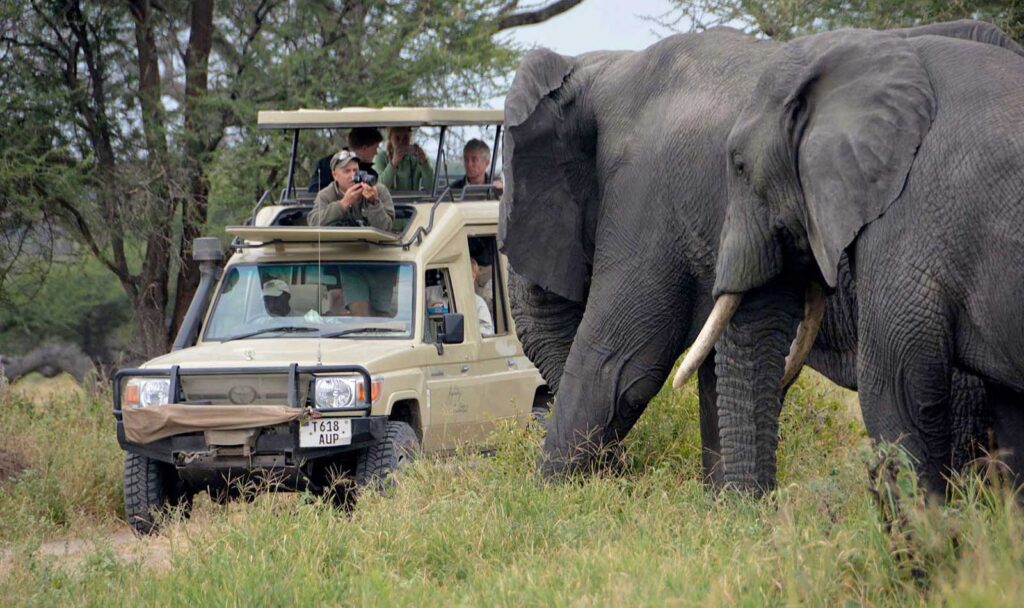
For the serious wildlife photographer, Tarangire is transformative. The density of elephants here is unmatched anywhere on the African continent during the dry season, when up to 3,000 individuals converge on the river. Add to this tree-climbing lions, leopards, cheetahs, vast herds of wildebeest and zebra, and over 550 bird species — and you have a photographic canvas unlike any other.
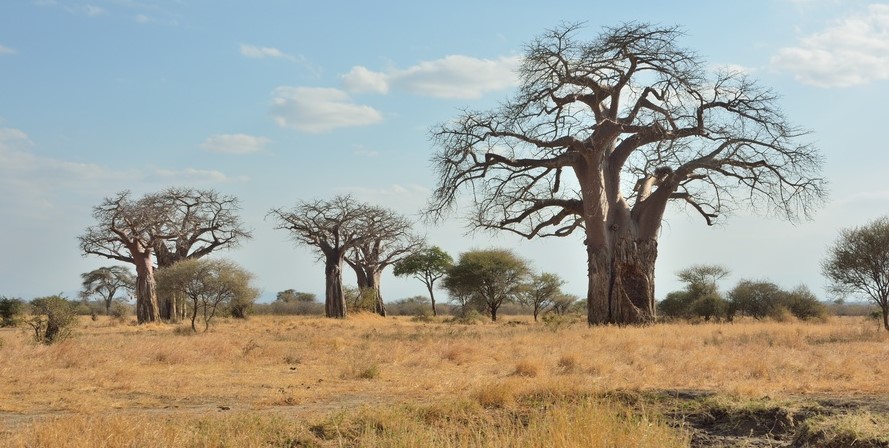
The park’s landscape provides extraordinary compositional variety: baobab trees with trunks up to 25 metres in circumference anchor dramatic wide-angle compositions, while the open floodplains deliver clean backgrounds for telephoto work. The Tarangire River creates natural ‘photography stations’ where animals predictably visit throughout the day, allowing photographers to plan shots with precision.
Best Time for Photography
Understanding Tarangire’s seasonal rhythms is essential for capturing compelling images. Each season offers distinct photographic opportunities, and the ideal visit depends on what subjects and conditions you prioritise.
Dry Season — The Photographer’s Peak (June to October)
The dry season is Tarangire’s photographic golden age. As water sources across the broader ecosystem dry up, wildlife funnels toward the Tarangire River, creating extraordinary concentrations of animals. This is when the park’s elephant herds — the star of any Tarangire photoshoot — reach their peak numbers.
Vegetation is sparse during this period, stripping away visual clutter and opening clear lines of sight for telephoto lenses. Animals are visible at great distances, and dust particles in the morning air produce the warm, hazy light that makes East African wildlife photography iconic. Golden-hour windows at dawn and dusk are particularly spectacular, casting amber tones across elephant silhouettes against ancient baobabs.
Key Dry Season Photography Advantages:
- Elephant concentrations of 500-800 individuals near the river — impossible elsewhere in Africa
- Sparse vegetation for unobstructed clear shots at great distances
- Predictable animal locations near permanent water sources
- Dramatic dust clouds during animal movement — moody atmospheric images
- Warm golden light intensified by dry-season dust particles
- Longer game drives possible — animals active earlier and later in moderate temperatures
Wet Season — Drama and Green Rebirth (November to May)
The wet season transforms Tarangire into a verdant paradise with lush, explosive greens and dramatic cloud formations — photographic material of a completely different character. Newborn animals appear from December onward, creating tender family portraits and high-action predator-prey sequences. The landscape becomes a tapestry of wildflowers and the skies deliver awe-inspiring thunderstorm light.
Bird photography peaks between November and April when migratory species arrive from Europe and Asia, swelling the park’s avian population. The wet-season challenge is dense vegetation that can obscure animals, but patient photographers willing to work through this are rewarded with portraits set against jewel-toned, saturated green backgrounds.
| Season | Dry (Jun–Oct) | Wet (Nov–May) |
| Wildlife density | Extremely high — mass convergence | Dispersed across wider area |
| Vegetation | Sparse — clear sight lines | Dense — green backgrounds |
| Light quality | Warm, golden, dusty haze | Dramatic stormy, bright, saturated |
| Elephant photography | ★★★★★ Peak numbers at river | ★★★ Dispersed, smaller groups |
| Bird photography | ★★★ Resident species | ★★★★★ Migrants arrive |
| Road conditions | Excellent — firm, dusty tracks | Some areas difficult/flooded |
| Crowds | Higher — peak tourist season | Lower — near-empty park |
Iconic Photography Subjects
African Elephants — The Heart of Tarangire
No safari destination on earth offers elephant photography comparable to Tarangire during the dry season. These are not merely occasional sightings — you will encounter dozens of herds throughout a single day’s drive, sometimes viewing 200 to 300 individuals simultaneously at riverside gatherings. The Tarangire elephant population is known for its relaxed temperament around vehicles, allowing extremely close approach for intimate portraits.
Recommended photography techniques for elephants in Tarangire include riverside sequences where herds drink and bathe, backlit portraits with the setting sun behind ancient baobabs, close-up behavioural work capturing mother-calf interactions, wide-angle compositions with elephants dwarfed by massive baobab trees, and silhouette shots at dawn when the animals move through the morning mist.
The Baobab Trees — Africa’s Architectural Wonder
Tarangire’s baobabs are among the most photographed natural features in East Africa. Many of these trees are estimated at over 1,000 years old, with trunks so vast they require multiple people with outstretched arms to encircle them. Their alien, upside-down appearance provides extraordinary compositional anchors for both landscape and wildlife photography.
The most powerful baobab compositions combine wildlife scale with tree grandeur: a lone elephant dwarfed by a 20-metre trunk, a leopard resting in the crook of an ancient branch, or a herd silhouetted against a fiery sunset sky framed by baobab crowns. At dawn, soft pink light wrapping around the fissured grey bark produces images of extraordinary texture and depth.
Big Cats and Predators
Tarangire supports healthy populations of lion, leopard, and cheetah. The park’s lions are famous for tree-climbing behaviour — an adaptation thought to help them escape ground-level insects and gain vantage points for spotting prey. Photographing lions draped across the branches of yellow fever trees is among the most sought-after wildlife images in Tanzania.
Leopards are resident throughout the park, particularly along the riverine forest strips where they cache kills in the branches of sausage trees and acacias. Patient, early-morning positioning near known leopard territories often yields stunning portraits in dappled forest light. Cheetahs favour the open southern plains — ideal terrain for capturing high-speed chase sequences.
Birds — A Birder-Photographer’s Eden
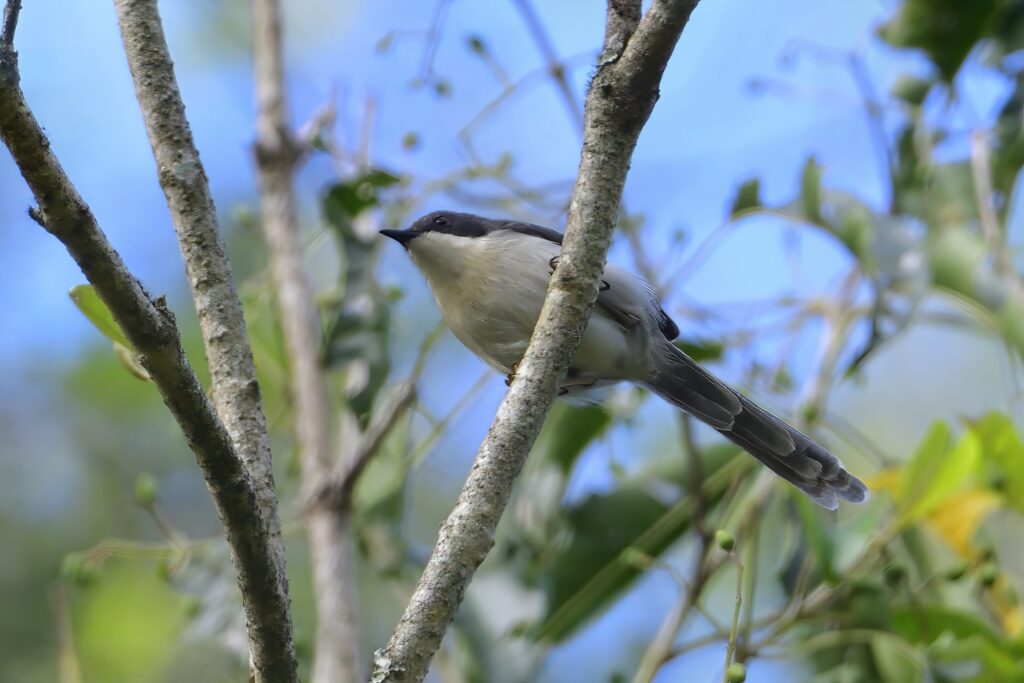
With over 550 recorded bird species, Tarangire is one of Tanzania’s finest birding destinations. The diversity ranges from the massive kori bustard and Masai ostrich on open plains, to the jewel-coloured lilac-breasted roller and superb starling perched on thornbush, to the yellow-collared lovebird found almost nowhere else in Tanzania.
The Tarangire River corridor hosts kingfishers, herons, storks, fish eagles, and hammerkops in extraordinary numbers. Oxpeckers photographed on elephant backs, secretary birds stalking the open grasslands, and the endangered black-faced sandgrouse at dawn drinking points are among the avian highlights that draw specialist bird photographers from around the world.
Supporting Cast — Tanzania’s Full Wildlife Ensemble
- Massive herds up to 2,000 strong — dramatic dust-clouds during movement: Buffalo
- Framed against baobabs for compositional perfection: Giraffe
- Mixed herds create layered, graphic compositions: Zebra & Wildebeest
- Beautiful light-body antelopes for portrait work: Waterbuck, Impala & Dikdik
- Behavioural sequences — grooming, foraging, alarm postures: Mongoose families
- Rare and beautiful — found in Tarangire’s south: Fringe-eared Oryx
- Occasional sightings — among Africa’s rarest photo subjects: African Wild Dog
- Reptile photography along the riverbanks: Pythons & Monitor Lizards
Photography Techniques & Camera Settings
Golden Hour — Making the Most of Dawn and Dusk
Tarangire’s golden hours are genuinely magical. Dawn breaks with soft pink and apricot light filtering across the savanna — a 30-minute window of extraordinary quality before the equatorial sun climbs too high. Arriving at game drive viewpoints before sunrise is non-negotiable. Position your vehicle near known animal gathering points — the riverbank or mineral lick sites — and be ready the moment light breaks.
Evening light in Tarangire carries a warm, amber quality intensified by dust particles suspended after a day of animal movement. The final hour before sunset produces the iconic ‘Africa silhouette’ images — elephants backlit against the burning orange sky. Set exposure for the sky rather than the subjects, and let the animals fall into rich, graphic darkness against the burning background.
Recommended Camera Settings for Key Scenarios
| Photography Scenario | Shutter Speed | Aperture | ISO | Key Notes |
| Elephants at river — bright daylight | 1/800s | f/5.6–8 | 200–400 | Freeze splashing water |
| Dawn golden hour portraits | 1/400s | f/4–5.6 | 800–1600 | Warm tones; expose right |
| Silhouette compositions | 1/1000s+ | f/8–11 | 100–200 | Meter for sky/background |
| Birds in flight | 1/2000s+ | f/5.6–7.1 | 400–800 | AI Servo / continuous AF |
| Cheetah hunt action | 1/2500s+ | f/4–5.6 | 400–1600 | Pre-focus; burst mode |
| Leopard in forest shade | 1/320s | f/2.8–4 | 1600–6400 | Expose for shadows |
| Landscape — baobabs | 1/60s–1/250s | f/8–16 | 100–200 | Tripod for sharpness |
| Night sky / star trails | 20–30s | f/1.4–2.8 | 1600–6400 | Remote shutter release |
Lens Selection for Tarangire
Tarangire’s open landscape allows vehicle approach within 10–30 metres of relaxed animals, making it unusually versatile for lens selection. Unlike denser parks where 500mm-plus is mandatory, a skilled photographer can produce outstanding images with a wide range of focal lengths.
- Highly Recommended — Versatile, fast; perfect for in-vehicle use; covers 70% of photographic scenarios: 70–200mm f/2.8
- Essential — Reach for distant animals, birds, and atmospheric heat-haze compression effects: 100–400mm / 150–600mm
- Specialist — Exceptional reach for birds and distant predators; requires beanbag support in vehicle: 500mm / 600mm prime
- Landscape & Context — Baobab wide shots, elephant herd scale, habitat storytelling: 24–70mm
- Creative — Close-approach elephants for dramatic perspective; baobab trunk-to-sky compositions: 14–24mm ultra-wide
- Specialist — Insects, reptiles, flowers in wet season; extraordinary detail work: 100mm macro
Vehicle-Based Photography Techniques
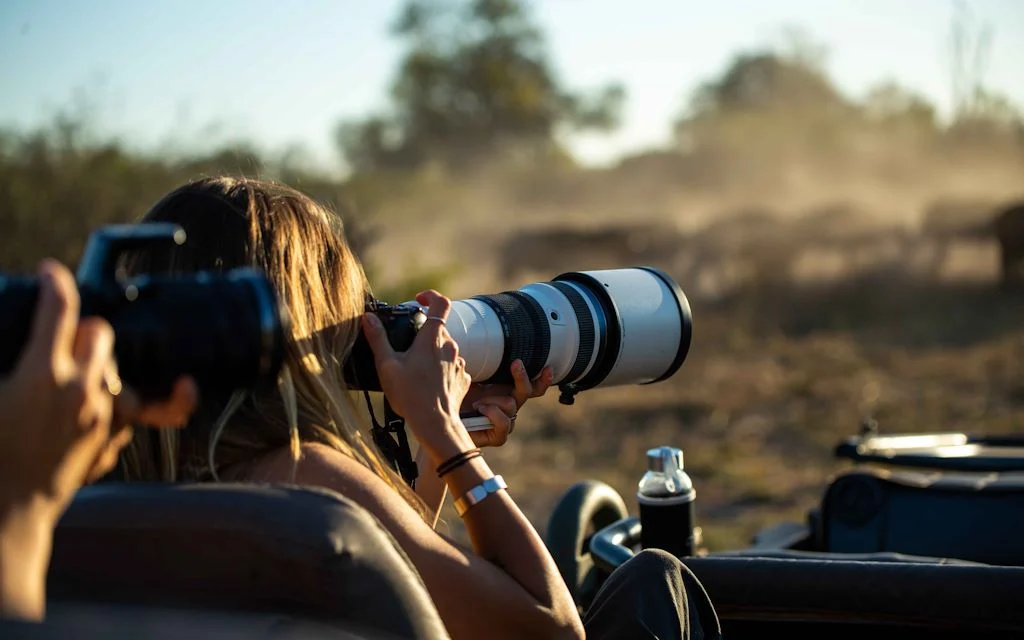
All photography in Tarangire is conducted from a safari vehicle — typically a modified Land Cruiser or Land Rover with pop-up roof hatches that provide standing shooting positions. Mastering vehicle-based photography technique is essential to maximising image quality from this platform.
Use a beanbag rested on the vehicle roof or window frame as your primary support — it absorbs vibration far more effectively than a conventional tripod and allows rapid repositioning. Request your driver to position the vehicle with the sun behind you or at a slight angle (avoid shooting directly into the sun unless creating intentional backlit/silhouette compositions). Communication with your driver is crucial: ask them to kill the engine before making critical shots — even subtle engine vibration degrades sharpness at focal lengths above 400mm.
Top Photography Locations Within the Park
Tarangire River — The Wildlife Magnet
The Tarangire River is the park’s single greatest photography asset. Running through the park’s heart, it remains the only permanent water source during the dry season, drawing every species in the ecosystem. Elephants arrive in groups of 10 to 200 throughout the day; buffalo herds drink at dusk; zebra and wildebeest cross in chaotic, visually stunning river crossings; and predators wait patiently for vulnerability.
Photography along the river is remarkably productive at all hours. Dawn arrivals catch elephants bathing and sparring in cool morning light. Midday sees the river at its busiest as the heat drives animals to water. Sunset over the river, with animals silhouetted in the orange-tinted shallows, produces Tarangire’s most iconic images.
Silale Swamp
The Silale Swamp in the park’s centre is a permanent wetland that acts as a year-round wildlife hub. During the dry season when the broader landscape is parched, Silale becomes a concentrated wildlife photography zone where hippo pods wallow, enormous flocks of water birds congregate, and elephants wade through the reed beds. The swamp edges produce incredible bird photography — open-billed storks, saddle-billed storks, crowned cranes, and jacanas abound.
Lemiyon Area — Northern Lion Country
The northern Lemiyon section of the park supports one of Tanzania’s densest lion populations. This area’s mix of open grassland and wooded thickets provides perfect territory for the park’s famous tree-climbing lions. Early mornings in Lemiyon frequently reward photographers with lions descending from their overnight tree perches, often with the first golden light illuminating their faces — among the most coveted wildlife portrait opportunities in Africa.
Gursi — Baobab Grove Photography
The Gursi area in the park’s south contains some of East Africa’s most spectacular baobab groves. These ancient trees, their massive trunks rising from the red laterite earth, provide unparalleled compositional elements. At dawn and dusk, the light between the baobab trunks creates cathedral-like shafts of illumination. Elephant families moving through these groves produce images of breathtaking scale contrast — the world’s largest land mammal dwarfed by trees older than many civilisations.
Boundary Hill Lodge Viewpoint
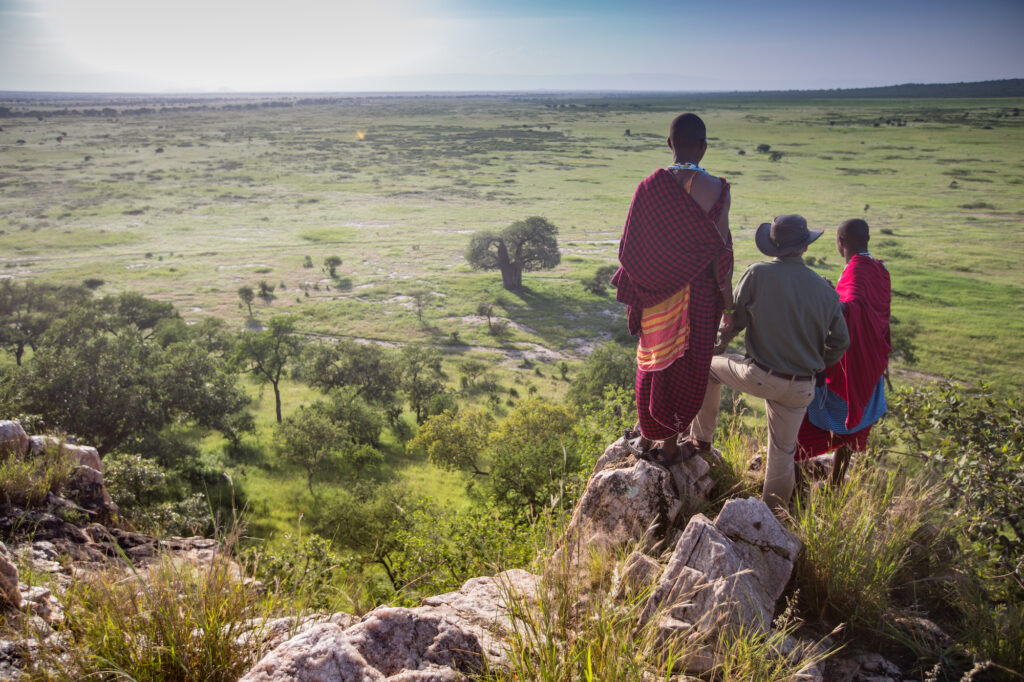
The hill at Boundary Hill Lodge provides Tarangire’s finest elevated panoramic viewpoint, overlooking the river valley and adjacent floodplains. From this vantage point, photographers can capture the full sweep of the Tarangire ecosystem — river, forest, savanna, and baobab-studded escarpment in a single composition. The view at sunset, when elephant herds move across the golden floodplains below, is one of the most memorable wildlife landscape experiences available in Tanzania.
Planning Your Photography Safari
How Many Days to Allocate
A minimum of three full days in Tarangire is recommended for a productive photography safari, but five to seven days significantly increases your probability of capturing exceptional images. Tarangire rewards patience — extraordinary photographic moments build over multiple game drives as you learn animal movement patterns, identify productive locations, and benefit from the variability of light and weather conditions across multiple days.
| 3 Days | Minimum viable visit — covers main river areas and sees core species; limited re-photography of optimal conditions |
| 5 Days | Recommended — allows full park exploration; multiple golden-hour sessions; builds on driver knowledge of animal patterns |
| 7 Days | Ideal — maximises rare sighting probability; enables specialist subjects (wild dogs, leopard behaviour); permits creative experimentation |
| 10+ Days | Specialist / professional — combines Tarangire with complementary parks in Northern Circuit for comprehensive Tanzania portfolio |
Daily Game Drive Structure
Tarangire’s gate opens at 06:00, and the first hours of morning light are the most productive of the day. A highly effective daily structure for photography-focused safaris follows a disciplined rhythm designed to maximise golden-light opportunities.
- Park gate opens — immediate departure to pre-scouted golden-hour location: 06:00
- Dawn golden-hour photography session — maximum light quality and animal activity: 06:00 – 09:30
- Mid-morning drive — animals remain active before peak heat; river scenes busy: 09:30 – 11:00
- Midday rest at lodge — process images; equipment maintenance; rest: 11:00 – 15:00
- Afternoon drive — building toward sunset golden hour; predators becoming active: 15:00 – 18:30
- Park gate closes — return to accommodation: 18:30
Photography-Specialist Guides and Vehicles
The single most important logistical decision for your Tarangire photography safari is the selection of your guide. Standard safari guides are knowledgeable about wildlife but not necessarily trained in photographic logistics — positioning for light, anticipating animal behaviour for action sequences, or understanding compositional requirements.
Seek out operators who offer photography-specialist guides or who explicitly cater to photographer clients. Key requirements for your vehicle include: a pop-up roof hatch rather than a folding canvas roof (essential for elevated shooting positions), a driver willing to manoeuvre for ideal light angles, the ability to park and wait patiently rather than moving constantly, and a vehicle without roof bars or frames that obstruct shooting arcs.
Equipment Checklist
| RECOMMENDED PHOTOGRAPHY EQUIPMENT
CAMERAS & LENSES ✓ Primary camera body with weather sealing (mirrorless or DSLR) ✓ Backup camera body — essential; repair impossible in the field ✓ 70–200mm f/2.8 zoom lens ✓ 100–500mm or 150–600mm telephoto zoom ✓ Wide-angle zoom 16–35mm for landscapes SUPPORT & ACCESSORIES ✓ Beanbag (large — fills vehicle window frame; buy locally in Arusha) ✓ Remote shutter release cables for both bodies ✓ Lens cloths and blower (dust is pervasive in dry season) ✓ UV / protective filters ✓ Polarising filter for wet-season foliage and skies
POWER & STORAGE ✓ Minimum 6 spare batteries per body (vehicle charging available; carry extras) ✓ Minimum 256GB memory cards per camera (shoot RAW for maximum post-processing latitude) ✓ Portable hard drive for nightly backup ✓ Laptop for tethered culling and backup ✓ Multi-voltage travel charger (Tanzania uses UK-style 3-pin plugs; 240V)
PROTECTION ✓ Dust-proof camera bag or cover (essential for open-vehicle use) ✓ Dry bags for lenses during river crossings or sudden rain |
Photography-Friendly Accommodation Options
Accommodation choice significantly impacts your photography safari experience. Staying inside or adjacent to the park eliminates transit time and maximises your time in optimal light — critical for photographers who cannot afford to waste golden-hour minutes driving to and from a distant hotel.
| Property | Category | Location | Photography Advantage |
| Oliver’s Camp | Luxury Tented | Inside park — north | Walking safaris; intimate elephant encounters |
| Swala Camp | Luxury Tented | Inside park — south | Deep south access; rare species; excellent guides |
| Tarangire Treetops | Luxury Lodge | Private concession | Elevated tree-house views; night game spotting |
| Boundary Hill Lodge | Mid-range | Park boundary | Panoramic valley view; affordable rates |
| Tarangire Safari Lodge | Mid-range | Inside park — river | Direct riverside access; elephant-at-camp visits |
| Public Campsites | Budget | Inside park | Maximum immersion; raw bush experience |
Post-Processing — Bringing Your Tarangire Images to Life
The raw files from Tarangire’s unique light conditions require thoughtful post-processing to fully realise their potential. The park’s warm, dusty palette and dramatic contrast between deep shadow and brilliant highlight demand specific processing approaches distinct from other photographic environments.
RAW Processing Priorities
- Tarangire’s golden light often reads as overly warm in camera; slight cooling (200–300K reduction) can enhance mid-tones while preserving sunset warmth: White Balance
- The bright African sky frequently underexposes subjects in shade; shadow lifting of +30 to +70 recovers detail without appearing artificial: Shadow Recovery
- Burning skies require -40 to -70 highlight reduction to retain cloud and colour detail: Highlight Management
- Moderate application (+15 to +25) enhances elephant skin detail and baobab bark texture dramatically: Clarity & Texture
- Dry-season conditions guarantee sensor dust spots — systematic pass on every image before sharing: Dust Spot Healing
- Used conservatively (+10 to +20) to punch through atmospheric heat haze without artificial oversaturation: Dehaze Tool
Colour Grading for the Tarangire Palette
Tarangire’s photographic identity is built on a warm palette of terracotta reds, golden yellows, and rich ochres against vivid blue skies. In the HSL panel, selective enhancement of orange (elephant skin, baobab bark, dry grass) and blue (sky, river reflections) channels produces images that feel authentically Tanzanian while remaining naturalistic.
For black-and-white conversion — particularly powerful for elephant portraits and baobab landscapes — the high-contrast, texture-rich nature of Tarangire’s subjects translates beautifully into monochrome. Push red channel luminance up to brighten dry grass and elephant skin; reduce blue slightly for dramatic sky graduation; maximise clarity to bring out wrinkled skin and bark texture.
Essential Practical Tips for Photographers
|
Getting to Tarangire — Access & Logistics
| Nearest City | Arusha, Tanzania — 118 km northeast of the park’s main Arangiro Gate |
| Main Access Route | Arusha to Makuyuni junction (90 km on tarmac), then 7 km dirt road to Arangiro Gate |
| Drive Time from Arusha | Approximately 2.5 to 3 hours depending on road conditions and border crossing times |
| Nearest Airstrip | Kuro Airstrip inside the park — domestic flights from Arusha (JRO) via local charter operators |
| Charter Flights | Available from Kilimanjaro International Airport (JRO) — 45-minute flight; most luxury lodges include transfers |
| Self-Drive Option | Possible for experienced drivers with 4WD vehicle; standard GPS maps plus offline apps (Maps.me, iOverlander) recommended |
| Park Entry Fees | USD $59/day for non-resident adults; USD $10/day for non-resident children (under 15) |
| Vehicle Fees | USD $59.60 per vehicle per day for foreign-registered vehicles |
Conclusion — Tarangire Awaits Your Lens
Tarangire National Park occupies a unique position in the East African photography landscape: it offers the grandeur of Tanzania’s great parks without the overwhelming crowds that have come to characterise more famous destinations. Here, it is still possible to spend an hour at a productive riverside location with a single vehicle, watching and photographing an elephant family without another tourist in sight.
For the wildlife photographer, Tarangire delivers an unparalleled combination of subject diversity, landscape drama, and photographic accessibility. The elephants will exceed every expectation. The baobabs will reshape your compositional thinking. The light, when the dry season dust catches the setting African sun, is unlike anything else on earth.
This is not merely a destination on a safari itinerary. For serious wildlife photographers, Tarangire is a pilgrimage — a place that, once visited, fundamentally changes how you see the African continent and what you believe wildlife photography can be..