 info@gorillatrekkinginafrica.com

Benefits of Gorilla Trekking and Conservation
Benefits of Gorilla Trekking and Conservation, Gorilla trekking constitutes a prominent tourism activity in the East African region. Annually, travelers from across the globe visit Uganda, Congo, and Rwanda to observe these remarkable monkeys in their native environments. Additional tourism activities in these three countries encompass game drives, nature walks, birdwatching, cultural excursions, fishing, and boat rides, among others. Gorilla trekking is an engaging pastime that involves going through dense forests to locate gorillas. Gorillas can be observed closely at Volcanoes National Park in Rwanda, Virunga National Park in the Democratic Republic of Congo, and Mgahinga and Bwindi Impenetrable National Parks in Uganda. Uganda harbors the bulk of the world’s remaining mountain gorillas; nevertheless, some travelers favor Rwanda because to the reduced driving distance to the gorilla parks.
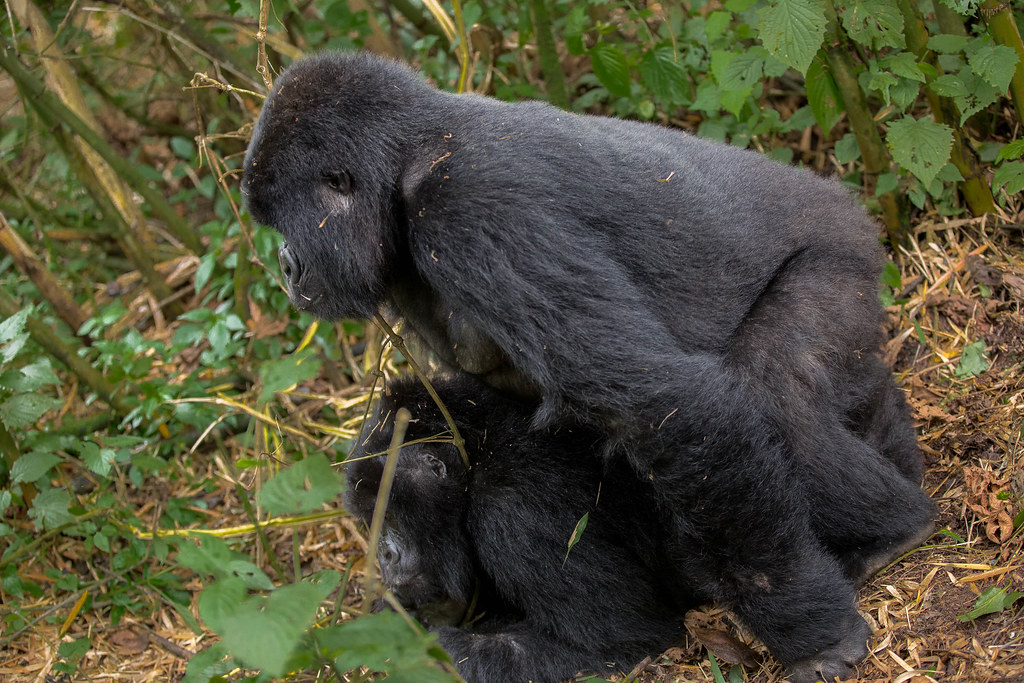
Of the three countries that provide gorilla trekking, Rwanda is the priciest option. Gorilla permits in Rwanda are priced at $1500, far above the fees imposed in Uganda and the Democratic Republic of Congo. Gorilla trekking licenses are priced at 800 US dollars in Uganda and 450 US dollars in the Democratic Republic of Congo. Moreover, lodging expenses in Uganda and Congo are typically less expensive than those in Rwanda. Gorilla licenses are the authorizations required for seeing gorillas in their natural habitat. Permits are typically in great demand, and obtaining one is significantly easier when bookings are made in advance—ideally six months before to the anticipated travel date.
The optimal period to observe the gorillas is during the dry seasons of May to August and December to February, when the routes are devoid of mud, less slippery, and the entry roads to the parks are more navigable. The climatic seasons are same across all three countries. On the day of gorilla trekking, travelers receive a briefing at the park headquarters regarding what to anticipate during the primate tracking experience. Rules for gorilla trekking include maintaining a safe distance from the primates, refraining from eating in their vicinity, utilizing cameras without flash, and remaining silent to avoid startling the primates.
The gorilla parks can be reached by road or air. Most travelers favor road transit as it allows them to engage with nature and see significant tourist destinations en route. Conversely, air transport is optimal for travelers with constrained time in the country, albeit at a higher cost than a road trip. The gorilla parks are also encircled by exquisite housing options, including eco-lodges, cottages, and hotels. Some are located in the adjacent towns and provide either economical or opulent accommodations.
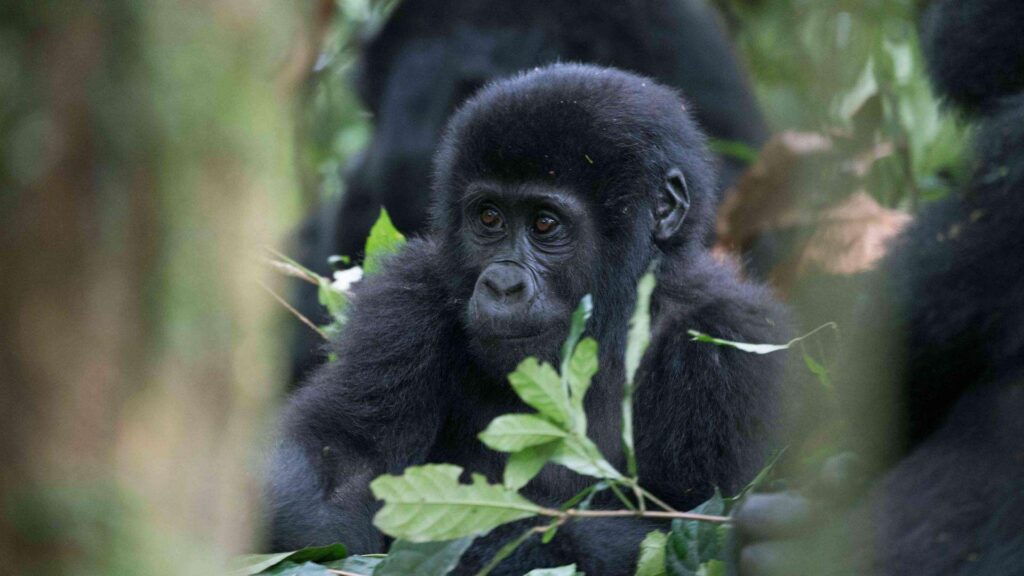
Advantages of Gorilla Trekking for Communities Residing in near to the Park
Gorilla trekking has positively impacted the communities surrounding the parks in numerous ways. The funds generated from gorilla tourism have allowed the park management to compensate scientists, including veterinary specialists and researchers. These scientists do essential tasks such as routinely examining primates for illnesses, performing gorilla surveys, and determining methods to enhance their living conditions as necessary. This explains the ongoing increase in the overall population of mountain gorillas.
Revenue from gorilla trekking has allowed the governments of the three nations to hire Rangers tasked with safeguarding the primates from invaders, poachers, insurgents, and habitat encroachment, among other threats. Gorilla trekking has also contributed to deterring poachers from infiltrating the parks to hunt gorillas for meat, other valuable body parts, or as pets. This is due to the presence of frequent visitors accompanied by the park’s Gorilla Trekking Rangers. This benefits the surrounding communities by ensuring that when primates are safeguarded from poachers, they and their future generations will persist as benefactors of gorilla trekking.
The Rangers, Park Guides, and standby patrol squads not only facilitate gorilla trekking but also track the primates’ movements throughout the forests to ascertain their most recent nesting sites, so ensuring that tourists encounter them in the least amount of time feasible.
The activity of mountain gorilla trekking has stimulated the advancement and revitalization of various economic sectors; for instance, the road infrastructure leading to the gorilla parks has been enhanced. As the number of tourists participating in Gorilla Trekking increases, the revenue earned has been allocated to the development of additional tourism locations and activities, including chimpanzee and golden monkey trekking.
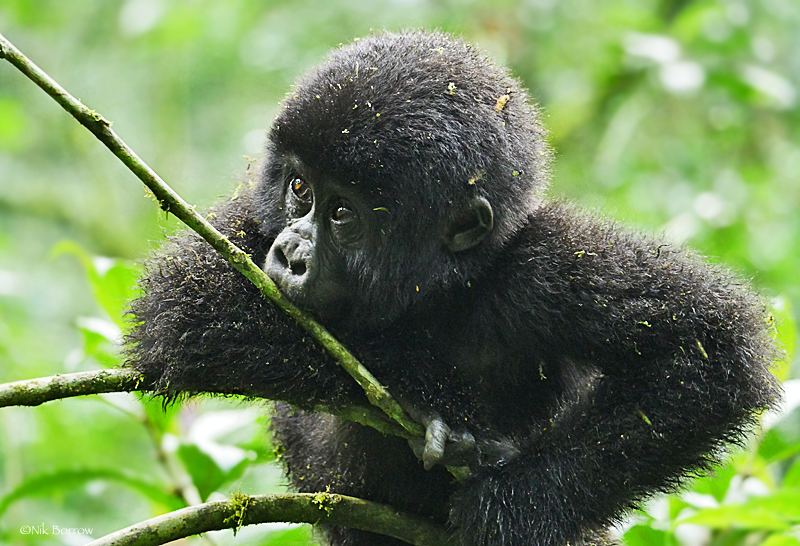
A portion of the revenue generated from gorilla permits is consistently allocated to the adjacent villages of the parks. The revenue from tourism has empowered local communities, via their leaders, to establish schools, health facilities, and sources of clean and safe water, among other initiatives. These services are provided either gratuitously or at a significant discount to the communities residing near the gorilla parks.
Travelers to the gorilla parks typically engage with the adjacent villages and participate in cultural events. These activities encompass acquiring knowledge of traditional songs and dances, tasting authentic African cuisine, and procuring traditional African products and souvenirs such as mats, caps, stools, and musical instruments. The persistent influx of tourists in gorilla parks has enhanced the quality of life for local populations by providing increased opportunities.
Tourists also inhabit the locally owned safari lodges situated in the park’s vicinity and adjacent towns. This has resulted in the emergence of local entrepreneurs responsible for exceptional hotel facilities. Furthermore, numerous local youngsters have been engaged in employment at the safari hotels and within the parks as porters.
In summary, gorilla trekking has positively impacted local people in numerous ways. It has enhanced the livelihoods of those individuals living around the parks by offering jobs, business prospects, and social services.