 info@gorillatrekkinginafrica.com

Tarangire national park tanzania weather: Guide to Tanzania’s Climate, Seasons & Best Safari Timing
Tarangire national park tanzania weather, Tarangire National Park, located in northern Tanzania’s Manyara Region, has a climate shaped by two rainfall cycles and a long dry season that makes it one of East Africa’s most rewarding wildlife destinations. Understanding the park’s weather patterns is essential for planning a safari, choosing the right months for game viewing, and packing appropriately for the conditions.
Climate Overview
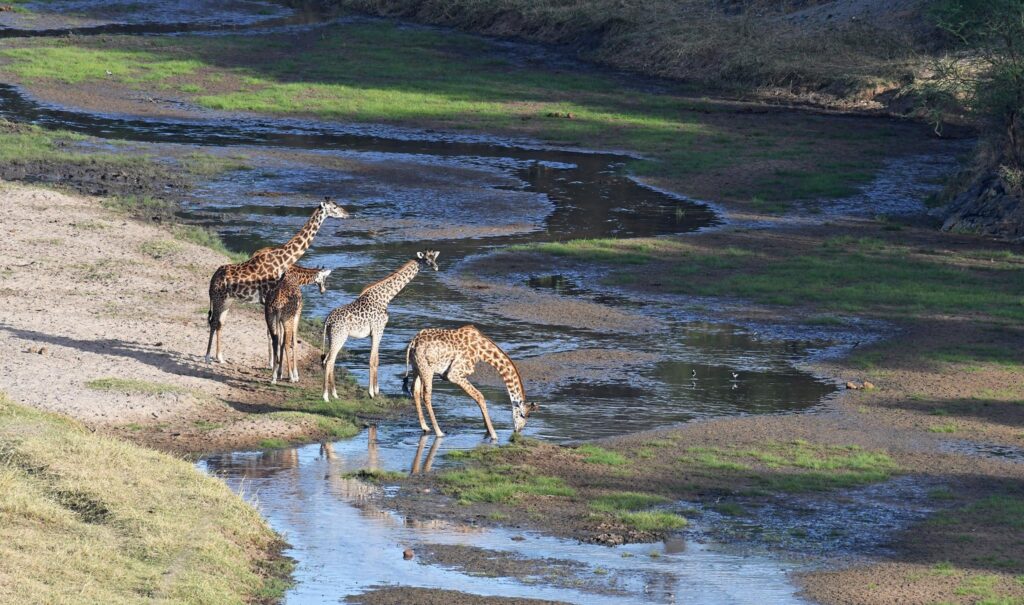
Tarangire sits at an elevation of roughly 1,000 to 1,400 metres above sea level and experiences a warm, semi-arid climate typical of the East African savanna. Days are generally warm to hot, nights are cool, and rainfall is concentrated into two distinct wet periods separated by a long, dry stretch from June through October.
Average daytime temperatures range from about 26°C to 31°C (79°F to 88°F) throughout the year, while nighttime lows can drop to 14°C to 19°C (57°F to 66°F), particularly during the cooler dry season months of June, July and August.
The Two Rainy Seasons
Long Rains (March to May)
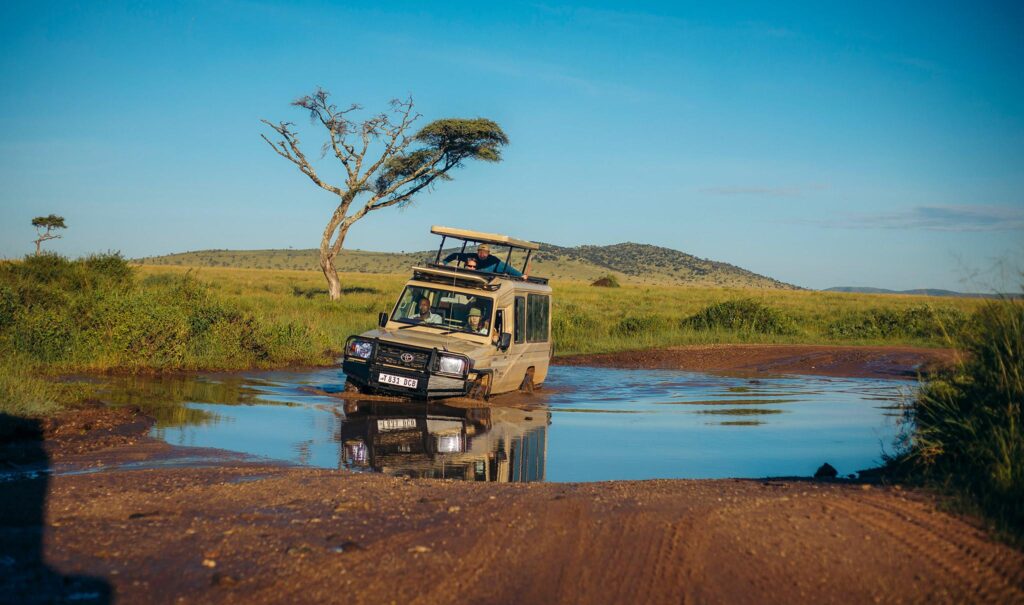
The long rains are the heaviest of the year, with April typically the wettest month. Rain often falls in afternoon downpours rather than continuously, and mornings are frequently clear. Vegetation becomes lush and green, river levels rise, and some seasonal tracks within the park can become muddy or temporarily impassable.
Short Rains (November to December)
The short rains are lighter and less predictable, usually arriving as brief afternoon or evening showers. They green up the landscape ahead of the dry season and trigger the dispersal of wildlife away from the Tarangire River as temporary water pans fill across the plains.
The Long Dry Season (June to October)
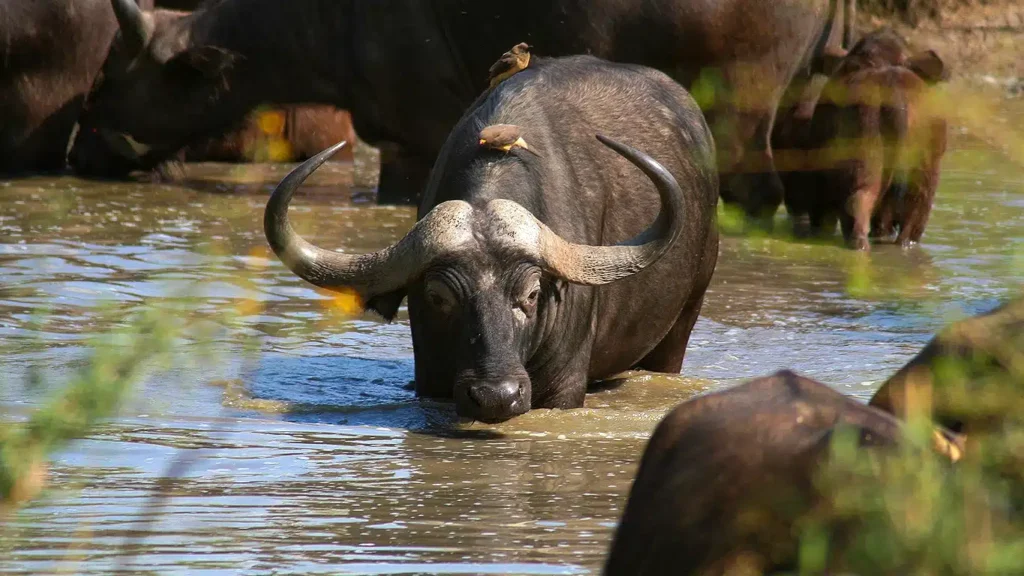
From June through October, Tarangire receives little to no rainfall. Skies are clear, humidity is low, and the dry season is when Tarangire earns its reputation as one of Tanzania’s premier elephant-viewing destinations. As surface water disappears from the surrounding plains, large herds of elephant, buffalo, zebra and wildebeest converge on the permanent Tarangire River, creating some of the highest wildlife concentrations found anywhere in the northern safari circuit.
July and August are the coolest months, with morning game drives often starting in noticeably cool, dry air before temperatures climb through the day. A light fleece or jacket for early mornings and evenings is recommended even though daytime conditions remain warm.
Quick Climate Facts
|
Month-by-Month Weather Breakdown
The table below summarizes typical conditions throughout the year. Figures are long-term averages; actual conditions can vary from year to year.
| Month | Conditions | Avg High / Low | Rainfall | Safari Rating |
| January | Hot, dry start | 30°C / 19°C | Low (short rains tapering) | Excellent |
| February | Hot, dry | 31°C / 19°C | Very low | Excellent |
| March | Hot, rains begin | 30°C / 19°C | Increasing (long rains) | Good |
| April | Warm, wet | 28°C / 18°C | Heaviest (long rains) | Fair |
| May | Warm, wet tapering | 28°C / 17°C | Moderate to high | Fair to Good |
| June | Cool, dry | 27°C / 15°C | Very low | Excellent |
| July | Cool, dry | 26°C / 14°C | Minimal | Excellent |
| August | Cool, dry | 27°C / 14°C | Minimal | Excellent |
| September | Warm, dry | 28°C / 15°C | Minimal | Excellent |
| October | Warm, dry | 29°C / 16°C | Low | Excellent |
| November | Warm, short rains | 29°C / 17°C | Moderate (short rains) | Good |
| December | Hot, rains ease | 30°C / 18°C | Moderate | Good |
Best Time to Visit Based on Weather
For Wildlife Concentration
June to October is widely considered the best window. Dry conditions push wildlife toward the Tarangire River, vegetation thins out for easier visibility, and dusty, clear-sky days are typical.
For Birdwatching and Greenery
November to March brings migratory birds, newborn animals, and a dramatic transformation of the landscape into green grasslands, making this period attractive for photographers and birders despite the higher chance of rain.
For Fewer Crowds and Lower Rates
April and May, the heart of the long rains, see the fewest visitors and the lowest accommodation rates. Some camps close during this period, and self-drive travellers should be prepared for muddy, slippery tracks.
What to Pack for Tarangire’s Climate
- Lightweight, breathable clothing in neutral colours for daytime warmth
- A warm layer or fleece for cool early-morning and evening game drives, especially June to August
- A waterproof jacket if travelling during the long or short rains (March to May, November to December)
- Sun protection: hat, sunglasses, and high-SPF sunscreen year-round
- Dust protection such as a buff or scarf, particularly useful during the dry season
Note: Climate figures are long-term regional averages drawn from typical patterns across northern Tanzania. Travellers should check a current forecast closer to their travel dates, as rainfall timing can shift from year to year.