 info@gorillatrekkinginafrica.com

Tanga City
Where history, nature, and culture converge on Tanzania’s northern coast.
Tanga is Tanzania’s third-largest city and one of the country’s most significant port towns, situated on the Indian Ocean coast in the Tanga Region of northeastern Tanzania. With a population of approximately 300,000 people, it serves as the administrative and commercial hub of the region while retaining the charm and tranquility that major East African cities often lack.
Often overshadowed by the tourist juggernaut of Dar es Salaam and the safari circuits farther inland, Tanga remains one of East Africa’s best-kept secrets. It rewards travellers who venture off the beaten path with a rich tapestry of Swahili architecture, sun-drenched beaches, unexplored coral reefs, lush sisal plantations, and warm, unhurried hospitality that feels increasingly rare in the modern world.
The city sits roughly 350 kilometres north of Dar es Salaam and just 110 kilometres south of Mombasa, Kenya, placing it at a strategic crossroads that has shaped its character over centuries. Its natural harbour, one of the finest on the East African coast, made Tanga a centre of trade long before European contact, drawing Arab, Indian, and Persian merchants into a cosmopolitan melting pot whose legacy is visible in the city’s architecture, cuisine, and people today.
A Brief History of Tanga
Tanga’s recorded history stretches back to the medieval period, when Arab traders established settlements along the coast as part of the expansive Swahili trading network that connected East Africa to the Arabian Peninsula, India, and beyond. By the 19th century, the Omani Sultanate of Zanzibar controlled much of the coastline, and Tanga was an important point in the clove and slave trades.
German East Africa (1885–1919) brought dramatic transformation to Tanga. The Germans recognised the port’s strategic potential and chose Tanga as the terminus of the Usambara Railway, which stretched inland to Moshi and the fertile foothills of Kilimanjaro. The railway opened the interior’s agricultural wealth to export markets, and Tanga flourished as sisal — a fibre crop that became one of Tanzania’s most important exports — flowed through its docks.
During the First World War, Tanga was the site of the Battle of Tanga (November 1914), one of the most embarrassing British military defeats of the campaign. A poorly coordinated amphibious assault by British-Indian forces was repelled by a much smaller German Schutztruppe force under the brilliant Colonel Paul von Lettow-Vorbeck, a battle still studied in military history circles today.
After the war, British Tanganyika absorbed the territory, and Tanga continued as a regional commercial centre through independence in 1961 and the union with Zanzibar that formed Tanzania in 1964. Much of the German colonial-era architecture that once defined Tanga’s downtown boma area has survived, giving the city a unique aesthetic that sets it apart from other Tanzanian cities.
Geography & Climate
Tanga lies at approximately 5°04’S latitude and 39°06’E longitude, directly on the Indian Ocean. The city is flanked by the Tanga Creek to the north and a series of sandy beaches and coral reefs to the east. The hinterland rises gently through sisal estates and cashew plantations toward the Usambara and Pare mountain ranges, which are visible on clear days.
The climate is classic coastal tropical — warm and humid year-round, moderated by sea breezes. Temperatures typically range from 25°C to 32°C. Two monsoon systems shape rainfall patterns: the long rains (masika) from March to May, and the short rains (vuli) from November to December. The dry season from June to October represents the most comfortable and widely recommended time to visit.
Things to Do in Tanga
From pristine beaches and coral gardens to colonial ruins and forested caves — Tanga offers extraordinary diversity for the curious traveller.
Toten Island (Island of the Dead)
Just a short dhow or motorboat ride from Tanga Harbour lies Toten Island, a hauntingly atmospheric islet whose name — German for ‘dead’ — reflects its history as a colonial-era cemetery. The island is dotted with weathered German graves dating from the late 19th and early 20th centuries, their inscriptions faded by decades of salt air and tropical sun.
Beyond its historical intrigue, Toten Island is a superb snorkelling destination. The surrounding waters harbour healthy coral reefs teeming with parrotfish, butterflyfish, moray eels, and the occasional sea turtle. The island is uninhabited, giving it an eerie, Robinson Crusoe quality that appeals to adventurous travellers. Local fishermen offer informal boat trips, and it is worth negotiating a package that includes time to both explore the graves and snorkel the reef.
- Best time to visit: June to October for calm seas and excellent visibility
- Boat trip duration: approximately 20–30 minutes from the main harbour
- Tip: Bring your own snorkelling gear as rental options are limited in Tanga
Amboni Caves
Located approximately eight kilometres north of Tanga town, the Amboni Caves are among the most extensive limestone cave systems in East Africa. Formed over millions of years by the dissolution of coral limestone by slightly acidic groundwater, the caves comprise ten interconnected chambers stretching for kilometres beneath the Tanga hinterland, though only a portion is open to visitors.
The caves hold deep spiritual significance for the local Digo and Bondei communities, who regard certain chambers as sacred sites associated with ancestral spirits and traditional healing rituals. Local guides — essential for navigating the dimly lit passages — bring these stories to life with vivid accounts of traditional beliefs and the cave system’s role in local culture. Remarkable stalactite and stalagmite formations, underground streams, and colonies of fruit bats add to the otherworldly atmosphere.
- Opening hours: Daily, approximately 8:00 AM to 5:00 PM
- Admission: Modest government fee; local guides are mandatory and inexpensive
- Tip: Wear closed-toe shoes and bring a torch as a backup to the guide’s lamp
- Nearby: The Sigi River flows near the caves and is pleasant for a short walk
Tanga’s Colonial Architecture & Boma Quarter
Tanga contains one of the finest collections of German colonial architecture in Tanzania, concentrated in the historic boma (administrative) quarter near the waterfront. Walking through these streets feels like stepping back into the early 20th century: wide verandas, thick whitewashed walls, arched windows, and red-tiled roofs characterize a building style that blended German functionalism with adaptations for the tropical climate.
Key structures to seek out include the old German Boma itself (now government offices), the Customs House on the waterfront, and several former trading houses and residences along the main streets. Many buildings carry German inscriptions on their facades, and some have been sensitively restored while others stand in photogenic states of romantic decay. The area rewards slow, unhurried exploration on foot, with a camera and a curiosity for architectural detail.
- Self-guided walking: The boma quarter is compact and walkable in 2–3 hours
- Photography: Best light is in the early morning or late afternoon
- Combine with: A visit to Tanga Museum for historical context
Tanga Museum
The Tanga Regional Museum is a modest but rewarding institution that traces the history and culture of the Tanga Region from prehistoric times through the colonial era to the present day. Exhibits cover the region’s diverse ethnic groups — including the Zigua, Bondei, Digo, and Pare peoples — with displays of traditional tools, musical instruments, ceremonial objects, and textiles.
A dedicated section on the German colonial period and the Battle of Tanga is particularly well presented, offering rare maps, photographs, and artefacts from this pivotal chapter in East African history. Staff are generally knowledgeable and willing to elaborate on exhibits for interested visitors. The museum is an excellent starting point for any exploration of the region.
Beaches Around Tanga
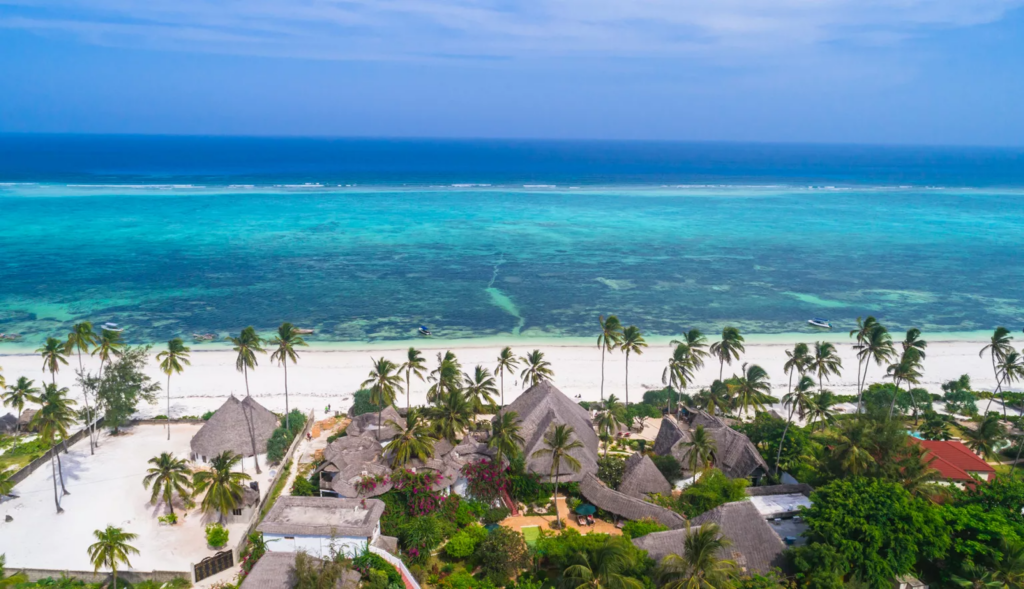
Tanga and its surrounds are blessed with a string of beautiful, largely uncrowded beaches that are a world away from the commercialized strands of Zanzibar or the Kenyan coast. The Indian Ocean here is warm, clear, and fringed by swaying coconut palms, with the distinctive dhow silhouettes of local fishermen adding to the timeless atmosphere.
Ras Kazone Beach
The closest beach to Tanga town, Ras Kazone sits on a small peninsula north of the harbour and offers calm, sheltered swimming in a picturesque setting. It is a popular spot with local families on weekends and is easily accessible by bajaji (auto-rickshaw) or on foot from the town centre. Facilities are minimal, which keeps it pleasantly authentic.
Mwambani Beach
A short drive south of Tanga, Mwambani is a beautiful stretch of white sand backed by casuarina and coconut trees. The beach is generally very quiet, making it ideal for peaceful sunbathing, long walks along the shore, and swimming. Snorkelling off the reef at low tide reveals colourful marine life.
Mweza Beach & Beyond
Further south toward Pangani, the coastline becomes increasingly wild and spectacular. Mweza and the series of beaches along this stretch see almost no tourist traffic and offer a genuinely remote experience. Hiring a local driver for a day trip along this coast is one of the great undiscovered pleasures of the Tanga region.
Pangani Town & the Pangani River
Although technically a separate town some 55 kilometres south of Tanga, Pangani makes an outstanding day trip from the city and is often considered part of the Tanga travel experience. One of the oldest Swahili settlement on the East African coast, Pangani was a major slave and ivory trading port under the Zanzibar Sultanate and retains atmospheric ruins, old Arab merchant houses, and a distinctly time-worn character.
The Pangani River — one of Tanzania’s most important waterways — empties into the Indian Ocean here, and boat trips on the river offer excellent birdwatching opportunities, with kingfishers, fish eagles, herons, and a wide variety of waders making their home in the riparian forest and mangrove estuaries. The town’s small, hospitable community and lack of tourist infrastructure make it feel like an authentic window into coastal Tanzanian life.
- Distance from Tanga: Approximately 55 km south via the coastal road
- Highlights: Old slave market ruins, German Boma, boat trips on the Pangani River
- Tip: The Pangani River crossing by ferry is an experience in itself
Usambara Mountains Day Trip
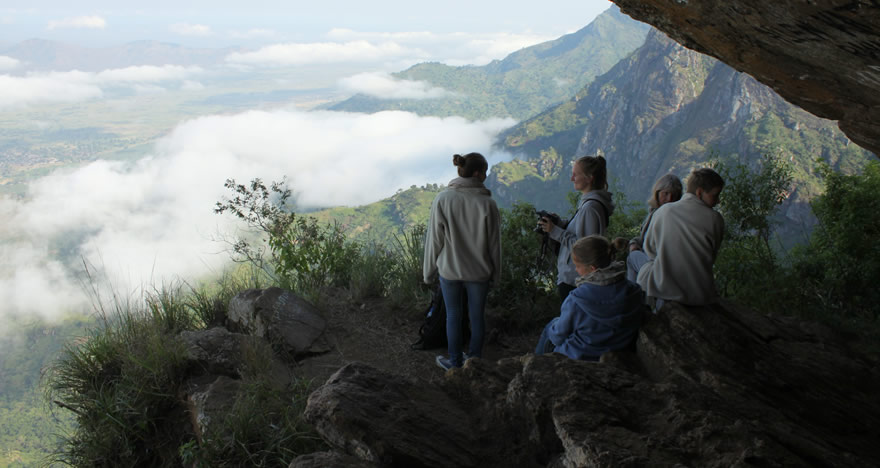
The Usambara Mountains rise dramatically from the plains north and west of Tanga, offering a spectacular natural counterpoint to the city’s coastal character. The East Usambaras — the range closest to Tanga — are part of the Eastern Arc Mountains, a chain of ancient isolated massifs recognised as one of the world’s biodiversity hotspots. The mountains harbour endemic species of chameleons, birds, butterflies, and plants found nowhere else on Earth.
The town of Amani, situated within the East Usambara range, is the gateway to the Amani Nature Reserve, which protects a magnificent tract of montane rainforest. Day trips from Tanga typically involve a scenic drive of about 90 minutes to reach the reserve, followed by guided forest walks that offer extraordinary wildlife viewing for those with patience and a keen eye. The contrast between the humid coastal plain and the cool, mist-laced forest is quite remarkable.
- Distance from Tanga: Approximately 90 km to Amani via Muheza
- Highlights: Amani Nature Reserve, endemic chameleons and birds, colonial botanical gardens
- Best for: Birders, botanists, hikers, and nature enthusiasts
- Tip: Start early to maximise wildlife-viewing time in the forest
Tanga Harbour & Dhow Culture
The working harbour at Tanga is a living testament to centuries of Indian Ocean maritime tradition. Traditional wooden dhows — some of them hand-built using techniques unchanged for generations — bob alongside modern vessels, their lateen sails furled in port. Early morning visits to the harbour offer a window into the daily rhythms of coastal life: fishermen unloading their catches, traders loading goods, and the smell of salt air, fish, and engine oil mingling in the tropical heat.
Conversations with dhow captains can sometimes yield opportunities for informal sailing trips in the harbour or along the coast, providing a perspective on Tanga that few visitors experience. The harbour area also hosts a lively fish market in the early morning hours that is well worth visiting for the atmosphere and fresh seafood.
Sisal Estate Tours
The Tanga Region was once the world’s leading producer of sisal, the agave-derived fibre used in rope, twine, and textiles, and vast sisal estates still stretch across the hinterland. Several estates in the region offer tours that explain the cultivation, harvesting, and processing of sisal from field to finished fibre. These tours provide a fascinating glimpse into an agricultural industry that shaped the regional economy for over a century and offer a pleasantly off-beat alternative to the more standard tourist experiences.
Water Sports & Marine Activities
The warm, clear waters of the Indian Ocean around Tanga offer an excellent range of marine activities for water enthusiasts. While the infrastructure is less developed than in Zanzibar or Pemba, the relative absence of tourists means that the marine environment is correspondingly less disturbed and more rewarding for those willing to seek it out.
- Snorkelling: Excellent reef snorkelling around Toten Island and along the southern beaches
- Scuba Diving: Limited but growing dive operations offer reef and wall dives with good fish diversity
- Deep-Sea Fishing: Charter boats can be arranged through larger hotels for offshore fishing
- Kayaking: Sea kayaking along the mangrove-lined creeks north of town is a superb experience
- Swimming: Most beaches within reach of Tanga offer safe, pleasant swimming
Best Time to Visit Tanga
Understanding Tanga’s seasonal rhythms will help you plan the perfect trip.
Tanga’s tropical coastal climate means it can be visited year-round, but the experience varies significantly depending on the season. The two monsoon seasons bring substantial rainfall that can affect beach conditions, road accessibility, and overall comfort, while the dry seasons offer the best conditions for most activities.
| Season | Months | Weather | Rating |
| Long Dry | June – Oct | Sunny, mild winds | ★★★★★ |
| Short Dry | Jan – Feb | Hot, low humidity | ★★★★☆ |
| Long Rains | Mar – May | Heavy rainfall | ★★☆☆☆ |
| Short Rains | Nov – Dec | Light showers | ★★★☆☆ |
June to October: The Long Dry Season (Peak Season)
| ⭐ Recommended Period
The long dry season is widely regarded as the best time to visit Tanga. Conditions are optimal for beaches, water sports, day trips, and outdoor exploration. |
The period from June through October represents Tanga’s most comfortable and reliable travel season. The southeast trade winds (the Kusi monsoon) bring cooling breezes off the Indian Ocean, modifying temperatures and creating ideal conditions for outdoor activities. Rainfall is minimal, skies are largely clear, and the landscape, though somewhat dry inland, retains its lush greenery along the coast thanks to the humid sea air.
Ocean conditions are excellent during this period, with good visibility for snorkelling and diving and calm enough seas for boat trips to Toten Island and beyond. Beach days are sunny and pleasant without the enervating humidity of the wet season. The Usambara Mountains are particularly beautiful in the dry season, the forest trails clear and the paths firm underfoot.
- July and August are the most popular months and may see slightly more visitors
- Temperatures: Pleasantly warm, typically 24–29°C with cooling sea breezes
- Ocean visibility: Typically 15–25 metres — excellent for marine activities
- Road conditions: Consistently good, making all day trips viable
January to February: The Short Dry Season
The brief dry interlude between the two monsoon seasons — roughly January through February — offers another viable window for visiting Tanga. Temperatures are somewhat higher than during the long dry season, often reaching 32°C or above, and humidity climbs accordingly. However, rainfall is low and sunshine is reliable, making this a reasonable time to visit if the June–October window is not available.
These months coincide with peak season on the East African safari circuit, meaning that combination trips to Tanga and the northern Tanzanian parks (Serengeti, Ngorongoro, Tarangire) can be well-timed. The heat tends to be more pronounced in the afternoon, so planning activities for the morning and early evening hours is advisable.
March to May: The Long Rains (Avoid if Possible)
The masika, or long rains, transform Tanga between March and May. Rainfall is often heavy and prolonged, with some days seeing continuous downpours that make beach activities unpleasant and can render unpaved roads difficult or impassable. The landscape becomes intensely green and lush — photogenic in its way — but the practical challenges of travel during this period are significant.
April is typically the wettest month, and many smaller guesthouses and tour operators scale back operations during this period. For those on tight budgets, the long rains season does offer substantially reduced accommodation rates and a far more authentically local experience with very few other tourists. Certain activities — forest walks in the Usambaras, for example — can actually be enhanced by the rain-freshened vegetation and reduced visitor numbers.
- April is the wettest month — generally best avoided for a beach-focused trip
- Accommodation rates may be 30–50% lower than peak season
- Some roads, particularly rural tracks, may become impassable
November to December: The Short Rains
The vuli, or short rains, typically arrive in November and continue through December, though the duration and intensity vary considerably from year to year. In most years, the short rains are lighter and more intermittent than the long rains, often falling in brief afternoon or evening showers that do not significantly disrupt daytime activities.
November and December can therefore be a surprisingly rewarding time to visit Tanga, combining relatively low visitor numbers, still-green landscapes, reduced accommodation rates, and weather that is often perfectly manageable. The Christmas and New Year period sees an uptick in regional tourism, particularly from Tanzanian and Kenyan visitors, so early booking is advisable for the last weeks of December.
What to Pack for Tanga
Regardless of when you visit, certain essentials remain constant for the Tanga climate:
- Lightweight, breathable clothing: Cotton or linen is ideal; avoid synthetic fabrics in the heat
- Sun protection: High-SPF sunscreen, a wide-brimmed hat, and UV-protective sunglasses are essential
- Reef-safe sunscreen: Standard sunscreens harm coral; choose a reef-safe formula for snorkelling
- Insect repellent: Particularly important at dawn and dusk; Tanga has malaria risk
- Antimalarial medication: Consult your doctor before travel; the Tanga coast is a malaria zone
- Light rain jacket: Useful even in the dry season for occasional coastal showers
- Modest clothing: When visiting mosques, markets, or villages, covered shoulders and knees are respectful
- Snorkelling gear: Worth bringing your own for Toten Island and the beaches
Practical Travel Information
Everything you need to know for a smooth and enjoyable visit to Tanga.
Getting to Tanga
By Air
Tanga has a small regional airport (Tanga Airport, TGT) with scheduled flights from Dar es Salaam operated by several regional carriers including Coastal Aviation and Air Tanzania. Flight time from Dar es Salaam is approximately one hour, making air travel a convenient option for those with limited time. The airport is a short taxi ride from the town centre.
By Road
Tanga is approximately 350 kilometres north of Dar es Salaam via the A14 coastal road, a journey of around 5–6 hours by bus or private vehicle. Several reliable bus companies, including Dar Express and Kilimanjaro Express, operate daily services between Dar es Salaam and Tanga with comfortable coaches. From Mombasa, Kenya, the journey is approximately 2–3 hours across the border at Horohoro/Lunga Lunga.
By Train
The historic Tanga Line railway, built by the Germans in the colonial era, technically connects Tanga to Moshi via the Usambara foothills. However, services are irregular and extremely slow, and the line is generally not recommended as a primary means of reaching Tanga. It can, however, be a fascinating historical experience for rail enthusiasts who have time to spare.
Getting Around Tanga
- Bajaji (auto-rickshaws): The most common and convenient way to navigate Tanga town; agree on a fare before boarding
- Bodaboda (motorcycle taxis): Faster than bajaji but less comfortable; useful for short hops
- Taxis: Available at the airport and through hotels; agree on a price in advance
- Car hire: A small number of operators offer self-drive and chauffeured vehicle hire for day trips
- Walking: The town centre and boma quarter are very walkable; many attractions are within easy walking distance of each other
Where to Stay
Tanga’s accommodation scene is modest but growing, with options ranging from budget guesthouses to comfortable mid-range hotels. There are currently no international luxury chain hotels in Tanga, which contributes to its pleasantly unhurried, authentic character. The following categories represent the main options available:
- Mid-range hotels: Several comfortable hotels near the waterfront offer clean rooms, reliable Wi-Fi, and restaurants serving a mix of Swahili, Indian, and international cuisine
- Boutique guesthouses: A handful of characterful guesthouses in restored colonial-era buildings offer atmospheric accommodation with personalized service
- Budget accommodation: Numerous inexpensive guesthouses throughout the town centre cater to budget travellers and Tanzanian domestic visitors
- Beach retreats: A small number of simple beach lodges south of Tanga offer direct beach access in a quiet, natural setting
Food & Drink
Tanga’s cuisine reflects its cosmopolitan coastal heritage, blending Swahili, Arab, Indian, and African culinary traditions into a distinctive local food culture. Seafood is the undisputed star: fresh fish, lobster, prawns, crab, and octopus are available daily from the harbor fish market and feature prominently on restaurant menus throughout the city.
- Pilau: A fragrant spiced rice dish cooked with meat or seafood and a blend of coastal spices
- Wali na samaki: Rice and fish, the quintessential Swahili coastal meal, simple and deeply satisfying
- Urojo (Tanga mix): A uniquely Tangan soup-like dish combining cassava, bhajia, potatoes, and a tangy coconut broth
- Mandazi: Lightly sweetened fried doughnuts, a staple breakfast food enjoyed with spiced chai
- Grilled seafood: Barbecued on the beach or at small waterfront restaurants, often served with coconut-based sauces
- Fresh coconut water: Available from vendors throughout the city — cool, refreshing, and utterly local
Health & Safety
Tanga is generally a safe city by East African standards, and visitors who exercise normal urban caution — being aware of their surroundings, not displaying expensive equipment ostentatiously, and using reliable transport after dark — are unlikely to encounter problems. The following health precautions are recommended:
- Malaria: The Tanga coast is a malaria-endemic zone; consult a travel medicine specialist about prophylaxis before departure
- Water: Drink only bottled or filtered water; avoid ice in drinks at smaller establishments
- Sun protection: The equatorial sun is intense; use high-SPF sunscreen, wear a hat, and avoid the midday sun
- Medical facilities: Tanga has a regional hospital and several private clinics; standards are adequate for minor issues but serious illness may require evacuation to Nairobi or Dar es Salaam
- Travel insurance: Comprehensive travel insurance with medical evacuation cover is strongly recommended
Money & Communications
- Currency: Tanzanian Shilling (TZS); US Dollars widely accepted at hotels and tour operators
- ATMs: Available in Tanga town centre, including at CRDB, NMB, and Stanbic banks
- Mobile connectivity: Good 3G/4G coverage from Vodacom, Airtel, and Tigo networks within the city
- Internet: Wi-Fi available at most hotels and some cafes; speeds are adequate for email and browsing
- Power: Tanzania uses Type D and G plugs (240V); carry adapters if using UK or European devices
| A Final Word on Tanga
Tanga rewards the traveller who arrives without too many preconceptions and allows the city to reveal itself at its own unhurried pace. There are no world-famous attractions here, no glossy resort strips, no queues of safari vehicles. What Tanga offers instead is something increasingly precious: authenticity. A coastal Tanzanian city that has retained its soul, its rhythms, and its warmth in an era when so many similar places have traded these qualities for tourist dollars. Come to Tanga for the silences between the sights — the sound of waves on a deserted beach, the call to prayer drifting across the harbour at dusk, the smell of grilled fish from a street vendor’s charcoal grill — and you will leave richer for the experience. |