 info@gorillatrekkinginafrica.com

Sport Fishing in Rwanda
Sport fishing in Rwanda is underdeveloped due to its historic lack of a fishing culture. A significant portion of commercial fishing occurs in Lake Kivu, Lake Mugesera, and Lake Muhazi. Additional rivers and lakes also offer fishing opportunities for both local residents and international visitors, as will be discussed subsequently. Aquaculture accounts for around 45% of total fish production in Rwanda. To meet the substantial demand for fish among its inhabitants, Rwanda imports fish from neighboring Tanzania and Uganda. The majority of imported fish is re-exported to the Democratic Republic of Congo.
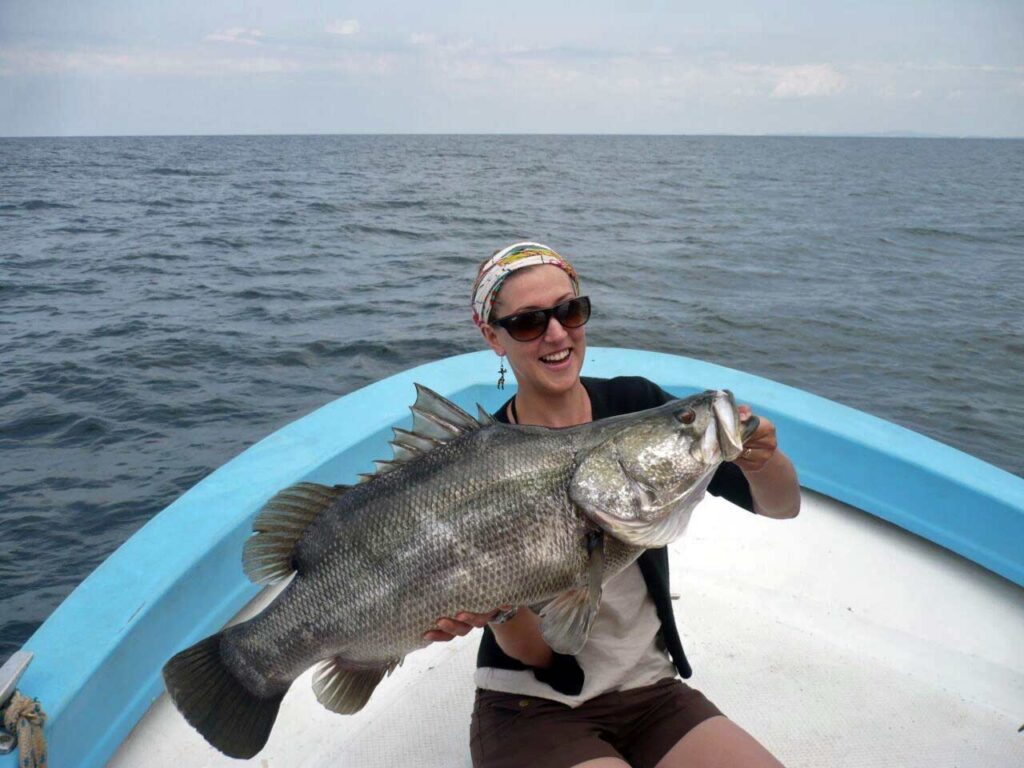
The primary fishing techniques employed include hooking, gill netting, the lampara method, spearing/shooting, scoop netting, and cast netting. These strategies are employed based on the type of catch. The ichthyological species in Rwanda’s fishing waters comprise Amphilius, Astatorechromis, Barbus, Clarias, Cyprinus, Gnathonemus, Haplochromis, Limnothrissa, Marcusenius, Mormyrus, Nile Tilapia, Synodontis, Tanganyika Sardine, and Varicorthinus. Local communities primarily engage in fishing utilizing wooden canoes.
The Ministry of Animal Resources and Agriculture oversees the fishing industry via cooperatives and municipal authorities. Similar to many African nations, Rwanda faces challenges related to overfishing and the capture of juvenile fish in its aquatic ecosystems. Fortunately, the nation has rigorous policies established to address offenders. Despite these penalties and regulations, the fisheries ministry has additional obstacles. Fishing is not a common component of the diet of Rwandans overall. The fishing techniques remain primitive and require enhancement, while contamination in certain water basins is concerning. There is inadequate collaboration among key government sectors that may elevate the business significantly. Ultimately, there is an insufficiency of government support, while private investors avoid the area. This is the identical issue confronting fishermen in Uganda. Due to these hurdles and issues, Rwanda is behind several neighboring countries in fully harnessing her fishing resources.
Fishing in Rwanda
The fishing industry in Rwanda is underdeveloped, in contrast to the tourism sector. Tourism has emerged as a success narrative for a small nation such as Rwanda. The administration has utilized her limited resources to elevate the county as a premier tourism destination in East and Central Africa. The prosperity of the tourism sector has also advantaged the fishing business. In addition to visiting the capital Kigali, engaging in animal safaris or gorilla trekking, tourists often seek opportunities for swimming and fishing in the country’s lakes.
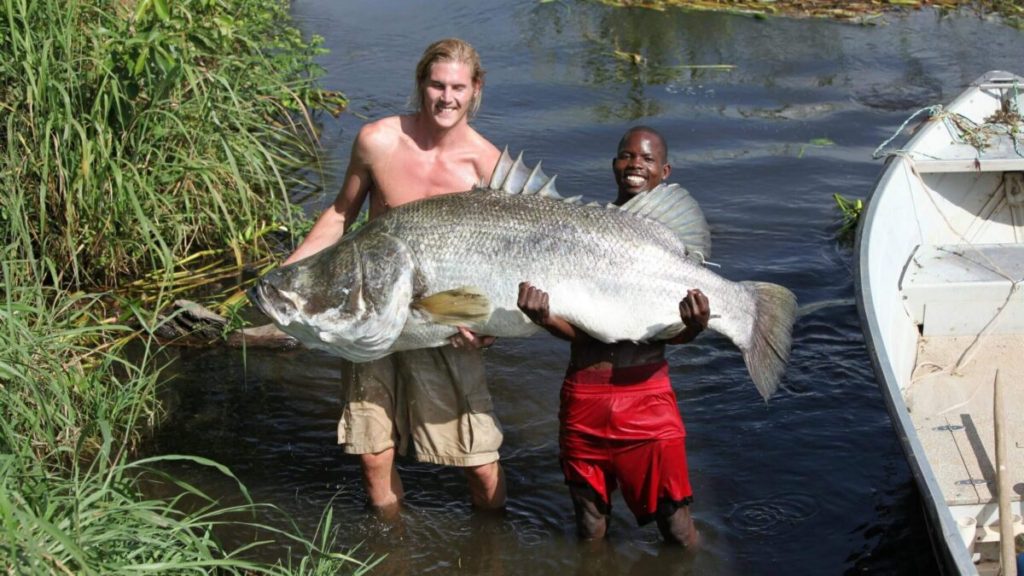
Where can one engage in sport fishing in Rwanda?
Akagera National Park is undoubtedly the premier destination for sport fishing in Rwanda. The park is named after the Akagera River, which supplies water to Lake Shikani and Lake Ihema. The two lakes are perhaps the premier location for sport fishing in Rwanda. In addition to fish, the lakes harbor other fauna such as crocodiles and hippopotamuses. The fishing locations are meticulously selected and secure from these animals. A catch and release policy exists, however it is not consistently adhered to. You may arrange for one catch to be prepared for a supper. Engaging in sport fishing within Akagera National Park necessitates obtaining a fishing permit. One must possess personal fishing equipment. The primary fishing technique employed in the area involves the use of hooks, with Tilapia being the predominant species. On a fishing excursion, one may also engage in game drives, birdwatching (including over 500 species), and boat excursions.
Lake Kivu is situated on the boundary between Rwanda and the Democratic Republic of Congo. It is the sixth largest lake in Africa. Despite the absence of bilharzia, crocodiles, and hippos in the lake, it conceals one peril. The lake has dissolved methane and carbon dioxide within its water. A substantial earthquake or major volcanic eruption might emit carbon dioxide into the atmosphere, potentially suffocating millions of individuals. This event occurred in 1986 at Lake Nyos in Cameroon. Methane gas might also create chaos by igniting if an incident precipitated its escape into the atmosphere. The Rwandan government is harvesting methane for energy generation while assessing the associated risks to adjacent people.
Notwithstanding the aforementioned concerns, commercial and recreational fishing in Lake Kivu persists. The predominant fish species in this area include sardines, sambaza, and ndugu. These are little species frequently ensnared in nets and extracted manually by local fishermen. The local ladies subsequently arranged the fish in a pile before to weighing and selling them. If you intend to fish here, you must bring your own equipment.
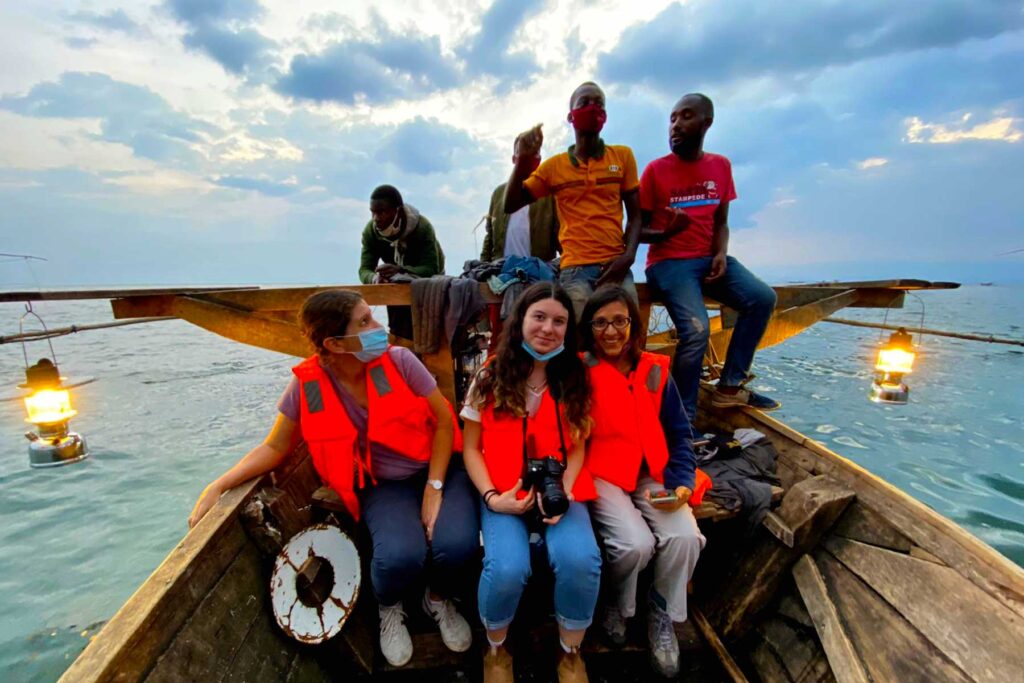
During your tour, you may engage in more activities at the lake, including swimming in the refreshing waters of Kivu. The beaches are exceptional, featuring stunning vistas and pristine sand. You may opt to navigate the exquisite islands via canoe or speedboat. Nyamirudi Island is a wonderful destination to explore. It is located near the town of Gisenyi and is renowned for its coffee production. During your visit, you can acquire knowledge about the local coffee processing methods leading to the final product. The island features stunning landscapes and provides excellent vistas of adjacent islands. Additional sports at the lake encompass kayaking, windsurfing, and speedboat riding. Upon completing all activities at the lake, you may opt to cycle along the Congo Nile Trail. The Congo Nile Trail traverses Lake Kivu, providing an excellent chance for bicycling or cycling throughout the route.