 info@gorillatrekkinginafrica.com

Birdwatching in Rwanda – Cost, Where to Go and Bird Species
When considering Rwanda, the initial associations are the mountain gorillas, the undulating hills, and the nation’s extraordinary recovery from the atrocities of the 1994 genocide. Rwanda has not distinguished itself as a premier birding destination. Publicity for birding and sports such as sport fishing in Rwanda remains limited. The prominence of mountain gorillas has eclipsed avitourism and other tourist attractions in Rwanda. I recently conversed with a buddy about the lesser-known Congo Nile track, which is perhaps the premier riding track in East Africa. We unanimously believe that Rwanda should promote these lesser-known attractions and sites with greater emphasis, similar to gorilla trekking.
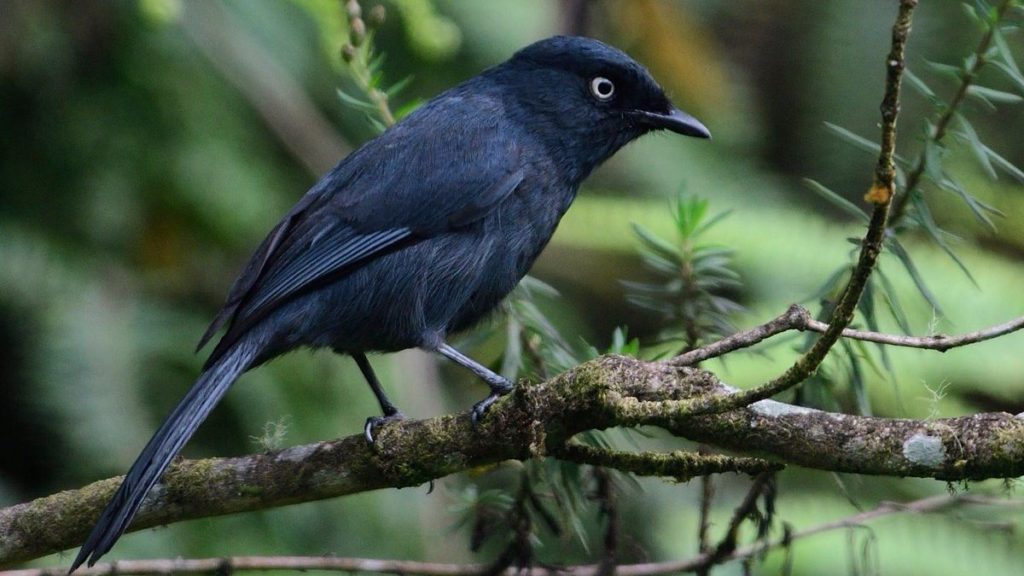
Rwanda is an exceptional location for ornithologists due to its extensive diversity of avian habitats. These environments encompass mountains, montane forests, meadows, plains, extensive swamps, rivers, lakes, and undulating hills. Rwanda possesses well-developed road networks and maintains safe, clean urban areas. Birdwatching in Uganda is deemed more popular; nevertheless, Rwanda possesses superior infrastructure (roads and bird paths). Due to her diminutive size, it is feasible to traverse the country swiftly in comparison to Kenya or Tanzania.
What is the best time for birdwatching in Rwanda?
Birdwatching in Rwanda is possible year-round; however, certain months offer more advantageous conditions for enthusiasts. Rwanda experiences two primary rainy and dry seasons. The interval between December and January is regarded as optimal for avian observation in Rwanda. These months occur during the dry season and are notable due to the influx of migratory birds seeking refuge from the severe winter weather in Europe and the Arctic regions.
Significant bird Habitats in Rwanda
Rwanda contains seven significant birding habitats situated inside four of its national parks, including Nyungwe, Akagera, and Volcanoes National Park. Birding is also feasible in unexpected locations like as the capital, Kigali. Let us examine these avian observation locations in greater detail:
Kigali City:
The nations of East Africa offer remarkable prospects for avian observation. In Rwanda and Uganda, birding can commence immediately upon exiting the airport or within the major urban areas. Urban birdwatching in Kigali is ideal for anyone with constrained time to explore rural areas or major national parks. The birdwatching chances in Kigali will astonish you. Birdwatching in Kigali may commence in the hotel gardens; however, a more astute option would be to explore the Lake Nyarutarama birding habitats in Rwanda, situated near the primary golf course in Kigali. This lake features picturesque pathways ideal for observing black-headed herons, grey-capped warblers, white-faced whistling ducks, and flying geese. The Rwandan government has lately established a substantial park on the outskirts of the city center, which is gaining popularity among birdwatchers. One may also explore the Nyabarongo marsh to observe tiny egrets, spur-winged geese, squacco turacos, and yellow-billed storks. Mount Kigali is a premier location for avian observation in Rwanda. This location features red-chested cuckoos, African paradise flycatchers, and southern black flycatchers, among numerous more.
Nyungwe National Park:
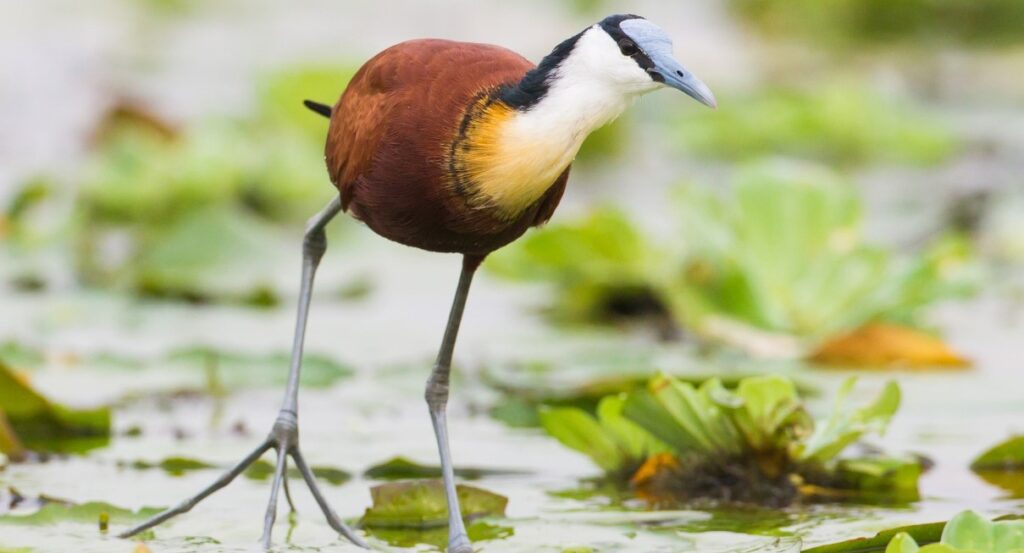
Nyungwe National Park is the largest and oldest montane forest in Africa. More than 300 avian species inhabit the forest. Bigugu Mountain within the forest is an excellent location for seeing birds as they forage in the tree canopies. One may exit the woodland and proceed to the Gisakura tea plantation, a favored location for avian species. The Red-collared Babbler is undoubtedly the most esteemed and visually appealing animal in Nyungwe National Park. Nyungwe Forest is home to the Albertine Owlet, Blue-headed Sunbird, Grauer’s Swamp Warbler, Grauer’s Warbler, Handsome Francolin, Handsome Spur Fowl, Neumann’s Warbler, Purple-breasted Sunbird, Regal Sunbird, Rwenzori Batis, Rwenzori Nightjar, Rwenzori Turaco, and Red-collared Babbler, among others. The optimal method to traverse this forest is via walking or bicycling along sections of the Congo Nile path that intersects the area. One may utilize the established forest trails that access various portions of the forest. An alternative method for traversing the forest and observing avian species is to embark on a canopy walk. The canopy walkway in Nyungwe Forest spans 160 meters and is constructed atop the trees, providing an aerial perspective of the expansive forest and its fauna. Should you had sufficient time, you may also explore the Kamiranzovu marsh.
Birding excursions in Rwanda necessitate the engagement of a birding guide while exploring Nyungwe Forest to assist in identifying avian species and navigating forest trails. A professional birding guide will assist you in identifying species such as the Archer’s Robin-Chat, Barred Long-tailed Cuckoo, Black-headed Waxbill, Doherty’s Bush-shrike, Eastern Mountain Greenbul, Great Blue Turaco, Grey Cuckooshrike, Montane Oriole, Mountain Illadopsis, Mountain Sooty Boubou, Pink-footed Puffback, Red-chested Owlet, Regal Sunbird, Ruwenzori Batis, Ruwenzori Blue-headed Sunbird, Sharpe’s Starling, Slender-billed Starling, Striped-breasted Tit, Stuhlmann’s Double-collared Sunbird, Stuhlmann’s Starling, Thick-billed Seedeater, White-eyed Slaty Flycatcher, White-starred Robin, and Yellow-eyed Black Flycatcher.
Nyungwe Forest is exceedingly dense, making bird observation challenging as most species tend to inhabit the upper canopy. An expert birder should guide you to the optimal locations in the forest for unobstructed views of the birds. Engaging in birdwatching within the forest will also reveal other forest fauna, including primates such as the Angola Colobus, Golden monkeys, and the chimpanzees of Rwanda.
Akagera National Park
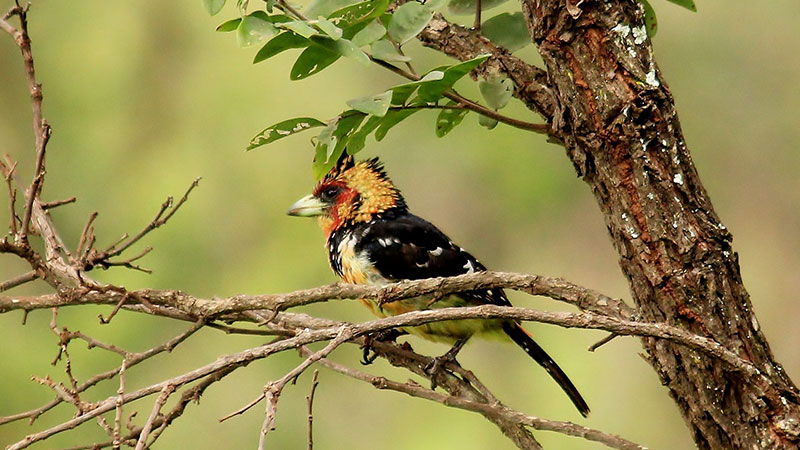
Akagera National Park comprises lakes, wetlands, undulating hills, and savannah, collectively attracting 310 bird species. The park is situated in the northeastern region of the country, near the border with Tanzania. The premier birdwatching locations are situated around Lake Ihema, including its islands, marshes, and wetlands. A boat excursion on Lake Ihema is an effective method for observing avian species in the Park; nevertheless, birding safaris in Rwanda are conducted in the early morning and evening on the savanna. The morning sessions are undoubtedly the most enjoyable due to the abundant avian activity. The predominant species in the park is the Red-faced Barbet, although Akagera also hosts the endangered Papyrus Gonolek. Akagera National Park is undoubtedly the premier location in Africa for observing the elusive Ring-necked Francolin. While on your safari at Akagera National Park, anticipate observing many intriguing species such as the Carruthers’s Cisticola, Grey-crowned Cranes, Northern Brown-throated Weaver, Papyrus Gonolek, White-collared Oliveback, and White-Winged Swamp Warbler. The African Starling is undoubtedly the most exquisite avian species in Akagera. They possess remarkable feathers that alter hue and shimmer in the midday sunlight. Observing this bird is a highlight of a birdwatching safari in Akagera.
The secretive Shoebill stork resides here, but locating them needs time and patience. The optimal period for birdwatching in Akagera is the dry season, spanning from May to September. The southern sector of the park exhibits a greater diversity of butterflies and birds compared to the northern sector. When birding in Rwanda’s Akagera National Park, anticipate encountering renowned creatures such as elephants, giraffes, hippos, lions, and numerous antelopes. Accommodation options include tented camps or regular cottages, contingent upon your preferences and budgetary constraints.
Volcanoes National Park:
This park is renowned for gorilla trekking, golden monkeys, and hiking volcanoes such as Karisimbi. Nonetheless, this does not alter the reality that it is among the premier locations for birdwatching in Rwanda. Approximately 200 species inhabit the park. Twenty-seven species are exclusive to this park, whilst sixteen are endemic to the volcanoes of the Virunga mountain range in Rwanda. The species to observe include the Archer’s ground robin, Cinnamon bracken warbler, Grauer’s rush warbler, Rwenzori batis, White-tailed blue-flycatcher, and Black and white manikin. Volcanoes National Park is next to Mgahinga National Park in Uganda and Virunga National Park in Congo, facilitating the presence of certain species from these countries in Rwanda.
Gishwati-Mukura National Park
This is Rwanda’s latest national park, located in the northwestern region of the country. Prior to its designation as a national park, Gishwati was recognized as a premier avian destination in Rwanda, hosting 395 bird species. Included among them are the Martial Eagle, Purple-breasted Sunbird, Red-throated Alethe, Regal Sunbird, Ruwenzori Batis, Ruwenzori Turaco, Strange Weaver, Stripe-breasted Tit, and Grey Crowned Crane. The majority of the species are forest inhabitants or native to the Albertine Rift. Some individuals travel from Congo for the most of the year. While observing birds, anticipate the presence of baboons, chimpanzees, and blue and golden monkeys. The optimal birdwatching experience in Gishwati-Mukura National Park occurs during the dry season. The rainy season has numerous challenges, including mud-laden trails that can be exceedingly hazardous.
Birdwatching safaris in Rwanda: Lake Kivu is renowned for its picturesque beaches, islets, and as a premier destination for sport fishing in Rwanda. It is sometimes overlooked that the Lake is a premier birdwatching locale in its own right. The lake’s natural beauty and its islets allure White-breasted Cormorants and Pied Kingfishers. During specific months of the year, thousands of migrating birds can be observed feeding around the lake alongside local species. To achieve a comprehensive birding experience at Lake Kivu, one must visit Nkora Island. Nkora Island is a tiny fishing community inhabited by numerous aquatic avifauna and cave-dwelling bats. You will have the opportunity to interact with local fisherman and gain insights into their livelihood.
Wetlands, marshes, and the Nyabarongo River comprise 10 percent of Rwanda’s land area. The principal wetlands and marshes comprise Rugezi, Akanyaru, and Rugezi. These wetlands offer natural feeding and breeding habitats for birds by deterring most predators and providing insects and frogs as sustenance. The Rugezi Marsh is a premier avian observation locale and the sole RAMSAR site in Rwanda. The marsh encompasses around 6,734 hectares and supports around 43 avian species. The species comprise the Grauners Swap Warbler, Papyrus Genolek, Papyrus Yellow Walber, and Thick-Billed Seedeater in Rwanda. Proceeding southward from the marsh, one will encounter the expansive waters of Lake Nyagafunzo. This lake is a veritable delight for birdwatchers. It provides opportunity to observe the Lesser Jacana and White-backed Duck.
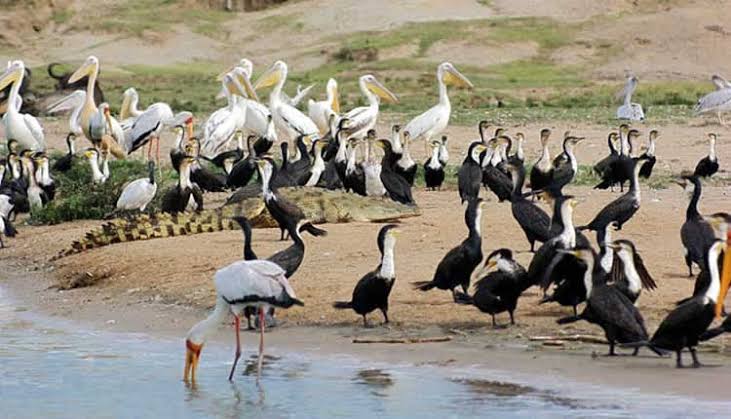
The marshes of the Nyabarongo River are somewhat obscure yet provide exceptional birdwatching prospects. The Nyabarongo River is a tributary of the Nile River and discharges its waters into the Akagera River, which subsequently flows into Lake Victoria. The Wetlands host Garuer’s swamp warblers and papyrus gonoleks. During a birding expedition here, one may also observe swamp elephants and the rare Sitatunga. Additional wetlands and marshes that accommodate birdwatching sanctuaries are those in Bugesera District and Akanyaru. The Akanyaru marshes are located along the border of Burundi. They are distinguished by their floating flora and papyrus wetlands. Here, one may observe approximately 54 avian species, including the lesser kestrel, Madagascar squacco heron, pallid harrier, and the endangered papyrus gonolek.
Checklist for avian observation in Rwanda
For an optimal birding experience in Rwanda, it is essential to equip yourself with high-quality binoculars, field guides, durable hiking footwear, drinking water, and snacks. It is advisable to be accompanied by a knowledgeable local guide who can lead you to optimal birding locations and assist with species identification. Let us examine the packing list with greater specificity:
Optical instruments for magnifying distant objects.
A pair of binoculars is essential for ornithologists. It is essential to consider gaining this while arranging a birding excursion in Rwanda. The avifauna in Africa tends to be relatively timid, with most species taking flight upon close proximity or detection of intruders’ attention. A primary reason for their intense fear of humans is that they have frequently been killed for meat by human populations across various regions of Africa. The optimal method to identify them is to utilize high-quality binoculars that may be adjusted for enhanced clarity.
A photographic device.
What is the purpose of binoculars if one cannot capture high-quality photographs of birds to display to friends or the broader birdwatching community? An excellent camera is crucial for an exceptional birdwatching experience. We advise purchasing the highest quality camera within your budget to get stunning photographs of Rwanda and its exquisite avifauna. The photographs will assist you in juxtaposing observations with the texts and evaluating the success of your journey.
A portable audio recording device:
Birds produce many vocalizations, which can be quite fascinating. The optimal method for capturing these noises is by utilizing a high-quality portable voice recorder. This will assist you in distinguishing various birds while returning to your room to compare notes.
Ornithological literature pertaining to Rwanda:
Bird identification manuals are essential for recognizing the species you have observed. The books are available for purchase at the national park headquarters and other prominent birdwatching locations. The book need to contain a comprehensive compilation of the avian species, along with illustrations, found in the region you intend to visit, as it will assist you in identifying the encountered species.
Consumption of water and sustenance. Occasionally, birdwatching excursions extend for prolonged durations, resulting in thirst and fatigue. What more effective method exists for alleviating discomfort than consuming snacks and hydrating with water? The majority of birdwatching locations are situated in isolated regions devoid of dining establishments or retail outlets. It is prudent to venture out adequately prepared to avoid dehydration and hunger in the bush.
Birdwatching in Rwanda: Insect Repellent
Birds flourish in regions abundant with insects. Insects constitute their primary sustenance, in addition to fruits and grains. Certain insects possess unpleasant stings, including wasps, bees, mosquitoes, and Tsetse flies. Utilize an effective insect repellent to deter them.
Furs and other garments:
Hides are specialized camouflage garments employed by birdwatchers to blend into their environment without drawing the notice of birds. These specialized garments provide discreet proximity to avian species. Possessing an effective array of hides is particularly crucial if you intend to observe elusive species that flee upon detecting human presence. In addition to the hides, comfortable attire appropriate for the forest or marshes is also necessary. A quality pair of trousers, a long-sleeved shirt, and lightweight fabric can safeguard you against insects and the African sun.
Code of etiquette on a birding safari in Rwanda
When visiting national parks or birding sanctuaries, it is imperative to adhere to specific regulations and norms of conduct. It is imperative to respect avian species and their habitats.
Avoid actions that jeopardize the welfare of the birds or cause them any disturbance. An adept birder should refrain from pursuing birds or attempting to disturb them from their concealed locations. Allow them to emerge of their own volition.
Exercise caution when documenting avian species and refrain from utilizing flash photography, particularly in regions with high bird populations and during the breeding season. Maintain a significant distance from established nesting colonies to avoid disturbing the birds or jeopardizing the chicks. Refrain from handling eggs unless you are a researcher. Numerous animals forsake their eggs upon human contact.
Honor the surroundings in which you are situated. Do not litter in bird sanctuaries. Refrain from trampling and preserve bird habitats in their original state. Refrain from trespassing on private property while birdwatching without prior authorization. You wish to preserve the reputation of the broader birdwatching community.
Investigate any particular rules or regulations related to a designated birding location. Whenever feasible, proceed in a smaller, manageable group to prevent environmental degradation or disturbing the avian population.