 info@gorillatrekkinginafrica.com

Bush Walking Safaris in Tarangire National Park: Tanzania’s Premier Walking Safari Destination
Bush Walking Safaris in Tarangire National Park, Tarangire National Park, nestled in northern Tanzania’s Manyara Region, is widely celebrated as one of East Africa’s most rewarding bush walking safari destinations. Covering approximately 2,850 square kilometres of ancient, sun-baked wilderness, the park sits at elevations ranging from 1,000 to 1,500 metres above sea level — a landscape sculpted over millennia by the sinuous Tarangire River, vast seasonal swamplands, and the iconic baobab trees that have become the park’s defining visual signature.
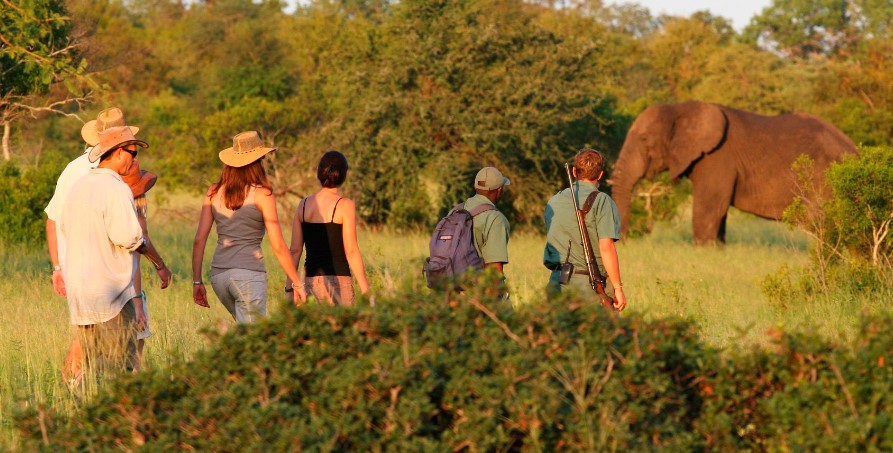
While game drives remain the traditional safari format across Tanzania, bush walking safaris in Tarangire offer something profoundly different: an intimate, immersive encounter with the African wilderness that no vehicle can replicate. On foot, you become part of the ecosystem rather than a spectator of it. You feel the dry dust beneath your boots, hear the distant rumble of elephants moving through acacia scrub, smell the wild sage after rain, and read the ancient stories written in animal tracks, bird calls, and the crumbling bones of prey. Every step reveals a world invisible to those who never leave the vehicle.
This comprehensive guide covers everything you need to know about bush walking safaris in Tarangire National Park — from the ecology and wildlife you will encounter, to logistics, safety, best seasons, operator selection, and practical tips for making the most of this exceptional wilderness experience.
Tarangire National Park: An Ecological Overview
Geography and Landscape
Tarangire is located in the Manyara Region of northern Tanzania, approximately 118 kilometres south of Arusha — the gateway city for Tanzania’s Northern Circuit safaris. The park was gazetted in 1970 and forms part of the larger Tarangire – Manyara ecosystem, which encompasses Lake Manyara National Park, Mto wa Mbu wetlands, and surrounding Game Controlled Areas totalling over 20,000 square kilometres.
The landscape is dominated by the Tarangire River — the only permanent water source in the region during the dry season — which flows northward through the park before emptying into Lake Burunge. This reliable water source transforms Tarangire into one of the greatest wildlife spectacles in Africa during July through October, when animals from across the wider ecosystem converge on its banks. The river floodplains, seasonal swamps like Silale and Gursi, open grasslands, and dense miombo woodland create a complex mosaic of habitats that supports extraordinary biodiversity.
The Baobab Trees: Tarangire’s Icons
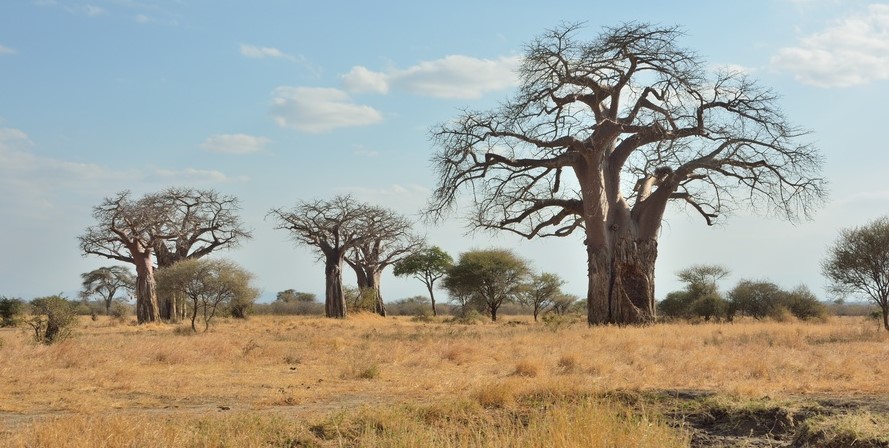
No feature defines Tarangire more immediately than its ancient baobab trees (Adansonia digitata). These extraordinary giants — some estimated to be over 1,000 years old — rise from the red earth like monuments, their swollen grey trunks storing thousands of litres of water and providing food, shelter, and nesting sites for dozens of species. On a walking safari, you will stand in the shade of these prehistoric giants, observe elephant-gnawed scars on their bark, find hornbills nesting in their cavities, and understand viscerally why local cultures hold them sacred. The baobabs are not mere scenery on a walking safari — they are living waypoints, shade providers, and ecological hubs.
Wildlife Diversity
Tarangire hosts one of the largest elephant populations in Tanzania — typically 2,500 to 3,000 individuals with densities rising to extraordinary levels during the dry season. Beyond elephants, the park supports exceptional populations of:
- Buffalo, lion, leopard, cheetah, and spotted hyena among the large predators and mega-herbivores
- Fringe-eared oryx, lesser kudu, gerenuk, and Grant’s gazelle — species particularly associated with the park’s dry-country habitats
- Zebra, wildebeest, impala, eland, and giraffe in large migratory herds during the wet season
- African wild dog — occasionally sighted on the park’s periphery during movement between territories
- Over 550 recorded bird species, making it one of Tanzania’s top birding destinations
- Yellow-collared lovebirds, ashy starlings, Tarangire cisticola, and several species of hornbill among the park’s avian specialities
What Are Bush Walking Safaris?
The Walking Safari Concept
A bush walking safari — also called a foot safari or guided walking safari — is an escorted excursion into the wilderness on foot, led by Tanzania National Parks (TANAPA) licensed walking guides and armed rangers. Unlike game drives, walking safaris move at the pace of human beings through the bush, allowing participants to engage with the environment at a completely different level of detail and sensitivity.
In Tarangire, bush walks typically last two to four hours, though extended full-day walks and multi-day bush walk expeditions are available through specialist operators. Groups are kept deliberately small — usually a maximum of six to eight walkers per guide — to minimise ecological impact, maximise safety, and ensure each participant receives personalised attention and wildlife interpretation.
Why Walking Changes Everything
The sensory contrast between a game drive and a walking safari is startling. On a game drive, the vehicle imposes distance and creates a visual barrier between you and the wild world — you observe, but you are not truly present. On foot, all of that changes. The crunch of dry leaves underfoot, the scent of elephant dung still warm in the morning sun, the adrenaline spike when a buffalo lifts its head 40 metres away — these are visceral experiences that lodge in memory far more deeply than any photograph.
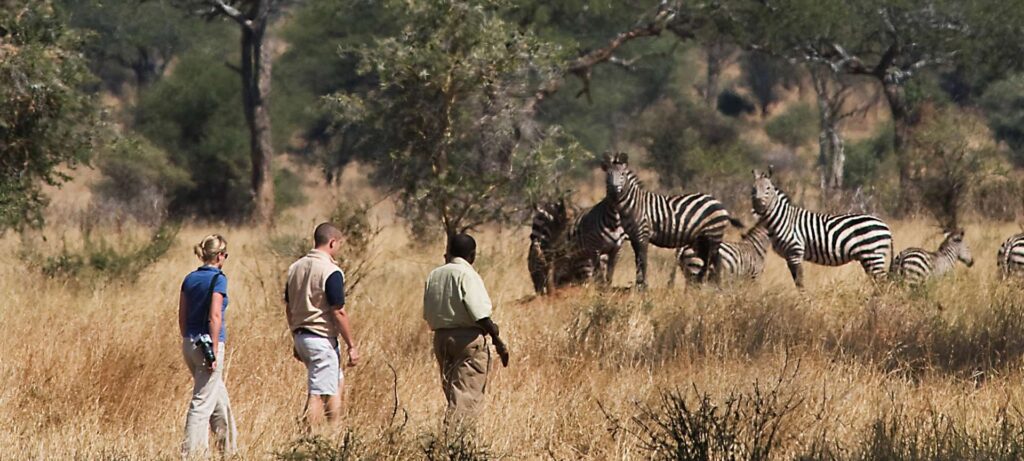
Walking also transforms what you see. Guides trained in tracking and bush lore reveal a landscape rich with story: a python’s belly-drag across a sandy path, the precise species of dung beetle rolling its prize across a clay pan, the medicinal properties of a twisted acacia bark, the territorial scratch-marks of a leopard at eye height on a fever tree. These micro-details, invisible from a vehicle, form the living grammar of the African bush — and walking safari guides are its translators.
Best Areas for Bush Walking Safaris in Tarangire
The Tarangire River Circuit
The riverine woodlands and floodplains fringing the Tarangire River form the heart of the park’s walking safari territory. Mature acacia, sausage trees, and fever-berry fig trees line the banks, providing dense cover for predators and rich foraging grounds for elephants, buffalo, and impala. Walking near the river during the dry season delivers the highest wildlife densities in the park — but also demands the greatest guide vigilance, as large animals are concentrated around the only water source.
Silale and Gursi Swamp Areas
Tarangire’s seasonal swamps — Silale in the northern section and Gursi in the south — attract extraordinary concentrations of wading birds, large mammals, and predators during the dry season. Walking the grassland and woodland edges of these swamps offers some of the most memorable encounters available in the park: elephant families bathing, pythons basking on mud flats, hundreds of zebra moving to water, and a birdlife so rich that ornithologists return year after year specifically for these habitats.
Northern Wilderness Concessions
The northern section of Tarangire — accessed through private conservancies such as Tarangire Treetops and Oliver’s Camp concession — offers the most exclusive walking safari experiences in the ecosystem. These concession areas operate under special TANAPA licences allowing walking in zones closed to standard park vehicles, providing a genuine sense of wilderness remoteness. The landscape here is dominated by ancient baobab-studded hills, seasonal luggas (dry stream beds), and undisturbed miombo woodland — terrain that rewards slow, attentive walking.
Southern Tarangire: Kwa Kuchinja Corridor
The southern park boundary and adjacent Kwa Kuchinja wildlife corridor link Tarangire to the Maasai Steppe and beyond. Walking this transitional zone during the shoulder seasons — when wet-season migrants are beginning their movement — offers encounters with species rarely seen in the park’s core: wild dog, stripped hyena, and large herds of zebra and wildebeest passing through en masse. This is frontier walking at its most authentic.
Best Time for Walking Safaris in Tarangire
Peak Season: July to October (Dry Season)
The long dry season from July through October is unequivocally the best time for walking safaris in Tarangire. Vegetation thins as the dry weather advances, dramatically improving visibility through the bush. Wildlife concentrates around the Tarangire River and permanent swamps, meaning walkers encounter extraordinary densities of animals within compact areas. Temperatures are comfortable — mornings are cool (around 15–18°C), afternoons warm but not oppressive (26–30°C) — and the absence of rain means ground conditions are ideal for walking.
August and September represent the absolute peak, when elephant numbers can exceed 3,000 individuals in the park — one of the greatest elephant concentrations anywhere in Africa. Walking among or near these herds under skilled guide supervision is an experience of extraordinary power. Predator activity is also high during this period, as lions, leopards, and wild dogs take advantage of the concentrated prey.
Green Season: November to March
The short rains (November–December) and long rains (March–May) transform Tarangire into a lush, green landscape. Walking in the early wet season (November–December) can be rewarding — migrant birds arrive in spectacular numbers, newborn animals are abundant, and the landscape’s contrast between red earth and fresh green grass creates stunning visual beauty. However, tall grass reduces wildlife visibility, some trails become impassable, and tsetse flies increase significantly in certain zones.
The long rains (March–May) bring heavier rainfall, muddier conditions, and closed access to some walking areas. Walking safaris still operate during this period — and some operators offer dramatically reduced rates — but they are recommended primarily for experienced Africa travellers comfortable with reduced wildlife sightings in exchange for a more pristine, uncrowded park experience.
What to Expect on a Walking Safari
The Pre-Walk Briefing
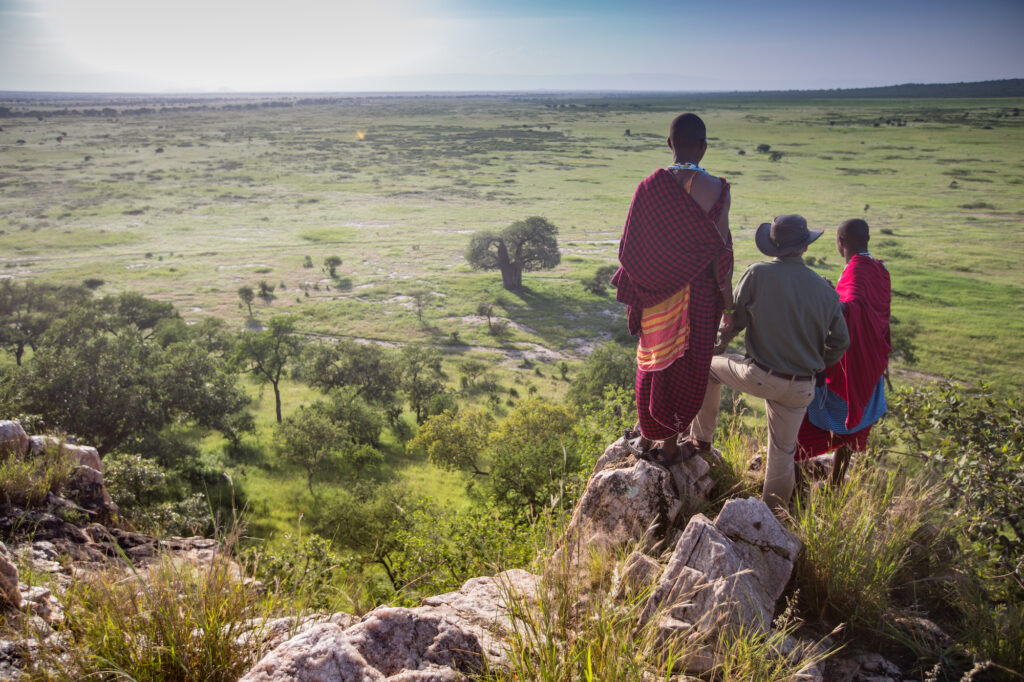
Every reputable walking safari in Tarangire begins with a thorough safety and conduct briefing, typically conducted at camp before departure. Your guide will explain walking formation — single file, guide at front, armed ranger at rear — and cover the fundamental safety protocols: how to respond to different threat scenarios, essential hand signals the guide will use (stop, crouch, move left, retreat), and the rules around photography, noise, and maintaining safe distances from wildlife.
The briefing will also cover what to wear (neutral, muted colours — never white, red, or bright blue), footwear requirements, what to bring (water, sunscreen, hat, camera), and the pace and duration of the walk. Guides stress that the objective is not to cover ground quickly but to observe, learn, and experience — experienced walking safari guests often return from a two-hour walk feeling they’ve encountered more wildlife than many all-day game drives.
On the Walk: Pace, Observation, and Tracking
Walking safaris move slowly and deliberately. The guide reads the landscape constantly — scanning trees for roosting leopards, examining tracks in the dust, listening for alarm calls that betray predator presence, and reading wind direction to stay downwind of potentially dangerous animals. Guests who embrace this pace of attentiveness — rather than seeking to tick species off a list — consistently describe their walking safari as the highlight of their entire African journey.
Experienced Tarangire walking guides are expert trackers trained in the traditions of their Maasai and Rangi communities, combined with professional ranger training. They can identify a species from its footprint alone, determine how recently an animal passed from the freshness of its dung, read territorial scent-marks left on grass stems, and hear the difference between the alarm call of a fork-tailed drongo (which often alerts to a predator) and its habit of giving false alarms to distract other animals from food. This interpretive depth elevates the walking experience from a scenic walk to a genuine education in ecological literacy.
Wildlife Encounters on Foot
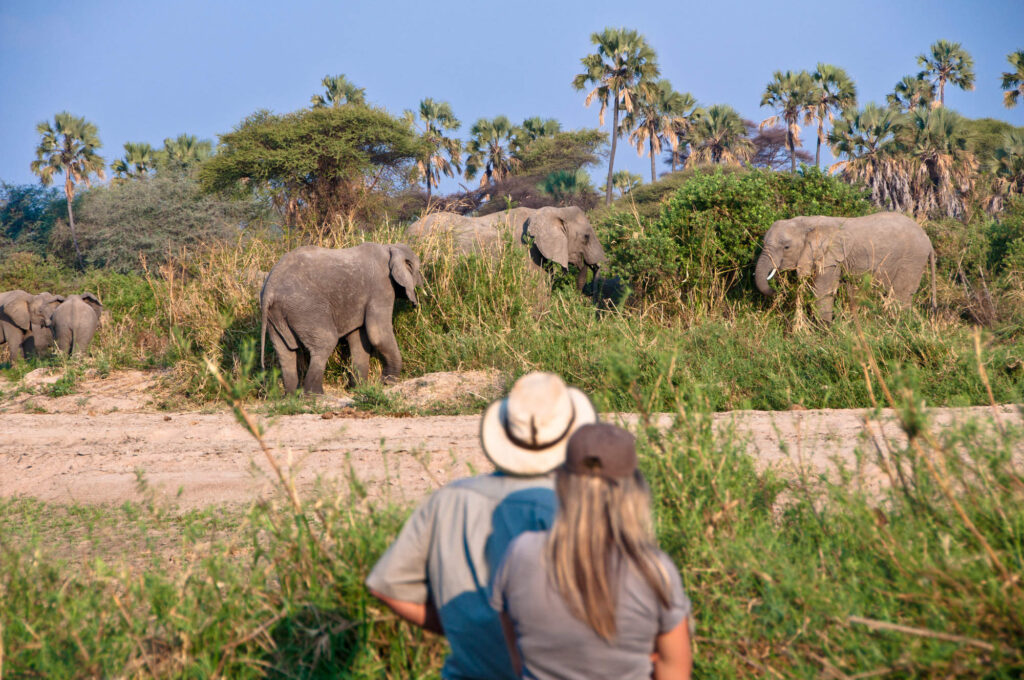
Encounters with large wildlife on foot in Tarangire are deliberately managed to be safe but not sanitised. Guides read animal body language with great precision — the difference between a curious elephant and an agitated one, between a lioness resting in shade and one that has registered your presence as a potential threat. When encounters are safe, guides will bring groups surprisingly close: standing 30 metres from a feeding giraffe, watching elephants cross a lugga 50 metres ahead, or observing a breeding herd of buffalo moving through miombo woodland are standard experiences on well-guided walks.
When a situation requires withdrawal, experienced guides execute this with calm and efficiency — a controlled retreat that preserves both group safety and the animal’s sense of security. These moments of managed tension are, paradoxically, among the most memorable a walking safari can deliver: the adrenaline, the guide’s quiet authority, the team’s collective breath held — then the exhale as the animal decides you are no threat and returns to feeding.
Safety on Bush Walking Safaris
TANAPA Regulations and Licensed Guides
All walking safaris in Tarangire National Park must be conducted in compliance with Tanzania National Parks Authority (TANAPA) regulations. These require that all walks be led by a TANAPA-licensed walking guide and accompanied by at least one TANAPA-certified armed ranger. The ranger carries a high-calibre rifle as a deterrent and last-resort safety measure — in practice, discharging a weapon is an extremely rare event, but its presence provides a vital safety backstop in a genuine emergency.
Reputable operators in Tarangire ensure their guides hold valid TANAPA walking guide certification, current first aid qualifications, and extensive practical experience in the specific terrain where walks operate. When selecting a walking safari operator, always verify these credentials — a skilled guide makes an enormous difference not only to your safety but to the quality and depth of the experience.
Managing Risks: Elephants and Buffalo
The two animals responsible for the greatest number of human fatalities in Africa — elephants and buffalo — are both abundant in Tarangire. On walking safaris, managing encounters with these species requires different approaches. Elephants are managed through reading individual behaviour: elephants accustomed to vehicles are not necessarily comfortable with humans on foot, and mock charges (head shaking, ear flapping, rumbling) must be distinguished from genuine charges (ears pinned, head lowered, trunk tucked). Buffalo, which have poor eyesight but acute smell, are approached strictly downwind and at conservative distances.
Professional walking guides in Tarangire maintain safety through prevention rather than reaction: constant environmental reading, conservative approach distances, wind monitoring, and refusal to approach animals that are stressed, feeding aggressively, with young, or in musth (in the case of bull elephants). The walking safari has a strong safety record precisely because skilled guides treat risk management as a continuous, active process rather than a set of static rules.
Health and Physical Requirements
Bush walking safaris in Tarangire are accessible to most reasonably fit adults. Standard walks cover three to eight kilometres on relatively flat terrain, with pace kept gentle and multiple stops built in for wildlife observation, tracking lessons, and rest. The primary physical demands are heat tolerance (morning walks begin at 06:00–06:30 to avoid afternoon heat), concentration over extended periods, and the ability to stand still for minutes at a time when animals are near.
Participants should be current on standard travel vaccinations for Tanzania, including yellow fever, hepatitis A and B, typhoid, and tetanus. Anti-malarial prophylaxis is essential — Tarangire lies within a malaria transmission zone. Participants with heart conditions, severe asthma, or mobility limitations should consult their doctor before booking and discuss their specific needs with the operator, who may be able to modify the walk format to accommodate them.
Children on walking safaris: most operators impose a minimum age of 12 years for walking safaris, with some setting the limit at 16 for extended or more challenging walks. Children should be assessed individually for their ability to follow guide instructions, remain quiet when required, and manage the demands of multi-hour bush walks in heat.
Specialist Walking Safari Operators in Tarangire
Oliver’s Camp
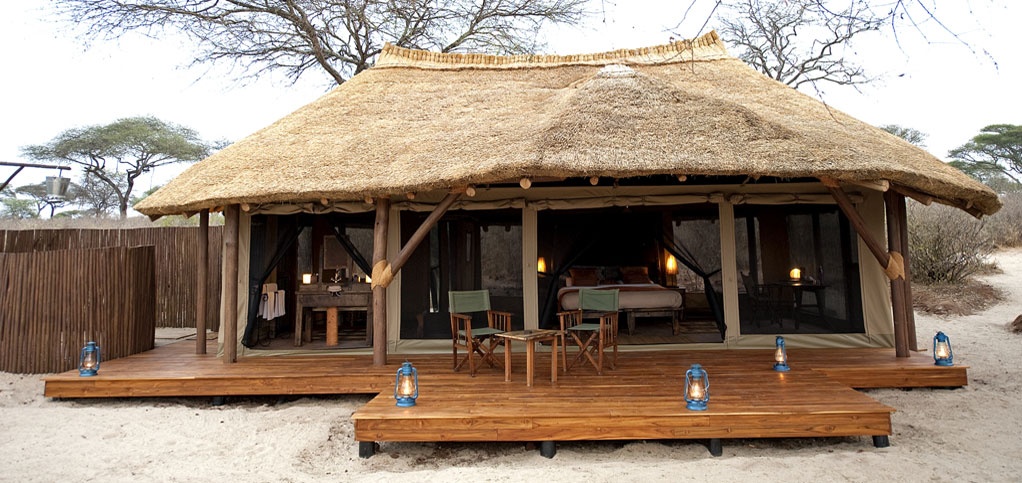
Oliver’s Camp, operated by &Beyond in a private concession area of northern Tarangire, is widely regarded as Tanzania’s foremost walking safari camp. Operating since 1992, Oliver’s has pioneered the extended day walk format in Tarangire — guided walks that last six to eight hours, covering substantial distances through remote wilderness with a fly-camp lunch stop beneath a baobab. The camp’s guides are legendary among walking safari enthusiasts for their tracking ability, ecological knowledge, and capacity to communicate genuine passion for the bush.
Sanctuary Swala Camp
Sanctuary Swala Camp operates in the heart of Tarangire, offering walking safaris that depart directly from camp into surrounding wilderness. The camp’s walking programme focuses on the richly biodiverse acacia woodland and floodplain zone, with guides particularly skilled at bird interpretation and elephant behaviour. Swala’s walks are well-suited to guests combining walking with traditional game drives — the camp’s central location allows both formats to be pursued within a single visit.
Tarangire Treetops
Elewana’s Tarangire Treetops is situated in a private 600-hectare concession in the park’s northeast. The lodge’s walking safaris operate in this exclusive zone, with guest groups frequently encountering the families of habituated elephants that feed around the property’s ancient baobabs. The Treetops walking programme includes night drives and bush dinners that can be combined with morning walks, creating a complete immersion experience for guests spending multiple nights.
Mobile Camping and Independent Operators
Several specialist Tanzania safari operators — including Dorobo Safaris, Roy Safaris, and Asilia Africa — offer mobile tented walking safari itineraries that include Tarangire as part of a multi-destination walking journey. These programmes appeal to experienced safari-goers seeking maximum authenticity and flexibility: camps are fly-packed and moved between sites, walks follow wildlife and tracker knowledge rather than fixed routes, and the entire rhythm of the trip is shaped around walking rather than driving.
Essential Gear and Clothing Guide
Clothing
Clothing for walking safaris should be functional, comfortable, and appropriately coloured:
- Neutral, earth-toned colours: khaki, olive, tan, grey, and brown. Avoid white, black, bright colours, and camouflage (illegal in Tanzania)
- Lightweight, breathable long-sleeved shirts for sun protection and protection from thorn scrub
- Lightweight long trousers — convertible zip-off trousers are practical and popular
- Wide-brimmed hat or safari-style cap: sun protection in Tarangire’s open savanna is critical
- Buff or neck gaiter for dust protection during dry season walks
- Comfortable, well-broken-in closed-toe walking shoes or lightweight boots with ankle support — not sandals
Equipment and Accessories
- Daypack capable of carrying at least two litres of water per person — hydration is critical in Tarangire’s heat
- High-SPF sunscreen and lip balm — the East African sun is intense year-round
- Binoculars: 8×42 or 10×42 recommended. A walking safari without binoculars misses much of the finest detail
- Camera with a versatile zoom lens — 100–400mm range is ideal for wildlife photography on foot
- Insect repellent with DEET: essential during the wet season and at dawn and dusk year-round
- Small first aid kit including blister plasters, antiseptic wipes, and any personal medications
- A lightweight windproof layer for early morning walks when temperatures are cooler
Combining Walking Safaris with Other Tarangire Activities
Dawn Walk and Game Drive Combination
The most popular format among guests at Tarangire’s walking-focused camps is the dawn bush walk combined with an afternoon game drive. The walk (06:00–08:30) captures the morning’s golden light, cool temperatures, and peak predator activity — followed by breakfast at camp, rest during the hottest hours of midday, and a traditional game drive (15:30–18:30) in the park’s vehicle-accessible areas. This combination delivers both the intimacy of walking and the wider-ranging wildlife coverage of a drive, and is the format most operators recommend for first-time walking safari guests.
Fly-Camp Walking Expeditions
For those seeking maximum adventure, multi-day fly-camp walking expeditions in Tarangire represent the pinnacle of the walking safari experience. Guests spend two to four nights in lightweight, temporary camps set up by the guide team in remote areas of the park or adjacent conservancies, moving on foot between sites. Camps are simple but comfortable — stretcher beds, bucket showers, and campfire dining under the stars — and the intimacy of sleeping in the wild bush with nothing between you and the night sounds is profoundly moving.
Cultural Encounters with Local Communities
The communities bordering Tarangire — including Maasai herders and the traditional Rangi and Barabaig peoples — offer rich cultural encounter opportunities that pair naturally with walking safaris. Several operators include visits to traditional bomas (family compounds), guided by Maasai elders who share knowledge of plant medicine, warrior traditions, and the complex human-wildlife coexistence challenges faced by communities living alongside Tarangire’s wildlife. Walking between the bush and the village creates a complete narrative: conservation as lived reality, not abstract policy.
Conservation and Responsible Tourism
Tarangire’s Conservation Challenges
Tarangire faces significant conservation pressures that walking safari guests should understand. The park’s seasonal wildlife migrations require movement through corridors of land outside the park boundaries — land increasingly subject to agricultural encroachment and settlement. The Kwa Kuchinja corridor in particular, through which thousands of wildebeest and zebra migrate annually, has been dramatically reduced in size over the past two decades, disrupting wildlife movement patterns and increasing human-wildlife conflict.
Elephant-human conflict is the park’s most acute conservation challenge. As agricultural settlements expand closer to park boundaries, crop-raiding elephants come into deadly conflict with farming communities. Revenue from walking safaris — through park fees, operator community levies, and local employment — provides critical economic incentives for communities to tolerate wildlife and support conservation rather than viewing it as a threat to their livelihoods.
Choosing a Conservation-Conscious Operator
Responsible walking safari operators in Tarangire should demonstrate concrete commitments to conservation and community benefit. Key questions to ask when selecting an operator include: What percentage of your revenue goes to community development in villages adjacent to the park? Do you employ local guides and staff from surrounding communities? Are your walking routes approved and monitored to prevent habitat disturbance? Do you contribute to elephant monitoring or anti-poaching programmes? Are your group sizes restricted to minimise wildlife disturbance?
The most respected walking safari operators in Tarangire — including those mentioned in the Specialist Operators section — have long track records of community investment, anti-poaching support, and genuine ecological stewardship. Choosing such operators ensures that the money you spend on your walking safari translates directly into protection for the wilderness you have come to experience.
Practical Information for Visitors
Getting to Tarangire
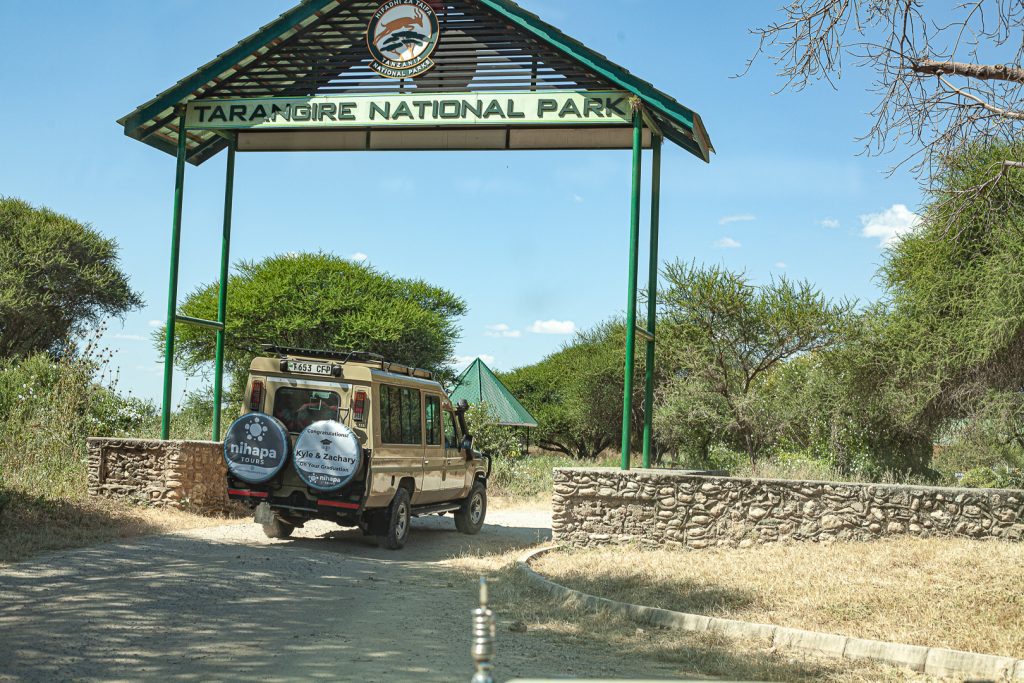
Tarangire National Park is located 118 kilometres south of Arusha on the A104 highway towards Dodoma. By road, the drive from Arusha takes approximately 2.5 to 3 hours on a well-maintained tarmac road, with the final 7 kilometres on unpaved track to the main Arusha Gate. Most safari operators include road transfers from Arusha or Kilimanjaro International Airport. Light aircraft charters are available from Arusha’s Kilimanjaro airport and from other Northern Circuit airstrips (Seronera, Lake Manyara), landing at Tarangire’s airstrip near the main gate.
Park Fees and Permits
All park fees in Tarangire are set by TANAPA and collected at the gate or in advance through your operator. As of 2024, entry fees for non-resident adults are USD 59 per person per 24-hour period. Walking safari activities carry an additional walking guide fee. Concession fees apply in private conservancy areas and are typically included in the rates charged by lodges operating in those zones. Fees are subject to change — always confirm current rates with your operator prior to travel.
Accommodation Options for Walking Safari Guests
Accommodation in Tarangire ranges from budget public campsites near the main gate to ultra-luxury private concession lodges. For walking safari guests, the choice of accommodation is particularly important, as the best walking areas are often accessible only from specific lodges or camps. The following tiers are available:
- Ultra-luxury private concession camps (Oliver’s Camp, Tarangire Treetops, Sanctuary Swala): USD 800–1,500 per person per night, full board with all activities included
- Premium in-park lodges (Tarangire Safari Lodge, Tarangire Sopa Lodge): USD 300–600 per person per night, walking safaris bookable as additional activities
- Mid-range tented camps (Nimali Tarangire, Kirurumu): USD 200–400 per person per night with walking available on request
- Budget options and public campsites: accessible but with limited or no dedicated walking safari programmes — guests must arrange licensed guides independently through TANAPA at the gate
Conclusion: The Walk of a Lifetime
Bush walking safaris in Tarangire National Park represent one of Africa’s most authentic and rewarding wilderness experiences. In a world where much of travel has become packaged, mediated, and safely predictable, walking into the Tarangire bush at dawn — with the crunch of dry grass underfoot, a skilled guide reading the landscape ahead, and the possibility of elephants around the next baobab — is a reminder of what genuine adventure feels like. It is slow travel at its most profound: a walk not merely through a landscape, but into it.
The skills you will develop over even a single morning’s walk — reading tracks, understanding wind, listening to the bush’s alarm system of birds and insects — will change how you see wild places forever. The encounters you will have — standing within a hundred metres of a lion pride, watching elephants drink at a river crossing, finding a leopard’s kill stashed in an acacia — are the experiences that define a lifetime of Africa travel.
Tarangire, with its ancient baobabs, its river-focused wildlife spectacles, its extraordinary elephant herds, and its skilled community of professional walking guides, offers the complete walking safari experience. Whether you choose a two-hour dawn walk or a four-day fly-camp expedition, stepping out of the vehicle and into the Tarangire bush is among the finest decisions any safari traveller can make.