 info@gorillatrekkinginafrica.com

Things to Do in Mikumi National Park
Things to Do in Mikumi National Park, Mikumi National Park sits just a three-to-four-hour drive west of Dar es Salaam along the sealed Tanzania-Zambia Highway, making it the most accessible of all of Tanzania’s major parks. Covering roughly 3,230 square kilometres, Mikumi is anchored by the vast Mkata Floodplain, an open grassland ecosystem often compared to the Serengeti for its sweeping views and abundant wildlife, but without the crowds. Whether you have a single day or a full week, Mikumi offers a genuine bush experience with a surprising range of activities. Below is a detailed look at everything visitors can do inside and around the park.
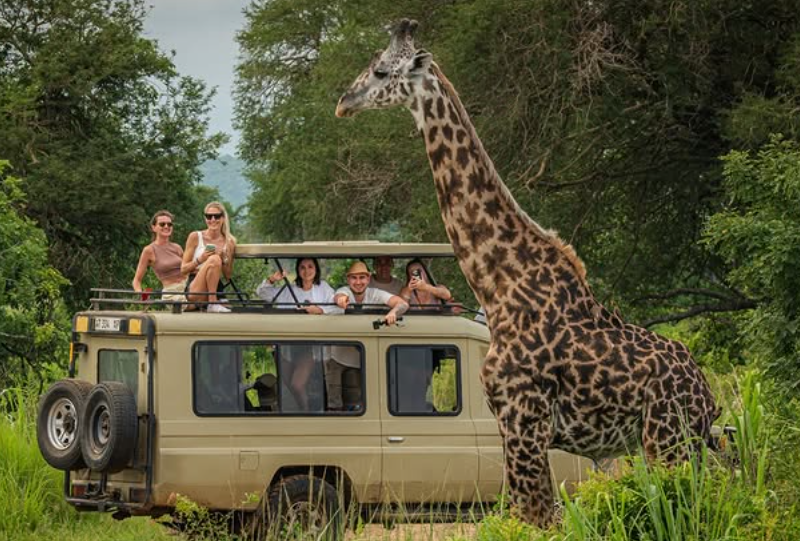
Game Drives on the Mkata Floodplain
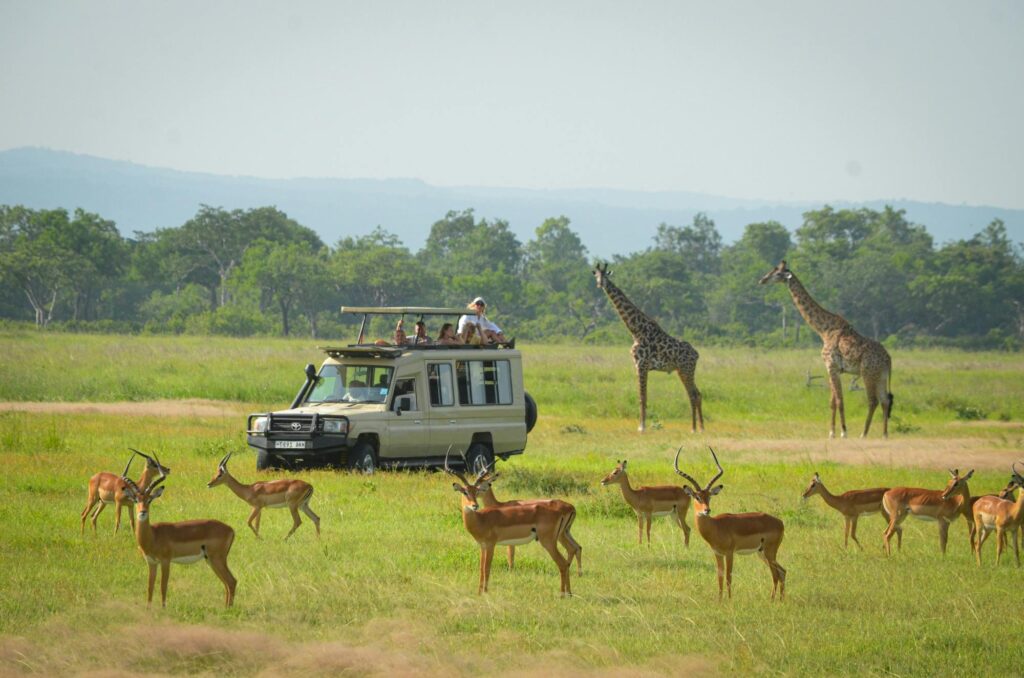
The signature activity in Mikumi is the classic 4×4 game drive across the Mkata Floodplain, the park’s open heart. This flat, grassy expanse offers some of the best wildlife visibility in Tanzania, since there is little vegetation to obstruct the view.
- Elephant, buffalo, zebra, giraffe, and wildebeest move across the floodplain in large numbers, especially in the dry season (June to October).
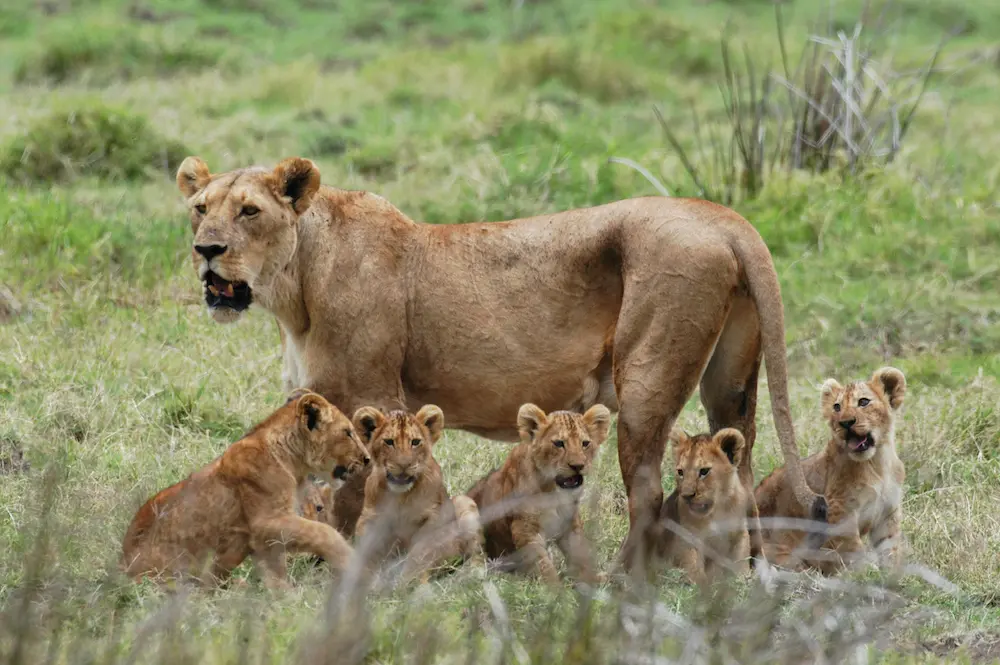
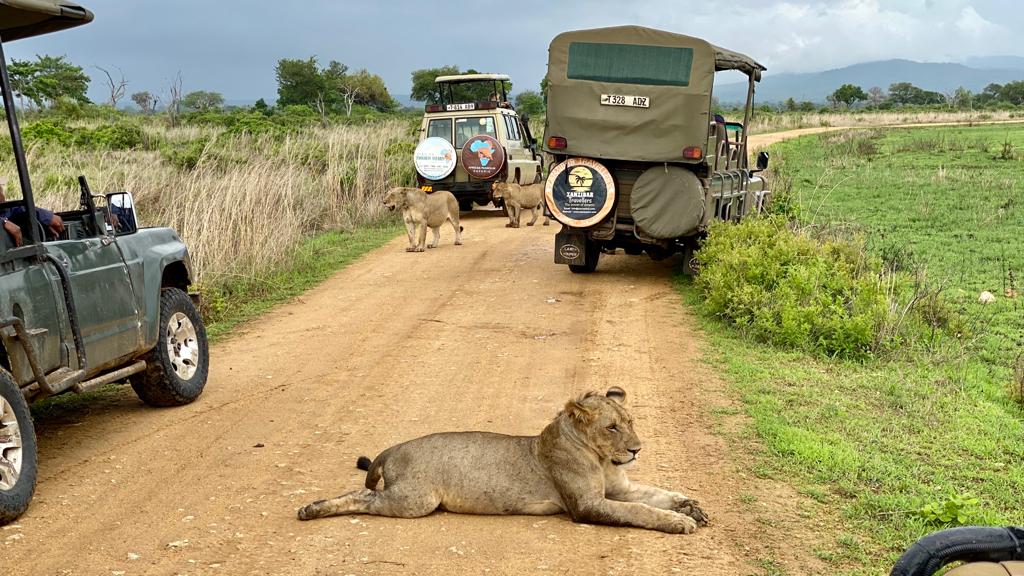
- Mikumi has one of the highest densities of lions in Tanzania outside the Serengeti ecosystem, and prides are regularly seen resting in the open grass or under acacia trees.
- Look out for the eland, greater kudu, and the localised Lichtenstein’s hartebeest, three species harder to find elsewhere on the Southern Circuit.
- Early morning drives (departing around 6:00 am) offer the coolest temperatures, the most active predators, and the best light for photography.
- Night game drives can be arranged with select lodges and reveal nocturnal species such as bush babies, civets, genets, and hunting leopards.
Tip: Because Mikumi sits beside a major highway, the park can be combined into a short two-to-three day add-on at the start or end of a longer Tanzania itinerary, or paired with Udzungwa Mountains National Park nearby.
Walking Safaris with an Armed Ranger
Mikumi is one of the few parks on the Southern Circuit where guided walking safaris are permitted, offering a completely different perspective from a vehicle-based game drive. Accompanied by a licensed park ranger, walking safaris focus on the smaller details of the bush.
- Learn to identify animal tracks, dung, and feeding signs, and understand bush survival skills used by local trackers.
- Walks typically take place near the Mkata River corridor or around the hippo pools, where dense vegetation supports birdlife and smaller mammals.
- Most walks last between one and three hours and are best done in the early morning before temperatures rise.
- This activity is particularly popular with photographers seeking ground-level shots of birds, insects, and plant life that are impossible to capture from a vehicle.
Visiting the Mkata River Hippo Pools
A short detour from the main game-drive circuit, the hippo pools along the Mkata River are one of Mikumi’s most popular and reliable wildlife-viewing stops.
- Resident pods of hippos can usually be observed wallowing, snorting, and jostling for position at close range from the riverbank.
- Nile crocodiles bask on the sandbanks nearby, and the river attracts elephants and buffalo coming to drink, particularly in the dry months.
- The pools are a popular picnic stop, and several lodges include a stop here as part of a half-day game drive.
Birdwatching Across the Park
With more than 400 recorded bird species, Mikumi is an outstanding birding destination, particularly for visitors interested in raptors, hornbills, and water birds.
- The Mkata Floodplain and its seasonal wetlands attract herons, storks, egrets, and the striking yellow-throated longclaw.
- Raptors such as the bateleur eagle, martial eagle, and various vultures are frequently seen perched on dead trees or riding thermals over the grassland.
- Lilac-breasted rollers, hornbills, and the iridescent superb starling provide colourful highlights for photographers.
- The wet season (November to April) brings a wave of migratory species, making this the prime period for serious birders, although roads can be muddier at this time.
Sunset and Sundowner Drives
As the heat of the day fades, Mikumi’s open plains produce dramatic skies that lodges and operators take advantage of with dedicated sundowner drives.
- Vehicles typically stop at an elevated viewpoint or beside the floodplain to watch the sun set behind the Uluguru or Rubeho Mountains, which frame the park’s eastern and western horizons.
- Many camps serve drinks and snacks during the stop, turning the drive into a relaxed end to the day.
- This is also a good window to spot animals beginning their evening activity, including herds moving toward water sources.
Photography Safaris
Mikumi’s open terrain, golden grass, and reliable lion sightings make it a favourite of wildlife photographers, including those who may have already photographed the Serengeti and are looking for a less crowded backdrop.
- The flat floodplain allows for unobstructed, low-angle shots of grazing herds and big cats.
- Photographic hides and extended-stay vehicle stops can often be arranged with specialist camps for serious enthusiasts.
- The dry season offers clearer skies and more concentrated wildlife around remaining water sources, while the wet season offers greener landscapes and dramatic cloud formations.
Cultural Visits to Nearby Villages
Several lodges and tour operators arrange visits to communities bordering the park, offering insight into rural Tanzanian life outside the safari circuit.
- Visits often include local markets, traditional farming demonstrations, and interaction with the Sukuma or Kaguru communities who live around Mikumi.
- Cultural tours support local economies and are usually arranged as a half-day add-on rather than a standalone activity.
Combining Mikumi with Udzungwa Mountains National Park
Because Mikumi lies only about an hour from the Udzungwa Mountains, many itineraries pair the two parks to combine plains game viewing with forest hiking and primate tracking.
- Udzungwa offers waterfall hikes and the chance to see Sanje crested mangabeys and Udzungwa red colobus monkeys, both found nowhere else in the world.
- This combination is popular with travellers heading to or from Dar es Salaam who want two contrasting ecosystems in a short trip.
Self-Drive Exploration
Unlike some of Tanzania’s more remote parks, Mikumi is well suited to self-drive visitors thanks to its proximity to Dar es Salaam and the generally good condition of its internal tracks in dry season.
- A 4×4 vehicle is still recommended, particularly during and shortly after the rains (November to May), when low-lying sections of track can flood.
- Self-drivers should carry a paper map or offline GPS tracks, as mobile signal is unreliable away from the main road.
- Entry permits and vehicle fees are paid at the main gate; rangers can advise on which loops are currently passable.
Camping Under the Stars
For travellers seeking a closer connection to the bush, Mikumi offers both public and special campsites within and around the park.
- Public campsites near the park headquarters offer basic facilities and are budget-friendly, suited to overlanders and self-drive travellers.
- Special campsites, booked in advance, are more remote and offer a more exclusive bush experience, often with resident wildlife passing through camp at night.
- Camping is a popular way to break up longer overland routes between Dar es Salaam, Iringa, and the rest of the Southern Safari Circuit.
Best Time to Visit for Each Activity
| Activity | Best Season | Why |
| Game drives & big cats | Dry season (Jun–Oct) | Wildlife concentrates near remaining water |
| Birdwatching | Wet season (Nov–Apr) | Migratory species arrive; wetlands are active |
| Walking safaris | Dry season (Jun–Oct) | Firmer ground and lower humidity |
| Photography | Year-round (peaks Jun–Oct) | Dry grass and clear skies aid clarity |
| Self-drive exploration | Dry season (Jun–Oct) | Tracks are firm and easily passable |
Planning Notes
- Entry: Park fees are paid in US dollars or Tanzanian shillings at the main gate, and most visitors enter from the Dar es Salaam–Iringa highway.
- Duration: Mikumi can be covered in a single day, but two nights allows time for a sunrise drive, a midday rest, and an evening sundowner.
- Combine with: Udzungwa Mountains, Selous/Nyerere, and Ruaha National Park combine well with Mikumi to build a fuller Southern Safari Circuit itinerary.
- Health: Carry anti-malarial precautions and sufficient drinking water, as the floodplain offers little shade.
Mikumi’s combination of easy access, open scenery, and dependable wildlife makes it one of Tanzania’s best-value safari destinations, whether as a standalone weekend trip from Dar es Salaam or as the opening chapter of a longer journey across the Southern Safari Circuit.