 info@gorillatrekkinginafrica.com

When Is the Best Time to Visit Mikumi National Park?
When Is the Best Time to Visit Mikumi National Park, Tucked along the Dar es Salaam–Iringa highway, just a few hours from the capital, Mikumi National Park is one of Tanzania’s most rewarding yet least crowded safari destinations. Its open Mkata floodplain offers some of the best year-round game viewing in the Southern Safari Circuit, but the experience you have will depend heavily on when you choose to visit. This guide breaks down Mikumi’s seasons month by month, so you can plan a trip that matches your priorities, whether that’s dramatic dry-season wildlife gatherings, lush green-season scenery, or budget-friendly low-season rates.
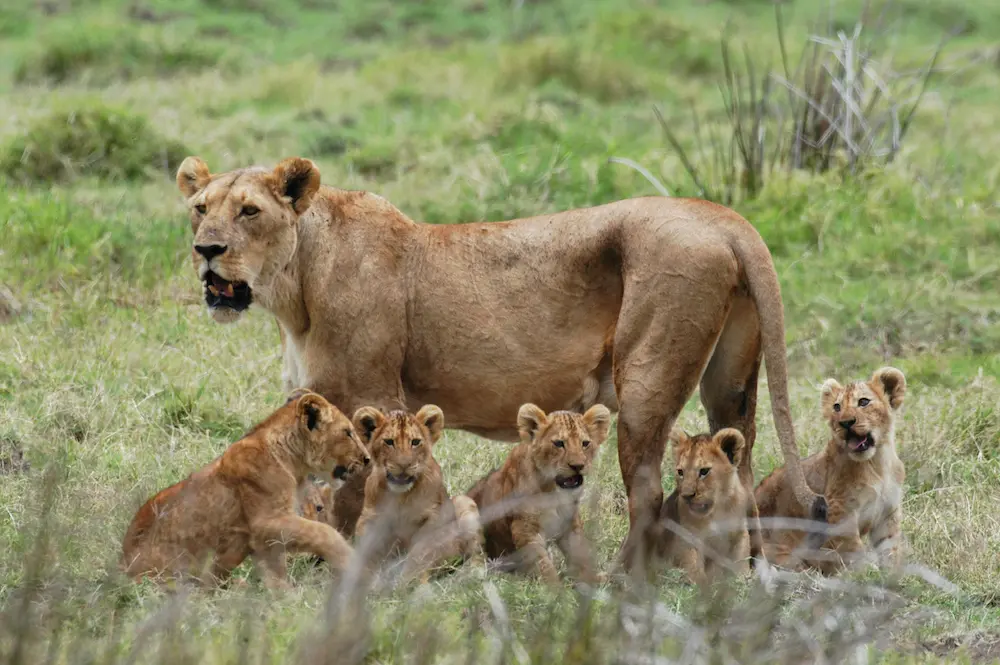
Mikumi’s Two Main Seasons
Like most of Tanzania, Mikumi National Park experiences two broad seasons: a long dry season and a wet season split into shorter and longer rains. Understanding this rhythm is the foundation for choosing your travel dates.
Dry Season (June to October)
The dry season is widely regarded as the best time to visit Mikumi National Park for wildlife viewing. As the months progress, water sources shrink and grasses thin out across the Mkata Plains, concentrating elephants, buffalo, zebra, wildebeest, giraffe, and lion around the remaining waterholes and along the Mkata River. With less vegetation to hide behind, animals are far easier to spot, and the dry, dusty conditions make for golden, high-contrast photography light, especially during early morning and late afternoon game drives.
- Daytime temperatures average 20–30°C (68–86°F), with cooler nights and mornings
- Minimal to no rainfall, with August typically the driest month
- Lower humidity and far fewer mosquitoes than the wet season
- Firm, dry roads make every part of the park accessible, including more remote tracks
- September and October bring the largest herd concentrations, as the last water sources draw animals in from across the plains
Wet Season (November to May)
Mikumi’s wet season unfolds in two phases: the short rains in November and December, and the long rains from March through May. Rainfall transforms the park into a deep green landscape with flowing rivers and blooming vegetation, but it also disperses wildlife and can make some roads slippery or temporarily impassable.
- Daytime temperatures often reach 28–32°C (82–90°F) with warm, humid nights
- April is typically the wettest month; January also sees notable rainfall
- Tall grass and scattered water sources make game viewing less predictable than in the dry season
- Migratory birds arrive in large numbers, making this the prime season for birdwatching
- Calving season for many herbivores brings newborn wildebeest, zebra, and warthog to the plains
- Lodges and camps offer their lowest rates of the year, and the park sees far fewer visitors
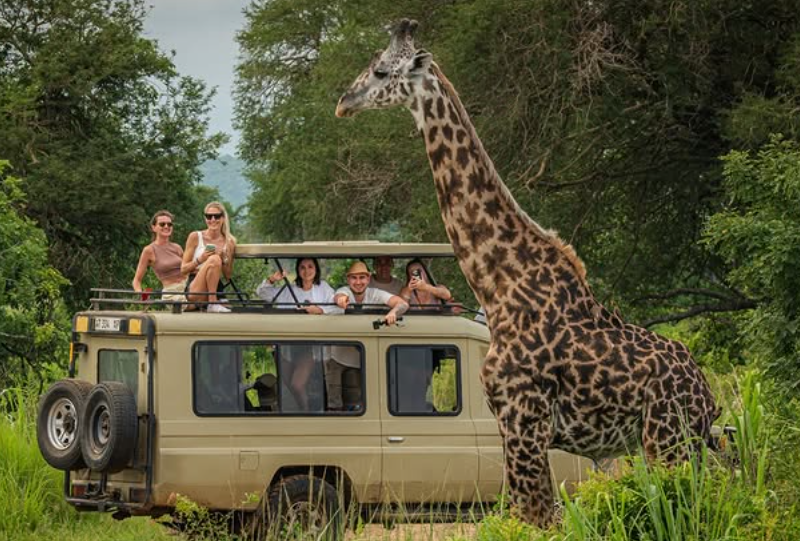
Month-by-Month Breakdown
For travelers who want a closer look at what to expect in any given month, the table below summarizes Mikumi’s seasonal pattern.
| Months | Season | Conditions | Why Visit |
| June – August | Early Dry | Cool, clear, virtually no rain | Comfortable temperatures, thinning grass, strong early game viewing |
| September – October | Peak Dry | Hot, dry, dust rising off the plains | Largest wildlife concentrations around remaining water; best overall game viewing |
| November – December | Short Rains | Brief afternoon showers, greening landscape | Fewer crowds, lower rates, arrival of migratory birds |
| January – February | Short Dry Spell | Warm with intermittent rain, good visibility | Predator activity near waterholes, peak birdwatching season |
| March – May | Long Rains | Heaviest rainfall, especially in April; muddy roads | Lush scenery, newborn wildlife, lowest visitor numbers and rates |
Choosing the Right Time for Your Priorities
For First-Time Safari-Goers and Photographers
If this is your first safari, or if photography is a priority, aim for July through October. Visibility is at its best, animals gather predictably around water, and the golden dry-season light flatters every shot. September and October offer the single best odds of dramatic sightings, including lions, elephants, and large buffalo herds along the Mkata floodplain.
For Birdwatchers
Mikumi has recorded over 400 bird species, and the wet season, particularly December through February, is when migratory birds from Europe and northern Africa join resident species. Combined with breeding plumage displays from local birds like widowbirds and bishops, this period rewards patient birders even though general game viewing is more challenging.
For Budget Travelers and Those Avoiding Crowds
April and May, along with November, represent Mikumi’s quietest months. Lodges frequently drop their rates, and with Mikumi already far less visited than northern circuit parks like the Serengeti or Ngorongoro Crater, these shoulder months offer a near-private safari experience, provided you don’t mind the occasional muddy road or rain-interrupted drive.
For Weekend and Short Trips from Dar es Salaam
Mikumi’s proximity to Dar es Salaam makes it Tanzania’s most convenient park for a short break. Because the park supports rewarding game drives year-round, even a one or two-day visit during the wet season can deliver excellent sightings of elephant, giraffe, and the park’s famous eland and greater kudu antelope, especially around dawn and dusk.
In Mikumi, even the wet season has its rewards: storm clouds rolling over the Mkata Plains, newborn wildebeest taking their first steps, and a quiet park almost entirely to yourself.
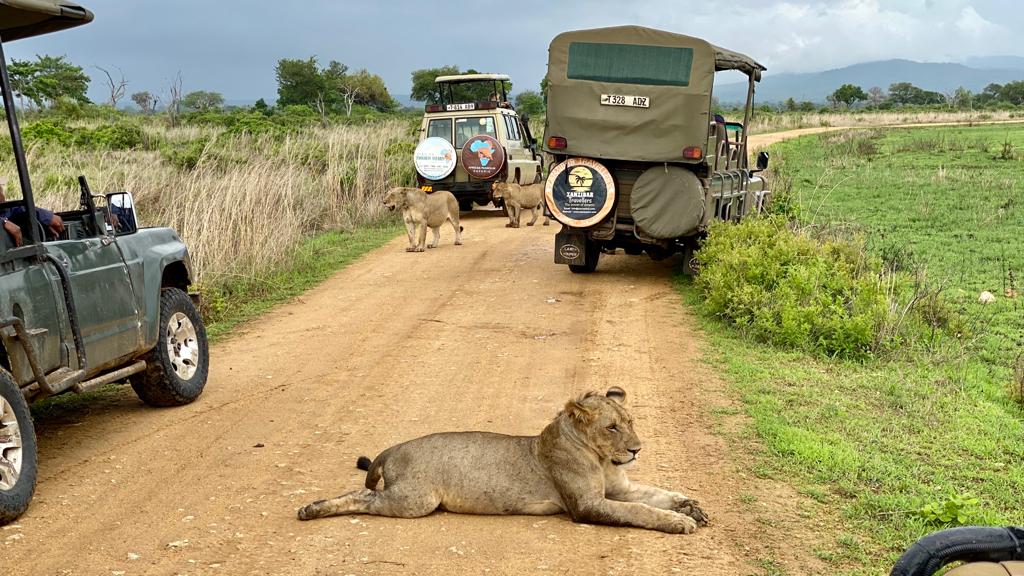
Practical Planning Tips
- Book accommodation and guides 4–6 months ahead if targeting the peak dry season, especially September and October
- Pack a light jacket or fleece for cool dry-season mornings, even though afternoons are warm
- Carry rain gear and insect repellent if traveling between November and May
- Confirm road conditions in advance during the long rains (March–May), as some tracks may be temporarily closed
- Combine a Mikumi visit with nearby Udzungwa Mountains National Park for hiking during the dry season
- Early morning and late afternoon game drives consistently produce the best sightings in any season
Final Verdict
There is no single wrong time to visit Mikumi National Park, but for the highest concentration of wildlife and the most classic safari conditions, late June through October is the clear standout, with September and October representing the absolute peak. Travelers chasing birdlife, newborn animals, lush scenery, or simply a quieter and more affordable trip will find plenty to love in the wet season from November to May. The right choice ultimately comes down to what you want most from your time on the Mkata Plains.
Plan your Mikumi safari around the season that matches your priorities, and the park will deliver an authentic, uncrowded slice of the Southern Safari Circuit at any time of year.