 info@gorillatrekkinginafrica.com

Budget Mobile Camps in Tarangire National Park : Safari on a Budget in Tarangire
Budget Mobile Camps in Tarangire National Park , Tarangire National Park is one of Tanzania’s most spectacular yet often underrated safari destinations. Stretching across 2,850 square kilometres in the Manyara Region, it is renowned for its immense elephant herds — among the largest concentrations on the African continent — its ancient baobab-dotted landscapes, and its rich year-round wildlife that rivals even the famous Serengeti.
For travellers who dream of an authentic African safari without the eye-watering price tags of luxury lodges, budget mobile camps offer an extraordinary solution. These camps are designed to bring you closer to nature, to immerse you in the sounds, smells, and rhythms of the African bush, while keeping costs accessible and delivering genuine, unforgettable wildlife experiences.
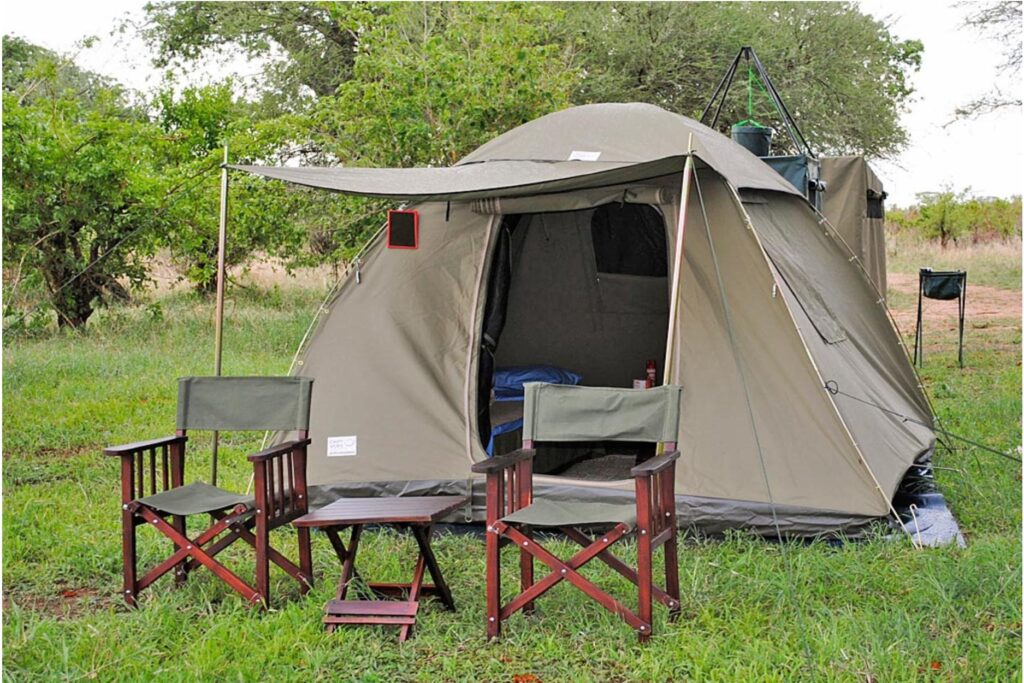
Mobile camps are temporary, moveable camping setups that follow the wildlife and seasons across the park. Unlike permanent lodges with fixed infrastructure, mobile camps are pitched in prime locations — often inside the park itself or on the edges of key wildlife corridors — then broken down and relocated as conditions change. The result is a more intimate, flexible, and adventurous safari style.
This guide provides a comprehensive overview of budget mobile camps in Tarangire National Park: what they offer, how to choose the right one, what to expect on the ground, and practical tips to make the most of your experience.
Why Choose Tarangire National Park?
Tarangire occupies a unique position on Tanzania’s northern safari circuit. While many travellers focus exclusively on the Serengeti and Ngorongoro Crater, experienced safari-goers know that Tarangire consistently delivers remarkable wildlife viewing — often with fewer tourists and a more raw, unhurried atmosphere.
1. Exceptional Elephant Populations
Tarangire is famous for its elephants. During the dry season (June to October), hundreds — sometimes over 1,000 — elephants congregate along the Tarangire River, which remains one of the few reliable water sources in the region. Watching vast herds crossing the river or digging for water in the riverbeds is an iconic African experience unavailable at most other parks.
2. Iconic Baobab Landscapes
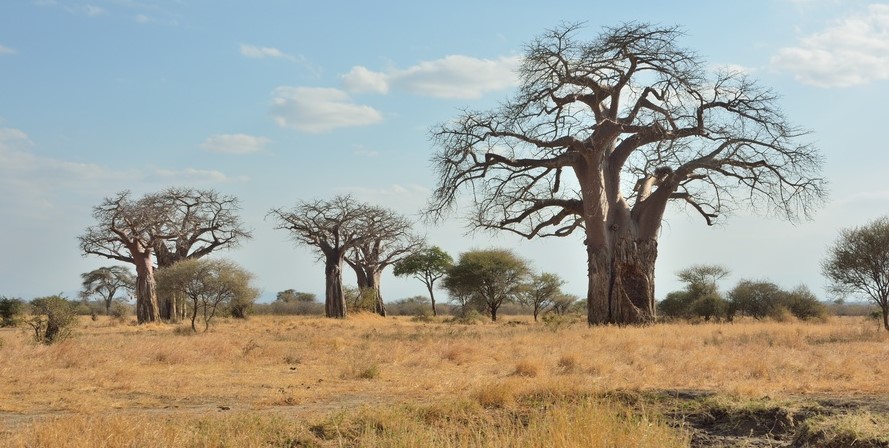
The park’s landscape is unlike anywhere else in East Africa. Ancient baobab trees — some estimated to be over 1,000 years old — rise dramatically from the dry savannah, creating a prehistoric, otherworldly backdrop for game viewing. These iconic trees are embedded in the park’s identity and make photography exceptional at any time of day.
3. Year-Round Wildlife Diversity
Tarangire hosts impressive resident populations of lions, leopards, cheetahs, African wild dogs, giraffes, zebras, wildebeest, buffalo, and over 550 recorded bird species. The park is a breeding site for several rare species and is considered one of Africa’s top birding destinations.
4. Fewer Crowds
Compared to the Serengeti, Tarangire sees considerably fewer visitors. Game drives here tend to be more exclusive, with fewer vehicles at sightings, creating a more authentic and serene safari atmosphere.
5. Accessibility
Tarangire is approximately 120 kilometres from Arusha, making it one of the most easily accessible parks on Tanzania’s northern circuit. It is ideal as a first or last stop on a longer safari, or as a standalone destination for shorter trips.
What Are Budget Mobile Camps?
A budget mobile camp, in the context of Tarangire and Tanzania’s safari industry, is a portable camping setup operated by a safari company, guide, or tour operator. These camps are broken down and relocated periodically — sometimes weekly, sometimes seasonally — to follow optimal wildlife viewing areas or to access different sections of the ecosystem.
Unlike traditional camping where travellers carry and pitch their own tents, mobile camps are pre-erected by camp staff ahead of your arrival. You arrive to find your accommodation already set up, meals being prepared, and experienced guides ready to begin your safari.
Key Characteristics of Budget Mobile Camps
- Tents pre-erected before guest arrival, broken down after departure
- Solar or generator power for basic electricity
- Shared bush toilets and shower facilities (bucket showers common)
- Communal mess tent for meals and socialising
- Meals prepared by a camp cook — typically simple but hearty and fresh
- A small team: camp manager, cook, and game drive guide
- Location within or adjacent to the national park
- Minimal environmental footprint compared to permanent structures
Mobile Camps vs Permanent Lodges
| Feature | Budget Mobile Camp | Mid-Range Lodge | Luxury Lodge |
| Price per night | $50 – $200 | $200 – $400 | $400 – $1,500+ |
| Location flexibility | High – moves with wildlife | Fixed | Fixed |
| Atmosphere | Authentic bush feel | Comfortable | Premium |
| Wildlife proximity | Excellent | Good | Good |
| Amenities | Basic essentials | Standard hotel-level | Luxury hotel-level |
| Environmental impact | Very low | Moderate | Varies |
| Group size | Small (4–12 guests) | Medium to large | Varies |
| Recommended for | Adventurous travellers | Comfort seekers | Luxury seekers |
Best Time to Visit Tarangire with a Mobile Camp
Tarangire offers excellent safari experiences year-round, but the timing of your visit significantly influences the wildlife you will encounter, the landscape, and the overall experience at a mobile camp.
Dry Season: June to October (Peak Season)
The dry season is widely considered the best time to visit Tarangire. As water sources across the broader ecosystem dry up, wildlife converges on the Tarangire River and its permanent water holes. This concentration makes game viewing outstanding — you can see hundreds of elephants, large buffalo herds, lion prides, and dense bird populations along the riverbanks.
- Best elephant viewing of the year
- Vegetation is sparse, making wildlife easier to spot
- Lower malaria risk due to reduced mosquito populations
- Comfortable daytime temperatures (25–30°C)
- Peak season means slightly higher camp prices
Short Wet Season: November to December (Green Season)
The short rains bring dramatic transformation to the landscape. The park turns lush and green, and migratory birds arrive in enormous numbers. Wildebeest and zebra move into the park from the Masai Steppe. Mobile camps often position themselves in the Silale Swamp area during this period for exceptional birdwatching and herbivore herds.
- Stunning green landscapes and dramatic skies — excellent for photography
- Fewer tourists and lower camp rates
- Good wildebeest and zebra concentrations
- Excellent birding with migratory species
- Some tracks may become muddy
Long Rains: March to May (Low Season)
March to May brings heavier rains and is generally the least favoured period for safari. Some camps close entirely during this period, and dirt tracks within the park can become impassable. However, rates are at their lowest, and travellers willing to embrace the challenges can find exceptional value and near-exclusive access to the park.
Short Dry Season: January to February
January and February offer another excellent window — the park is largely dry, calving season occurs on the Masai Steppe (visible on day trips), and tourist numbers are lower than the peak July–September period. Budget mobile camps operate fully during this time at competitive rates.
Top Budget Mobile Camp Options in Tarangire
The budget mobile camp market in Tarangire varies from basic, self-catered camping to semi-luxury fly-camps. The following outlines the main types and representative options available through local operators. Prices are approximate and subject to change; always confirm rates directly with operators.
1. Basic Mobile Tented Camps
These are the most affordable option, typically operated by small Tanzanian safari companies or independent guides. They offer a genuine bush experience with minimal amenities.
What to Expect:
- Simple dome or A-frame tents with sleeping mats or basic camp beds
- Shared long-drop toilet facilities
- Bucket shower (warm water heated by camp staff)
- Campfire and simple meals cooked on a gas burner or open fire
- 1–2 game drives per day in a 4WD vehicle
- Small group sizes: typically 4–8 guests
Approximate Cost:
- $50 – $100 per person per night (including meals and game drives)
- Park fees additional: approximately $59 per adult per day (2024 rates)
Best Suited For:
- Backpackers and budget-conscious travellers
- Experienced campers comfortable with basic conditions
- Solo travellers joining group departures
2. Semi-Permanent Budget Mobile Camps
A step up from basic camping, semi-permanent budget camps are operated seasonally and relocated once or twice during the year. They offer slightly more comfort while remaining genuinely affordable.
What to Expect:
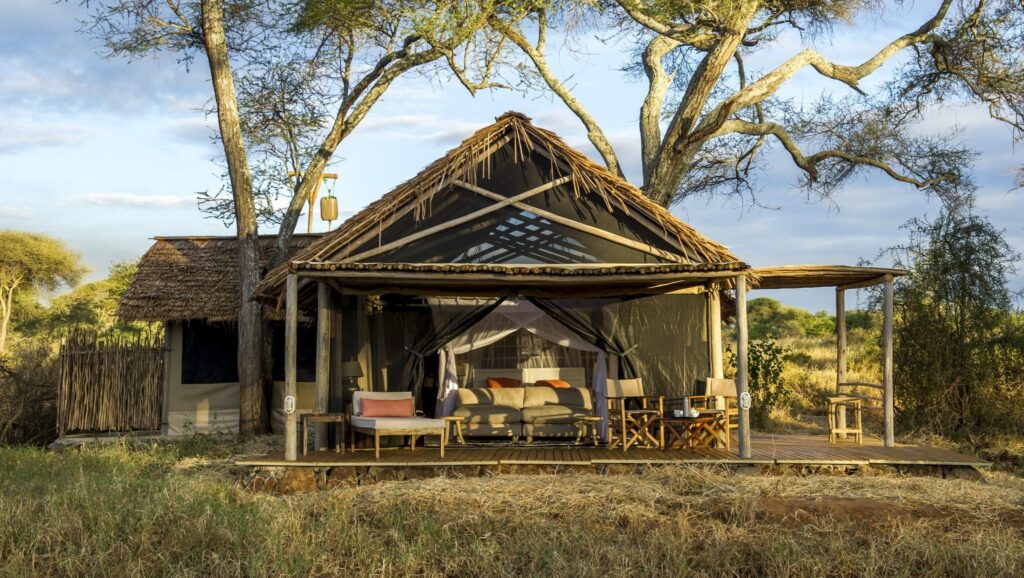
- Canvas safari tents with proper beds (often twin or double configurations)
- Shared or private en-suite bucket shower toilets
- Solar lighting in tents and communal areas
- A dedicated mess tent with dining table and chairs
- Full board meals — breakfast, lunch, and dinner prepared by a camp cook
- Experienced English-speaking guide with in-depth knowledge of Tarangire
- Morning and evening game drives; optional walking safaris
Approximate Cost:
- $100 – $200 per person per night (full board including game drives)
- Park fees additional
Best Suited For:
- First-time safari travellers wanting an authentic experience
- Couples and small groups seeking value without sacrificing wildlife quality
- Travellers combining Tarangire with Ngorongoro and Serengeti
3. Operator-Guided Group Mobile Camps
Several established safari operators run group mobile camps on set departure dates, where individual travellers join a shared itinerary. These are among the most cost-effective ways to experience Tarangire’s mobile camp scene.
What to Expect:
- Joining a group of 6–12 travellers on a fixed itinerary
- Professionally operated camp with experienced driver-guides
- Standard safari tents with sleeping bags provided
- All meals and drinking water included
- Camp typically moves every 2–4 days to different park sections
- Activities include morning game drives, sundowner bush walks, and star-gazing
Approximate Cost:
- $120 – $180 per person per night all-inclusive (excluding park fees)
4. Camping at Designated National Park Campsites
Tanzania National Parks (TANAPA) maintains a network of public campsites and special campsites within Tarangire. Travellers can arrange their own camping here, either fully self-catered or with a local operator supplying tents and catering.
Public Campsites:
- Located near the main gate and in specific zones within the park
- Basic facilities: pit latrines, some have water points
- Available to self-sufficient travellers and those with safari operators
- Campsite fee: approximately $29.80 per person per night (2024 rates)
Special Campsites:
- Exclusive, remote sites booked for a single group only
- No facilities — camp must be fully self-contained
- Offer unparalleled privacy and wildlife immersion
- Fee: approximately $59.60 per site per night (2024 rates)
- Must be booked in advance through TANAPA or your operator
Safari Activities at Budget Mobile Camps
One of the greatest advantages of staying at a budget mobile camp in Tarangire is the breadth of activities available. While luxury lodges offer similar activities at a much higher price, mobile camps integrate activities directly into the daily rhythm of camp life.
Morning Game Drives
The classic safari game drive typically departs at sunrise (around 6:00–6:30 AM) to catch the most active wildlife period. Animals are most mobile and predators most active in the cool morning hours. Drives are conducted in open-sided or pop-top 4WD vehicles and typically last 3–4 hours.
- Elephant herds at the Tarangire River — especially dramatic in the dry season
- Lion prides on morning kills or resting after nocturnal hunts
- Leopards returning to tree-resting spots after night activity
- Hippos and crocodiles at permanent water holes
- Giraffe, zebra, and wildebeest herds moving across the savannah
Evening Game Drives
Evening drives depart around 3:30–4:00 PM and return at sunset. This golden hour offers incredible photography light and excellent predator activity as the heat of the day subsides. Many camps end evening drives at a scenic spot for sundowners — a cold drink in the bush at sunset.
Walking Safaris
Perhaps the most visceral and memorable activity available at mobile camps, walking safaris take guests on foot through the bush with an armed ranger and experienced guide. Walking reconnects you with the landscape at a fundamental level — tracking animal footprints, identifying plants, and understanding the ecosystem from the ground up.
- Typically 2–4 hours in the morning or early evening
- Maximum group size: usually 6–8 walkers
- Armed TANAPA ranger escort mandatory within the park
- Wildlife encountered at closer range than from a vehicle
- Suitable for reasonably fit adults — some camps offer shorter or longer options
Night Game Drives
In areas where permitted, night drives offer the extraordinary opportunity to observe nocturnal wildlife with a spotlight. Tarangire’s darkness is extraordinary — away from any light pollution, the night sky alone is a highlight.
- Spot genets, civets, porcupines, and bush babies
- Observe nocturnal predator behaviour
- Exceptional star-gazing in complete darkness
- Note: Night drives not permitted in all sections of Tarangire — confirm with your operator
Birdwatching
With over 550 bird species recorded, Tarangire is a birder’s paradise. Budget mobile camps are ideally positioned to access prime birding areas, and many guides have specialist ornithological knowledge. The park is home to vulturine guineafowl, yellow-collared lovebirds, ashy starlings, and numerous migratory species during the wet season.
Cultural Visits
Many budget mobile camp operators offer optional visits to local Maasai villages near the park boundary. These cultural excursions provide insight into traditional pastoralist life, Maasai land management practices, and the relationship between local communities and wildlife conservation.
What to Expect at a Budget Mobile Camp
Daily Camp Routine
Life at a budget mobile camp follows the rhythm of the African bush. The pace is determined by wildlife activity rather than a rigid schedule, though camps maintain a general daily structure.
| Time | Activity | Details | Notes |
| 5:30 – 6:00 AM | Wake-up call | Tea or coffee at your tent | Hot water provided |
| 6:00 – 6:30 AM | Morning briefing | Guide outlines the day’s route | Light snack available |
| 6:30 – 10:30 AM | Morning game drive | 3–4 hour drive in the park | Bush breakfast possible |
| 10:30 AM – 12:00 PM | Bush breakfast / return | Hearty breakfast at camp | Time to relax |
| 12:00 – 3:30 PM | Rest period | Lunch, siesta, camp activities | Bird ID, journaling |
| 3:30 – 6:30 PM | Evening game drive | Sundowners in the bush | Golden hour photos |
| 7:00 – 8:00 PM | Dinner | Campfire meal | Stories under the stars |
| 8:00 PM onwards | Evening | Campfire, star-gazing | Early to bed typical |
Food and Meals
Budget mobile camps pride themselves on feeding guests well despite the remote conditions. Camp cooks — an underrated hero of the safari experience — prepare fresh, flavourful meals using local produce, often with surprising creativity given the limitations of outdoor cooking.
- Breakfasts: eggs, toast, fresh fruit, porridge, tea and coffee
- Lunches: sandwiches, salads, local stews, rice or pasta dishes
- Dinners: grilled meats, vegetable curries, ugali (maize porridge), soups
- Special dietary requirements (vegetarian, vegan, gluten-free) usually accommodated with advance notice
- Filtered drinking water provided throughout the day
- Soft drinks and beer often available for purchase at camp
Accommodation
Tents at budget mobile camps range from simple dome tents to proper canvas safari tents with wood or metal frame beds. Even at the most basic level, bedding is always provided.
- Inner sleeping tent typically: 2.5m x 3m minimum
- Mosquito net over the bed — essential and always provided
- Personal torch/headlamp strongly recommended (not always provided)
- Small luggage storage at tent foot or sides
- No electricity in individual tents at most budget camps; USB charging usually available in the mess tent
Hygiene and Sanitation
Hygiene standards at budget mobile camps have improved substantially in recent years. While facilities are simpler than lodges, cleanliness and sanitation are taken seriously by reputable operators.
- Bucket shower: camp staff heat water each evening and morning on request
- Toilet: long-drop latrine or portable flush toilet in a separate tent enclosure
- Hand-washing stations at toilet and meal areas — always soap and water provided
- Camp staff clean facilities daily
- Biodegradable toiletries strongly recommended to minimise environmental impact
Essential Packing List for a Mobile Camp Safari
Packing correctly for a budget mobile camp requires balancing preparation with practicality. Space in safari vehicles is limited, and mobile camps have no porters or bellhops. A soft duffel bag (maximum 15 kg) rather than a rigid suitcase is strongly recommended.
Clothing
- Neutral-coloured lightweight clothing (khaki, olive, beige, brown)
- Avoid blue and black — these attract tsetse flies in certain areas
- Long-sleeved shirts and trousers for morning and evening (cool and mosquito protection)
- Short-sleeved shirts and shorts or lightweight trousers for midday
- Warm fleece or light down jacket — mornings can be cold (15°C or below in dry season)
- Wide-brimmed hat for sun protection
- Comfortable walking shoes or trail runners
- Sandals or flip-flops for camp use
- Rain poncho or lightweight waterproof jacket (wet season travellers)
Gear and Equipment
- Binoculars: 8×42 or 10×42 recommended — essential for wildlife spotting
- Camera with telephoto lens (200mm+ recommended for wildlife photography)
- Solar charger or power bank — electricity access is limited
- Headlamp with spare batteries
- Personal first-aid kit
- Sunscreen (SPF 50+) and lip balm
- Insect repellent (DEET-based 30–50%)
Health and Safety
- Antimalarial medication — consult a travel health clinic before departure
- Yellow fever vaccination certificate — required if arriving from endemic countries
- Personal prescription medications in sufficient supply
- Water purification tablets as backup
- Prescription eyewear/contact lens supplies as required
Documents and Essentials
- Valid passport (6+ months validity beyond travel dates)
- Tanzania tourist visa (e-Visa available online at www.immigration.go.tz)
- Travel insurance documents (comprehensive cover including medical evacuation essential)
- Camp booking confirmation and operator contacts
- Emergency cash in USD (park fees and smaller operators may not accept cards)
Conservation and Responsible Tourism
Tarangire National Park is part of a larger ecosystem that extends into the Tarangire-Manyara-Natron corridor — a critical migratory route for elephants, wildebeest, and zebra that stretches hundreds of kilometres across northern Tanzania. Budget mobile camps, when operated responsibly, are among the most ecologically sensitive forms of safari tourism.
Why Mobile Camps Support Conservation
- Minimal physical footprint — no concrete, no permanent structures
- Follow wildlife rather than forcing wildlife to come to a fixed location
- Lower guest numbers reduce localised pressure on ecosystems
- Many operators employ local Maasai guides and camp staff, directing tourism revenue into communities
- Guests develop deeper connections with the landscape, becoming advocates for conservation
Responsible Safari Practices at Tarangire
- Stay on designated tracks — off-road driving damages fragile soil crusts and grass ecosystems
- Never approach animals closer than the operator’s recommended distance
- Do not feed wildlife — it alters natural behaviour and creates dependencies
- Minimise noise, especially near sensitive wildlife such as big cats with cubs
- Use biodegradable toiletries and soap — grey water filters into the ecosystem
- Pack out all rubbish — leave no trace is a fundamental principle
- Support operators who employ local staff and source food from local markets
Tipping Guidelines
Tipping is an important part of the safari economy and a direct way for budget travellers to support the camp team. Tips are discretionary but widely expected.
| Role | Suggested Tip (Per Guest/Day) | Per Group/Day | Notes |
| Safari guide / driver | $10 – $15 | $30 – $50 | Most important tip |
| Camp cook | $5 – $8 | $15 – $25 | Often overlooked |
| Camp staff (general) | $3 – $5 | $10 – $20 | Split between team |
| Walking ranger (TANAPA) | $5 | $10 – $20 | Appreciate cash tips |
Practical Information and Travel Tips
Getting to Tarangire National Park
Tarangire is conveniently located approximately 120 kilometres southwest of Arusha, Tanzania’s safari capital. The drive from Arusha takes approximately 2–2.5 hours by road.
- By road from Arusha: Take the A104 Dodoma road south; the park entrance is clearly signposted at Kwa Kuchinja
- By road from Kilimanjaro International Airport (JRO): Approximately 2.5–3 hours; arrange a transfer with your operator
- By charter flight: Small charter flights operate from Arusha Airport (ARK) or Kilimanjaro to the park’s airstrip at Oliver’s Camp or via Kuro Airstrip — adds significant cost but saves time on multi-park circuits
- Most budget camp operators include road transfers from Arusha in their packages
Park Fees (2026 Rates)
All visitors to Tarangire National Park must pay Tanzania National Parks (TANAPA) fees. These are separate from camp costs and must be budgeted for.
| Fee Type | Adult Non-Resident | Child Non-Resident (5–15) | Notes |
| Park entrance fee | $59.00 / day | $35.40 / day | Per person per 24 hours |
| Camping fee (public) | $29.80 / person | $5.90 / person | At designated sites |
| Camping fee (special) | $59.60 / site | $59.60 / site | Exclusive site, any size group |
| Vehicle fee | $40.00 / entry | N/A | Per foreign-registered vehicle |
| Ranger guide (walking) | Fee applies | N/A | Mandatory for walking safaris |
Fees are payable by credit card at the gate (Visa and Mastercard accepted) or in USD cash. Most operators pay fees on behalf of guests and include them in quoted prices — confirm this when booking.
Health and Safety
Tarangire lies within a malaria zone. Taking appropriate precautions before, during, and after your visit is essential and non-negotiable.
- Consult a travel medicine clinic 6–8 weeks before departure for antimalarial medication advice
- Use DEET insect repellent in the evenings and early mornings when mosquitoes are most active
- Sleep under the provided mosquito net every night — this is the most effective single precaution
- Wear long sleeves and trousers after sunset
- Ensure comprehensive travel insurance includes emergency medical evacuation
- The nearest major hospital is in Arusha (approx. 2–3 hours); serious emergencies may require evacuation to Nairobi
Currency and Money
- Tanzania’s currency is the Tanzanian Shilling (TZS)
- USD is widely accepted for park fees, tours, and larger payments
- ATMs available in Arusha; limited or no ATM access near the park
- Carry sufficient USD cash for tips, incidentals, and small purchases
- Credit cards accepted by larger operators but not all small camps — confirm in advance
Connectivity
- Mobile phone coverage is limited inside the park and absent in remote areas
- Wi-Fi is rarely available at budget mobile camps — embrace the digital detox
- Some operators provide satellite communication for emergencies
- Inform family or friends of your itinerary and expected return dates before entering the park
How to Book a Budget Mobile Camp
Booking a budget mobile camp in Tarangire requires more research than booking a standard hotel, but the effort pays off with exceptional value and a more personalised experience. Here is a step-by-step approach to finding and securing the right camp.
Step 1: Define Your Requirements
- Number of days in Tarangire (minimum 2 nights recommended, 3–4 ideal)
- Travel dates and season
- Group size and composition (solo, couple, family with children)
- Budget per person per night including park fees
- Desired comfort level (basic camping vs semi-comfortable mobile camp)
- Specific activities required (walking safaris, night drives, etc.)
Step 2: Research and Compare Operators
- Use reputable booking platforms: SafariBookings.com, TripAdvisor, Lonely Planet forums
- Read recent reviews from travellers (within the past 12 months)
- Contact operators directly by email for customised quotes
- Ask specifically about park fee inclusion, guide qualifications, and vehicle type
- Request the names and backgrounds of guides who will accompany your safari
Step 3: Verify Credentials
- Confirm the operator is registered with the Tanzania Association of Tour Operators (TATO)
- Check that guides hold valid Tanzania Wildlife Authority guide licences
- Verify the operator carries comprehensive liability insurance
- Ask for references from recent guests and follow them up
Step 4: Confirm Booking and Deposit
- Most operators require a 30–50% deposit to confirm a booking
- Obtain a written itinerary, inclusions list, and cancellation policy before paying
- Use a secure payment method — international bank transfer or credit card
- Save all correspondence and booking confirmations
Step 5: Pre-Departure Communication
- Confirm dietary requirements, medical conditions, and mobility considerations with your operator
- Arrange transfer logistics: pick-up point in Arusha, timing, and contact numbers
- Receive a comprehensive packing list from your operator
- Confirm meeting point, guide name, and emergency contact for your safari
Conclusion: The Budget Mobile Camp Experience
A budget mobile camp in Tarangire National Park represents one of Africa’s finest travel values. For a fraction of the cost of a luxury lodge, you gain access to the same spectacular wildlife, the same golden sunsets over baobab-studded plains, and the same life-changing moments when a herd of elephants passes within metres of your tent at dusk.
What budget mobile camping adds — and what no luxury lodge can replicate — is the rawness, the intimacy, and the sense of genuine adventure. When you fall asleep to the sound of lions calling in the darkness and wake to birds greeting the sunrise over the Tarangire River, you understand why so many travellers who experience a mobile camp in Tanzania return, again and again, to the bush.
Tarangire is not just a national park. It is one of Africa’s great wild places — ancient, vast, and astonishing in its diversity of life. A budget mobile camp is your most direct, most honest, and most authentic way to experience it.
Plan carefully, choose your operator wisely, pack light, and arrive with an open spirit. The elephants, the baobabs, and the African sky will do the rest.