 info@gorillatrekkinginafrica.com

Night fishing on Lake Kivu – Rwanda
Night fishing on Lake Kivu, Lake Kivu is one of Africa’s most exquisite lakes, bordered by Rwanda and the Democratic Republic of Congo. The lake is encircled by tranquil cities, verdant hills, and picturesque islands, so rendering it significant to the economy and culture of the adjacent communities. The lake presents numerous opportunities, with night fishing being one of the most intriguing pursuits.
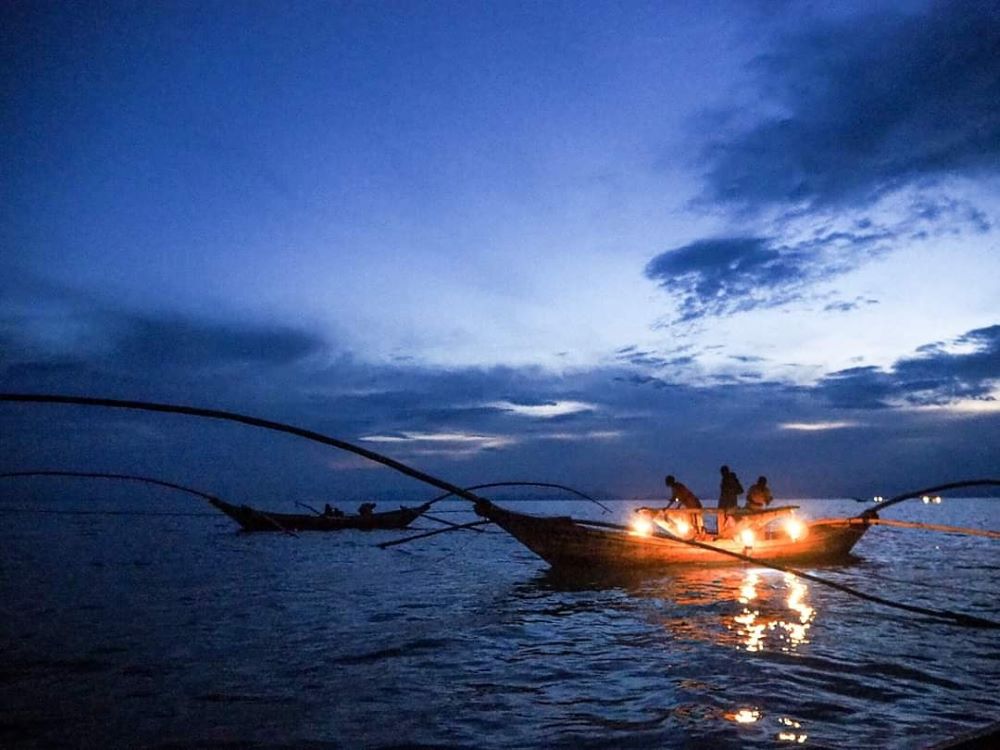
Night fishing in Lake Kivu transcends mere fish-catching; it embodies culture, tradition, camaraderie, and resolve. Each evening, cohorts of fishermen venture onto the ocean in dark-hued wooden vessels equipped with luminous lights. Individuals from the surrounding region gather to admire the picturesque spectacle created by the luminous reflections on the lake’s surface. This action preserves longstanding traditions. This activity is crucial in the towns of Gisenyi, Kibuye, and Cyangugu.
The night fishing experience
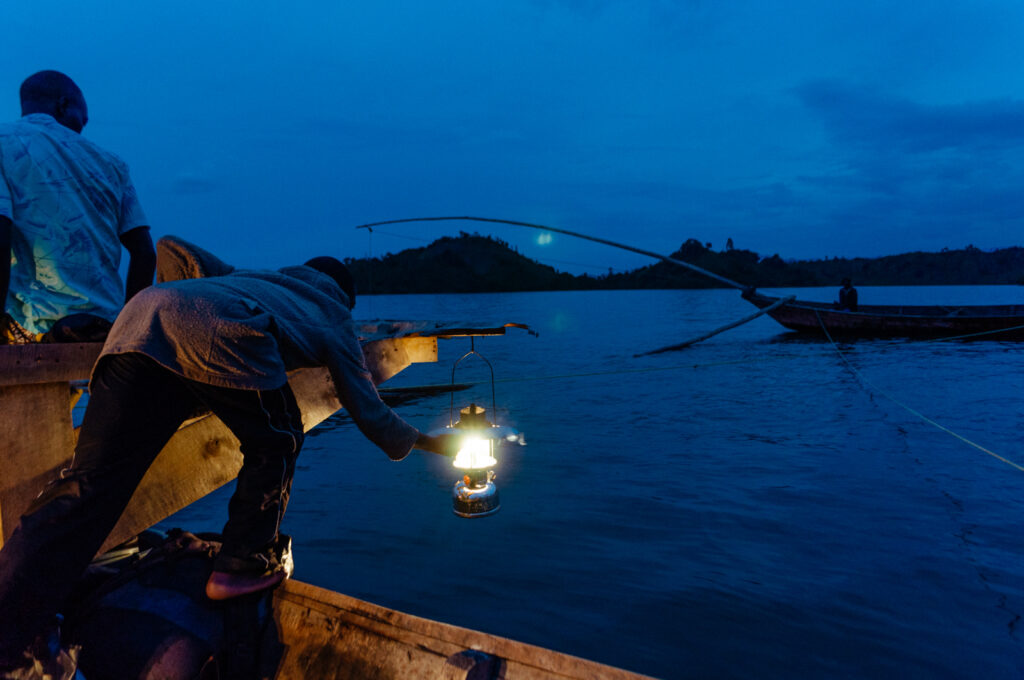
As twilight descends upon Lake Kivu, fishermen depart from the shoreline in tri-hulled fishing vessels. These remarkable boats feature elongated poles on their bows and sterns that enhance their distinctiveness. As you gaze at the magnificent sky, the poles gradually transform into silhouettes of the boats. Fishermen on boats venture into the deep waters of the lake, many kilometers from the shore, where they cast nets to capture various species of fish throughout the night.
As a tourist eager to engage in this remarkable pastime, you will accompany the regular crew of singing fishermen as they navigate their boats for the nocturnal fishing expedition. Alternatively, you may embark on comfortable tour boats accompanied by guides and local fisherman who will elucidate the entire experience. Upon boarding the boat, listen to and relish the traditional songs and whistles en route to the lake; the melodies are heartwarming.
At the fishing location, the fishermen commence their tasks while the spectators watch the manipulation and casting of the nets. The fishermen operate meticulously and together; some navigate the vessels while others manage the nets.
As darkness descends, paraffin lanterns are ignited. These assist in attracting fish nearer to the cast nets. The predominant species of fish captured are little sardines, referred to as “Isambaza,” along with occasional catches of cichlids, tilapia, and catfish.
Upon conclusion of the event, you will recognize that the activity is conducted in accordance with tradition, collaboration, and unity. It endures for 2-3 hours, with peaceful traditional tunes, smiles, and radiant lights that illuminate the natural beauty of the sea.
What is the best time for night Fishing on Lake Kivu Rwanda
Night fishing on Lake Kivu occurs from 5 PM until 8:30 or 9 PM for visitors, but some local fisherman may extend their activities until 5 AM. The nocturnal hours are consistently cold and tranquil, enhancing the safety and efficacy of fishing.
The luminous lights entice the fish, creating a stunning glow on the dark waters that produces a distinctive reflection, drawing several tourists.
The dry seasons from June to September and December to February are deemed optimal for nocturnal fishing on Lake Kiu, as the evenings and nights are typically tranquil, characterized by minimal or absent rainfall and lack of high winds, hence creating a conducive environment.
Significance of nocturnal angling.

In terms of economics:
Numerous individuals surrounding Lake Kivu regard this activity as a means of employment. It provides employment opportunities for individuals engaged in fishing, fish selling, boat construction, fish transportation, and market sales. Most families in the region rely on night fishing as their primary source of income.
The Isambaza fish, captured during nocturnal fishing activities, is very nutritious and economically accessible to the majority of the population in the country. It is also offered in hotels and restaurants to both local and international patrons during mealtimes.
Night fishing is a remarkable sport that draws people, particularly those visiting Lake Kivu for leisure and vacations. The allure of the luminous lanterns on the lake at night has increased the popularity of boat excursions. This constitutes a contribution to government revenue.
In terms of culture:
The collaboration and resilience demonstrated through traditional songs, narratives, and shared experiences during fishing excursions enhance unity, impart information, and foster a sense of belonging while reinforcing social connections.
The transmission of fishing abilities from elders to parents and subsequently to children serves as an effective means of preserving tradition and culture throughout generations.
Challenges associated with night Fishing in Lake Kivu
-Adverse weather conditions: storms and winds are unpredictable, rendering certain hours of operation unsuitable. – Certain fisherman lack adequate protective equipment, although they allocate longer hours to fishing activities. -Overfishing is a significant concern if inadequately managed, as it can result in the extinction of some fish species. Environmental pollution impacts both the quality and quantity of fish harvested from the lake. Pollution is perpetually generated by garbage from motorboats and gas emissions from beneath the lake. – Certain fishermen are deficient in adequate fishing gear and financial resources to enhance their output.
To summarize:
Night fishing is distinguished as one of the most captivating pursuits on Lake Kivu. It is exceptionally distinctive and cost-effective. It is an exquisite amalgamation of culture, economic sustenance, natural beauty, and adventure. The luminous lights of the fishing vessels on the tranquil water symbolize hope, collaboration, and the enduring bond between the lake and its inhabitants.