 info@gorillatrekkinginafrica.com

Senkwekwe Center for Gorilla Orphans
Senkwekwe Center for Gorilla Orphans, the Senkwekwe Gorilla Orphanage in Virunga National Park represents a significant animal conservation initiative in Africa. Mountain gorillas are undoubtedly the most intriguing animals in the wild. The prospect of witnessing them in their natural habitat draws thousands of travelers to Africa year. Mountain gorillas are exclusively found in Uganda, Rwanda, and the Democratic Republic of Congo. Although the primates appear identical across all three nations, the experience of following gorillas varies in each national park. A notable benefit of monitoring mountain gorillas in Congo’s Virunga National Park is the chance to visit the sole orphanage for mountain gorillas globally later in the day.
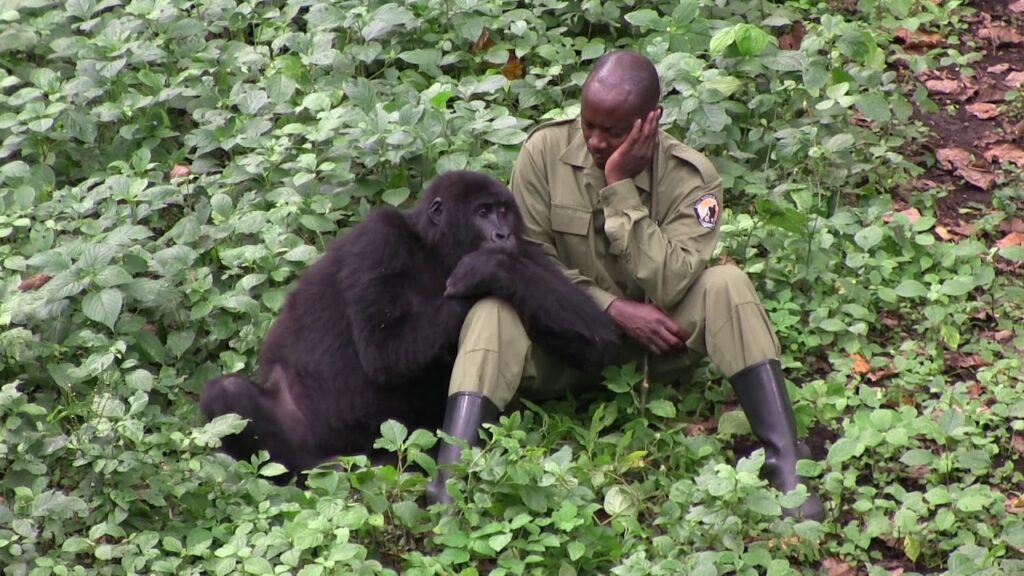
Senkwekwe Mountain Gorilla Orphanage
The Senkwekwe Centre is situated at the headquarters of Virunga National Park, adjacent to Mikeno Lodge. The center is named after a notable silverback gorilla, “Senkwekwe,” who commanded the Rugendo gorilla group during a significant slaughter of many members in 2007 by rebel forces concealed within the park. The concept of the gorilla orphanage center emerged when two orphaned gorillas, Ndakasi and Ndezi, who survived the carnage, were rescued but lacked an appropriate facility for their care. A decision was taken to establish a Centre for young mountain gorillas orphaned by poaching, animal trafficking, or conflicts between government forces and rebels in the park region. The Senkwekwe Centre, established in 2010, is recognized as the sole location globally where mountain gorillas have thrived in captivity.
Under the stewardship of Andre Bauma and the administration of Virunga National Park, the Senkwekwe Gorilla Orphanage provides a unique chance for travelers to actively support a significant conservation initiative while witnessing mountain gorillas engage intimately with humans. The Gorilla Doctors and caretaking personnel at the Centre assist in safeguarding and nurturing the orphans. The Gorilla Doctors comprise a team of veterinarians engaged in several gorilla conservation initiatives in Africa, including the treatment of mountain gorillas in their natural habitat.
In addition to mountain gorillas, the Senkwekwe Center assists in the rehabilitation of juvenile Grauer’s gorillas (Eastern lowland gorillas) by extricating them from traffickers, providing treatment for a specified duration, and subsequently relocating them to the Gorilla Rehabilitation and Conservation Education (GRACE) center for orphaned lowland gorillas. The Senkwekwe mountain gorilla sanctuary has garnered acclaim for its community outreach and educational initiatives in proximity to the center.
Maintaining mountain gorillas in captivity is exceedingly difficult and costly. The Centre’s accomplishment is particularly noteworthy considering the occasionally tumultuous conditions in the park due to rebel activity. The success of this mountain gorilla orphanage is attributable to the substantial support from benefactors, people, and primarily, gorilla conservation organizations. The organizations comprise the Murry Foundation, Gorilla Doctors, Dian Fossey Foundation, Gearing Up 4 Gorillas, The Howard Buffett Foundation, World Heritage Organization, and David and Lucile Packard Foundation, among others. Certain organizations have also financed such entities such as the Okapi Conservation Project in the Democratic Republic of Congo.
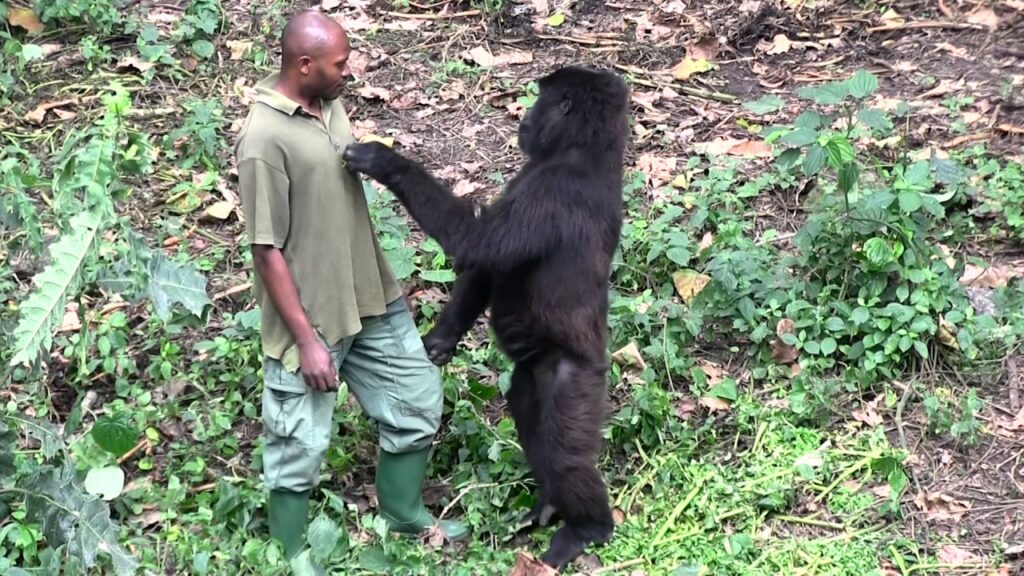
Gorilla Orphans at the Senkwekwe Center
Since its inception in 2010, the Centre has housed more than six orphaned mountain gorillas. The gorillas reside in the orphanage for the duration of their lives and establish a new group within the facility. One reason the gorillas cannot reintegrate into their former families is their acclimatization to human companionship, the associated advantages, and the luxury of life within the enclosure. They would struggle to procure sustenance independently without the caregivers at the refuge. Wild gorillas exhibit social dynamics and hierarchies that the orphans would find challenging to navigate. The sole alternative for them is to stay with their new cohort of youths. Let us examine some of the inmates since the Centre’s inception:
Maisha, meaning “life,” was born in 2001 and was the inaugural orphan admitted to the Senkwekwe Gorilla Sanctuary. Her birth transpired during an exceptionally challenging period in the park. The park served as a refuge for a rebel faction in Eastern Congo. Poaching and the deforestation of park woodlands for agricultural purposes remained pervasive. In 2004, Maisha was abducted by poachers and taken to a cave in adjacent Rwanda. The Rwandan police and Volcanoes National Park personnel received reports of her presence and extricated her from the poachers. Senkwekwe Mountain Gorilla OrphanageUpon her rescue, she was discovered emaciated and in a severely compromised health condition; fortunately, the Gorilla Doctors were present to provide her with exemplary care at their facility in Rwanda. Maisha swiftly regained her strength and recovered from the significant damage inflicted by the poachers. Upon the completion of the Senkwekwe Center in 2010, she was relocated to Congo at the age of nine. Maisha exhibited inherent leadership qualities along with maternal instincts. She assumed the role of matriarch as the population of orphans increased. As the eldest and lacking a dominating male, she maintained order among the conflicting members and safeguarded the caretakers throughout their duties at the Centre. Regrettably, Maisha began to exhibit a diminished appetite and diarrhea that continued despite intervention. She succumbed to a prolonged illness of undetermined origin.
Yalala: Yalala
is a female member of the Kabirizi family. She was discovered supine after becoming ensnared in a trap made by poachers. Her relatives endeavored to liberate her but ultimately forsook her when their efforts proved futile. Her foot was extensively injured by the snare and required amputation.
Kaboko:
This male orphan was ensnared in a trap devised by poachers. The trap caused a severe injury to his right hand necessitating urgent amputation. Kaboko exhibited considerable mischief and playfulness while at the center, but experienced gastrointestinal issues. The 2012 turmoil in the park and intense gunfire between government forces and rebels is thought to have exacerbated his condition, resulting in his death at the age of five in 2012. The Gorilla doctors had returned to Rwanda and were unable to assist him in such a precarious predicament.
Ndakasi:
A ten-year-old female who escaped the 2007 killing of the Rugendo clan led by Senkwekwe, the renowned silverback. Due to the incomplete status of the Senkwekwe Centre at that time, Ndakasi and another girl Ndezi were initially relocated to a residence in Goma town. The circumstances there were unfavorable. The enclosure was cramped, making it challenging to uphold adequate hygiene standards. Furthermore, as a populous and crowded town, Goma exhibited a noisy and dirty atmosphere. Ndakasi passed away on September 26, 2021, following a prolonged illness. She experienced challenges with eating, diarrhea, and weight loss.
Ndeze:
This ten-year-old female is also a survivor of the notorious 2007 slaughter of relatives from the Rugendo family under Senkwekwe. She was discovered grasping the breast of her deceased mother. Her mother, known as Safari, was a cherished part of Senkwekwe’s family. She and Ndakasi were then relocated from a residence in Goma to their new arboreal habitat at the Senkwekwe Center.
Senkwekwe Sanctuary Matabishi:
A younger male was rescued and admitted to the institution in June 2010. Matabashi was discovered forsaken in a cornfield adjacent to the park perimeter. It is presumed that poachers abandoned him at the boundary due to apprehension of imminent capture by the park rangers. Maisha the Matriarch harbored a fondness for Matabashi and tended to him with maternal affection. She would transport him on her back while simultaneously grooming and safeguarding him from the other obstinate juveniles.
Touring the Senkwekwe Centre and Gorilla Orphanage
The Senkwekwe Centre is situated approximately ten minutes from the opulent Mikeno resort. Patrons of the Senkwekwe Gorilla refuge typically engage in activities provided by Virunga National Park, such as chimpanzee trekking, Mount Nyiragongo hiking, gorilla trekking, bird-watching, and game drives. A tour to the Senkwekwe Gorilla orphanage is ideal for individuals who have finished gorilla tracking and possess additional time to explore the facility. The visit to the orphanage is significant because mountain gorillas residing in a cage and having continuous interaction with humans exhibit novel behaviors that may not be observed in their wild counterparts. One aspect to observe is their interaction with humans in contrast to their behavior in the wild.
Access to the Senkwekwe gorilla orphanage is complimentary for members of Mikeno Lodge. Individuals having reservations at other hotels must call the park in advance to inquire about the possibility of visiting the Centre. The optimal method to accomplish this is via your travel operator. You might find a two-day gorilla safari in Congo appealing.
The Senkwekwe Gorilla Orphanage is operated by a team of caretakers, gorilla veterinarians, and personnel from Virunga National Park. The caretakers reside with the orphans continuously, ensuring they are well nourished while also observing for any indications of illness or mood fluctuations. Medical professionals from the Gorilla Doctors conduct monthly visits to assess the infants and address any injuries or illnesses.
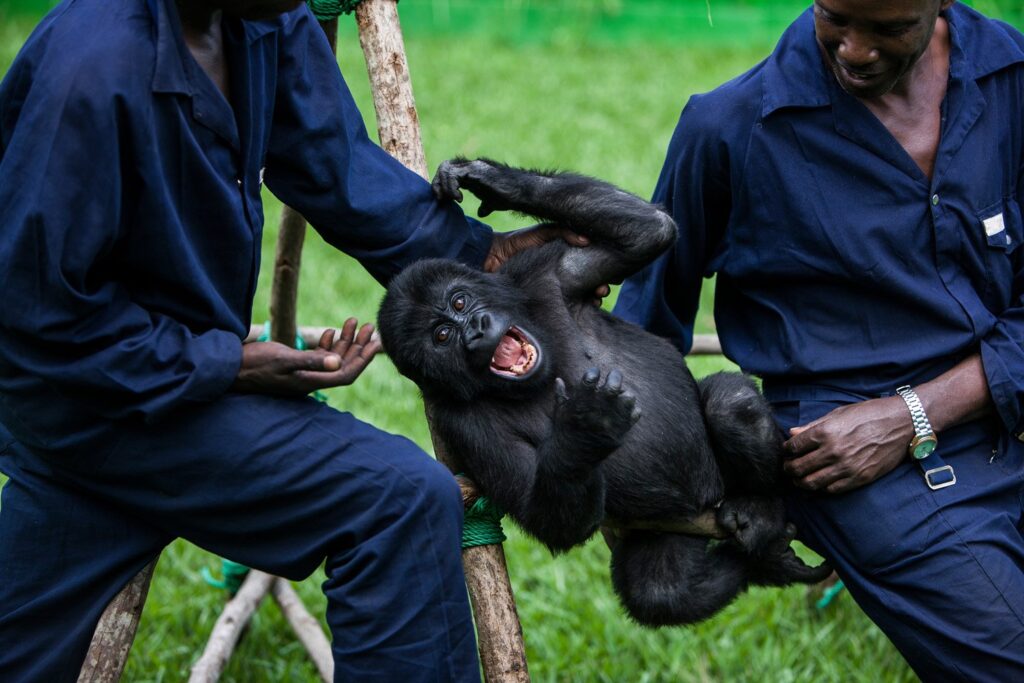
The selected location for the gorilla orphanage is picturesque, featuring verdant forests that provide conditions akin to those of their wild counterparts in the depths of the jungle. Smaller primates such as baboons, vervet monkeys, and colobus monkeys frequently visit the area; however, the electrified fence encircling the expansive forest perimeter deters them. New gorillas initially reside in a separate enclosure at the Senkwekwe Centre before being exposed to the other inhabitants of the gorilla orphanage. A deck exists where guests can observe caretakers feeding and engaging with the orphans. Every orphan possesses a designated caretaker. The connection between caretakers and orphans is notably robust, as gorilla newborns exhibit significantly greater affection than early children. Recently rescued juvenile inhabitants are initially nourished with milk before being introduced to fruit and other natural vegetation. Their diet primarily comprises carrots and cauliflower. Food is procured from Goma town, while water for washing, cleaning, and cooking is sourced from a reservoir within the enclosure.
While it is essential for all wild animals to inhabit their natural environments, the Senkwekwe Mountain Gorilla Orphanage Centre has demonstrated the ability to provide a similar wild habitat with enhanced safety for the primates. By the conclusion of the visit, you will have recognized the significant effort exerted by the facility’s staff for the preservation of the primates. Individuals interested in supporting the facility’s success may donate on-site at the Centre or sponsor a mountain gorilla. To volunteer or engage with the Senkwekwe gorilla orphanage, one must reach out to the park management.
In addition to viewing the enclosure, Mikeno Lodge can coordinate additional alternative activities in partnership with the officials of Virunga National Park. Visitors can learn about the Congo Hounds program, where specialized dog breeds are employed to track poachers via their heightened olfactory capabilities. The alternative activity is touring the vegetable gardens and the cooperative organization established for the spouses of deceased Park rangers.