 info@gorillatrekkinginafrica.com

Attractions in Kitulo National Park
Attractions in Kitulo National Park, Kitulo National Park is situated in the montane grassland and montane forest of the Kitulo Plateau in Tanzania’s southern highlands. The park is situated at an altitude of 2,600 meters (8,500 feet) between the Kipengere and Poroto mountain peaks, including an area of 412.9 square kilometers (159.4 square miles) inside the Mbeya and Njomb Regions. Tanzania National Parks (TANAPA) administers the park, which is the inaugural national park in tropical Africa created solely for the preservation of its flora. Kitulo National Park was officially designated on July 19, 2005. The creation of this park was crucial for safeguarding its unique ecology and species, especially in light of the escalating risks posed by agricultural encroachment and habitat degradation. The park was established mostly to safeguard the abundant biodiversity of Kitulo National Park, especially its myriad orchid species. Prior to its designation as a national park, the region was acknowledged for its biological importance and was established as a nature reserve in 2002. The national park boasts several things to admire on a safari, and this article discusses several key highlights of Kitulo National Park that can render your safari experience remarkable.

Flora species
Kitulo National Park is floristically diverse, with a reported minimum of 350 species of vascular plants from the plateau. The Kitulo Highlands constitute a significant geographical area for species characteristic of the Eastern and Southern African regions, exhibiting remarkable richness in endemic and rare species not safeguarded elsewhere in Tanzania. The park encompasses the intriguing Livingstone Forest, which features tree species such as Hagenia abyssinica, Ocotea usambarensis, Juniperus procera, and Khaya anthoceca. The woodland is distinguished by mountain bamboo (Sinarundinaria alpina). Kitulo boasts a diverse array of flora, featuring 350 known species of vascular plants, including 45 terrestrial orchid species. Of these, 31 species are native to Tanzania, 16 are endemic to the Kitulo and Poroto Mountains, and at least 3 species are exclusive to Kitulo National Park. Two species are exclusively identified in Kitulo and its adjacent woodlands. The proliferation of vegetation during the wet season is regarded as the most remarkable botanical phenomenon globally.
Birds
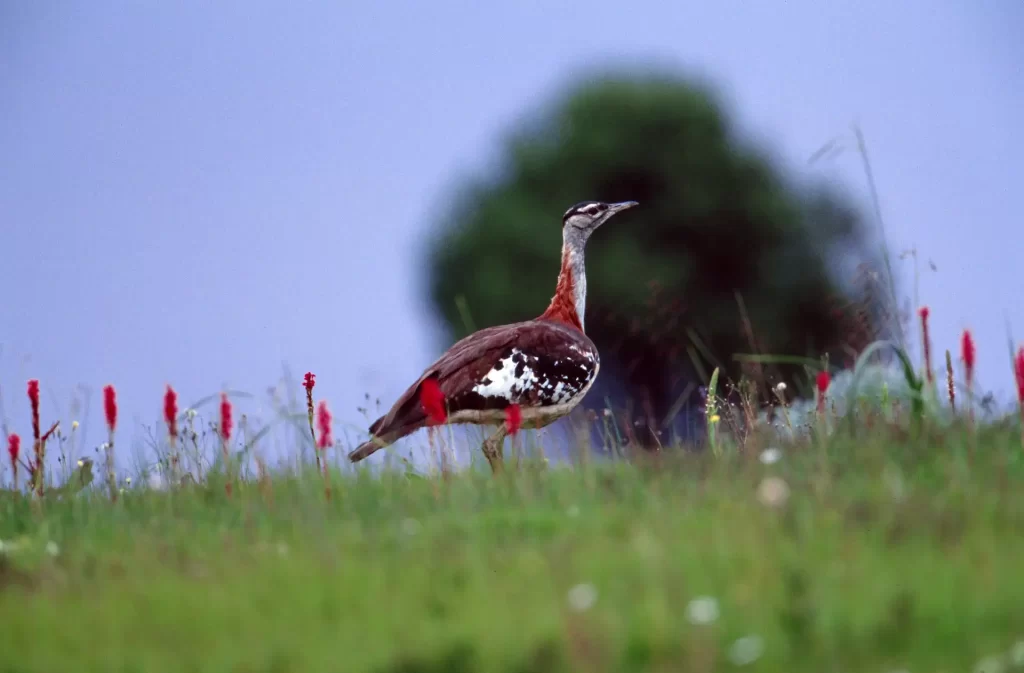
Kitulo National Park boasts over 200 known bird species, making it a veritable paradise for avian enthusiasts. The park serves as an essential habitat for avian species including the White-faced Whistling Duck, Spur-winged Goose, African Pygmy Goose, Fulvous Whistling Duck, Helmeted Guineafowl, Crested Francolin, Harlequin Quail, Shelley’s Francolin, Grey-breasted Spurfowl, Mourning Collared Dove, African Green Pigeon, Blue-spotted Wood Dove, and Yellow-throated Sandgrouse. Mozambique Nightjar, African Palm Swift Coppery-tailed Coucal, African Emerald Cuckoo, African Black Coucal, Black Crake, Grey Crowned Crane, Black-bellied Bustard, White-bellied Go-away-bird, Bare-faced Go-away-bird. Ross’s Turaco, Marabou, European White Stork, Abdim’s Stork, Yellow-billed Stork, Great White Pelican, Hamerkop, Black-crowned Night Heron, Grey Heron, Cattle Egret, Great Egret, Long-tailed Cormorant, African Spoonbill, African Sacred Ibis, African Darter, Black-winged Stilt, Spur-winged Lapwing, African Jacana, Common Greenshank, Black-chested Snake Eagle, and White-backed Vulture, among others.
Flora
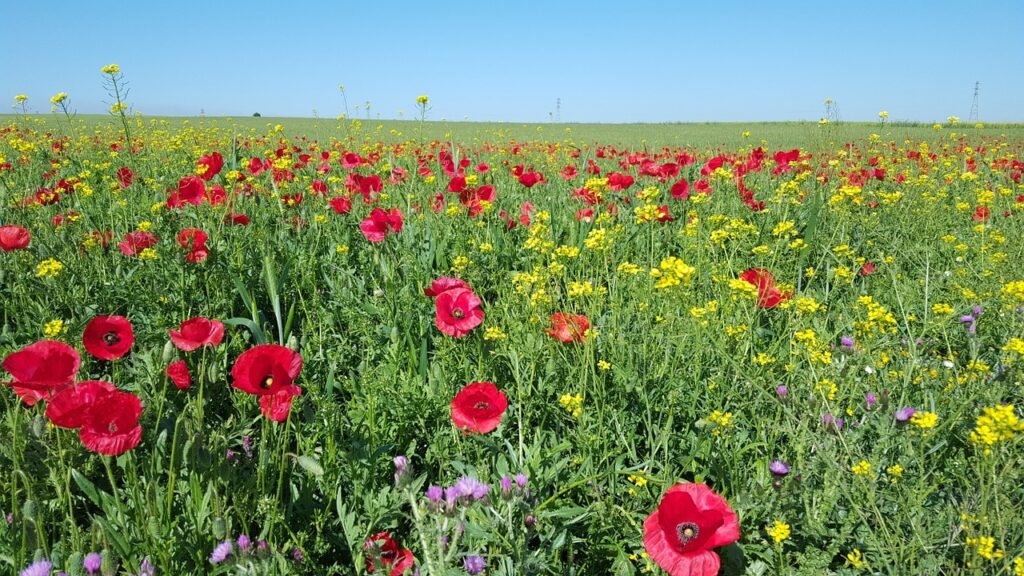
A notable quality of the park is its exceptional variety of plant species. Kitulo National Park is commonly known as the “Serengeti of flowers” because of its remarkable exhibition of wildflowers, particularly orchids, that flourish in the wetlands and grasslands. The national park hosts approximately 350 recognized kinds of blooming plants, including more than 45 types of orchids, which are especially esteemed by botanists and nature enthusiasts. The profusion of these plants generates stunning sceneries, particularly in the rainy season, when vivid colors prevail in the environment.
Fauna
Kitulo National Park is notable for its vegetation and also features a varied range of fauna. The park hosts various species, including antelope such as the notable blue wildebeest, southern reedbuck, and the endangered roan antelope, as well as reptiles and amphibians including snakes, lizards, and frogs. The park serves as a sanctuary for several invertebrate species, including butterflies and diverse pollinators essential for the ecosystem’s vitality. In addition to antelopes, Kitulo National Park hosts additional species like as the cape buffalo and elephants, which sometimes traverse the park’s periphery. The existence of predators like the African wild dog and leopards, though fewer in number, is a crucial element of the local environment.
Kitulo Plateau
The Kitulo Plateau, known as the “Serengeti of Flowers,” is a prominent feature of Kitulo National Park, celebrated for its remarkable floral exhibitions. In the wet season, thousands of wildflowers, including various orchid species, bloom across the plateau, changing the landscape into a vibrant tapestry. This distinctive botanical occurrence attracts botanists, photographers, and nature enthusiasts globally, keen to observe the vivid landscape. The Plateau is distinguished by its undulating hills and vast grasslands, which sustain a variety of fauna, including species of antelope and different avian populations. Visitors may traverse the region via clearly delineated pathways, with options for picnics and appreciating the breathtaking vistas. The Kitulo Plateau is not only aesthetically pleasing but also essential to the local ecosystem, providing a crucial habitat for several species and enhancing the region’s biodiversity.
Ndumbi Forest
Ndumbi Forest is a captivating feature of Kitulo National Park, renowned for its abundant biodiversity and breathtaking scenery. This region features deep, verdant highland forests that serve as a habitat for various species of flora and fauna. Visitors to Ndumbi Forest can traverse well-maintained routes that meander through dense forest, providing an opportunity to witness distinctive species, including numerous primates and indigenous birds. The forest is renowned for its wildflowers, especially during the rainy season when vivid blossoms cover the ground. Ndumbi’s serene environment serves as a refuge for wildlife enthusiasts, photographers, and ornithologists. The forest serves as both a biological repository and a cultural landmark, with indigenous populations possessing ancestral connections to the region, so enhancing the experience for tourists interested in local customs and practices.
Livingstone Forest
Livingstone Forest, a remarkable feature of Kitulo National Park, is an extensive montane forest that functions as a vital ecosystem for numerous wildlife species. This forest, abundant in uncommon plant species, is vibrant with life, featuring several bird species that entice enthusiastic birdwatchers aiming to observe rare endemic kinds such as the Uluguru bush-shrike. The forest also accommodates small mammals and insects that contribute to the dynamic food chain. The hiking trails here provide guests with a remarkable opportunity to engage with nature and admire the tranquil beauty that envelops them. Livingstone Forest functions as both a natural attraction and a research facility for scientists examining the region’s distinctive flora and fauna. The verdant canopy and varied ecosystems render Livingstone Forest a crucial site for individuals seeking to encounter the distinctive biodiversity of Kitulo National Park.
Mount Rungwe
Mount Rungwe, with an elevation of 2,560 meters, is a notable feature in Kitulo National Park. This inactive volcano provides intrepid hikers with a gratifying hiking experience and breathtaking vistas of the adjacent terrain. The ascent to the peak guides tourists through verdant montane forest teeming with various flora and animals, including rare avian species and butterflies. As you rise, the shifting habitats offer distinctive photographic opportunities and the possibility of encountering diverse wildlife species. The stunning panoramic vistas from the summit display the remarkable terrain, featuring extensive horizons of tea plantations and the Great Rift Valley. Mount Rungwe is a favored locale for trekkers and climbers, and its nearness to Kitulo National Park enhances the experience, providing opportunity to investigate the distinctive flora and fauna of this high-altitude ecosystem.
The Historical Town of Lushoto
Lushoto Town, although not formally part of Kitulo National Park, functions as a gateway to the park and possesses considerable cultural and historical importance. Lushoto Town is situated between architectural beauty and a strong local culture. Visitors may traverse botanical gardens, trek picturesque paths, and interact with local populations to gain insights into their traditional lifestyles. The adjacent Irente viewpoint offers stunning vistas of the verdant valleys and undulating hills. Lushoto is frequently frequented for its temperate climate, serving as a rejuvenating respite before to engaging in excursions in the warmer Kitulo National Park. The town, among its natural beauty, serves as an exceptional base for exploring the rich biodiversity of the surrounding region, providing guided tours that link guests to the cultural legacy and breathtaking landscapes of the Usambara Region.
Makombe Wetlands
The Makombe Wetlands are a significant ecological feature of Kitulo National Park, providing a distinctive environment that supports a diverse array of aquatic and semi-aquatic organisms. These wetlands are distinguished by reeds, grasses, and marshes, creating optimal circumstances for several avian species, including the graceful African penguin and countless migratory birds. Makombe Wetlands serve as a crucial stopover for avian species traveling from the African continent, providing outstanding bird-watching possibilities year-round. The wetlands furthermore sustain many amphibians and small mammals, rendering them a crucial element of the park’s biodiversity. Visitors may traverse the marsh pathways, offering proximity to diverse wildlife and the opportunity to appreciate the splendor of wetland ecosystems. The tranquil ambiance and the auditory presence of water establish a soothing setting for photography and contemplation, rendering the Makombe Wetlands an essential site inside Kitulo National Park.