 info@gorillatrekkinginafrica.com
 +256 787505601
Worst Time to Visit Zanzibar
Worst Time to Visit Zanzibar, Zanzibar is a picturesque locale renowned for its pristine sandy beaches, azure oceans, and vibrant cultural heritage. Although the island is an idyllic retreat for several individuals, there are specific periods of the year when visitation may be suboptimal. Understanding the optimal times to avoid visiting Zanzibar, due to factors such as adverse weather, elevated prices, or excessive crowds, might enhance your travel experience.
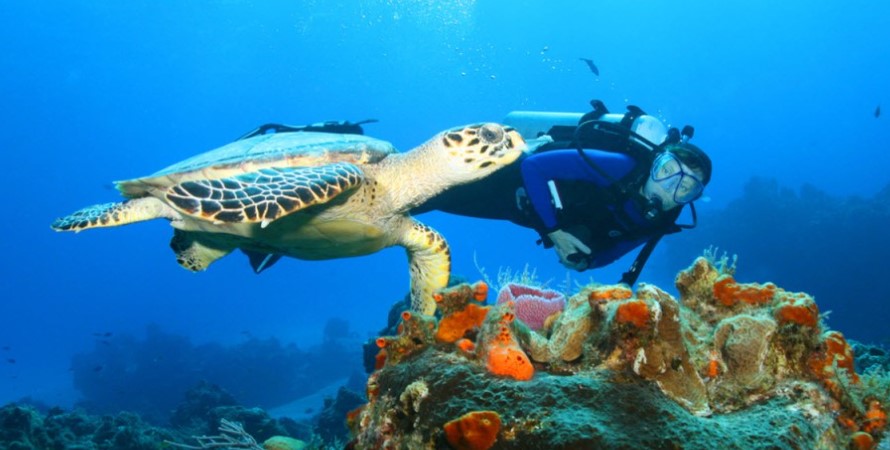
Worst Time to Visit Zanzibar: Rainy Seasons: March to May
The extended rainy season (March to May) is often regarded as the least favorable time for visiting Zanzibar. In these months, the island endures substantial rain, elevated humidity, and vigorous winds. Several significant disadvantages include:
Intense and prolonged rainfall might impede beach activities and outdoor excursions.
floods and muddy roads: Specific regions, especially rural areas of Zanzibar, may encounter floods, hindering transport.
The wet season fosters an ideal environment for mosquito proliferation, heightening the risk of malaria and other mosquito-transmitted diseases.
Restricted activities: Certain hotels and tour providers diminish their offerings owing to diminished visitor attendance, and boat trips may be annulled due to turbulent seas.
The brief rainy season in November is less severe although still introduces erratic weather, potentially impacting beach activities and visibility for snorkeling or diving.
Peak Season Attendance: December to February and July to August
Although these months provide favorable weather characterized by mild temperatures and clear skies, they also have several disadvantages:
Overcrowded beaches: Renowned locations such as Nungwi and Kendwa may be inundated with tourists, complicating the pursuit of serenity.
High accommodation costs: Hotels, resorts, and guesthouses substantially raise their rates in response to heightened demand.
Completely reserved tours and activities: Failing to plan in advance may hinder your ability to obtain reservations for excursions, diving expeditions, and cultural tours.
Decreased authenticity: The surge of tourists may detract from the tranquil, indigenous ambiance that several travelers desire in Zanzibar.
Seaweed Season: June through September
During this period, particularly on the east coast (Paje, Jambiani, and Matemwe), seaweed accumulates on the beaches, which may deter some visitors. The presence of seaweed may influence the ideal beach experience anticipated by many vacationers, yet it is not inherently a deal-breaker
The actual “worst” time to visit Zanzibar (most individuals are unaware of)
Having operated East Africa’s safest dive facility in Pemba Island, Zanzibar for over 40 years, I can assure you that what many see as the least favorable time to visit Zanzibar is not entirely accurate.
Numerous travelers find that Ramadan may be the least favorable period to visit Zanzibar. Numerous opportunities exist to really appreciate Zanzibar during Ramadan. This is, in fact, a fundamental aspect of Zanzibar’s culture that you may choose to experience.
However, some travelers with whom I have collaborated experienced difficulties during this period due to lifestyle alterations. Consider it when planning your trip to Zanzibar.
Due to the lunar calendar, Ramadan shifts annually, occurring in both peak (dry, colder) and off-peak (rainy) seasons.
Ninety percent of the approximately 1.3 million inhabitants of Zanzibar are Muslim and will be observing fasting throughout this week.
Ramadan may prove to be a more unfavorable period for visiting Zanzibar than the rainy season, particularly if one seeks a conventional beach holiday.
Here’s why:
Fasting: Throughout Ramadan, numerous restaurants along the primary thoroughfares cease operations from dawn until dusk, either due to the owners observing the fast or as a gesture of respect for those who are fasting. Nevertheless, beachfront resorts remain operational and consistently provide dining services.
Quiet environment:
The vibrant nightlife of Zanzibar ceases during Ramadan.
Inadequate customer service:
Individuals who have fasted for much of the day tend to exhibit a slower pace, while receptionists and customer service representatives may find it challenging to maintain their grins.
Furthermore, in Zanzibar, the heat is incessant, and enduring an entire day without sustenance or hydration is a formidable challenge. Therefore, do not anticipate optimal service.
Cultural limitations:
Tourists are anticipated to exhibit respect for local customs and traditions, potentially restricting some activities. Zanzibar maintains a conservative atmosphere year-round; therefore, it is prudent to adhere to local customs by dressing modestly.
Conclusion: Optimal Timing for Trip Planning
The ideal months to visit Zanzibar for an exceptional experience are from late June to early October, characterized by dry weather, agreeable temperatures, and reduced humidity. Furthermore, arriving in early December prior to the peak season influx can offer a combination of favorable weather and tolerable crowds.
By circumventing the unfavorable periods—March to May (rainy season), peak holiday months, and seaweed season on the east coast—you will enhance the quality of your experience in Zanzibar.
Supplementary Insight: Reasons Paje is the Best Option
Despite the rainy seasons, Paje—due to its location on the southeast coast—frequently experiences more favorable weather conditions than other regions of the island. It experiences reduced precipitation, increased sunlight, and favorable wind conditions, rendering it an excellent destination for both beach enthusiasts and kite surfers throughout the year. To mitigate weather-related disturbances while enjoying the allure of Zanzibar, Paje is the best destination.