 info@gorillatrekkinginafrica.com
 +256 787505601
Why is Virunga national Park in Danger
The ongoing conflict in the eastern Democratic Republic of Congo (DRC), notably the recent escalation by the M23 rebels, has severely impacted Virunga National Park. Virunga, a UNESCO World Heritage site, is Africa’s oldest national park and one of the most biodiverse ecosystems globally, with endangered mountain gorillas and a diverse array of animals. The increasing violence in the region, particularly in Goma and its vicinity, has jeopardized the park’s conservation initiatives.
Threats to Wildlife
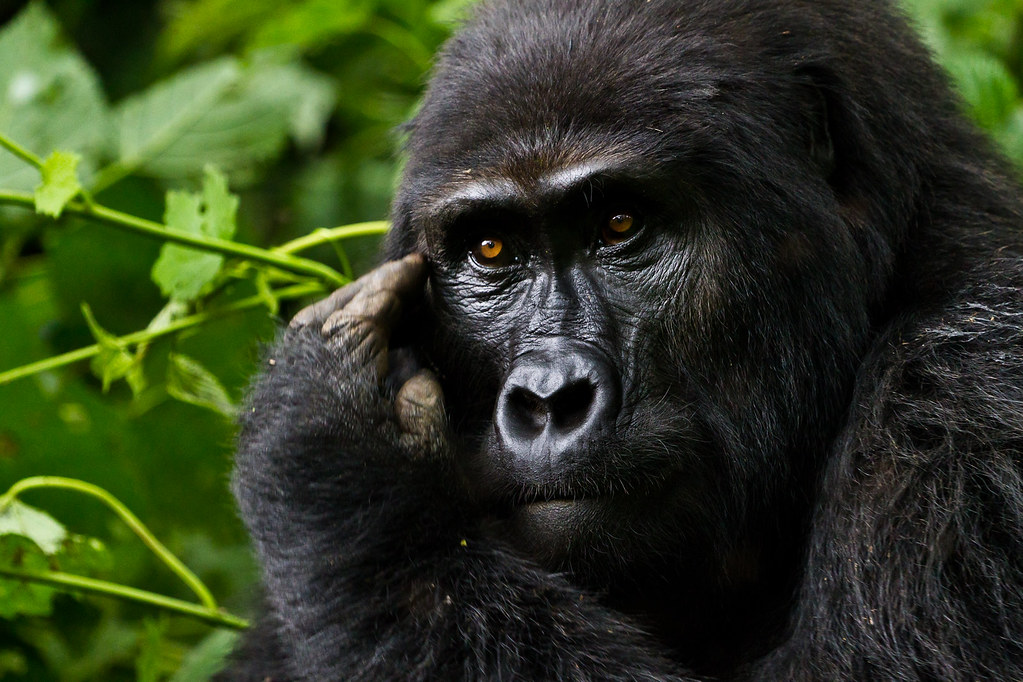
The violence in the region has posed a direct threat to the animals of Virunga National Park. Poaching, habitat damage, and human interference with wildlife pose a significant threat to the park, particularly with armed factions like the M23 rebels situated merely kilometers distant or directly along the park’s perimeter. Assaults on the rangers at the forefront of conservation initiatives are becoming progressively prevalent. The loss of these rangers not only impedes conservation efforts but also poses a significant threat to the highly endangered mountain gorillas in the park, of which there are approximately 1,000 remaining.
Due to the harsh circumstances, the rangers have been unable to effectively monitor and safeguard the park’s diverse habitats. This indicates that park patrols have been reduced, rendering regions once seen as sanctuaries for wildlife susceptible to armed factions that now claim them as their territory. This interrupts the animal’s natural behavior and movements, potentially exacerbating their instability.
Displacement and Human-Wildlife Conflict
Thousands in the region have been displaced, with some taking refuge along the borders of Virunga Park. Displaced communities frequently depend on encroaching parkland for resources like as firewood, agricultural land, and shelter. The pressure on the park’s ecosystems, particularly through deforestation and poaching, intensifies.
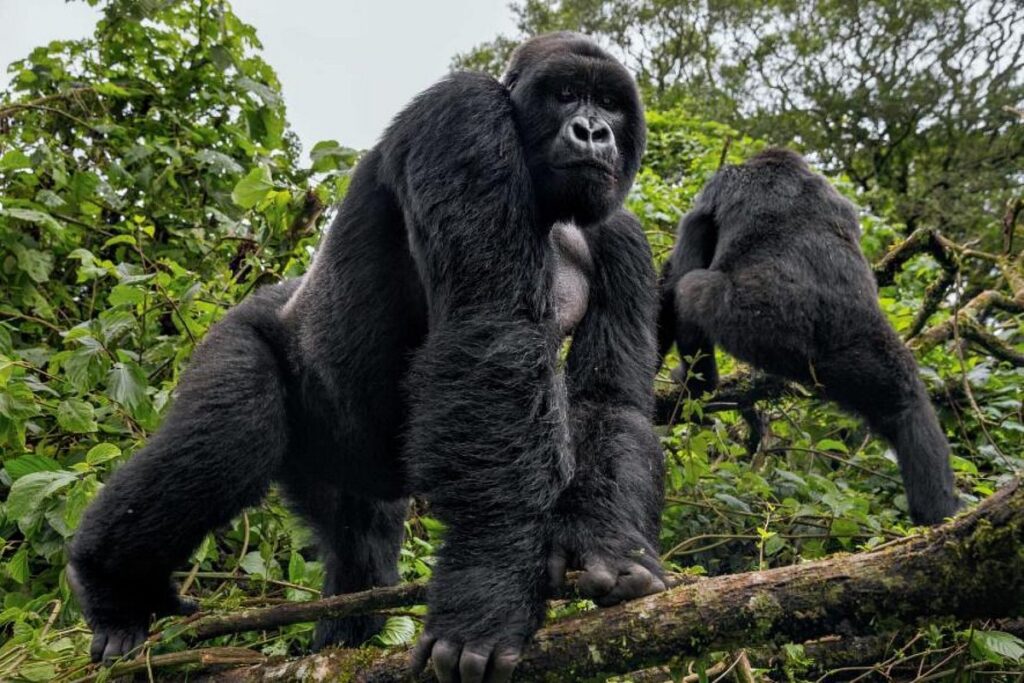
Moreover, both displaced individuals and wildlife may encounter conflict as they advance into a more profound area of the park. Animals, especially mountain gorillas, may face increased vulnerability to human encroachment and the associated dangers of human activities and violent encounters. The presence of armed groups and refugees in certain areas of the park increases the likelihood of human-wildlife conflict, as humans may perceive their existence as jeopardized by the unfamiliar human presence.
Economic Consequences
Virunga National Park serves as a vital ecological and economic asset for both the local and regional populace. Tourism significantly contributes to the park’s economy, as visitors go to observe the mountain gorillas and other distinctive animals. However, the violence is adversely affecting the tourism sector. In recent years, foreign visitors have been deterred from visiting to the region due to instability, leading to a fall in tourism income that are crucial for both park management and local residents.
The revenue generated from tourists is essential for sustaining the park’s infrastructure, conservation initiatives, and community-oriented projects. Decreased funding significantly limits the park’s capacity to perform essential functions, including wildlife monitoring, anti-poaching patrols, and habitat restoration. Moreover, local enterprises reliant on visitor influx are experiencing significant income losses, exacerbating the economic deprivation caused by the war.
Challenges in Park Management and Conservation
The administration of Virunga National Park has also suffered due to the conflict. They have diligently endeavored over the years to save biodiversity and advance sustainable development with assistance from the Virunga Foundation, which oversees the park. However, the escalating violence renders it increasingly unfeasible for the foundation to sustain its operations. The difficulties in sustaining park operations extend beyond logistics; the threat to park personnel has significantly escalated.
The park will be inaccessible to guests, and certain areas will be temporarily closed to provide personnel with a safer working environment. Although these modifications are essential for worker safety, they hinder the park’s primary objective of safeguarding its species. Moreover, the political instability has hindered collaboration with local and international partners who may have facilitated conservation projects.
International and National Response
Virunga National Park has garnered international attention, with the UN, wildlife conservation organizations, and others advocating for enhanced measures to protect the park and its residents. Civilians and wildlife in the area face peril from persistent conflict, prompting demands for a strengthened military presence. Despite the Congolese government’s commitments to wildlife biodiversity protections, ongoing instability has hindered the implementation of these safeguards.
International conservation organizations are intensifying efforts, allocating increased funds to safeguard park guards and anti-poaching operations. Nevertheless, because to the volatile nature of the conflict, conservation groups like as NOAA and their affiliates frequently encounter difficulties, as their operations in the region are very susceptible to significant security threats.
Anticipating the Future
Conditions in Virunga National Park are critical, however not entirely hopeless. Efforts persist to preserve the park’s animals and prioritize conservation programs, despite the ongoing conflict in the region that jeopardizes its future. Local authorities, international organizations, and conservationists must collaborate to implement a sustainable solution that safeguards wildlife while alleviating the difficulties faced by displaced populations.
Regardless of the direction Virunga takes, the attainment of peace and security in the region and its environs will be essential for overcoming this latest crisis. The park’s fauna, rangers, and local populations will persistently endure significant hardship until that time. The international world must support Virunga National Park, a symbol of hope for Africa’s natural legacy and the populations dependent on it for their livelihoods.