 info@gorillatrekkinginafrica.com
 +256 787505601
Where to see flamingos in Uganda
Where to see flamingos in Uganda, Best locations for observing flamingos in Uganda include Queen Elizabeth National Park, which offers a reliable opportunity to encounter them during a safari. Flamingos can be observed on your birdwatching trip in Uganda.
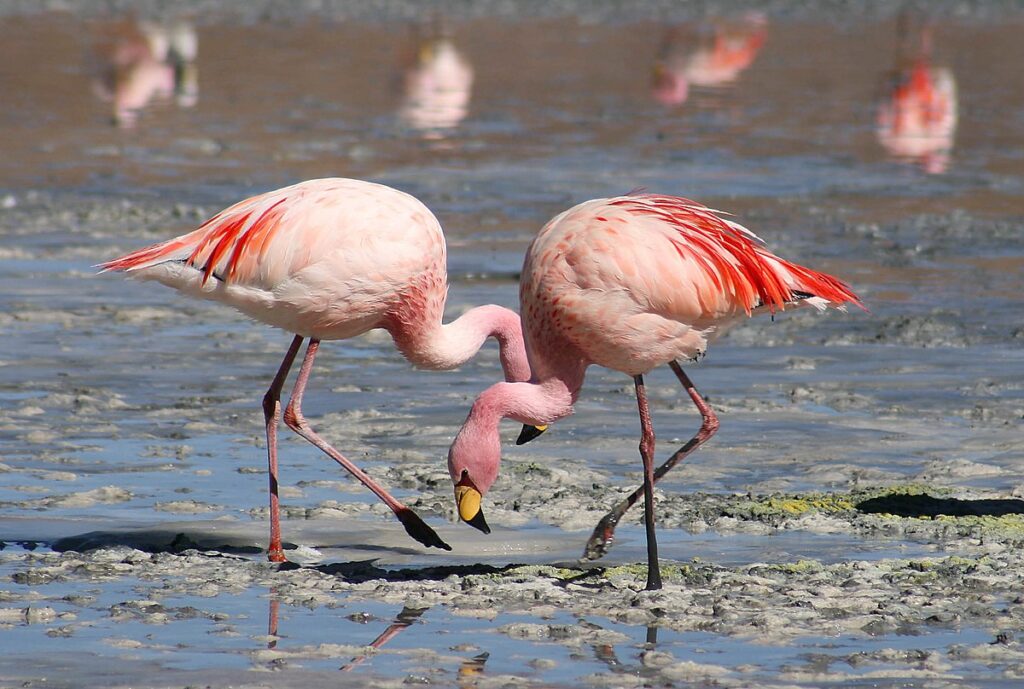
Are there Flamingos in Uganda?
Uganda, home to approximately 1,078 distinct bird species, is an exceptional site for birding safaris in Africa. The presence of flamingos as a bird species in Uganda has been scrutinized due to the prevalence of flamingos in neighboring East African countries. Lesser Flamingos are observable in Uganda. Visitors on Ugandan birdwatching expeditions can spot them at Lake Munyanyange in the Katwe area of Queen Elizabeth National Park. Lake Munyanyange, a little and shallow crater lake, is located to the northeast of Katwe, a town in the Salt Lake region. The lake serves as a vital habitat for migratory birds, including one of the largest populations of tiny black-backed gulls, Larus fuscus, and various waders. The White-browed Robin Chats, Flamingos, Desert Cisticolas, and numerous other migrating avian species congregate at Lake Munyanyange from far locations, including Kenya and Canada. Queen Elizabeth National Park, home to 600 distinct bird species, is a preferred destination for birding safaris in Uganda.
The Lesser Flamingo, formally designated as Phoeniconaias minor, is among the distinctive avian species that ornithologists on safari in Uganda have studied.
Lesser Flamingos constitute the sole species within the Phoeniconaias genus, recognized as a type of flamingo that flourishes in sub-Saharan Africa and certain regions of India. Despite being well recognized as a large and tall bird, particularly observed on bird-watching safaris in Uganda, the Lesser Flamingo is classified as the smallest among all flamingo species. The height varies from 80 to 90 cm, and the weight fluctuates between 1.2 and 2.7 kg. The body length, synonymous with the wingspan, varies from 90 to 105 cm from the beak to the tail. The Lesser Flamingo possesses pinkish-white plumage.
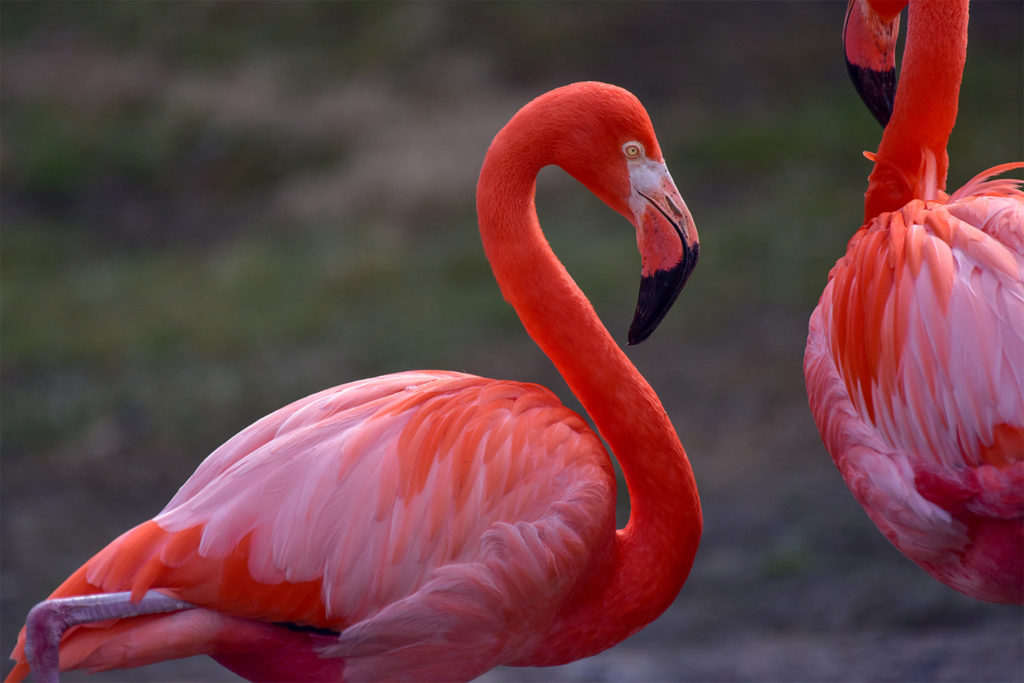
It mostly consumes Spirulina and the algae present in alkaline lakes, similar to those at Lake Munyanyange, a renowned tourist safari in Uganda. Lesser flamingos create a 30 cm-long mud nest during breeding to mitigate flooding and preserve a cool habitat. Each bird deposits one egg, which both parents incubate for twenty-eight (28) days in 24-hour shifts. Upon hatching, the grey chick consumes its shell before to receiving nourishment from its parents in the form of a liquid sustenance for several months. The chicks rapidly congregate in nurseries, which may comprise thousands.
Additional saline crater lakes in South-Western Uganda comprise Kasenyi, Bagusa, Maseche, Nshenyi, and Nyamunuka, which also provide as habitats for the Lesser Flamingo. All these locations are situated inside or in proximity to the Queen Elizabeth Conservation Area.
Best time to see flamingos in Uganda.
These avian species are Palearctic migrants that arrive at Lake Munyanyange in October and depart in April. Numerous birds repose near the lake. It is safe for them throughout the year, as muddy conditions impede predatory animal species, while the birds can be found in the center of the lake.