 info@gorillatrekkinginafrica.com
 +256 787505601
When is the best time to visit Kitulo National Park?
When is the best time to visit Kitulo National Park? . Kitulo National Park, situated in the southern highlands of Tanzania, is a concealed treasure celebrated for its exquisite floral exhibitions and distinctive biodiversity. Covering around 412.9 square kilometers, this captivating park lies within the Mbeya and Njombe regions. Kitulo National Park, commonly known as the “Garden of God,” is situated at an elevation of 2,600 meters above sea level, rendering it one of the highest plateaus in Tanzania. The park is reachable by the Dar es Salaam-Zambia Highway, which links to the town of Mbeya; tourists can go roughly 50 kilometers southward to arrive at the park’s entrance.
The best time to visit Kitulo National Park
Kitulo National Park is a botanical marvel, including an extraordinary variety of wildflowers that forms a vivid tapestry throughout the terrain. The park’s distinctive environment features undulating montane meadows, mixed with areas of damp forest and high rocky formations. From November to April, the park metamorphoses into a vibrant spectrum as more than 350 kinds of vascular plants, including 45 species of terrestrial orchids, reach full bloom during the wet season. The view of these blooms adorning the meadows against the majestic Kipengere, Poroto, and Livingstone Mountain ranges is quite stunning.
The Best time to visit Kitulo National Park is the dry season, occurring from June to October. At this time, the weather is temperate and agreeable, characterized by clear skies and minimal precipitation. This renders it an ideal opportunity to traverse the park on foot and appreciate the breathtaking beauty it presents.
A favorable period to visit Kitulo National Park is during the rainy season, which occurs from November to May. Notwithstanding the sporadic rainfall, this season is when the park exhibits its utmost vibrancy and color, characterized by fields of wildflowers in full bloom. This spectacle is remarkable and will undoubtedly inspire admiration for the park’s natural beauty.
Regardless of the season you select to explore Kitulo National Park, you will undoubtedly be astonished by the spectacular scenery and varied plant and animal life. The park is a repository of natural marvels, with rare orchids and endangered avian species, awaiting exploration.
Activities to do at Kitulo National Park
The park provides several activities that enable visitors to thoroughly engage with its natural beauty. For example
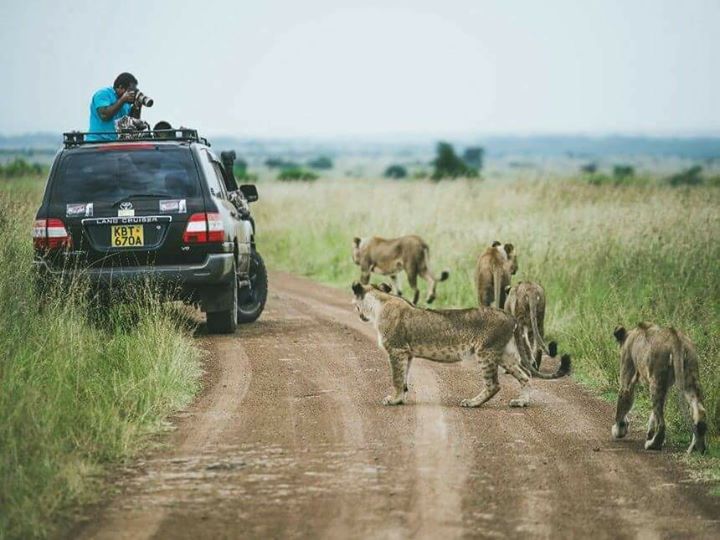
Game viewing: Discover the game drive along Matamba Ridge, montane grassland, bamboo forest, Mt. Livingstone trees, waterfalls, and the surrounding nature flower garden. Four-wheel drive (4X4) vehicles are advised. During your game drive safari, you will get the opportunity to observe many mammal species inhabiting the park, including Cape buffalo, elephants, leopards, African wild dogs, and numerous reptiles. The park’s vast plains provide unobstructed views for seeing animals as they engage with their surroundings, especially during early mornings and late afternoons when wildlife is most active. Guided game drives in the park allow guests to navigate the area’s varied terrain, enhancing the probability of wildlife encounters.
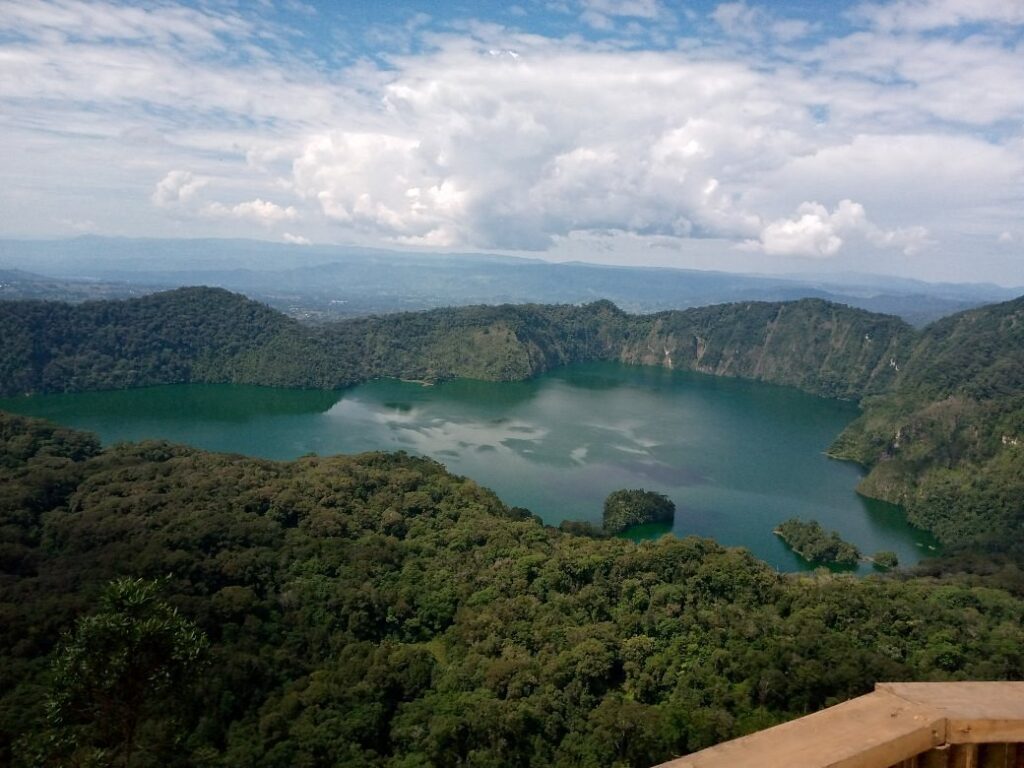
Birdwatching: Kitulo National Park is a haven for ornithologists, boasting over 400 known avian species inside its confines. The park hosts numerous endemic and rare avian species, including the White-faced Whistling Duck, Spur-winged Goose, African Pygmy Goose, Fulvous Whistling Duck, Helmeted Guineafowl, Crested Francolin, Harlequin Quail, Shelley’s Francolin, Grey-breasted Spurfowl, Mourning Collared Dove, African Green Pigeon, Blue-spotted Wood Dove, Yellow-throated Sandgrouse, Mozambique Nightjar, African Palm Swift, and Coppery-tailed Coucal, among others. During your bird-watching excursions, you will have the opportunity to observe these intriguing avian species while gaining knowledge about the endemic birds of Kitulo and the migratory species from South Africa and Europe. Birdwatching occurs at Lake Dhambwe, the grassland plain, and Nhumbe Valley, with optimal viewing times in the early morning and evening.
Hiking and nature hikes occur across the grasslands, mountain ridges, and forests within the park. The park’s network of paths offers exceptional chances for trekking and ecological hikes. These routes traverse the wildflower meadows, providing intimate glimpses of the varied plant species and breathtaking vistas of the surrounding terrain. Prominent trails encompass the ascent to the peak of Mount Rungwe, providing breathtaking vistas of the park and the remote Lake Nyasa.
Camping in a natural garden filled with flowers offers a unique experience. Camping excursions predominantly occur in the Mwakipembo Public Campsite, which is equipped with flush toilets, shelters, and a fireplace. The Maua Special campground is situated in a natural setting designated to preserve exclusivity for its customers.

The national park provides exceptional bike trips, allowing visitors to discover the concealed gems of the park and its vicinity at their leisure. The park features two distinct connector loops for guests interested in this exhilarating experience. The route spans 22 kilometers, commencing at the Mwakipembo entrance gate and traversing Nguzo Mbili, Uwanda picnic site, Mlivili cave, Mwakipembo waterfall, before returning to the Mwakipembo gate.
Guided botanical tours are available for anyone with a strong interest in botany. These trips are conducted by knowledgeable park guides who will provide in-depth insights into the area’s distinctive flora, including several orchid species and other rare plants. These trips are both informative and enhance the understanding of the park’s ecological importance.
Reach out to our reputable tour operators for details and inquiries regarding the optimal time to visit Kitulo National Park. Additionally, consider booking with our travel businesses, such as Gorilla Trekking in Africa, which provide exceptional tour packages for your safari in Tanzania.