 info@gorillatrekkinginafrica.com
 +256 787505601
What is a Gorilla’s Weakness
What is a Gorilla’s Weakness , Gorillas are among the most remarkable animals on Earth, renowned for their power, intellect, and social intricacy. These colossal primates have enthralled researchers, wildlife aficionados, and conservationists for decades.
Gorillas, the largest of the great apes, exhibit significant physical strength and a sophisticated social structure that allows them to flourish in the jungles of central Africa. However, akin to all creatures, gorillas possess weaknesses—vulnerabilities that, while their remarkable abilities, render them susceptible in specific circumstances.
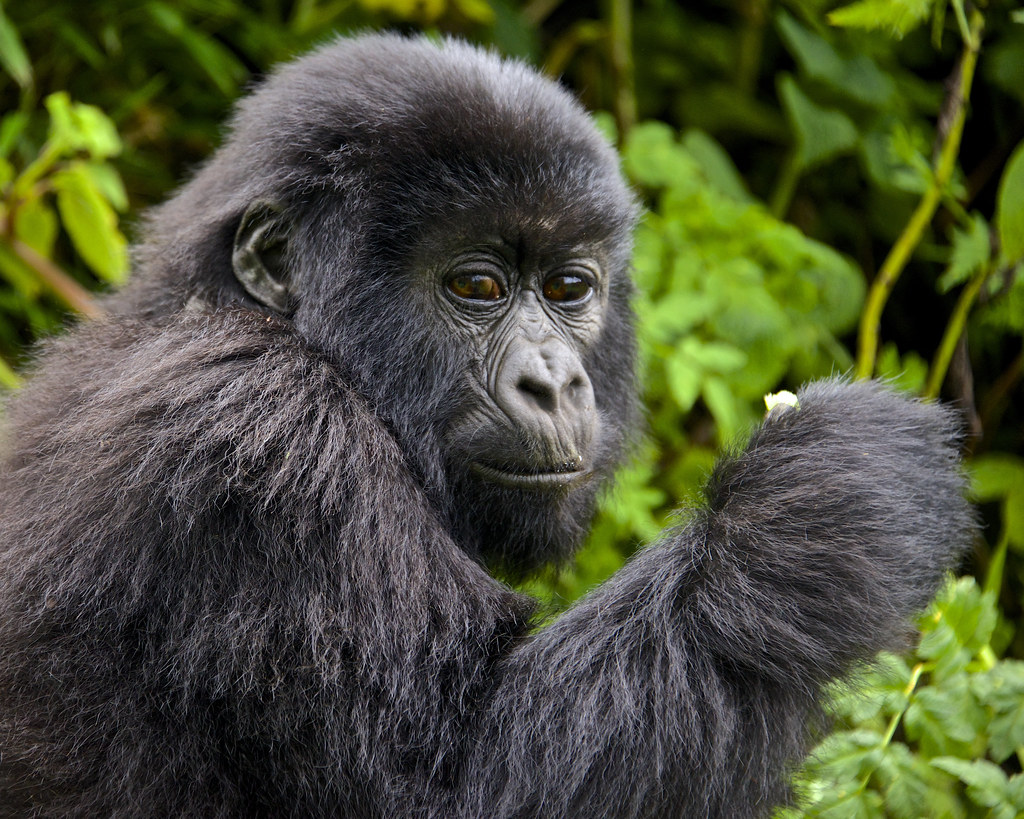
This article will examine the primary vulnerabilities of gorillas, focusing on their physical, behavioral, and environmental issues. Although gorillas are formidable beings, comprehending their vulnerabilities can illuminate their susceptibility and the reasons for their status as a critically endangered species.
2. Susceptibility to Illness
Notwithstanding their strength and stature, gorillas, akin to all living organisms, are vulnerable to diseases. Their immune systems, however strong, are susceptible to pathogenic assaults. Diseases are a critical vulnerability that endangers the gorilla population currently.
Respiratory Diseases
A primary problem for gorillas, both in their natural habitat and in captivity, is respiratory diseases. Gorillas possess over 98% of their DNA in common with humans, rendering them particularly vulnerable to numerous diseases that impact people. Common respiratory illnesses, including influenza and cold viruses, can be transferred to gorillas via close contact with humans or other animals. The effects of such diseases on gorilla populations can be profound, frequently resulting in complications and occasionally mortality.
The transmission of diseases, including human respiratory viruses, is a primary reason wildlife specialists stress the necessity of minimizing human interaction during gorilla trekking, leading to the implementation of stringent regulations to prevent exposure to infections.
Ebola virus disease
The Ebola virus poses another considerable threat to gorillas, having previously ravaged gorilla populations in certain regions of Africa. Ebola outbreaks have resulted in the fatalities of numerous gorillas in locations they inhabit, especially in areas where human and gorilla habitats intersect. As gorillas and humans are both members of the primate family, diseases like Ebola can rapidly transmit between the two species.
Although gorillas are less susceptible to diseases such as malaria compared to humans, the transmission of viruses throughout their populations can significantly affect their numbers. These diseases render gorillas exceedingly susceptible, especially in areas where conservation initiatives are inadequate or where interactions with human populations are prevalent.
3. Habitat Destruction and Environmental Degradation
Gorillas predominantly inhabit the deep forests of central Africa. These forests furnish them with sustenance, refuge, and the necessary environment for social interaction and procreation. Nonetheless, a significant concern to gorillas is the degradation and fragmentation of their natural habitats.
Deforestation and Anthropogenic Encroachment
Human endeavors, including as logging, agriculture, and infrastructure development, have resulted in the devastation of gorillas’ natural habitats. As forests are deforested for agriculture or urbanization, gorillas are compelled to traverse diminished, fragmented territories, restricting their access to sustenance, habitat, and partners. This fragmentation isolates gorilla communities, hindering their interaction with neighboring groups and leading to genetic isolation.

Climate Change
Besides deforestation, climate change poses an additional hazard to gorilla habitats. Alterations in weather patterns and temperature variations can impact food source availability and induce changes in the environment upon which gorillas depend. Droughts, floods, and erratic weather can destabilize the forest environment, impacting the gorillas’ food and their capacity to locate appropriate habitats.
4. Human-Wildlife Conflict
Gorillas are not inherently violent towards humans; however, they may resort to defensive behavior when their habitats are endangered or when approached very closely. Regrettably, human-wildlife conflict has emerged as a substantial concern for gorillas, especially when they coexist with human people in their habitats.
Illegal hunting
Poaching, fueled by the illicit wildlife trade, constitutes one of the most critical dangers to gorillas. Gorillas are hunted for their flesh or caught and sold into captivity for exhibition in zoos or illicit pet trades. Poaching directly results from human encroachment into gorilla habitats, and despite the endeavors of conservationists and park rangers, it continues to be a persistent problem. Poaching diminishes the gorilla population and disrupts social systems, especially when silverbacks are killed or captured.
Habitat Encroachment
Human encroachment into gorilla habitats frequently results in direct confrontation between people and gorillas. As people encroach upon the forested habitats of gorillas, interactions with the apes frequently result in perilous encounters. Gorillas may exhibit aggression when threatened while defending their territory or resources; yet, their inherent tendency is to evade combat. The outcome is a lamentable situation wherein gorillas are compelled to withdraw deeper into the wilderness or face death in efforts to safeguard their environment.
5. Reproductive Difficulties
A further vulnerability that might impact the gorilla population is reproductive difficulties. Gorillas exhibit a low reproduction rate, indicating that any threat to their population can profoundly affect their numbers.
Prolonged Gestation Duration
Female gorillas experience prolonged gestation periods, generally lasting approximately 8.5 months, and they deliver a solitary child every birth. Postnatally, the mother nurtures the youngster for several years, as the baby gorilla relies on her for sustenance, safety, and education. The sluggish reproduction rate hinders the population’s ability to swiftly recover from reductions caused by disease, poaching, or habitat destruction.
The demise of a silverback or other significant group members can destabilize the social hierarchy, resulting in reproductive issues, especially if younger or less experienced males attempt to assume control. The social connections between males and females are essential for sustaining robust, healthy gorilla communities.
6. Reliance on Forest Ecosystems
Gorillas are herbivorous and depend significantly on the accessibility of plants, fruits, leaves, and stems for sustenance. Their reliance on these forest environments renders them susceptible to environmental changes. The overexploitation of specific plant species or alterations in vegetation resulting from climate change or deforestation can directly affect gorilla diets.

Restricted Nutritional Diversity
In contrast to those species capable of adapting to diverse diets, gorillas possess a comparatively restricted array of food options. They predominantly depend on flora that is plentiful in their woodland habitats. Should deforestation or climate change diminish the availability of these items, gorillas may encounter difficulties in obtaining sufficient sustenance, potentially leading to malnutrition or famine.
Despite their undeniable strength, gorillas possess vulnerabilities. Their dependence on delicate environments, susceptibility to sickness, sluggish reproduction rate, and the stresses of human invasion pose substantial hurdles to their survival. Comprehending these vulnerabilities is essential for conservation initiatives focused on safeguarding gorillas and ensuring their continued prosperity in the wild.
Addressing these vulnerabilities through habitat preservation, anti-poaching measures, and sustainable tourism is essential for ensuring the future of gorillas. By mitigating these vulnerabilities, we can safeguard gorilla populations and maintain the fragile equilibrium of the ecosystems that sustain them. Notwithstanding their capabilities, gorillas face a critical juncture, and only through unified worldwide initiatives can we aspire to ensure their survival in the wild for future generations.