 info@gorillatrekkinginafrica.com
 +256 787505601
Western Serengeti
Western Serengeti, the Serengeti is a quintessential and diversified environment, inhabited by millions of animals and plants that flourish in its expansive plains, woods, rivers, and hills. Serengeti National Park, including the majority of the environment, is segmented into various areas, each with distinct characteristics and attractions. The Western Serengeti is a corridor extending from the central Seronera region to the park’s western boundary, adjacent to Lake Victoria and the Grumeti Game Reserve.
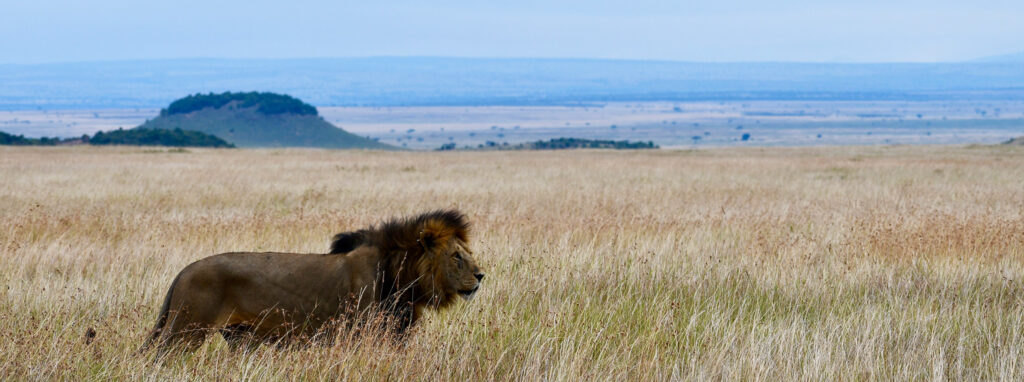
The Western Serengeti is a breathtaking and fertile area that provides tourists with an opportunity to appreciate the beauty and diversity of the Serengeti in a more quiet and personal environment. The Western Serengeti, in contrast to the more frequented and populous regions of the park like the Central and Southern Serengeti, is less traversed and more secluded, providing tourists with a sense of adventure and exclusivity. The Western Serengeti is renowned for its stunning landscapes, featuring undulating grasslands, acacia trees, rocky formations, and riparian forests. The region is intersected by multiple rivers, including the Grumeti, Mbalageti, and Kirawira, which supply water and habitat for diverse fauna.
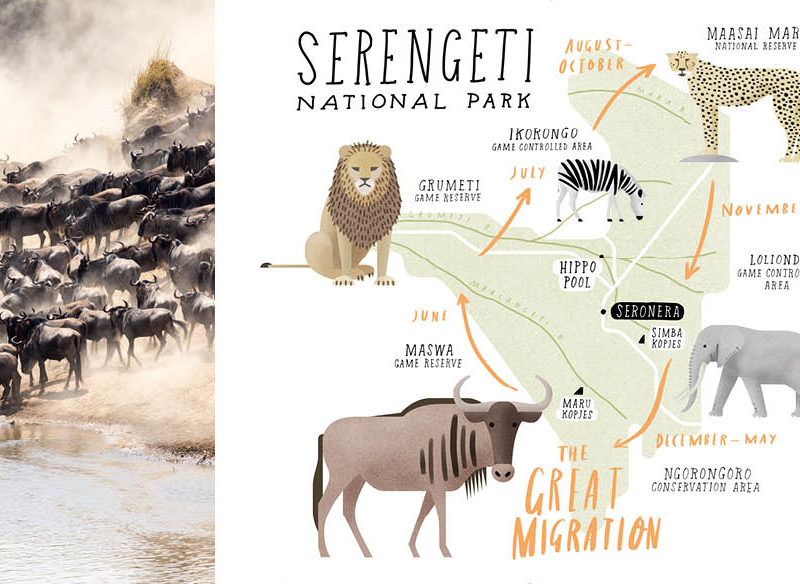
Annually, from May to July, the migration occurs in this region, rendering it the optimal period for visitation. Observe the phenomenon of wildebeest, zebras, and various other animals plunging into the Grumeti River, confronting the crocodiles and lions that inhabit the adjacent waters.
Alongside the migration, the Western Corridor hosts a diverse array of non-migratory fauna. This encompasses several wildebeest and zebra, among populations of giraffe, buffalo, hartebeest, waterbuck, eland, topi, impala, and Thomson’s gazelle. The region hosts a substantial population of hippos, frequently observable at Retima Hippo Pool during the dry season. Predators like leopards and crocodiles flourish in the area, rendering it an ideal destination for wildlife aficionados.
The Grumeti Game Reserve, situated in the northern region of the Western Serengeti, offers a unique safari experience. This reserve encompasses 1,410 square kilometers and safeguards a comparable diversity of species as the Western Corridor. Off-road driving is authorized, and the quality of guidance is exceptional. The area is managed by three lodges and camps administered by Singita, a prestigious organization.
The Ndabaka Gate, granting access to the park from the eastern lakefront route, is situated a few kilometers east of Lake Victoria. Serengeti Stop Over, located outside the gate, is the premier contact for affordable day and overnight safaris into the western Serengeti. If you seek an exceptional safari experience, try visiting the Western Serengeti year-round, particularly from May to July, when the migration occurs, offering the opportunity to observe one of the world’s most extraordinary natural events.
The Great Migration
The Western Serengeti is renowned for its significance in the annual Great Migration, during which millions of wildebeest, zebras, and other herbivores traverse the region in pursuit of fresh grazing grounds. The Western Serengeti is a crucial region for the migration, often occurring between May and July, contingent upon rainfall patterns. During this period, tourists can observe the dramatic phenomenon of thousands of animals traversing the crocodile-infested rivers or assembling on the plains. The migration also draws numerous predators, including lions, leopards, cheetahs, hyenas, and wild dogs, which trail the herds and target the weak or vulnerable individuals.
The Western Serengeti encompasses more than just the migration. The region hosts a varied array of wildlife year-round, including elephants, giraffes, buffaloes, hippos, rhinos, antelopes, monkeys, and more than 500 kinds of birds. The Western Serengeti is a significant conservation zone, as it harbors numerous endangered or threatened species, including the black rhino, the African wild dog, and the pangolin. The area is included in the Serengeti-Mara ecosystem, designated as a UNESCO World Heritage Site and a Biosphere Reserve.
Accommodations in the Western Serengeti
The Western Serengeti provides guests with several safari experiences and activities to appreciate the region’s natural beauty and animals. The region offers many lodges and campgrounds that accommodate a range of budgets and interests, from luxury to economical options. Some of these accommodations are movable or seasonal camps that adhere to migratory patterns or function exclusively at specific seasons of the year. The region features permanent lodges and campgrounds that provide comfortable amenities and services year-round. The majority of these lodgings are situated along rivers or in proximity to water sources, where wildlife typically gathers.
Things to do in Western Serengeti
The Western Corridor has numerous activities, particularly during high season.
Grumeti River Crossing
The river crossings occurring from June to July are a remarkable spectacle, as millions of animals congregate on the banks, apprehensively observing the water. Ultimately, a courageous animal takes the plunge, prompting the others to follow, resulting in a chaotic display of splashing hooves and swirling water.
Your assigned guide will communicate with other local guides to obtain information regarding the river locations where the Wildebeests are expected to cluster for crossing. You will thereafter be directed to the site with the greatest likelihood of observing the river crossing. Nevertheless, anticipate an extended wait, since the crossings may require some time to complete. It is essential to remain still and motionless to avoid disturbing the animals, and to adhere to your guide’s directives at all times.
Observing the river crossing in the Western Serengeti is an indelible experience that will remain with you for a lifetime. However, please be aware that the Grumeti River crossing may not resemble what you have observed in documentaries. Documentaries typically showcase Mara River crossings occurring in the northern region. Although the Grumeti River crossing is perilous and results in the loss of numerous animals, the river is neither as deep nor possesses the same vigorous current as the Mara. This renders the crossing relatively simpler, so the event may lack the anticipated drama.
Hot Air Balloon Expedition
The Western Serengeti is renowned for its expansive grasslands, riparian zones, floodplains, and the remarkable annual wildebeest migration.
During a hot air balloon safari, you will ascend over the savannah, gaining a panoramic perspective of the wildlife underneath. You will likely observe a diverse array of creatures, including elephants, giraffes, topis, hyenas, and possibly colobus monkeys traversing from branch to branch.
The Hot Air Balloon Safari in the Western Corridor occurs from June to October. If fortunate, one may observe herds of wildebeests congregating along the Grumeti River.
The safari generally commences early in the morning, prior to daybreak, when the atmosphere is cold and tranquil. You will encounter your pilot and crew, who will provide a briefing on safety protocols and assist you into the basket. As the sun ascends, the balloon will gradually soar into the atmosphere, offering an exquisite aerial perspective of the Serengeti.
The safari typically endures for approximately one hour, following which you will land and have a Champagne brunch in the wilderness. To commemorate this significant event, you will receive a certificate and then be transported back to your lodge to prepare for the game drives.
Walking Safari
On a walking safari in the West Serengeti, one may anticipate several hours of daily trekking, navigating the vegetation and experiencing wildlife at close range. The tempo is often unhurried, providing ample opportunity to examine the fauna and comprehend their behavior and environment.
On the walking safari, you will get the chance to witness a diverse array of species, including elephants, zebras, giraffes, and others. You will also have the opportunity to learn about the flora and fauna native to the region, as well as their potential therapeutic benefits.
There are two types of walking safaris: a short stroll and a long tour. The brief stroll will endure for four hours, while any duration over this will constitute a lengthy walk.
During the safari, please ensure you are attired in comfortable footwear and clothing. Your legs must be entirely concealed. Please avoid wearing dark colors such as blue and black, as these attract the bothersome tsetse flies.
Kindly adhere to the regulations established by your guide prior to the safari. This will guarantee your safety in the wilderness.
Weather and Climate
The Serengeti features a temperate temperature that is predominantly agreeable. Although the afternoon weather is agreeable, temperatures drop significantly at night and in the early morning; therefore, it is prudent to bring warm attire.
The dry season occurs from June to October, with temperatures ranging from a maximum of 25°C (77°F) to a minimum of 14°C (57°F).
The rainy season occurs from November to May. The temperature may reach a maximum of 26°C / 79°F and a minimum of 15°C / 59°F.
When to Visit Western Seregneti
Game drives can occur year-round in the region, as elephants, giraffes, hyenas, and numerous other species are permanent inhabitants. The optimal period to visit the Western Serengeti is from May to June, when the migration occurs in the area, providing the opportunity to witness the river crossings.