 info@gorillatrekkinginafrica.com
 +256 787505601
Watamu Marine National park
Watamu Marine National Park is situated approximately 90 miles (140 km) north of Mombasa, Kenya’s second-largest city. It is Kenya’s inaugural marine park, founded in 1968. The gardens are located within 300 meters (980 ft.) from the shore, situated in Malindi, Mombasa, within Kilifi County.
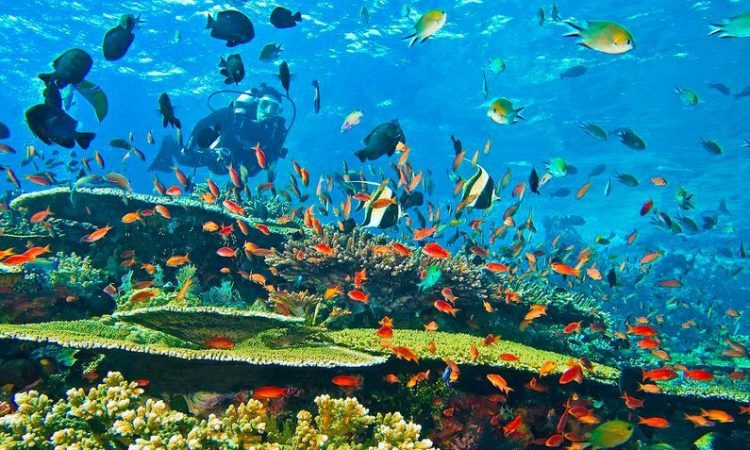
The park is home to approximately 600 fish species and 110 species of stony corals. Its habitat encompasses marine and tidal environments, featuring remarkable green turtles, coral reef gardens, and pristine white sandy beaches. The coral reefs, which support this ecosystem, comprise over 150 species of hard corals and provide ample sustenance for fish. The water temperature of Watamu Marine National Park ranges from 20 degrees Celsius (June to November) to 30 degrees Celsius (December to May). Watamu Marine is safeguarded by the Kenya Wildlife Service. The park was established as a biosphere reserve in 1979.
Attractions in Watamu Marine national park.
The park features numerous attractions that enhance its appeal and, conversely, attract more people.
Coral Gardens.
The Coral Gardens comprises a 100-meter expanse of coral heads near the lagoon’s terminus, hosting a minimum of 250 fish species. This region is the most frequented for boat-based snorkeling activities inside the park.
Turtle Reefs.
These are premier diving locations featuring diverse fish species, with turtle reefs safeguarded for divers during inclement weather conditions that hinder exploration beyond the reef. Unique marine fauna present in this region includes starfish, parrotfish, lobsters, anemones, moray eels, wrasses, and sea urchins, among others.
Kipepeo Butterfly Project.
This is a community-based company that sustains the livelihoods of individuals residing near the Arabuko Sokoke forest in coastal Kenya. It promotes the sale of butterfly and moth pupae, various live insects, honey, and silk fabric created by the community.
Turtle Watching.
The park serves as an ideal habitat for turtles. This gem is safeguarded by initiatives that encompass beach patrols. One initiative is an incentive plan that encourages fishermen to return inadvertently caught turtles. Other programs include a Rehabilitation Centre, Nest Monitoring for injured or ill turtles, and a Community Education System initiative. The region primarily serves as a refuge for nesting Green turtles, however populations of other species, such as Hawksbill and Olive Ridley turtles, are also on the rise.
Mida Creek Mangrove Forest.
It is one of the most advantageous mangrove ecosystems globally and is widely acknowledged as a birding location, hosting both local and migratory birds from Asia and Europe. Mida Creek is a tidal inlet characterized by diverse ecosystems shaped by tidal fluctuations; the open portions serve as breeding and feeding grounds for numerous fish species, including snappers, rabbitfish, jacks, barracuda, and emperors. The aquatic flora of Mida Creek comprises 333 species of seaweed and 11 species of seagrass, exhibiting variability in both quantity and distribution. Both mangroves and seagrasses sequester sediments that enhance coral ecosystems and create an ideal environment.
Larder.
It is a collection of reefs in the North where vessels can anchor, and the area is renowned for its abundant fish schools.
Ivory sandy shoreline.
Watamu National Park features a stunning white sand beach adorned with a diverse array of vibrant fish, enticing tourists, beside coconut palm trees, fine white sand, and gently warm waters. The white sandy beach is an ideal location to relax following a safari expedition.
Diversity of fish species.
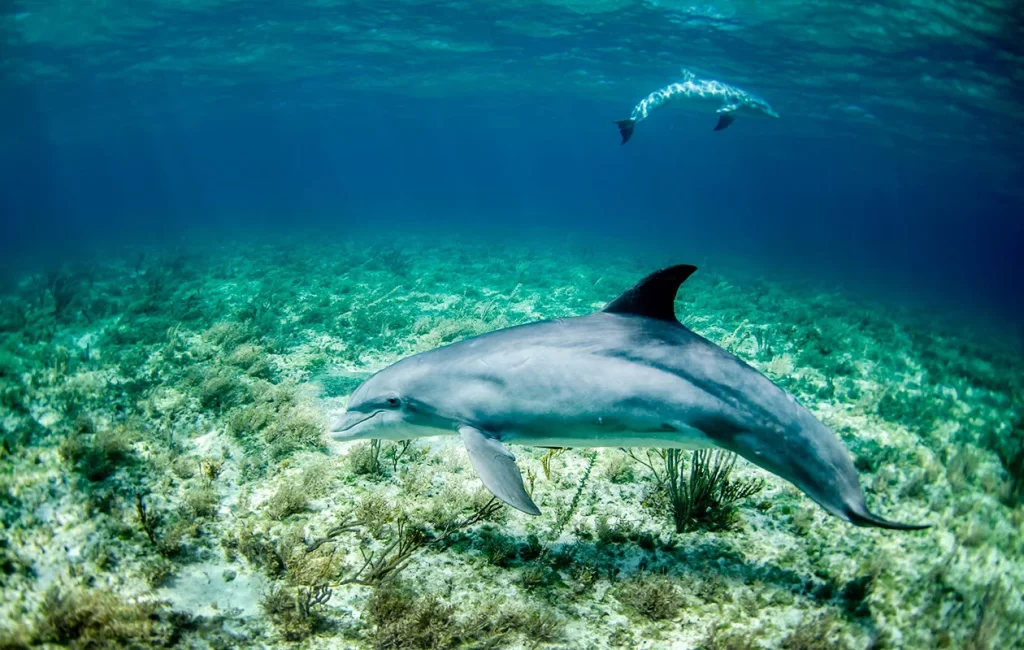
The park features a diverse array of marine life, including small fish and larger species such as whale sharks, green sea turtles, angelfish, swordfish, spearfish, sailfish, marlin, damselfish, batfish, porcupinefish, wrasse, lionfish, octopuses, and drummer fish, among others.
Bird species.
Watamu Marine National Park is home to several avian species, including the common bulbul, white-browed coucal, speckled mousebird, black kite, bright yellow canary, lilac-breasted roller, lizard buzzard, osprey, golden palm weaver, and kingfishers, among others.
Encounter with sea organisms.
Watamu Marine National Park boasts a diverse array of marine life, including small fish, whale sharks, green sea turtles, angelfish, swordfish, marlin, crocodile fish, and octopuses, among others.
Surfing on water.
In Watamu Marine National Park, athletes, often known as surfers, commence from a designated distance offshore and advance towards the coast while standing on their surfboards, utilizing the waves for propulsion.
Aquatic skiing.
This activity is also conducted in Watamu Marine National Park; it involves the sport of slalom and leaping on water skis. Picnicking activities are conducted in the park.
Entrance fees for Watamu Marine National Park.
| Category | Citizen(KES) | Residents(KES) | Non- Residents(USD) |
| Adult | 100 | 100 | 15 |
| Child | 100 | 100 | 10 |
Best Time to Visit Watamu Marine national park.
Watamu’s proximity to the equator results in a consistently warm climate throughout the year. The optimal months for diving, snorkeling, and fishing are from October to April, but turtle breeding and hatching occur year-round.
Accommodations in Watamu Marine National Park.
Watamu Marine National Park offers a variety of accommodations for travelers on their safari, including budget, mid-range, and luxury options. These comprise Mapacha Village, Villas Watamu Resort, Kobe Suite Resort, Garoda Resort, Temple Point Resort, among others.
Directions to Watamu
The Watamu Marine National Park is accessible by both air travel and aircraft.
Definition of “By Road.”
Watamu Marine National Park is located approximately 130 km north of Mombasa and roughly 28 km from Malindi. Access may be gained by the Mombasa-Malindi Road, leading to Gede, situated along the main thoroughfare. Watamu is located 11 kilometers from Gede, adjacent to the Indian Ocean.
By air refers to transportation via aircraft.
You may utilize Malindi Airport to access Watamu.
Watamu Marine Park is a sanctuary for the Green Turtle, featuring distinctive coral gardens, the Gede ruins, and a variety of marine and tidal ecosystems along Kenya’s northern coast, abundant with varied avian species, fish, turtles, and dugongs.