 info@gorillatrekkinginafrica.com

Special Campsites in Tarangire National Park: Tanzania’s Wilderness Under the Stars
Special Campsites in Tarangire National Park, Tarangire National Park, located in the Manyara Region of northern Tanzania, is one of East Africa’s most compelling yet often underappreciated wilderness destinations. Covering approximately 2,850 square kilometres, the park is the sixth-largest national park in Tanzania and forms a critical part of the Greater Tarangire Ecosystem — a vast migratory corridor stretching from Lake Natron in the north to the Maasai Steppe in the south.
The park takes its name from the Tarangire River, the only permanent water source in the area during the dry season. This river becomes a lifeline that draws one of the highest concentrations of wildlife in Africa between June and October. Thousands of wildebeest, zebra, buffalo, elephant, and gazelle converge along its banks, making Tarangire a spectacle rivalling — and by some accounts surpassing — the Serengeti during this period.
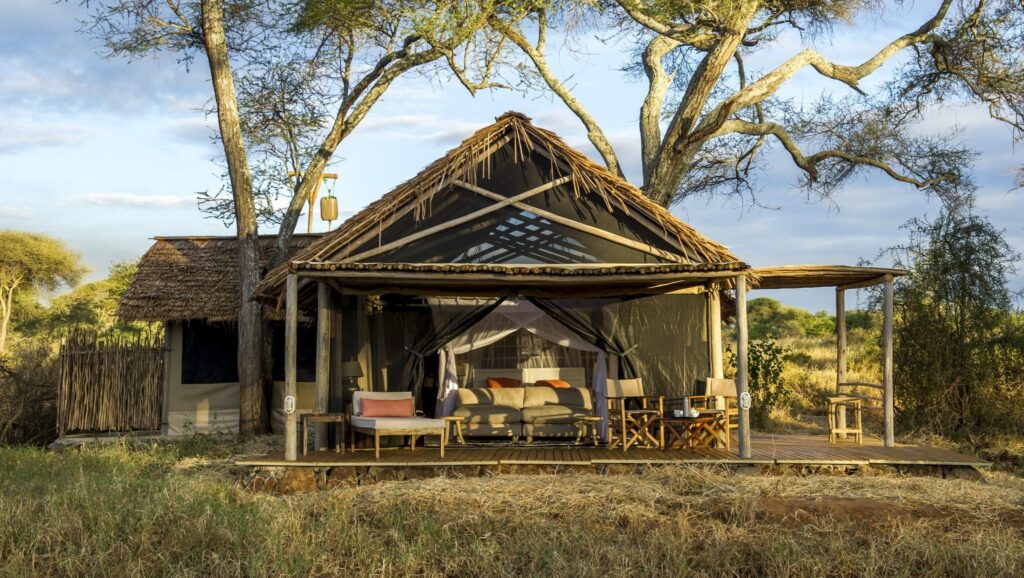
What sets Tarangire apart from other Tanzanian parks is its dramatic landscape: sweeping savannah grasslands punctuated by ancient baobab trees, some estimated to be over 1,000 years old. These iconic trees, known locally as ‘mti wa maisha’ (tree of life), give the park a prehistoric, otherworldly quality unlike anywhere else in Africa.
Why Choose Special Campsites?
Tanzania’s national parks offer two categories of camping: public campsites (shared, with basic communal facilities) and special campsites (exclusive, private, and far more immersive). Special campsites represent the pinnacle of bush camping in Africa — a chance to sleep under the stars in complete isolation, with nothing between you and the wild.
Unlike public sites, special campsites are booked exclusively by one group at a time, meaning you have the entire area entirely to yourself. There are no other tourists, no communal ablution blocks, no camp generators humming in the distance. Just you, your guide, and the sounds of Africa at night.
Overview of Special Campsites in Tarangire
Tarangire National Park has a carefully managed number of special campsites, ensuring that the wilderness experience remains exclusive and the ecological impact is minimal. Below is a summary of the designated special campsites within the park:
| Campsite Name | Zone / Location | Capacity | Nearest Feature | Best For |
| Sangaiwe Special | Northern Zone | 1 group | Sangaiwe Hills | Wildlife, birding |
| Gurusi Special | Central Zone | 1 group | Tarangire River | Elephant watching |
| Lemiyon Special | Northern Zone | 1 group | Lemiyon Woodland | Solitude, baobabs |
| Boundary Hill | Eastern Boundary | 1 group | Escarpment viewpoint | Scenic views, sunsets |
| Kwa Kuchinja | Southern Zone | 1 group | Migratory corridor | Migration, big cats |
| Matete Special | Central Zone | 1 group | Matete palm forest | Birding, families |
| Silale Swamp | Western Zone | 1 group | Silale wetlands | Waterbirds, hippos |
| Poacher’s Hide | Remote North | 1 group | Remote wilderness | Adventure, exclusivity |
| Naitolia Special | Southern Buffer | 1 group | Community buffer zone | Culture + wildlife |
Note: Campsite availability, fees, and regulations are subject to periodic revision by TANAPA. Always confirm current details when booking.
Individual Campsite Profiles
1. Sangaiwe Special Campsite
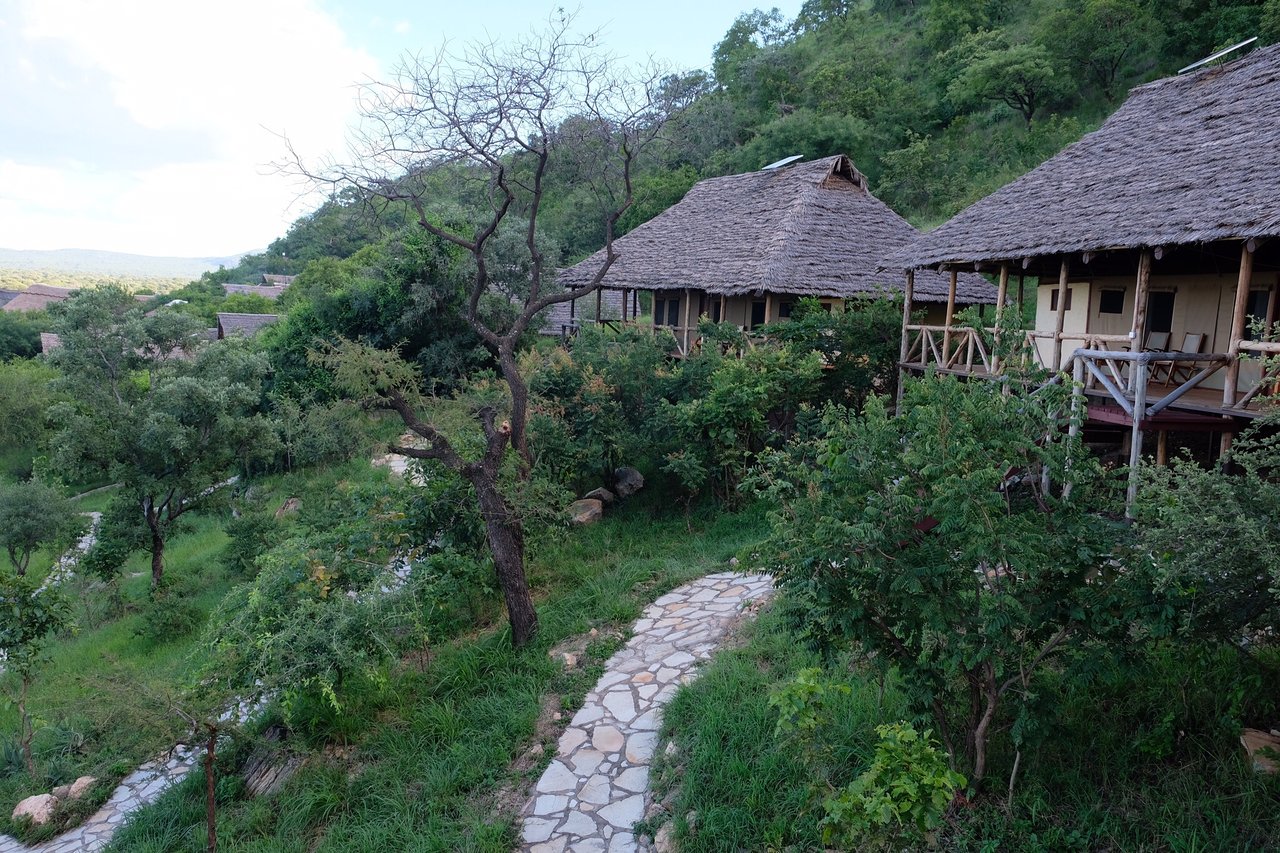
Sangaiwe is arguably one of the most dramatically positioned campsites in all of Tarangire. Set against the rolling Sangaiwe Hills in the northern section of the park, this site offers commanding views across the golden plains below. The hills themselves are ancient volcanic outcroppings draped in dry bush vegetation and form a natural amphitheatre that frames sunsets in spectacular fashion.
| Zone | Northern Tarangire |
| Terrain | Rocky hillside with acacia scrub and open grassland |
| Key Wildlife | Lion, leopard, cheetah, klipspringer, elephant, bat-eared fox |
| Best Season | June to October (dry season) |
Wildlife and Natural Highlights
- Sangaiwe Hills are a known leopard territory — hearing a leopard’s rasping call in the night is not uncommon
- The open grassland below attracts cheetah during the dry season, particularly in early morning hours
- Over 550 bird species recorded in the park; the hilltop position is excellent for raptors including martial eagle and bateleur
- The dry riverbed near the campsite is frequently visited by elephant family herds moving between water sources
Camp Experience
Sleeping at Sangaiwe is an experience of complete darkness and profound silence broken only by the sounds of the bush. There is no light pollution for many kilometres in any direction. On clear nights, the Milky Way stretches from horizon to horizon. Campers frequently report hearing lion roaring from the plains below — a sound that makes the wilderness feel both enormous and intimate.
2. Gurusi Special Campsite
Gurusi sits within the central zone of Tarangire, positioned close to a bend in the Tarangire River where the banks are lined with Acacia tortilis and tall yellow-barked fever trees. This is elephant country at its most concentrated — during the dry season, it is not unusual to see herds of 50 or more elephants making their way to the riverbank as the sun sets.
| Zone | Central Zone — near Tarangire River |
| Terrain | Riverine forest meeting open floodplain |
| Key Wildlife | African elephant, hippo, crocodile, buffalo, lion, waterbuck, impala |
| Best Season | July to September — peak elephant concentration |
Wildlife and Natural Highlights
- Gurusi is considered one of the finest elephant-watching locations in East Africa during the peak dry season
- Hippos occupy permanent pools in the river nearby, providing fascinating nocturnal audio — grunts, splashes, and territorial bellowing
- Crocodiles bask on exposed sandbanks visible from the campsite perimeter during daylight hours
- Buffalo herds of several hundred animals are common morning and evening visitors to the river, often accompanied by lion prides
Camp Experience
Camping at Gurusi is a multi-sensory experience. The river sounds are constant — water moving over rocks, hippos vocalising, and the occasional splash of a crocodile entering the water. Wildlife can approach camp, making it essential that campers follow guide instructions regarding night-time movement. A fly camp dinner on the riverbank as elephants wade across a few hundred metres away is the defining memory of Gurusi.
Lemiyon Special Campsite
Lemiyon is located in a beautiful mixed woodland in the northern reaches of the park, characterised by dense concentrations of baobab trees interspersed with commiphora and acacia species. The area is remote and feels genuinely off-the-beaten-path even within Tarangire — fewer vehicles pass through this zone, making wildlife encounters here feel more personal and unmediated.
| Zone | Northern Tarangire — Lemiyon Woodland |
| Terrain | Mixed baobab woodland and open grassland |
| Key Wildlife | Greater kudu, eland, giraffe, elephant, wild dog (seasonal), dikdik |
| Baobab Density | Among the highest concentrations in northern Tanzania |
Wildlife and Natural Highlights
- Greater kudu — one of Africa’s most elusive and beautiful antelopes — are regularly seen in the Lemiyon woodlands
- African wild dog packs have been recorded using the northern zone seasonally, though sightings are never guaranteed
- Ancient baobabs, some estimated at 800 to 1,200 years old, create a cathedral-like atmosphere at sunrise
- Giraffe are abundant and browsing at the tops of acacia canopy is a constant presence during morning hours
Camp Experience
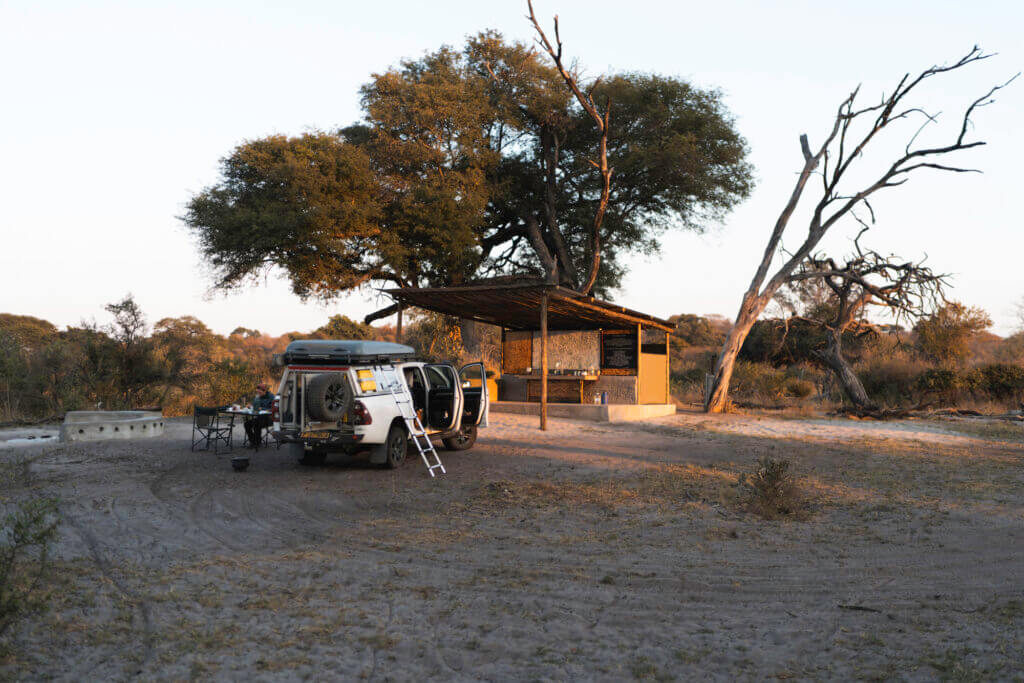
Lemiyon campsite rewards those who value atmosphere over raw wildlife density. Setting up camp beneath a 1,000-year-old baobab as the sun drops behind the tree line is a singular, almost meditative experience. Guides often conduct early morning bush walks from this site, taking advantage of the open woodland terrain. The sense of solitude here is absolute.
Boundary Hill Special Campsite
As its name suggests, Boundary Hill sits near the eastern edge of Tarangire National Park, perched atop an elevated escarpment that provides panoramic views across both the park interior and the community lands beyond the boundary. This elevated position makes it one of the most photographically dramatic campsites in the entire park system.
| Zone | Eastern boundary escarpment |
| Terrain | Rocky escarpment with scattered acacia and open views |
| Key Wildlife | Klipspringer, rock hyrax, Maasai giraffe, elephant, plains game |
| Notable Feature | 360-degree panoramic views — exceptional for sunrise and sunset photography |
Wildlife and Natural Highlights
- Klipspringer — small antelopes adapted to rocky terrain — are resident and regularly seen near camp
- Rock hyrax colonies inhabit the boulders; their alarm calls often signal an approaching leopard
- The elevated position enables long-distance scanning of the plains below, revealing herds invisible from lower campsites
- Raptors are superb from the escarpment; Verreaux’s eagle has been recorded hunting hyrax in this zone
Camp Experience
Boundary Hill’s great gift is light. The elevated position catches the last rays of the setting sun long after the valley below is in shadow, bathing the camp in warm golden light. Evenings are spent scanning the plains below with binoculars as the landscape transitions from gold to copper to deep purple. Campfires here feel particularly civilised — you can see for miles in every direction, yet feel entirely private.
Kwa Kuchinja Special Campsite
‘Kwa Kuchinja’ translates roughly from Swahili as ‘the place of slaughter’ — a name that reflects its historical significance as a migration bottleneck where predators have hunted for millennia. Located in the southern zone of the park, this campsite sits along the ancient migratory corridor connecting Tarangire to the greater Maasai Steppe ecosystem. During the wet season, millions of animals pass through this corridor.
| Zone | Southern Tarangire — migratory corridor |
| Terrain | Open grassland with seasonal watercourses |
| Key Wildlife | Lion, cheetah, wild dog, wildebeest, zebra (seasonal), spotted hyena |
| Best Season | November to May (migration); June for predator-prey drama |
Wildlife and Natural Highlights
- During the short rains in November, wildebeest and zebra pour back into the southern zone — one of Tanzania’s most underrated wildlife events
- Lion pride activity is intense along the migration corridor, particularly around dawn as herds make their way to water
- African wild dog packs frequently use the southern zone; Kwa Kuchinja is among the best areas in Tarangire for wild dog sightings
- Spotted hyena clans are numerous and active at night — the campfire is regularly surrounded by hyena investigation sounds in the darkness
Camp Experience
Kwa Kuchinja delivers raw, visceral Africa. The open grassland setting means that wildlife is often visible from camp without needing to leave — lions may rest in the shade 300 metres away, while hyenas circle the camp perimeter after dark. This campsite is recommended for experienced bush campers who appreciate predator proximity and understand wildlife safety protocols.
Matete Special Campsite
Matete is a gentler, more family-friendly special campsite located in the central zone near the park’s famous palm forest. The Phoenix reclinata palms create lush, green pockets of habitat particularly rich in birdlife. The campsite itself sits at the forest edge, with views out over open grassland grazed by a permanent resident population of zebra and impala.
| Zone | Central Zone — Matete Palm Forest |
| Terrain | Palm forest edge transitioning to open grassland |
| Key Wildlife | Giraffe, elephant, zebra, impala, warthog, African rock python |
| Birding | Exceptional — 150+ species recorded in the palm forest microhabitat |
Wildlife and Natural Highlights
- The African rock python (Python sebae) is resident in the palm thicket — impressive and entirely harmless at a safe distance
- Giraffe are extraordinarily abundant in the Matete area and are often visible feeding in the palms from camp
- The palm forest is rich in fruiting trees that attract hornbills, barbets, and rollers in spectacular numbers
- Elephants frequently move through the forest at dusk, using it as cover between the grasslands and the river
Camp Experience
Matete combines the excitement of being deep in a national park with an atmosphere that makes it accessible to families with children. The palm canopy provides shade during the heat of the day, and the abundant birdlife means there is always something to observe without venturing far from camp. Guided birding walks from this site are among the most rewarding in the park.
Silale Swamp Special Campsite
Silale Swamp is one of Tarangire’s most ecologically important and visually stunning features — a permanent wetland system in the western zone that acts as a magnet for waterbirds and large mammals year-round. The special campsite positioned near Silale offers a completely different bush experience from the dry savannah sites, with the constant movement of water, hippos, and birds creating a dynamic, ever-changing backdrop.
| Zone | Western Zone — Silale wetland system |
| Terrain | Permanent swamp, papyrus beds, and surrounding open floodplain |
| Key Wildlife | Hippo, crocodile, elephant, waterbirds (100+ species), reedbuck, lion |
| Key Attraction | One of Tanzania’s premier wetland birding locations |
Wildlife and Natural Highlights
- Hippo pods of 10 to 40 animals occupy the deeper pools permanently; watching them at sunset is extraordinary
- The swamp attracts outstanding waterbird assemblages including saddle-billed stork, African spoonbill, and open-billed stork
- Elephant families come to the swamp edges in large numbers to drink, mud-bathe, and socialise throughout the day
- Lions are known to prey on hippos at the swamp edges during the dry season when hippos venture further from water
- Lesser flamingo flocks occasionally use the shallower sections of the swamp, creating one of Africa’s most spectacular scenes
Camp Experience
Camping at Silale Swamp is a sensory immersion. The sounds from the swamp are extraordinary from dusk through dawn — hippo grunting and splashing, frogs chorusing, nightjars calling. The air carries the rich, earthy smell of wetland vegetation. Morning light on the papyrus beds and open water is magical for photography. This is one of the most distinctive camping experiences available anywhere in Tanzania.
Poacher’s Hide Special Campsite
Poacher’s Hide is the most remote and rugged of Tarangire’s special campsites, located deep in the northern wilderness zone where the terrain is rough, tracks are barely maintained, and the sense of genuine frontier adventure is at its highest. The site takes its evocative name from a historical era when poaching was a serious problem in this part of Tanzania — old watchers’ posts from this period still dot the landscape.
| Zone | Remote northern wilderness |
| Terrain | Dense thornbush, rocky outcrops, and dry watercourses |
| Key Wildlife | Elephant, greater kudu, lion, leopard, fringe-eared oryx, gerenuk |
| Access | 4WD essential; track conditions vary seasonally |
Wildlife and Natural Highlights
- Fringe-eared oryx — a subspecies rarely seen in other parts of Tanzania — inhabit the dry northern zone
- Gerenuk (giraffe gazelle), with their extraordinarily long necks and legs, browse standing upright on hind legs in the thornbush
- Leopard are resident in the rocky terrain; sightings are more likely here than in busier areas of the park
- The remoteness means elephant behaviour is less habituated — encounters here feel wilder and more primal
Camp Experience
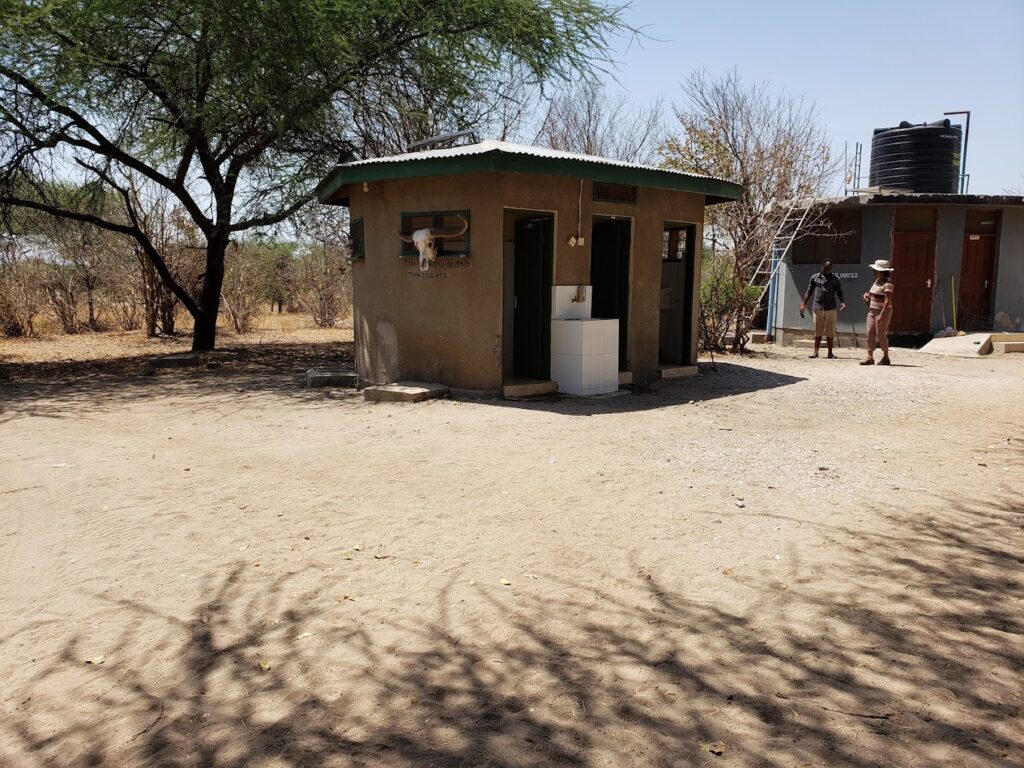
Poacher’s Hide is for the adventurous at heart. Getting to the campsite requires navigating rough tracks in a capable 4WD vehicle — the journey itself is part of the experience. Once camp is set up, the isolation is absolute. Guides who know this area well can unlock extraordinary natural history experiences that visitors in busier zones simply cannot access. This site is rated among the most exclusive bush camping experiences in East Africa.
Naitolia Special Campsite
Naitolia occupies a unique position within the Tarangire ecosystem — located in the southern buffer zone where the national park meets community lands managed by local Maasai communities. This campsite offers not only outstanding wildlife in a remote savannah setting but also the opportunity to engage with Maasai pastoral culture in a genuine, non-commercialised way.
| Zone | Southern buffer zone — Naitolia Community Area |
| Terrain | Open savannah and acacia bushland on community lands |
| Key Wildlife | Elephant, Maasai giraffe, zebra, wildebeest, lion, cheetah |
| Cultural Note | Maasai community involvement; cultural interactions available on request |
Wildlife and Natural Highlights
- The community lands support populations of elephant, giraffe, and plains game that move freely between park and buffer zone
- Cheetah are relatively common on the open savannah — the flat terrain and open sight lines make this one of the better locations for cheetah observation in the Tarangire area
- The absence of park vehicle traffic on community lands means wildlife behaviour is often more relaxed and less vehicle-habituated
- Night sky viewing from the flat, open terrain is exceptional — no tree canopy interrupts the view of the Southern Cross and Milky Way
Camp Experience
What distinguishes Naitolia from all other special campsites in Tarangire is the human dimension. The possibility of meeting Maasai warriors, learning about traditional cattle management, or hearing stories of wildlife coexistence from community elders adds a layer of cultural richness that purely wilderness campsites cannot provide. Naitolia represents the conservation model of the future — wildlife, wilderness, and community living in productive relationship.
Practical Information for Campers
Booking and Fees
Special campsites in Tarangire National Park are administered by the Tanzania National Parks Authority (TANAPA). All bookings must be made in advance through official TANAPA channels.
| Fee Category | Rate (USD) | Notes |
| Special Campsite Fee (per night) | $50 – $100 | Per group; subject to TANAPA revision |
| Park Entrance — Adult | $53.90/day | Per person; includes conservation levy |
| Park Entrance — Child (5–16 yrs) | $19.10/day | Per child |
| Vehicle Entry Fee | $59.80/vehicle | Foreign-registered vehicles |
| Ranger / Escort Guide Fee | Negotiable | Highly recommended for safety at remote sites |
Fees are denominated in USD. Cash and card payments are accepted at the main park gates. Always verify current rates at www.tanzaniaparks.go.tz before travel.
What to Bring
Camping Equipment
- Quality tent with ground sheet — fly camping means no permanent structures at any special campsite
- Sleeping bag rated to 5 degrees Celsius — nights can be surprisingly cold in the dry season
- Portable camp table and chairs
- Camp stove, fuel, lightweight pots, utensils, and washing-up basin
- Cooler box with ice for fresh food storage — ice is available in Arusha before departure
- Portable solar lanterns or LED camp lights — there is no electricity at any special campsite
- Campfire equipment: lighter fluid, fire starters — wood gathering within the park is restricted
Safety and Health Essentials
- Anti-malarial medication — consult your physician before travel, as the park is in a malaria-risk zone
- High-factor sunscreen (SPF 50 or above) and insect repellent with DEET
- First aid kit including wound care, rehydration salts, and antihistamines
- Headlamp with spare batteries for safe night-time movement around camp
- Satellite communicator or personal locator beacon — recommended for remote campsites
- Snake bite protocol awareness — bites are rare but knowledge of basic first response is essential
Wildlife Safety in Camp
- Never leave food unattended outside sealed storage containers — this attracts hyenas, baboons, and other scavengers
- Always use a torch when moving around camp at night and make noise to alert wildlife of your presence
- Sleep zipped inside your tent — elephants and other wildlife move through camp areas at night
- Follow all instructions from your certified wildlife guide, particularly regarding fire and food management
- Maintain a respectful distance from all wildlife at all times — do not feed or attempt to approach any animals
Access and Transportation
Tarangire National Park’s main entrance (Kuro Gate) is located approximately 118 kilometres from Arusha, Tanzania’s northern safari hub. The drive from Arusha takes roughly 2 hours on tarmac road.
| Route | Distance | Road Condition | Notes |
| Arusha → Makuyuni Junction → Kuro Gate | ~118 km | Tarmac / Good murram | Standard route; suitable for 2WD |
| Arusha → Lake Manyara → South Gate | ~180 km | Tarmac then murram | Scenic route via Mto wa Mbu |
| Internal tracks — northern zone | Variable | Rough bush track | 4WD essential; check conditions seasonally |
A 4WD vehicle is strongly recommended for all special campsite access within the park. Many internal tracks, particularly those leading to remote northern campsites, become impassable during the long rains (March to May).
Best Time to Visit
| Season | Months | Wildlife Experience | Camping Conditions |
| Dry Season (Peak) | June – October | Exceptional — maximum wildlife at water sources | Ideal; cool nights, minimal rain |
| Short Rains | November – December | Good — migration animals returning south | Some rain; pleasant temperatures |
| Long Rains | March – May | Challenging — many tracks impassable | Not recommended for special camp access |
| Short Dry | January – February | Good for calving season and predator activity | Warm; lighter tourist volumes |
Conservation and Responsible Camping
Special campsites in Tanzania’s national parks exist within a framework of conservation management designed to protect ecosystems while providing meaningful visitor experiences. As a guest in one of Africa’s last great wildernesses, every camper carries a responsibility to leave the landscape exactly as they found it.
Leave No Trace Principles
- Pack out all waste — including organic waste such as food scraps. No waste of any kind should be buried within the park
- Use biodegradable soap and wash water at least 70 metres from any water source or natural drainage
- Avoid single-use plastics — bring reusable water bottles and refillable containers
- Campfire management: use only designated fire pits where available; ensure fires are completely extinguished with water before sleeping or leaving camp
- Stay on existing tracks at all times — off-track driving destroys fragile soil crusts and vegetation that take decades to recover
- Keep noise to a minimum — silence is one of the most precious resources at a special campsite
Supporting Conservation
The fees paid for special campsite access directly fund Tanzania’s national park management, anti-poaching operations, and community conservation programmes. Choosing special campsites over lodges distributes tourism revenue to conservation budgets, making special camping one of the most conservation-positive travel choices available in East Africa.
Visitors are encouraged to engage with the park’s conservation story through certified guides, many of whom have deep personal knowledge of the park’s wildlife families, ecology, and ongoing challenges. These conversations are as enriching as the wildlife itself.
Conclusion
Tarangire National Park’s special campsites offer something increasingly rare in the modern world: genuine wilderness immersion. In an age when even remote destinations are crowded with visitors, these exclusive campsites provide a window into Africa as it has always been — vast, wild, and indifferent to human presence in the most humbling and beautiful way.
From the elephant-rich riverbanks of Gurusi to the prehistoric baobab forests of Lemiyon, from the dramatic escarpment views of Boundary Hill to the cultural richness of Naitolia, each campsite tells a different story about this extraordinary landscape. Together, they make Tarangire one of Africa’s premier safari camping destinations.
Whether you are a first-time Africa visitor or a seasoned safari traveler, sleeping under the stars in Tarangire’s special campsites is an experience that changes how you understand wildness, solitude, and our place in the natural world.
“In Africa, when you have the choice between a lodge and a tent, choose the tent. The wilderness speaks more clearly to those who sleep within it.”