 info@gorillatrekkinginafrica.com
 +256 787505601
Seronera Valley
An Overview of the Seronera Valley: Seronera Valley is distinguished by four principal attributes: it is the most accessible predator observation site in Africa; it is the most significant region within Serengeti National Park; it hosts the Serengeti Lion Project; and it is recognized for its archetypal American savannah scenery. The Seronera Valley is the optimal habitat for the African felid. While traversing the Seronera valley, one may observe remarkable predatory species such as lions, cheetahs, leopards, and hyenas. These predators coexist with other small predators in the Seronera Valley, including the serval, mongoose, jackals, and foxes. The term “seronera” may derive from the Maasai word “Siron,” signifying the habitat of the big-eared fox.

Visitors accessing the Seronera valley in Serengeti National Park come through the Naabi Hill Gate, which provides entry into the valley. The valley includes expansive, grassy plains traversed by multiple rivers, which have consistently drawn animals due to their existence. This is frequently one of the reasons we are situated in the Seronera region of Serengeti National Park. The Seronera Valley is predominantly adorned with formations known as Kopjes, meaning “little head,” a term derived from Dutch dialect. This refers to clusters of substantial granite boulders created during volcanic weathering. Gradually, unique softening formations emerge from the plains, providing a refuge of shade and water for all fauna during the season. An Overview of the Seronera Valley
The kopjes of the Seronera Valley, located within Serengeti Park, offer an exquisite setting for visitors engaging in game drive safaris. The most renowned kopjes in the Seronera Valley in the northern Tanzania circuit include the Gol, Maasai, Moro Kopjes, and Liliondo, which are the most well-known.
Nevertheless, amidst the tranquil valley, there exist remarkable remnants of the Masai rock paintings. These were completed many years prior, although they remain visible throughout the valley, particularly on the Moro Kopjes. These rocks are typically accessed in the wilderness and are optimally reached throughout the season, as rainfall may impede access to the remarkable rock formations. Buffaloes, topi, hartebeest, impala, waterbuck, reedbuck, dik-dik, diverse giraffes, warthogs, and a myriad of birds of various hues and sizes rest in the Seronera Valley. The lion prides in this area are so famous that they attracted numerous safari game-hunting ventures a century ago, and these expansive southern plains extending to the Naabi Gate are the region in Tanzania where one is most likely to encounter cheetahs. The banks of the Seronera River, lined with chestnut trees, offer an ideal temperature for lethargic panthers to rest on sunlit branches, while lions roam freely.
The Seronera Valley in northern Serengeti National Park is a pivotal location for animal observation, which has drawn significant investment, resulting in the establishment of permanent lodges that offer a variety of accommodation alternatives for guests. The majority of travelers favor arriving at the Seronera Valley due to the most efficient and remarkable adventure safaris.
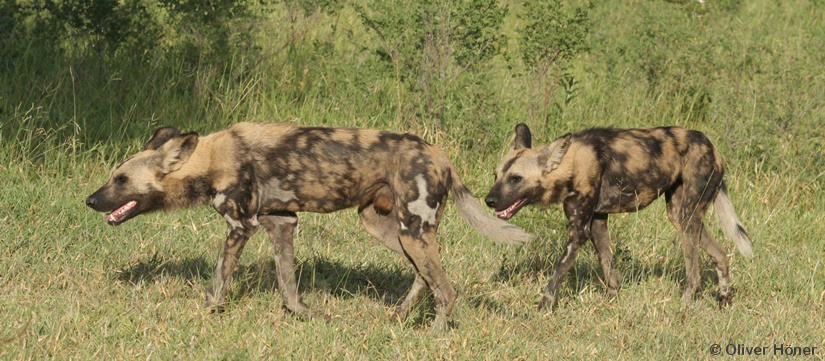
From April to June, the remarkable Migration traverses the Central Serengeti en route to the verdant fields and abundant water sources of the Northern Serengeti, subsequently returning from November to December as the groups pursue the rains to the Southern Serengeti pastures and the Ngorongoro Conservation Area. Thomson gazelles, migrating east during the verdant season, return to the current region at this time of year due to the availability of sustained water resources, thus attracting cheetahs and hyenas. An Overview of the Seronera Valley
The Seronera Valley in Serengeti National Park is sustained by multiple rivers, providing a consistent water supply for the wildlife. The valley is accessible year-round, providing excellent opportunity for wildlife observation. The peak season in this magnificent valley occurs from April to June, attracting numerous visitors. This period is optimal for wildlife observation, as the valleys teem with animals, particularly during the migration of zebras, wildebeests, and gazelles moving northward. Discover the most efficient and captivating wildlife safaris in the Seronera region. We excels in organizing safaris to the Seronera Valley in Central Tanzania.