 info@gorillatrekkinginafrica.com
 +256 787505601
Serengeti Ecosystem
The Serengeti Ecosystem: Serengeti National Park is among the few African parks with a significant concentration of wildlife globally and attracts numerous visitors year to witness one of the world’s natural wonders. This can be due to its environment, which has stayed nearly untouched for the past million years.
Serengeti National Park is renowned for about 2 million wildebeests and zebras that perpetually traverse its expansive southern grasslands in search of fresh grazing areas and water supplies. The park also has approximately 70 species of mammals. Included are: lions, leopards, cheetahs, striped hyenas, spotted hyenas, African wild dogs, rhinoceroses, elephants, hippopotamuses, elands, impalas, waterbucks, topi antelopes, hartebeests, gemsboks, Thomson’s gazelles, Masai giraffes, buffalo, warthogs, jackals, bat-eared foxes, servals, caracals, mongooses, genets, honey badgers, and numerous others.
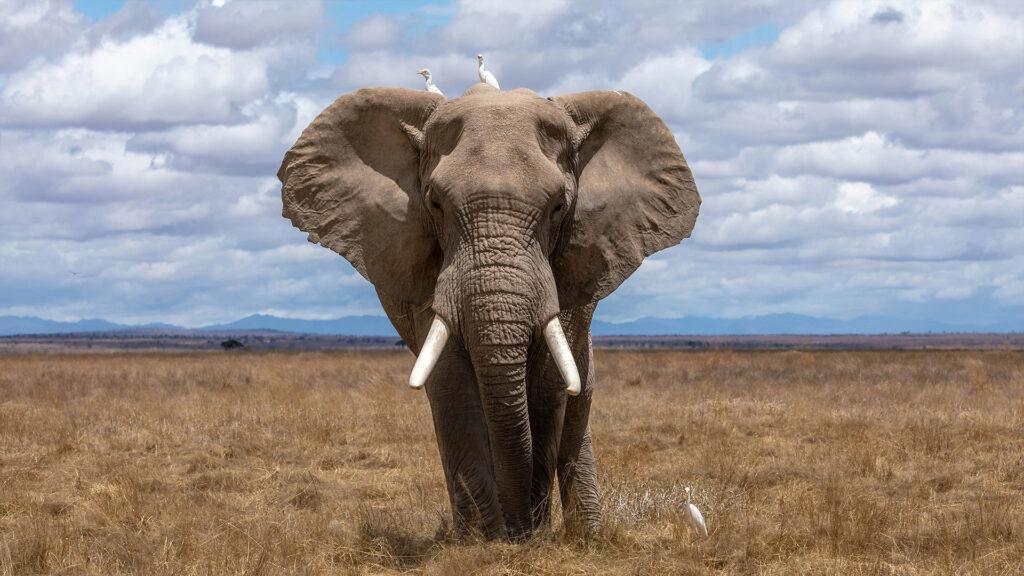
All these live amicably with approximately 500 species of birds, as well as many small invertebrates and mammals. The Serengeti National Park is the region with the largest ornithological density in Tanzania, following the Tarangire National Park.
Serengeti National Park possesses several types of vegetation that dictate the animal species inhabiting specific regions. The vast low grasslands to the south give Serengeti National Park its name, derived from the term Siringet, meaning unending plains. The soil, predominantly composed of volcanic rocks, promotes tree development. Wildebeests are frequently observed here, indulging in the nutritious vegetation. The area’s openness enhances animal sightings, particularly from December to April due to migration. To the north, the expansive grasslands gradually transition into savanna shrubs and acacia, which are more conducive to giraffe habitation.
As the light rains season commences at Serengeti National Park, the Great Wildebeest Migration proceeds southward to return to the fertile grasslands. The animals inhabit these regions until the conclusion of the intense rainy season, after which the prolonged dry season ensues, leaving the South devoid of permanent water sources. This compels wildebeests and zebras to migrate North, where they discover verdant pastures and reliable water sources that enable their survival throughout the drought season.
The journey is arduous. Annually, the animals traverse an 800-kilometer circular path fraught with concealed perils. Predators, both terrestrial and aquatic, are perpetually present. Consequently, traversing the formidable waves and sandy banks of the Mara River is one of the most significant challenges of the entire journey. However, to access the Masai Mara grasslands in Kenya, the herds must surmount this obstacle.
The Olduvai Gorge is also part of the Serengeti Ecosystem. Numerous fossils, pertaining to the early humans that occupied our planet, were discovered here. Additionally, ancient petroglyphs, dating back millions of years, were discovered, illustrating, among other themes, the Great Migration. This valley is frequently referred to as “the cradle of humankind.”
Several indigenous populations of Eastern Africa inhabit the Serengeti Ecosystem, including the renowned Masai, distinguished by their distinctive attire and vibrant jewelry, as well as the lesser-known Hadzabe and Datoga, two groups residing around Lake Eyasi whose way of life is deeply rooted in ancient customs.
Serengeti National Park
This UNESCO World Heritage Site in Northern Tanzania is a significant component of the Serengeti Ecosystem, encompassing roughly 14,750 square kilometers. It accommodates a diverse array of animals and numerous avian species. Providing exceptional and unforgettable animal observation opportunities during safari game drives in its expansive open grasslands and savannah. It also fosters the dialogue regarding the plants and fauna within the conservation area.
The Maasai Mara National Reserve
The Masai Mara Reserve is situated in Kenya, north of the Tanzanian border. The Serengeti Ecosystem passes into the Masai Mara Reserve. Consequently, it establishes a continuous ecosystem that sustains species across borders, particularly during the yearly Great species Migration.
The Serengeti’s wide expanses are distinguished by rocky outcrops known as kopjes. The broad grasslands interspersed with acacia trees offer an optimal habitat for reproduction. Along with the survival of the wildlife and avian species inhabiting the Serengeti.
The preservation of this land has safeguarded its ecosystem. The distinctive biodiversity and ecosystem enable nature to sustain its equilibrium while it perpetually transforms and develops.
Explore Serengeti National Park in Tanzania with the suggested tour operators or contact us below to arrange your safari straight on this page.