 info@gorillatrekkinginafrica.com

Saadani National Park
Saadani National Park is one of the numerous national parks in Tanzania. Saadani National Park is the sole park in East Africa that features a beachfront along the Indian Ocean, creating a unique environment where beach and bush converge. It is one of the rare locations globally where sunbathing may be interrupted by an elephant passing by or various animals approaching nearby waterholes for hydration or bathing. Visitors to Saadani National Park can appreciate the palm palms gracefully swaying in a refreshing ocean wind, while taking in the picturesque views of the white sands and azure waters glistening beneath the tropical sun’s horizon.
Saadani National Park was initially designated as a wildlife reserve in the 1960s, and in 2002, its area was expanded to encompass twice the original size of the reserve. Saadani National Park was designated as a national park in Tanzania in 2005, encompassing around 1,062 square kilometers. Saadani National Park is named after the village located within its boundaries, known as Saadani village.
Geographical Location of Saadani National Park
Saadani National Park is situated in the eastern region of Tanzania and is one of the safeguarded regions within the eastern safari circuit of the country. Saadani National Park is located on the northern coast, approximately 100 km northwest of Dar es Salaam and a similar distance southwest of Tanga Port. Saadani National Park is readily accessible from both Zanzibar and Dar es Salaam.
Attractions in Saadani National Park
Saadani National Park offers several attractions that attract visitors biennially. The primary attraction for visitors to the park is the opportunity to observe four of the African Big Five, particularly lions, buffaloes, and elephants, with herds of up to 30 elephants frequently sighted. Additionally, travelers may encounter leopards, spotted hyenas, black-backed jackals, and various primates, including vervet monkeys and black-and-white colobus monkeys, alongside other fauna such as reedbucks, zebras, hartebeests, wildebeests, and warthogs in Saadani National Park. of addition to the fauna of Saadani National area, the stunning landscapes and sightings of dolphins, humpback whales, and green turtles serve as significant attractions that draw visitors to the area. The diverse avian species and the numerous lakes and rivers in Saadani National Park render it an exceptional destination for a Tanzania safari vacation, particularly for travelers seeking experiences that combine beach, safari, and rainforest elements.
Major Attractions in Saadani National Park includes
Wildlife.
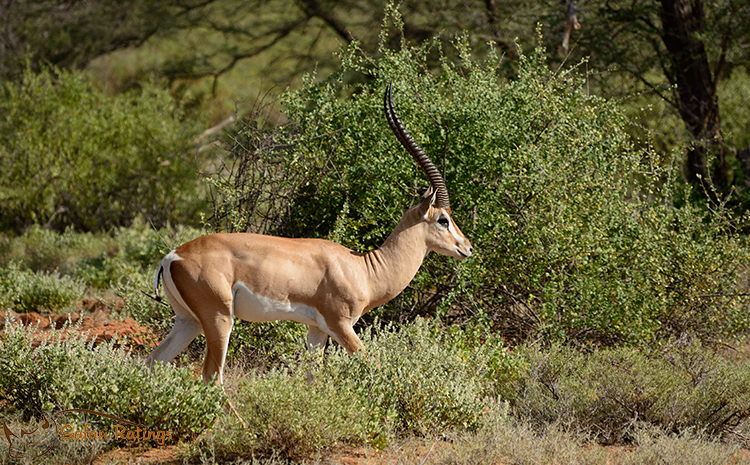
Saadani’s animal population has been rising in recent years following its designation as a national park, having previously served as a hunting block. The park is home to four of the “Big Five,” including lions, African bush elephants, cape buffaloes, and leopards, making it a premier destination for tourism in Tanzania. Other animal species in the park include Maasai giraffes, Lichtenstein’s hartebeest, waterbucks, blue wildebeests, bohor reedbucks, common and red duikers, Dik-Dik, yellow baboons, vervet monkeys, blue monkeys, colobus monkeys, mongooses, genets, porcupines, sable antelopes, warthogs, hippopotamuses, crocodiles, and Nile monitors, providing excitement during Tanzania safari tours.
Bird species.
Saadani National Park is home to more than 250 avian species. Saadani is situated along the mangrove-lined canopy of the Want River banks and adjacent grasslands. The park is home to notable avian species, including the mangrove kingfisher, lesser flamingoes, little bittern, kestrel, Goliath heron, Pel’s fishing-owl, purple heron, lanner falcon, various avid birds, African skimmers, and crowned eagles, as well as grassland species and raptors such as the bateleur and crowned eagle, among others. Migratory birds are observed from November to April.
Mafui Sandbank.
Mafui Sandbank is located within the maritime extension of the park, where vibrant coral reefs serve as crucial breeding grounds for several fish species. Tourists engage in snorkeling and diving activities to explore the diverse array of animals inhabiting the Indian Ocean. The likelihood of observing dolphins and humpback whales performing in the Indian Ocean is exceptional.
Madete Beach serves as a nesting location for the Green Turtle.
Madete Beach is a prominent breeding place for the Green Turtle, the largest of the hard-shelled sea turtles in Tanzania. The female green turtle deposits eggs on the coast and subsequently returns to the sea, with the peak season being from July to November and a moderate season from January to March. Approximately eight nests may be present during the season, with an incubation period of 45 to 60 days for the eggs buried in the sand, after which hatching occurs.
Wami River and Estuary.
The Wami River is one of the few coastal regions in Africa where substantial Tanzanian wildlife remains in an estuarine environment. Visitors can approach hippos, crocodiles, and other wildlife closely, while birdwatchers may encounter migratory species that frequent the shore, including various sandpipers, the Eurasian oystercatcher, and the common greenshank. Evergreen mangrove trees along the river serve as a habitat for several bird species, bats, monkeys, and other reptiles.

Zaraninge Forest.
Zaraninge Forest is a verdant lowland coastal forest characterized by a closed canopy, located within Saadani National Park. This forest is recognized as a habitat for several endemic, endangered, and threatened species of flora and fauna, and it predominantly sustains elephant populations throughout the dry season.
Pangani Town.
The name Pangani derives from the river that flows through the northern section of the historical town. Pangani is an ancient town, purportedly founded before to the 6th Century BC as a coastal dhow port, subsequently evolving into a station on the caravan route from Tanganyika for the exportation of slaves and ivory. Numerous historical sites in and around the town exemplify the significant Arabic impact, as well as the subsequent German and British colonial eras in Tanganyika. The town functioned as a port during the establishment of sisal plantations in the colonial period, prior to the construction of Tanga Harbour. Currently, it is primarily a fishing village with numerous coconut trees, offering pleasant beaches for a tranquil vacation. Pangani is situated in Saadani National Park, approximately 440 kilometers from the Madete entry gate, requiring an estimated one-hour trip on a rough road.
What Saadani National Park famous for ?
Saadani National Park is renowned as the sole national park in Tanzania that provides both a coastal and wildlife experience. It is located on the northern coast of Tanzania, adjacent to the historic town of Bagamoyo and the island of Zanzibar. The park encompasses 1,100 square kilometers and features a variety of ecosystems, including savannah grasslands, coastal forests, and mangrove swamps.
Saadani National Park is renowned for its substantial herds of elephants and buffalo, alongside its populations of lions, leopards, and diverse antelopes. It also hosts a diverse array of avian species, including fish eagles, kingfishers, and storks.
Animals in Saadani National Park
Saadani National Park hosts a rich array of animal species endemic to Tanzania. The park is home to various animal species, including:
Saadani is renowned for its enormous populations of elephants. Visitors frequently observe them traversing the park in bunches. The park boasts a substantial population of lions, and it is frequently possible to observe them basking in the sun or pursuing prey.
Saadani is inhabited by a substantial population of buffalos, frequently observed grazing on the expansive savannah.
Leopards – Despite their elusive nature, leopards are present throughout the park.
Giraffes – Visitors to Saadani may observe giraffes foraging in the savannah or feeding on trees.
Zebras – These striped equines are observable grazing on the park’s grasslands.
Saadani is among the rare parks in Tanzania where hippopotamuses can be observed both in aquatic and terrestrial environments.
The park hosts the greatest number of crocodiles in Tanzania, often seen sunbathing along the Wami River.
Warthogs — These amusing creatures are frequently observed foraging in the grass for sustenance.
Saadani hosts a variety of antelope species, including impalas, kudus, and waterbucks. Saadani National Park hosts a diverse array of avian species, including kingfishers, fish eagles, storks, among others.
Things to do when you go to Saadani National Park
When you go to Saadani National Park, you may go on exciting game drives, guided walking safaris, bird viewing, cultural interactions with indigenous tribes, relaxing on beautiful beaches, discovering historical monuments, and fishing trips along the Indian Ocean.
1. Game Drives
Game drives are a must-do on any Tanzania wildlife vacation, and Saadani National Park has some amazing things to do. Along the coast, the park is home to many different kinds of animals, such as elephants, giraffes, and several kinds of antelope. The best times to go on game drives are in the early morning or late afternoon, when animals are most active. Guides who know a lot about animals and their habitats conduct the drives and share what they know.
The fact that Saadani is where the savannah meets the Indian Ocean makes your trip even more beautiful. Watch out for the park’s unique animals, like the endangered red colobus monkey and the hard-to-find bush infants. Saadani has less people than other parks, so you can see wildlife up close without having to deal with crowds.
People who love photography will love being able to take beautiful pictures of animals in their natural habitat with beautiful landscapes in the background. Game drives at Saadani National Park are a must-do on your Tanzania wildlife safari holiday, whether you’ve been on a safari before or are going for the first time. You’ll have wonderful experiences with nature.
2. Watching birds
Bird viewing in Saadani National Park is a must for both serious and casual bird watchers. It’s a fun thing to do on a Tanzania wildlife safari holiday. There are more than 200 kinds of birds in the park, some of which live there all year and some of which only visit. Birdwatchers can see a wide variety of birds in different places, like wetlands, coastal areas, and savannahs. Some of these birds are colorful, like kingfishers, and some are more regal, like the fish eagle.
Birding is greatest in the early morning when the birds are most active and loud. Guided bird-watching trips let people learn about the birds’ cries, nesting habits, and mannerisms. This is especially helpful for finding hard-to-find animals, such the beautiful violet-backed starling or the white-bellied bustard.
Saadani has a lot of distinct ecosystems, which means you can witness different types of birds in their natural settings. Seeing a rare bird or a mating display is exciting, whether you’re on a viewing platform or walking along a trail. Saadani National Park is a hidden jewel for bird lovers that gives you unique chances to learn more about and appreciate bird life on your Tanzania wildlife safari tour.
3. Walking safaris
Walking safaris in Saadani National Park are a unique and immersive way to engage with nature on a deeper level during your Tanzania wildlife safari tour. With the help of trained rangers, these hikes let you see the park’s different ecosystems up close. You can learn about the plants and animals that live in the area and the small evidence of wildlife, like tracks, droppings, and feeding cues, that you might not see from a car.
This immersive experience lets you see and hear the tiny parts of the ecosystem, such the sounds of birds and rustling leaves and the bright colors of wildflowers. You can also see smaller animals, such dik-diks and several kinds of reptiles, during walking safaris that you would miss on regular game drives.
Safety is the most important thing, and guides know how to deal with animals. The pleasure of being in nature and possibly seeing animals up close makes your adventure much more exciting. Walking safaris in Saadani National Park are a great way to get up close and personal with the animals and learn about them. They are a highlight of any Tanzania wildlife safari visit.
4. Go to the Indian Ocean
Saadani National Park is a great place to go on a Tanzania wildlife safari because it is close to the Indian Ocean. Visitors may relax on the beautiful beaches after a day of seeing wildlife. They can enjoy the sun and the calming sound of the waves. The coastline terrain is a stunning contrast to the savannah, which makes for a wide range of landscapes.
The beaches surrounding Sadaani are mostly undisturbed and are great for relaxing, swimming, and having a picnic. The ocean is a great addition to your safari activities, whether you like to relax on the beach or take a refreshing dip.
Also, the waters along the coast are full of marine life, which makes snorkeling and diving possible. Explore vivid coral reefs and meet fish, marine turtles, and maybe even dolphins. Visitors can also go on fishing trips, where they can fish in both deep water and on the shore. Saadani is the perfect place for a well-rounded Tanzania wildlife safari holiday because it has both wildlife experiences in the park and the peaceful beauty of the Indian Ocean.
5. Cultural Events
Participating in cultural activities is a great way to make your Tanzania wildlife safari trip to Saadani National Park even better. Visitors can learn about the rich customs, crafts, and daily lives of the local tribes, like the Wazaramo and Wangindo. Cultural trips can help you learn more about the region’s rich history, which can make your safari more meaningful.
Visitors can see traditional music, dance, and art that show the community’s history and values. Many local artists exhibit off their work, giving people the chance to buy one-of-a-kind souvenirs and help the local economy at the same time. This encounter helps you learn more about the people that live near the park’s animals.
Also, some cultural activities can involve going to local schools or community projects, which will let you witness how tourism affects education and development in the area. Adding cultural experiences to your Tanzania wildlife safari vacation will not only help you learn more about the area, but it will also help the people you meet.
6. Fishing trips
If you want to fish, going on fishing trips near Saadani National Park is a great way to add to your Tanzania wildlife safari experience. The park is close to the Indian Ocean, which makes it a great place for both deep-sea and shore fishing. There are several kinds of fish to catch, like tuna, marlin, and snapper, so fishing fans can look forward to a fun day on the water.
Guided fishing trips bring all the gear you need and share their local knowledge, making sure you have a good day. Guides that have been fishing for a long time know the best places to catch fish and can give you ideas on how to do it, so it’s easy for both beginners and experts. This trip not only makes your safari more interesting, but it also lets you learn about the local fishing culture.
Fishing trips can also be a nice way to spend a day, with the beautiful coastal scenery all around you. Whether you’re fishing from a boat or the shore, the joy of catching a fish makes your Tanzania wildlife safari vacation much more exciting. You’ll remember both the animals and the marine life for a long time.
7. Visit historical sites
Adding visits to historical places in and around Saadani National Park makes your Tanzania wildlife safari vacation much more interesting. The park has parts of its colonial heritage, like ruins from the German colonial period in the late 1800s. Visitors can see old trading stations and buildings that depict the tale of the area’s long and interesting past.
The remains of the old Saadani town are one of the most interesting places to see. It used to be a busy commercial port on the coast. Walking through these old buildings gives you a taste of the past and the life of the people who lived and worked in this lively area.
The area is also very culturally important, and many different groups have added to its history. Talking to local guides can help you learn more about these places by giving you information about their history and how it affects living now. A Tanzania wildlife safari tour that includes both seeing animals and learning about history is a well-rounded experience that is both fun and informative.
8. Driving at Night
Night drives at Saadani National Park are a fun way to see the park’s animals and make your Tanzania wildlife safari vacation even more exciting. When the sun goes down, the night world comes to life. You’ll be able to view species that are hard to see during the day, like bush infants, porcupines, and different types of predators.
These guided night drives let you see the park in a whole new way, giving you a different view of how animals act and what they do. Guides use special trucks and spotlights to light up the night, which makes it easier for you to see animals that are hard to find.
Not only do you get to observe all kinds of animals, but you also get to hear the sounds of the African night. The sounds of owls, leaves rustling, and animals moving in the distance make the setting feel real. Night drives add excitement and mystery to your safari. They are one of the best parts of a Tanzania wildlife safari experience, as you see the park come to life after dark.
9. Exploring the Dunes
Exploring the coastal dunes of Saadani National Park is a fun and unusual thing to do that makes your Tanzania wildlife safari experience even better. The wind and waves have created these spectacular dunes, which provide for a dramatic environment that looks great next to the savannah and the shoreline. Walking over the dunes gives you amazing views of the Indian Ocean and the chance to see a wide range of plants and animals that have adapted to this special environment.
When you explore the dunes, you can see how complex the ecosystems are that live in sandy soils, such as coastal plants and animals and migrating birds. There are also many types of reptiles and insects that live in the dunes, which adds to the area’s biodiversity.
Guided hikes let you learn more about the dunes’ geological and ecological importance, which will help you comprehend this coastal area better. Dune exploring is a must-do activity on your Tanzania wildlife safari tour since it has beautiful views, interesting animals, and educational encounters. It will bring variety and excitement to your trip.
10. Rest
It’s really important to take some time to unwind after days of exploring and having experiences with animals on a Tanzania wildlife safari holiday in Saadani National Park. The park’s peacefulness and beautiful views make it the perfect place to relax.
Visitors can relax on the beautiful beaches, soak up the sun, or take a refreshing swim in the Indian Ocean. The sound of the waves and the soft air make the atmosphere calm and peaceful, which is great for relaxing. There are a lot of lodges and campers in the area that offer nice rooms with great views, so you can relax in luxury.
Some places to stay also provide spas, yoga classes, and health activities that might help you relax after your experiences. When you take time to relax, you can think about what you’ve been through, enjoy the beauty of nature around you, and get ready for more activities. Adding some time to relax to your Tanzania wildlife safari vacation will make it a more complete and satisfying experience, with both exciting and peaceful moments.