 info@gorillatrekkinginafrica.com
 +256 787505601
Predators in Ndutu Plains
Examine Predators in Ndutu Plains : The Ndutu Plains are situated between the southern sector of Serengeti National Park and the Ngorongoro Conservation Area (NCA) in Tanzania. For numerous years, Ndutu has served as a locale to investigate a diverse array of predators. The Ndutu region’s plains are renowned for hosting substantial numbers of Africa’s notable predators. The density of these predators is attributed to the presence of prey herds of wildebeest calving in the Southern Serengeti, particularly in the Ndutu region. The wildebeests produce thousands of calves, which are subsequently preyed upon by predators for sustenance.
The establishment of temporary habitats for wildebeests in the Ndutu region, alongside the presence of predators, is attributed to the abundance of nutritious grass, fresh water, and optimal conditions for nurturing their offspring. The renowned predators of Ndutu comprise lions, leopards, cheetahs, hyenas, jackals, wildcats, and crocodiles. Let us examine each of them.
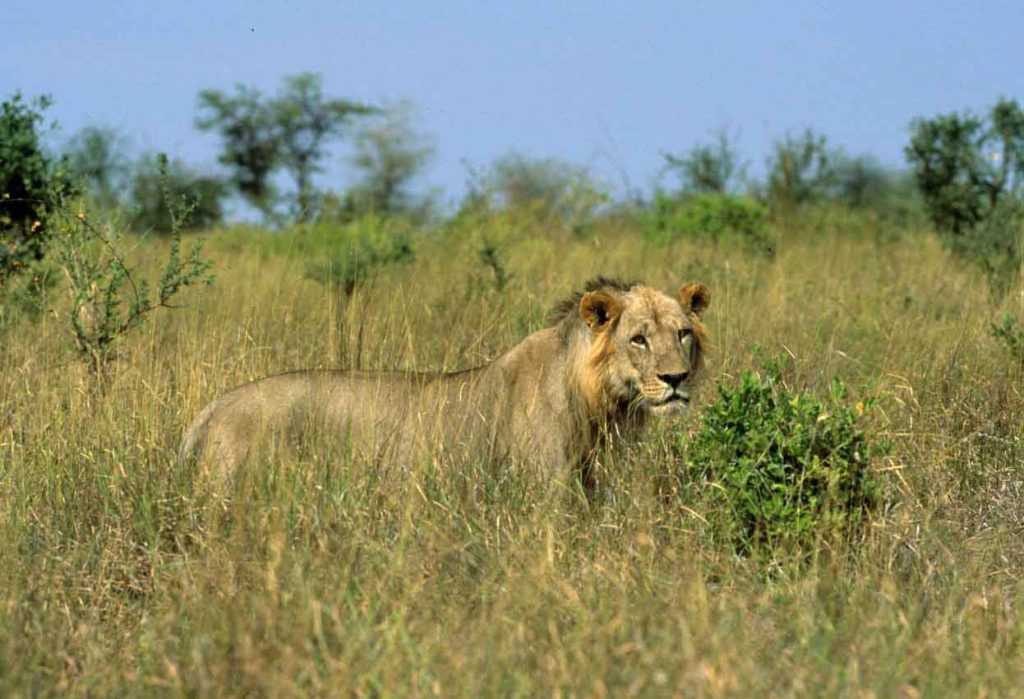
Lions
The Ndutu region is inhabited by lions of various ages. Some lions reach approximately 16 years of age, beyond the typical lifetime of 10 to 15 years. Lions are typically observed hunting in groups of approximately 40 to 45 individuals. Certain lions ascend trees to spend nearly half the day awaiting the passage of wildebeests below. The lions are the primary attraction of the Ndutu plains, where most safari excursions observe them closely and get photographs from few meters away. Ndutu is arguably the premier location in Africa for observing predatory lions. Organize a journey during the wildebeest calving season from January to early March to observe the interactions of lions with the calves.
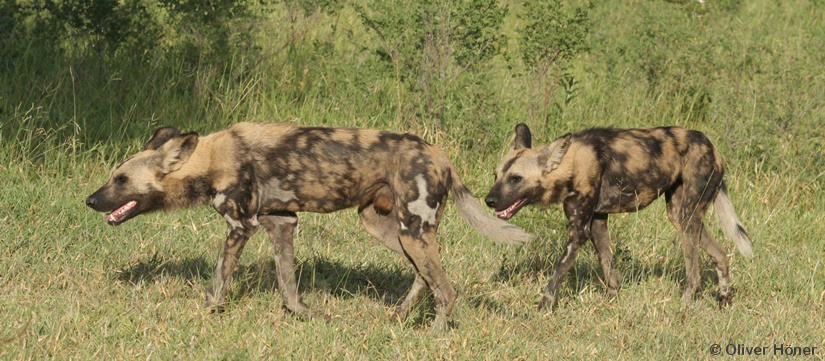
Wild dogs
Wild dogs are classified as endangered species globally. The Ndutu Plains in Serengeti National Park in Tanzania harbor a significant population of African wild dogs. Numerous wildcats are drawn to the wildebeest calving occurring at Ndutu. They predominantly allocate their time to hunting the calves of wildebeests for sustenance. They predominantly hunt during daylight hours. These animals possess distinctive hunting abilities. Each wild dog that participates in a hunt returns with food, collaborating in groups of 10 to 20. Wild dogs maintain stable habitats in the southern Serengeti Plains, where the majority of safari travelers observe them hunting uncomplicated prey such as antelope. Investigate the Renowned Predators of the Ndutu Plains.
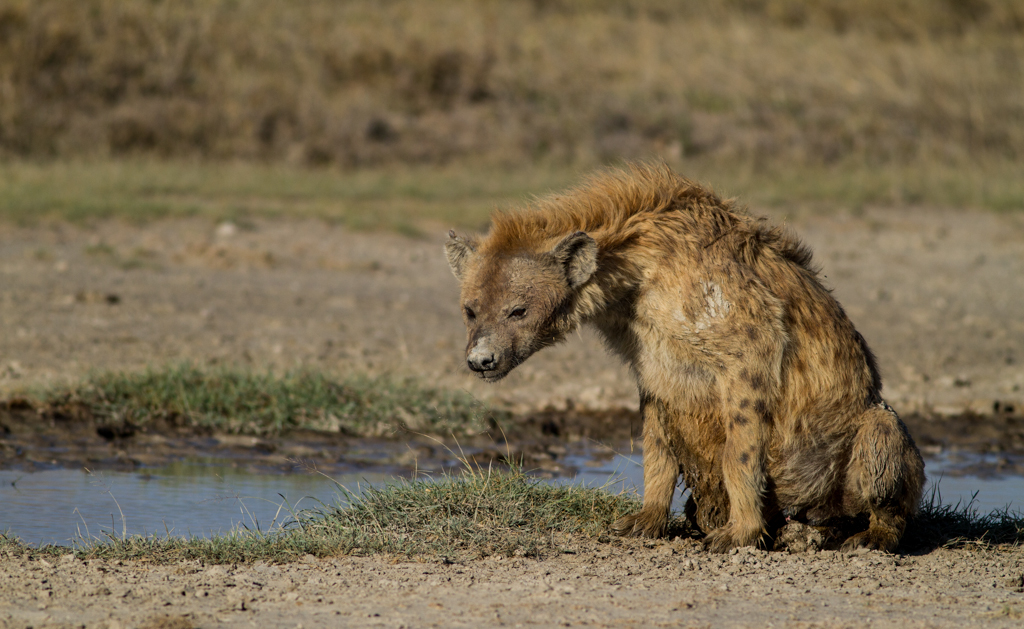
Hyena
Hyenas are readily observable predators on your safari excursion to Ndutu. They infrequently engage in daytime hunting; they are nocturnal predators. Hyenas are striking creatures. During a game drive in Ndutu, numerous safari visitors enjoy observing the tactics employed in hunting wildebeests. The hyenas will not only slaughter the wildebeests but will also consume them. You will have the opportunity to picture hyenas congregating in clans of approximately 70 to 100 members.
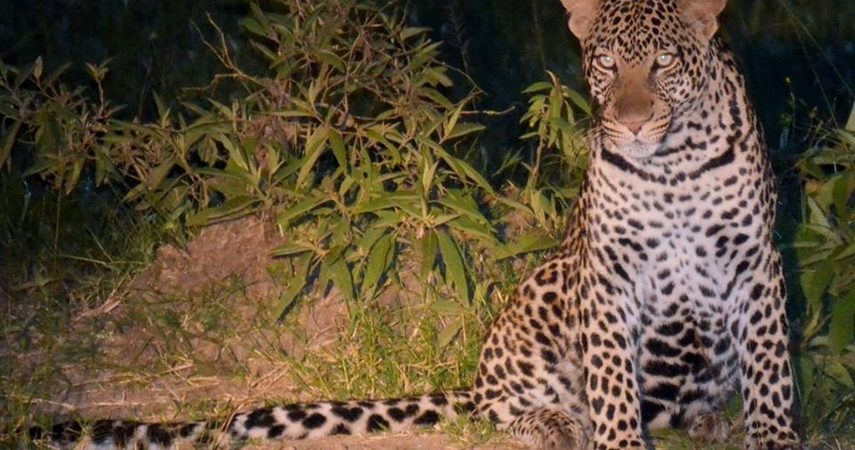
Leopards
Leopards are the most extensively spread predators in Ndutu. They are the most captivating large felines to observe during a safari. The optimal location to observe them in Africa is the southern region of Tanzania’s Serengeti National Park, specifically at the Ndutu plains.
The leopard is a remarkable creature known for its distinctive hunting technique, concealing itself among short savannah grasses and leaping to capture its target. They may exhibit an impressive display of rapid running to pursue prey. The Ndutu plains offer an exquisite opportunity to observe leopards from a comfortable distance, perched on acacia trees or resting in caves. Investigate the Renowned Predators of the Ndutu Plains.
The optimal period to visit Ndutu Plain is from December to early April. During this moment, you will witness numerous predatory acts targeting the millions of wildebeests migrating to northern Serengeti. A hot air balloon safari in Ndutu is captivating since it offers a panoramic view of predators over the plains.