 info@gorillatrekkinginafrica.com
 +256 787505601
Northern Serengeti
Northern Serengeti, the Serengeti is a popular safari destination, celebrated for its expansive grasslands, rich fauna, and remarkable migrations. However, are you aware that the Serengeti possesses complexities beyond initial appearances? This essay will examine the northern Serengeti, a lesser-known yet remarkable area that provides an alternative viewpoint on this extraordinary ecosystem.
The northern Serengeti is situated in northern Tanzania, adjacent to Kenya and the Masai Mara National Reserve. It encompasses approximately 4,000 square kilometers (1,500 square miles), constituting almost one-quarter of the total area of Serengeti National Park. The northern Serengeti constitutes a segment of the extensive Serengeti-Mara ecosystem, which covers more than 25,000 square kilometers (9,700 square miles) and includes many protected regions and communal territories.

The northern Serengeti features undulating green hills, acacia woods, rocky formations, and the formidable Mara River, which traverses the area and delineates a natural border with Kenya. The terrain is more diverse and mountainous compared to the southern Serengeti plains, characterized by expansive flat meadows. The northern Serengeti exhibits a reduced human population density and lower tourism pressure compared to the southern and central regions of the park, rendering it a more isolated and tranquil safari destination.
Landscapes and Natural Features
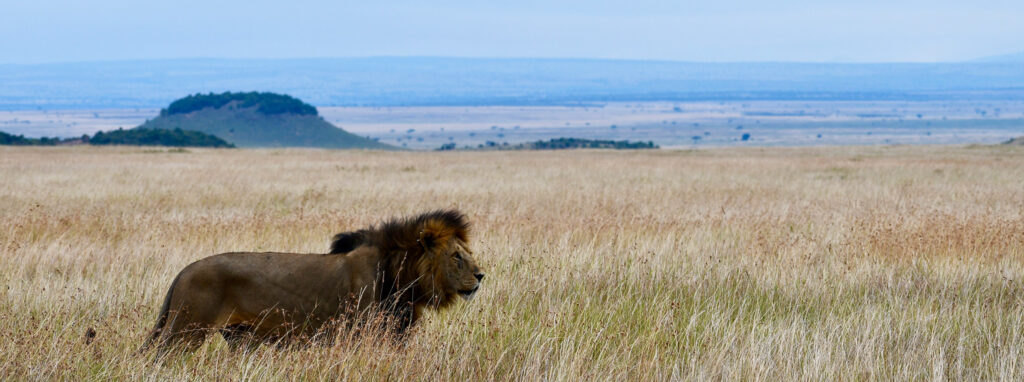
The northern Serengeti is distinguished by varied landscapes and natural attributes that provide a picturesque setting for wildlife observation. The region extends from the Lobo Hills to Seronera and is characterized by verdant, undulating hills that contrast with the considerably flatter southern lowlands. The Lobo Hills consist of granite outcrops that elevate above the adjacent savanna, offering refuge and shade for several species. The highlands are renowned for accommodating numerous substantial lion prides that frequently repose atop the cliffs.
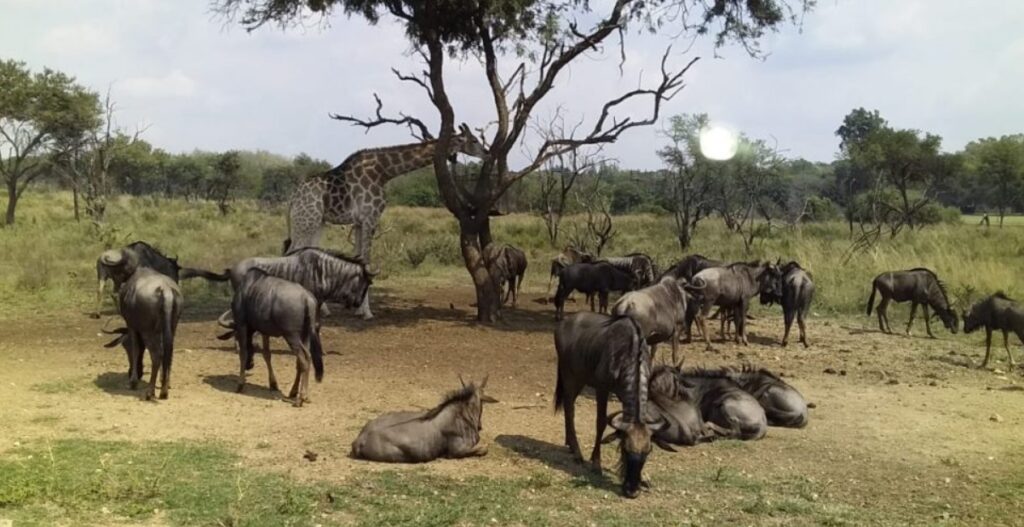
The northern Serengeti encompasses extensive expanses of open grasslands that are optimal for grazing fauna, including wildebeest, zebra, gazelle, eland, topi, hartebeest, impala, buffalo, giraffe, elephant, rhinoceros, and warthog. The grasslands are dotted with areas of acacia forests that provide shelter and sustenance for browsers like giraffe, elephant, dik-dik, kudu, bushbuck, duiker, and monkey. The forests host several avian species, including hornbills, rollers, woodpeckers, shrikes, and weavers.
The Mara River, which delineates the boundary between Tanzania and Kenya, is a notable characteristic of the northern Serengeti. The river serves as a crucial water source for wildlife during the dry season and presents a significant barrier to migrating herds. The river serves as a habitat for numerous aquatic species, including crocodiles, hippopotamuses, fish, and turtles. The river is encircled by verdant riparian flora that draws numerous insects, avians, and animals.
Fauna and Flora
The northern Serengeti hosts a wide and abundant array of wildlife, with some of Africa’s most iconic and charismatic animals. The region possesses one of the greatest lion populations in Africa, over 3,000 lions inhabiting the area. Additional predators encompass leopards, cheetahs, hyenas, jackals, servals, and bat-eared foxes. The northern Serengeti is home to substantial populations of elephants, giraffes, buffaloes, zebras, wildebeests, gazelles, elands, topis, impalas, hartebeests, waterbucks, dik-diks, and several other herbivores. The Mara River is an essential water source and habitat for these species, particularly in the dry season.
The northern Serengeti is a haven for ornithologists, boasting over 500 known avian species. Prominent avian species encompass ostriches, secretary birds, kori bustards, crowned cranes, marabou storks, vultures, eagles, owls, bee-eaters, kingfishers, rollers, hornbills, weavers, sunbirds, among others. The region also has a diverse array of reptiles, amphibians, insects, and flora that enhance the richness and aesthetic appeal of the ecosystem.
The Great Migration
The Great Migration is one of the most remarkable natural events globally. The phenomenon entails the migration of more than 1.5 million wildebeest, 250,000 zebras, and numerous other herbivores around the Serengeti ecosystem in a cyclical trajectory that aligns with the seasonal distribution of food and water resources. Migration is not a singular occurrence; rather, it is an ongoing process that fluctuates in timing and pathways based on environmental conditions such as precipitation, plant growth, and predation pressure.
The northern Serengeti is essential to the migration cycle, functioning as a corridor between the southern short-grass plains and the northern dry season regions. The optimal period to observe the migration in the northern Serengeti is from July to October, when the herds congregate along the Mara River’s banks, anticipating the appropriate timing to cross. The river crossing represents one of the most intense and exhilarating moments of the migration, as hundreds of animals confront the crocodile-infested waters and surge across the river. The river crossing also lures several predators, including lions, leopards, cheetahs, hyenas, and crocodiles, who exploit the tumult and disarray to pursue their prey.
The migration profoundly affects the northern Serengeti ecosystem by altering the distribution and abundance of herbivores and carnivores, as well as influencing nutrient cycling and vegetation dynamics. The migration serves as a significant source of revenue for local towns and tourism operators that gain from the surge of visitors attracted by this natural phenomenon.
Wildlife in Northern Serengeti
A multitude of species inhabit this region owing to the variety of ecosystems. The Maara River attracts crocodiles and large pods of hippos. Buffalo, giraffes, and elephants are likely to inhabit this area year-round. Other herbivores, like as topis, impalas, and hartebeests, can also be observed moving about.
A prevalent reason to visit this region of the Serengeti is to observe oribis, a rare species of antelope. Nonetheless, numerous predators inhabit the northern Serengeti. This region hosts lions, cheetahs, leopards, hyenas, servals, and bat-eared foxes. The wildebeest migration occurs in the region from July to August, should you travel during that period. Zebras and gazelles coexist with wildebeests; hence, the region’s wildlife population significantly increases during those months. However, the slopes and trees of the Northern Serengeti may obstruct your visibility of the wildlife.
Vegetation in Northern Serengeti
The North Serengeti is drier and exhibits a markedly unique appearance due to receiving less rainfall than the Central Serengeti. This results in a limited variety of vegetation in the North, characterized primarily by rocky outcroppings, acacia trees, and short grasses. Compared to the Central Serengeti, the North Serengeti sustains a diminished diversity of species due to its less diversified vegetation.
Bird Watching in Northern Serengeti
In the far northeast part of the Lamai Wedge Triangle in the Northern Serengeti, one may observe numerous prominent bird species. Rollers, lovebirds, and red-headed weavers are frequently observed.
The region’s perilous river crossings and the proliferation of deceased carcasses along the riverbanks attract vultures to the north. This location offers a diverse array of vultures gliding above. Aerial pheasants, turacos, helmet shrikes, and kingfishers are observable in the trees adjacent to the river.
Activities in Northern Serengeti
Mara River Crossing
The most popular activity in the Northern Serengeti is observing the Mara River crossing. Zebras and wildebeests migrate north between July and September in preparation for their river crossing. The activity generally reaches its zenith in mid-July and August. Despite the river’s abundance of crocodiles, the animals recognize the necessity of crossing it to access the more verdant regions. The atmosphere is palpable with worry and tension as they prepare to traverse the perilous waters as you remain in your vehicle near the crossing point. The chaos resulting from the animals contending with the formidable currents and crocodiles creates a distinctive ecological phenomenon. It indeed offers a uniquely exceptional experience.
Hot Air Balloon Expedition
The Hot Air Balloon Ride is a popular activity in North Serengeti. A hot air balloon ride provides the opportunity to observe the breathtaking slopes, hills, and winding rivers from an aerial perspective, as this region’s morphology is distinct from the remainder of the Serengeti. Observing wildlife from an aerial perspective is one of the additional pleasures of a hot-air balloon safari. A diverse array of species, including as zebras, giraffes, elephants, and lions, can be observed engaging in their everyday activities. The aerial perspective from the balloon allows for optimal observation of the wildebeest migration, as herds can be seen from afar.
The Hot Air Balloon Safari will commence at roughly 6 a.m., with pick-up from your accommodation occurring between 4:00 and 5:30 a.m., contingent upon your distance from the launch site.
Walking safari
A walking safari offers an immersive and exhilarating opportunity to experience the unique landscapes and wildlife of the North Serengeti. Seasoned guides will facilitate an intimate exploration of the natural environment, providing insights into the behavior, ecology, and habits of the indigenous flora and fauna.
The Walking Safari occurs in the Kogatende region in the northern vicinity of the Mara River. Selecting this option will result in reservations for a safari with TANAPA, which will provide you with a knowledgeable park ranger. The safari is set to commence at 6:30 a.m. and endure for a minimum of four hours. Any duration beyond one hour will be perceived as an extended stroll, but a four-hour walk would be regarded as a brief walk.
Ensure you don clothes that fully protect your legs and comfortable footwear suitable for extended walking on the safari. Furthermore, it is advisable to refrain from donning black, blue, or other dark hues in your attire, since they tend to attract flies, which can be quite irritating.
Safari Experiences in Northern Serengeti
The northern Serengeti provides extraordinary safari opportunities for those seeking to discover this magnificent area. The primary activity is game driving, enabling guests to watch animals from either open or enclosed cars, led by expert drivers and guides. Game drives may occur at various times of day, including early morning, late afternoon, or nighttime, to see diverse creatures and activities. Game drives may be integrated with additional activities, like guided walks and hot air balloon safaris.
Guided walks provide an excellent opportunity to explore the northern Serengeti on foot and engage more intimately with nature. Guided walks are conducted by armed rangers and guides who impart their expertise in tracking, identifying, and interpreting wildlife indications. Guided walks are permitted in specific zones of the national park or in the neighboring Loliondo Game Controlled Area, a multi-use region inhabited by the Maasai people who coexist with wildlife while grazing their cattle.
Hot air balloon safaris offer a distinctive and thrilling perspective of the northern Serengeti from an aerial vantage point. Hot air balloon safaris in the Northern Serengeti are offered from July to November, coinciding with the migration traversing this area. The action typically occurs at sunrise, when the weather is tranquil and the light is gentle. The balloons ascend from specified launch locations and traverse the savanna for around one hour, providing expansive vistas of the terrain and fauna. The balloons may ascend to altitudes of up to 1,000 feet, but can also descend to treetop level for a more intimate observation of the animals. The balloon expedition concludes with a champagne breakfast in the wilderness.
How to get to Northern Serengeti
The Northern Serengeti may be accessed by road from Arusha in around 11 hours. The journey cannot be completed in one day due to the distance and driving conditions. One alternative is to traverse through Ngorongoro and Central Serengeti, pausing for game drives and leisure on the first day in Central Serengeti before proceeding to North Serengeti the subsequent day, with game drives along the way.
An alternative option is to visit Lake Natron on the first day for an evening flamingo walking tour, followed by a drive to the North Serengeti the subsequent day. We recommend that if you opt to drive, you create a circuit for your journey by traveling one route through Lake Natron and the alternate route through Central Serengeti and Ngorongoro, instead of retracing your steps through Central Serengeti.
A popular mode of transportation to the North Serengeti is by flight. Numerous daily flights operate in both directions, linking Arusha, Kilimanjaro, Zanzibar, and the North Serengeti during the migration season.