 info@gorillatrekkinginafrica.com

Morogoro Region
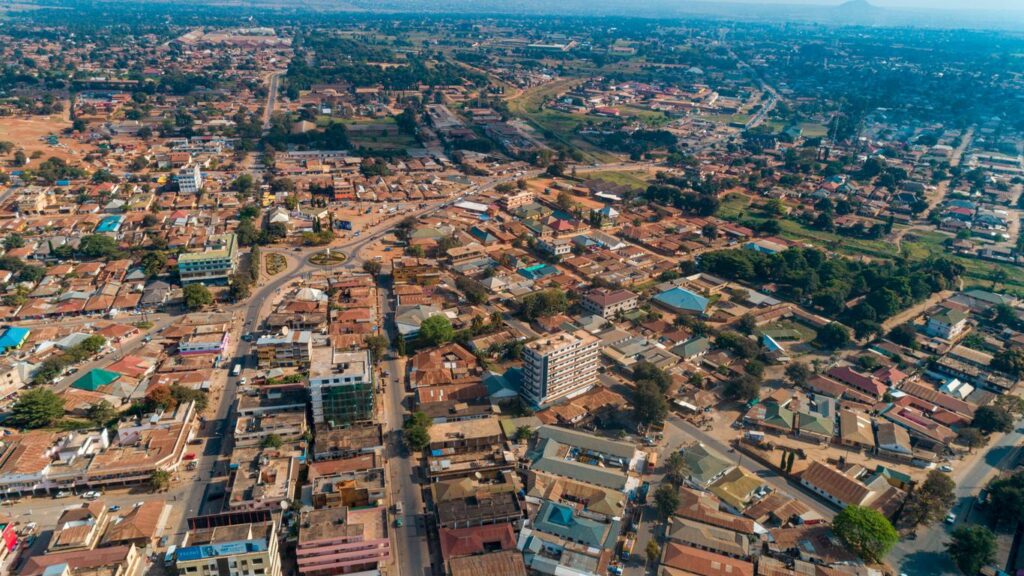
Morogoro Region sits at the foot of the Uluguru Mountains, roughly three to four hours west of Dar es Salaam along the A7 highway. For generations it has been little more than a waypoint between the coast and the rest of Tanzania, yet the region holds some of the country’s most rewarding and least crowded wild spaces. Mist-wrapped peaks rise directly behind the regional capital, the Mkata Floodplain spreads out toward the horizon in Mikumi National Park, and the rainforested slopes of the Udzungwa Mountains hide waterfalls, endemic primates, and trails found nowhere else in East Africa.
Morogoro town itself is a working agricultural and university hub rather than a polished tourist centre, which is exactly its appeal. Travellers arrive expecting a transit stop and leave having found a relaxed base for hiking, wildlife viewing, and genuine encounters with rural Tanzanian life, all at a fraction of the cost and crowding found further north in the Serengeti and Ngorongoro circuit.
| Quick Snapshot
Capital: Morogoro Town • Distance from Dar es Salaam: approx. 195 km (3–4 hours by road) • Key draws: Mikumi National Park, Udzungwa Mountains National Park, Uluguru Mountains • Best season: June to October (dry season) |
Getting There
Morogoro is one of the most accessible regions in Tanzania, connected to Dar es Salaam by a well-maintained tarmac highway and by the modern SGR (Standard Gauge Railway) passenger line, which has cut travel time between the two cities significantly. Most independent travellers either self-drive, take a long-distance bus, or book the train, while those heading straight on to Mikumi or Udzungwa often arrange a private transfer that continues past Morogoro town.
| Route | Distance | Typical Travel Time | Best Option |
| Dar es Salaam → Morogoro | 195 km | 3–4 hours | SGR train or self-drive via the A7 |
| Morogoro → Mikumi National Park | 110 km | 1.5–2 hours | Self-drive or private transfer |
| Morogoro → Udzungwa Mountains NP | 65 km (to Mang’ula gate) | 1–1.5 hours | 4×4 or tour vehicle |
| Dar es Salaam → Mikumi (direct) | 320 km | 5–6 hours | Self-drive via Morogoro |
Top Attractions
Mikumi National Park
Mikumi is the region’s flagship safari destination and one of Tanzania’s most accessible parks, lying just off the main highway between Morogoro and Iringa. Its centerpiece, the Mkata Floodplain, is often nicknamed a ‘mini-Serengeti’ for its wide open grasslands and reliable concentrations of wildlife. Visitors regularly encounter elephants, giraffes, zebras, buffalo, wildebeest, and lions, with leopard and the occasional wild dog rewarding patient game drivers. The park forms part of the wider Selous–Nyerere ecosystem, so animals move freely between the two protected areas, keeping the gene pool and population numbers healthy.
- Size: roughly 3,230 square kilometres of savannah, woodland, and floodplain
- Wildlife: Big Four regularly seen (lion, elephant, buffalo, leopard); over 400 recorded bird species
- Signature feature: the Mkata Floodplain, prime for early-morning and late-afternoon game drives
- Access: bisected by the Dar es Salaam–Mbeya highway, making it easy to combine with a road trip
Udzungwa Mountains National Park
Part of the ancient Eastern Arc chain, the Udzungwa Mountains are Tanzania’s premier hiking and rainforest destination rather than a drive-through safari park — there are no roads through the interior, only footpaths. The park protects an exceptional concentration of endemic species, including the Iringa (Udzungwa) red colobus monkey and the Sanje mangabey, both found nowhere else on Earth. The signature day hike climbs through dense forest to Sanje Falls, one of the tallest waterfalls in East Africa, while longer multi-day treks push deeper into the range for serious birders and botanists.
- Best for: forest hiking, waterfall treks, primate and bird watching
- Signature hike: Sanje Falls trail, roughly 4–6 hours round trip
- Endemic wildlife: Iringa red colobus, Sanje mangabey, Udzungwa forest partridge
- Entry point: Mang’ula gate, about 65 km southwest of Morogoro town
Uluguru Mountains
Rising directly behind Morogoro town, the Uluguru Mountains offer some of the most rewarding low-cost hiking in the country. Trails range from gentle half-day walks through terraced farmland and Matombo villages to demanding full-day climbs that reward hikers with sweeping views across the Mkata plains. Because the range sits within a short drive — or even a walk — of town, it is the easiest way for visitors to combine wildlife-watching elsewhere with genuine cultural contact, as most trails pass through working farms and small communities.
- Access: trailheads near Morogoro town and the village of Matombo, about an hour away
- Difficulty: ranges from easy half-day walks to challenging full-day summit hikes
- Highlights: terraced agriculture, waterfalls, panoramic views over the Mkata floodplain
- Good to know: local guides are inexpensive and strongly recommended for trail-finding
Morogoro Town and Local Culture
Morogoro town blends a colonial-era core with the everyday energy of a regional market hub. The Saba Saba Market is the best place to feel the pulse of the town, while wide tree-lined streets and the presence of Sokoine University of Agriculture give it a settled, unhurried character that contrasts with busier tourist towns like Arusha or Moshi. Nightlife is minimal and there are few formal museums, but the town’s affordability, safety, and genuine local atmosphere make it an easy place to base a multi-day regional itinerary.
Mikumi vs. Udzungwa at a Glance
Many itineraries combine both parks over two to three days. The table below summarises how they differ so you can plan accordingly.
| Feature | Mikumi National Park | Udzungwa Mountains NP |
| Landscape | Open savannah and floodplain | Dense montane rainforest |
| Main activity | Game drives (4×4) | Guided hiking on foot |
| Signature sighting | Lions on the Mkata Floodplain | Endemic red colobus monkeys |
| Typical visit length | 1–2 days | 1–2 days |
| Roads inside park | Yes, extensive game-drive network | None — footpaths only |
| Entry fee (approx.) | USD 30 per adult, per day | USD 30 per adult, per day |
Best Time to Visit
The dry season, from June through October, is the most popular and reliable time to visit Morogoro Region. Vegetation thins out across Mikumi’s floodplain, concentrating wildlife around remaining water sources and making sightings easier, while trails in the Uluguru and Udzungwa Mountains are firmer underfoot and less slippery. The short dry spell around January can also offer good value and quieter parks, though weather in the south remains less predictable than in the north of the country.
| Season | Months | Conditions |
| Long dry season | June – October | Best wildlife visibility, firm trails, peak visitor season |
| Short dry spell | December – February | Good value, fewer visitors, weather can still be variable |
| Long rains | March – May | Lush scenery but muddy trails and reduced road access |
| Short rains | November | Scattered showers; wildlife disperses across a wider area |
Where to Stay
Accommodation in Morogoro Region spans simple town guesthouses, mid-range lodges on the edge of Mikumi, and a handful of upscale tented camps positioned for sweeping views over the floodplain. Most safari-style camps sit just outside the Mikumi park boundary or in the hills overlooking it, while budget travellers typically base themselves in Morogoro town itself for easy access to the Uluguru trailheads.
- Morogoro town: budget-to-mid-range guesthouses and hotels, ideal as a base for Uluguru hikes
- Mikumi National Park area: tented camps and lodges overlooking the Mkata Floodplain
- Udzungwa Mountains area: simple forest camps near the Mang’ula gate for early trail starts
Practical Travel Tips
- Pack lightweight clothing for daytime heat, a warm layer for mountain evenings, and sturdy hiking shoes
- Carry insect repellent and sun protection; the region sits in a malaria zone, so prophylaxis is recommended
- Hire a local guide for Uluguru and Udzungwa hikes — trails are easy to underestimate and guides know safe routes
- Self-drivers should fuel up in Morogoro town before continuing toward Mikumi, as stations thin out beyond it
- Standard travel precautions apply in town: avoid walking alone after dark and keep valuables secure
| Traveller’s Tip
Combine the region in a loop: spend a day acclimatising and hiking in the Uluguru Mountains around Morogoro town, then continue to Mikumi for a game drive and on to Udzungwa for a waterfall trek — a satisfying three-to-four-day circuit without the crowds of the northern parks. |