 info@gorillatrekkinginafrica.com

Mombasa Carnival
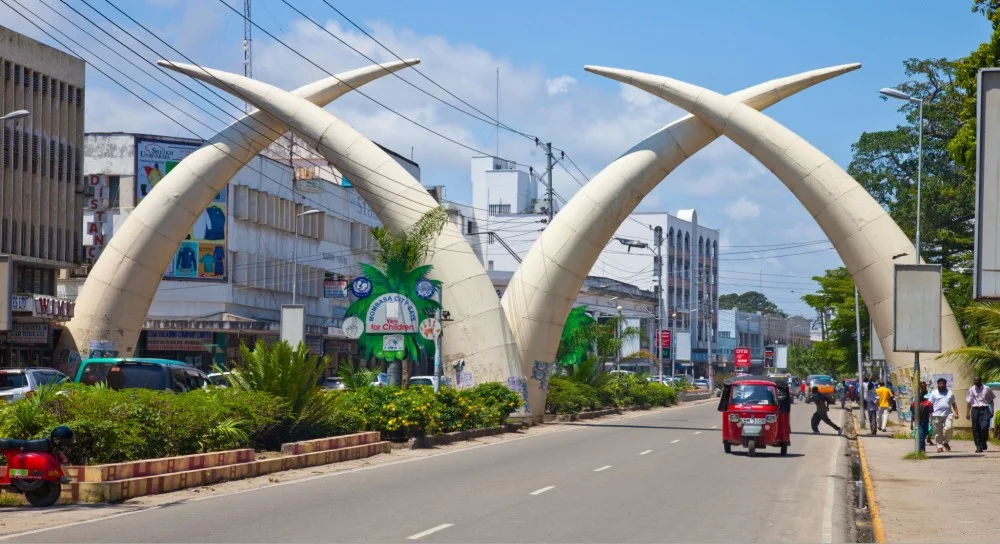
The Mombasa Carnival is a yearly cultural celebration conducted in Mombasa, Kenya. It is a lively commemoration of the city’s multifaceted cultural past, drawing both residents and visitors globally. The carnival includes vibrant parades, traditional music and dance performances, art displays, food booths, and diverse activities that highlight the rich cultural heritage of Kenya’s coastal region.
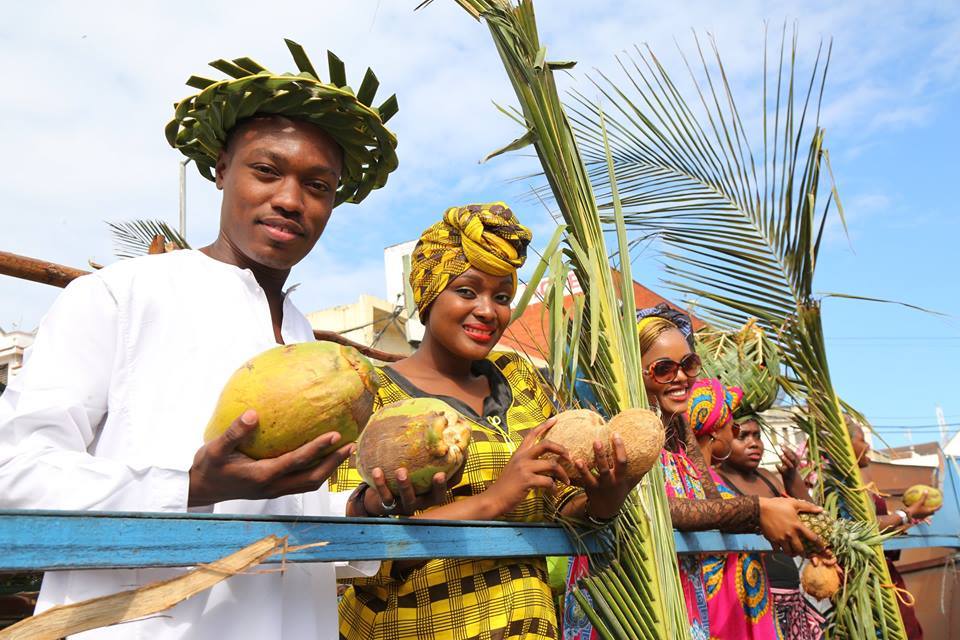
During the Mombasa Carnival, the streets are animated by vibrant processions and floats embellished with intricate decorations. Participants don vivid costumes that symbolize several ethnic groups, including Swahili, Arab, Indian, and European influences, embodying the city’s historical and international essence. The parades feature traditional music, such as Taarab and Chakacha, fostering a celebratory ambiance.
In addition to the parades, the carnival provides a venue for local artists to exhibit and sell their wares. Visitors may peruse art exhibitions, artisan markets, and street sellers presenting a diverse array of distinctive handmade things, including jewelry, wood carvings, fabrics, and paintings.
Food offerings constitute another highlight of the Mombasa Carnival. Participants may taste an assortment of regional specialties, featuring Swahili cuisine such as biryani, pilau, samosas, and grilled seafood. The festival includes culinary competitions and demonstrations, showcasing and honoring traditional dishes.
The Mombasa Carnival is both a celebratory occasion and a significant cultural event that fosters unity, variety, and cultural preservation. It unites individuals from all backgrounds and offers a venue for exhibiting and valuing the intricate cultural mosaic of Mombasa and its adjacent areas.
It is important to acknowledge that the particulars and dates of the Mombasa Carnival may fluctuate annually; therefore, it is prudent to consult local authorities or Kenyan tourism groups for the most current information if you intend to participate.
Requirements to film the Mombasa Carnival
A filming permit from the Kenya Film Commission is required to film the Mombasa Carnival. To acquire a Filming Permit, one must submit a letter of request along with a completed application form, which should include a copy of the screenplay, a story summary, and a shooting schedule. These must be submitted to the Film Licensing Officer at the Kenya Film Commission. Filming permits for feature films, documentaries, short films, music videos, corporate videos, and commercials are granted within minutes of application. Applications for television series and full-length feature films are processed within 48 hours of submission.
Expenses and charges associated with the filming in Mombasa Carnival
The subsequent fees are imposed for any filming at the Mombasa Carnival:
- Ksh. 8,000 ($80) for five individuals for one week or any portion thereof.
- Ksh. 12,000 ($115) for six (6) to ten (10) individuals for one (1) week or any portion thereof.
- Ksh. 20,000 ($200) for over ten (10) individuals for one (1) week or any portion thereof.
- Filming Fees in Kenya
Filming rates
Advertisements, documentaries, dramas, short films; still images KSH 5,000 (equivalent to $50)
Feature-length movie, television series KSH 15,000 (equivalent to $150)
Daily filming remuneration is KSHS 1,000 ($10).
Service charges of the Liaison Officer
The Ministry imposes a fee of Ksh. 400 ($5) every day for the services of a government Liaison Officer assigned to the crew.
Additional fees
Every guest must remit Ksh. 2,000 ($20) to the Immigration Department for a specific pass prior to participating in any film filming. The team may arrive in Kenya on a visitor’s pass while the filming special pass is being processed. We advise you to travel just once all filming documentation has been finalized to prevent any complications.
A non-refundable fee of 1% of the equipment’s worth or Ksh 30,000 ($300), whichever is lesser, is required by the Customs Department upon presentation of a film license for all filming equipment.
Additionally, you must address press credentials, lodging, transportation, and other necessities for a successful shot of the Mombasa Carnival as outlined below;
Media Accreditation
All film crew members are legally required to be accredited by the Kenya Film Commission to obtain permission to film the Mombasa Carnival. Local filming agents and private production businesses or individuals are required to submit their applications via a local agent registered with the ministry. This condition is obligatory for all applications to produce feature films or documentaries. Every crew member must complete a Kenya Film License Form (which we often provide) with all pertinent facts, scan it, and return it to us along with a copy of their passport and one photograph for inclusion on their filming license. Additionally, we require a letter from the filming business that specifies their identity, the purpose of the filming, the filming location, and the details of the crew members involved in this shoot. This letter will be appended to all provided details and sent to the Kenya Film Commission for film licensing processing. The preparation of these film permits requires 2-3 business days.
Visa Guidance
It is necessary to acquire the tourist visa. Numerous film crews choose acquiring their visas prior to their arrival in Kenya; however, visas can be readily obtained upon arrival at any entry point, including Nairobi International Airport. By paying USD 51.00 for a Tourist Visa, one can receive it immediately.
Car Rental Services
Eco Film Fixers will assist in arranging transportation for film crews to the Mombasa Carnival, tailored to their preferences, budget, and the condition of the roads in the chosen filming spots within the park. We propose Customized 4×4 Land Cruisers, priced from USD 200-250 per vehicle per day with a driver/fixer, or 4×4 Safari Vans, available from USD 200 per van per day with a driver/fixer. To estimate gasoline costs, we must examine your filming schedule to determine mileage and distance to be covered. We also facilitate both charter and scheduled air transport for individuals requiring flights to save travel time.
Local facilitators in Kenya to assist with filming the Mombasa Carnival
All our vehicles are accompanied by drivers who serve as area experts; most have traversed nearly all regions of Kenya, making them well-acquainted with local conditions and capable of offering pertinent information and resolving any on-site issues. They serve as intermediates between you and our office during the filming of the Mombasa Carnival on location.
Accommodation options during the Mombasa Carnival filming
Accommodation options for the Mombasa Carnival filming encompass budget, mid-range, and luxury lodgings. Your accommodation selection will rely on your preferences and financial constraints. Reach out to us here for reservation information.
Events during Mombasa Carnival
The Mombasa Carnival presents an extensive array of activities that highlight the region’s unique cultural history. Although particular activities may differ annually, the following are typical events you may anticipate at the carnival:
Parades
Vibrant parades constitute a significant feature of the Mombasa Carnival. Participants adorned in colorful costumes symbolizing many cultural groups parade through the streets, accompanied by traditional music and dance performances. Floats adorned with elaborate designs and motifs enhance the celebratory ambiance.
The parades constitute a primary feature of the Mombasa Carnival, uniting participants from diverse cultural groups who exhibit their bright costumes, music, and dance. Vibrant processions traverse the streets of Mombasa, captivating the interest of both residents and visitors. Participants, attired in traditional garments, parade in groupings, frequently symbolizing distinct ethnic communities or organizations.
Intricately adorned floats are a prevalent feature of the parades. These floats are embellished with vibrant designs, cultural emblems, and creative representations that embody the legacy and customs of Mombasa and its varied populace. Participants don traditional attire that reflects several cultural influences in Mombasa, including Swahili, Arab, Indian, and European forms. The outfits are frequently vivid, showcasing bright hues, elaborate patterns, and adornments that embody the traditional aesthetics of the individual groups.
The parades feature vibrant music and dancing displays. Participants utilize traditional musical instruments such as drums, tambourines, and flutes to produce rhythmic tunes. Dancers exhibit traditional dance styles, integrating distinctive movements and choreography linked to their cultural history. Every cultural group featured in the parades exhibits its distinct traditions, rituals, and practices. This enables guests to observe and value the diversity of Mombasa’s cultural tapestry, cultivating a sense of solidarity and pride among participants and onlookers.
The parades promote community engagement, as individuals and groups from all backgrounds together to commemorate their unique identities. Educational institutions, cultural organizations, community entities, and local enterprises frequently engage, showcasing their dedication to safeguarding and advancing the local culture.
Concurrent with the procession, street entertainers captivate the audience with their abilities and artistry. The performers may comprise acrobats, fire dancers, stilt walkers, and other entertainment who enhance the parade experience with excitement and spectacle.
The parades of the Mombasa Carnival generate a celebratory and dynamic ambiance, enabling visitors to engage with the region’s cultural heritage. The amalgamation of vibrant costumes, spirited music, and dynamic performances renders the parades an enthralling event for everyone.
Music and Dance Performances
Traditional music and dance performances constitute an essential component of the carnival. Live performances showcasing diverse styles such as Taarab, Chakacha, Giriama, and others are available for your enjoyment. These performances offer a chance to engage with the vibrant musical heritage of Kenya’s coastal region.
Music and dance acts are essential components of the Mombasa Carnival, highlighting the varied cultural traditions of Kenya’s coastal region. Below are some of musical and dancing performances anticipated at the carnival:
Taarab: is a prevalent musical genre in the coastal regions of East Africa, particularly in Mombasa. It amalgamates influences from Arabic, Indian, and Swahili traditions. Taarab concerts generally consist of a principal vocalist supported by a live ensemble utilizing instruments including the oud, violin, qanun, and percussion. The music is harmonious and frequently paired with traditional dances.
Chakacha: is an energetic dance and musical genre that originates from the Swahili settlements around the Kenyan coastline. It is distinguished by vigorous motions and repetitive hip oscillation. Chakacha music is typically executed with an assortment of traditional instruments like as drums, shakers, and rattles, producing a lively and captivating rhythm.
Giriama: Giriama is a traditional dance form of the Giriama ethnic group, located in the coastal region. The dance is accompanied by percussive drumming and vocalization. Giriama dancers don vibrant garments and execute complex footwork and bodily moves. It is a vibrant and engaging dance form.
Benga: is a prominent music genre in Kenya, originating from the Luo populations of western Kenya, although widely appreciated throughout the nation. It is distinguished by rapid guitar rhythms and vibrant beats. Benga shows frequently showcase vigorous dance and crowd engagement.
The carnival serves as a venue for the exhibition of many traditional coastal dances from communities such the Mijikenda, Swahili, and Taita. These dances are accompanied by traditional music and instruments such as drums, rattles, and flutes. Every dance possesses a distinct style and cultural importance.
Contemporary African Music: Alongside traditional music genres, the Mombasa Carnival may also showcase performances by modern African performers. These may encompass genres such as Afrobeat, reggae, hip-hop, and Afro-fusion. Artists from Kenya and several African nations may perform, offering a fusion of contemporary and traditional music.
The carnival may host dancing competitions in which individuals or groups demonstrate their talents and skills. Participants engage in several dancing genres, from traditional to contemporary, competing for accolades and rewards.
These are but a few instances of the musical and dance performances available at the Mombasa Carnival. The festival presents a dynamic and varied array of performances, enabling attendees to engage with the rich cultural history of Kenya’s coastal region.
Art Exhibitions
The carnival frequently features art displays showcasing the creations of local artists and artisans. A diverse assortment of artwork is available, encompassing paintings, sculptures, wood carvings, and jewelry. This is an excellent opportunity to recognize and endorse local artistic talent.
Art shows are a vital element of the Mombasa Carnival, offering a venue for local and regional artists to display their creations. Here are few elements of art displays you may encounter at the carnival:
Art exhibitions showcase diverse types of visual art, encompassing paintings, sculptures, photos, and mixed-media projects. Artists from Mombasa, Kenya, as well as international artists, may engage, presenting a varied array of artistic styles, subjects, and techniques.
The carnival offers an opportunity to examine and value traditional art forms and crafts from the coastal region. One may observe elaborate wood carvings, intricately woven baskets, beading, traditional masks, and pottery. These exhibits underscore the cultural history and artistic traditions of the local communities.
Contemporary Art: The exhibitions may additionally showcase contemporary artworks that embody modern interpretations of Kenyan and African art. Artists frequently investigate social, political, and cultural themes in their works, offering insights into current concerns and viewpoints.
Artwork Sales: Art exhibitions frequently enable viewers to acquire the exhibited artworks directly from the artists or via appointed galleries. This presents an opportunity to assist local artists and acquire a distinctive artwork as a keepsake from the carnival.
Interactive Art Installations: Certain exhibitions may feature interactive art installations that involve audience participation. These installations may foster engagement, contemplation, or investigation, resulting in an immersive experience for attendees.
Live Art demos: Art exhibitions may include live demos where artists exhibit their creative processes alongside static displays. Visitors can observe the real-time creation of artwork, offering insights into the approaches and skills utilized by the artists.
The carnival may host workshops and art discussions, allowing guests to gain insights from seasoned artists. These interactive seminars may encompass subjects such as painting techniques, sculpting, photography, or art appreciation. Participants may interact with artists, pose inquiries, and acquire insights into the artistic methodology.
Emerging Artists: The carnival frequently serves as a venue for nascent artists to exhibit their skills and attain visibility. Dedicated sections or galleries may feature the works of emerging young artists who are establishing their presence in the local art scene.
Art shows during the Mombasa Carnival commemorate innovation, cultural expression, and the vibrant artistic heritage of the coastal region. They provide an opportunity to enjoy many visual expressions, interact with artists, and investigate the dynamic art scene of Mombasa.
Mombasa Carnival Festivities: Culinary Stands
A notable feature of the Mombasa Carnival is the diverse selection of delectable cuisine offered. Food vendors provide a variety of traditional Swahili cuisine and other gastronomic offerings. One can taste regional specialties such as biryani, pilau, samosas, grilled fish, and tropical fruits.
Mombasa Carnival Festivities: Craft Markets
Local artisans and craftsmen establish stalls for the acquisition of distinctive handmade goods. These may encompass traditional fabrics, beaded jewelry, wooden carvings, baskets, and several other crafts. This presents a perfect opportunity to purchase mementos and bolster the local economy.
Mombasa Carnival Festivities: Cultural Workshops
The carnival frequently includes cultural workshops where participants can acquire traditional crafts, dances, or culinary skills. These interactive courses enable visitors to participate in local cultural customs and get practical experience.
Mombasa Carnival Festivities: Athletic Competitions
Certain iterations of the Mombasa Carnival feature athletic contests, including beach soccer and volleyball events. These events introduce a vibrant and engaging aspect to the celebrations, fostering participation and collaboration.
Mombasa Carnival Festivities: Beauty Pageants
Beauty pageants are occasionally conducted during the carnival, highlighting the grace and skill of the local population. These events commemorate the aesthetic and cultural heritage of Mombasa.
It is essential to recognize that the specific activities and schedule may differ annually; therefore, consulting local authorities, event organizers, or tourism organizations is recommended to obtain the most current information regarding the activities occurring during a given year’s Mombasa Carnival.