 info@gorillatrekkinginafrica.com
 +256 787505601
Marsabit National Reserve
Marsabit National Reserve is a protected area and national park situated at Mount Marsabit in northern Kenya, adjacent to the town of Marsabit. Situated 560 miles north of Nairobi in Marsabit County, once part of the Eastern Province, the reserve is renowned for its zebra population and serves as a bird sanctuary, enhancing the experience of wildlife tours in Kenya.
The region features several extinct volcanic craters, which are forested. One such crater, named Gof Redo, is located approximately 5 kilometers (3.1 miles) north of Marsabit, near the junction of the routes to Moyale and North Horr. The reserve encompasses 1,554 square kilometers and features an afforested mountain that emerges like an oasis amidst the desert wasteland, serving as the sole permanent water supply in the region. The Marsabit National Reserve was established in 1949 to save the local species and is administered by the Kenya species Service.
Attractions in Marsabit National Reserve.
Fauna.
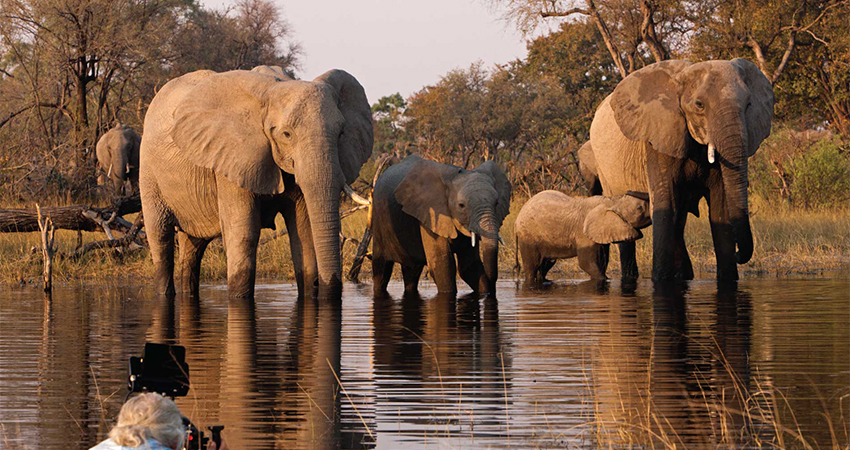
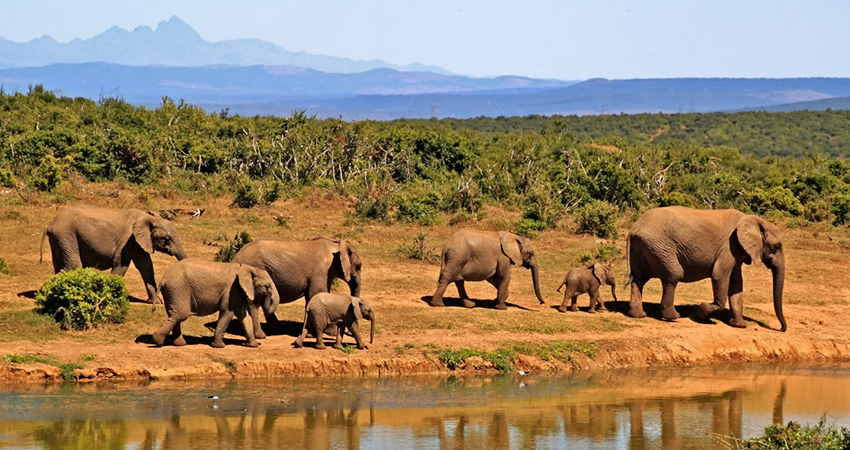
The Reserve is home to various animal species, including elephants, lions, aardwolves, caracals, Grant’s gazelles, oryx, klipspringers, and greater kudus, among others.
Avian species.
Marsabit National Reserve is recognized as a premier birding destination, hosting over 350 notable avian species, including the yellow-billed turaco, yellow-billed stork, purple heron, red-knobbed coot, ibis, Rüppell’s griffon vulture, peregrine falcon, black kite, African fish eagle, African olive pigeon, bearded vulture, Hartlaub’s turaco, Heuglin’s bustard, masked lark, Somali couser, among others. These species can be observed at the cliffs at the northern end of Lake Paradise, as well as in the three pristine crater lakes that provide habitats for diverse birdlife.
Three crater lakes in Marsabit National Reserve.
The Reserve comprises three craters that sustain the wildlife and the adjacent town; Lake Paradise, the second largest of the three crater lakes, plays a significant role within the reserve.
Additional attractions in the reserve include the unspoiled woodland and Lake Paradise.
Activities conducted in Marsabit National Reserve.
Wildlife Observation.
Game viewing in Marsabit National Reserve occurs in the morning and late afternoon, allowing guests to observe various animal species. This experience is facilitated by a safari tour operator who provides specialized guiding and safari services tailored to meet tour requirements.
Avian observation.
The Reserve offers an optimal environment for bird watchers, as it has a diverse array of avian species, including the African olive pigeon, bearded vulture, Somali courser, among others.
Outside camping.
Marsabit National Park provides exceptional experiences within the reserve, allowing guests to engage with the wilderness outdoors. The reserve features camping sites, including Lake Paradise Campsite, Ahmed Campsite, and Abdul Campsite, where visitors can enjoy camping and marvel at the stunning night sky filled with stars.
Fishing.
Marsabit National Reserve coordinates fishing activities for tourists interested in angling, arranging fishing excursions in conjunction with holidays, courses, and experiences for guests.
Camel excursions.
The Reserve provides camel rides as an ecologically sustainable means of exploring the plains, devoid of emissions and noise, while observing bushbucks, caracals, Beisa oryx, striped hyenas, and various bird species such as the African olive pigeon, bearded vulture, masked lark, purple heron, and Hartlaub’s turaco, among others.
Hiking.
Hiking in Marsabit National Reserve occurs atop the volcano, where one may observe a variety of plant types and wildlife, including elephants, olive baboons, vervet monkeys, black and white colobus monkeys, and many bird species. Hiking in the reserve allows for exploration of the craters, such as Lake Paradise, offering picturesque vistas and various other characteristics.
Best time for visiting Marsabit National Reserve.
The reserve is accessible year-round due to its distant location.
Accommodations at Marsabit National Reserve.
Marsabit National Reserve offers a variety of comfortable and attractive hotels, including budget, mid-range, and luxury options such as Sand and Rock Resort, Nomads Trail Hotel, Chicho Hotel, and Gof Hotel Marsabit, among others.
Entry fees for Marsabit National Reserve.
| Category | Citizen (KSH) | Resident (KSH) | Non- Resident (USD) |
| Adult | 250 | 250 | 20 |
| Child | 100 | 100 | 10 |
Directions to Marsabit National Reserve.
The reserve is accessible via both road and air transit from Nairobi.
Via road transportation.
The reserve may be visited from Nairobi via Nanyuk and Isiolo, covering a distance of 570 kilometers to the primary objective. It is advisable to utilize a 4×4 wheel drive safari vehicle or a private vehicle.
Via Air Transport.
An airstrip exists in Marsabit, located 4 kilometers from the park’s main entrance. It is a 2-hour flight from Nairobi and is sufficiently serviced by a tarmac airstrip around one kilometer from the Marsabit town center. The reserve is about two hours by plane from Nairobi.
Marsabit National Reserve is a secluded haven for nature enthusiasts, serving as a sanctuary for large tusked bull elephants, a variety of avian species, and reptiles. Visitors can partake in hikes through the mist-laden deep forest, as well as camel rides, birdwatching, and excursions to the singing wells. The reserve gained notoriety in the 1970s as a habitat for numerous elephants renowned for possessing the biggest tusks in Africa. One notable bull, named Ahmed, was placed under continuous observation by presidential decree. Upon his death, it was discovered that his tusks weighed over 300 kg.