 info@gorillatrekkinginafrica.com
 +256 787505601
Lake Amboseli
Lake Amboseli, Amboseli National Park, Kenya, a site of marvel, is located on the boundary between Tanzania and Kenya, northwest of Mount Kilimanjaro. The park encompasses 392 square kilometers and is predominantly characterized by acacia forest, rocky thorny bush, wetlands, marshland, and a Pleistocene lake. Amboseli National Park is home to an estimated 80 distinct kinds of animals, including African elephants, African buffalo, impalas, lions, zebras, and wildebeests, among other African fauna. The park is primarily recognized for its substantial elephant population.
Amboseli National Park in Kenya, a remarkable region, is located on the boundary between Tanzania and Kenya, northwest of Mount Kilimanjaro. Encompassing an area of 392 square kilometers. The park predominantly consists of acacia forest, rocky thorny scrub, bogs, marshland, and a Pleistocene lake. Amboseli National Park is home to an estimated 80 distinct types of wildlife. Incorporate African elephants, African buffalo, impalas, lions, zebras, and wildebeests, along with other African fauna. The park is primarily recognized for its substantial population of elephants.
Lake Amboseli
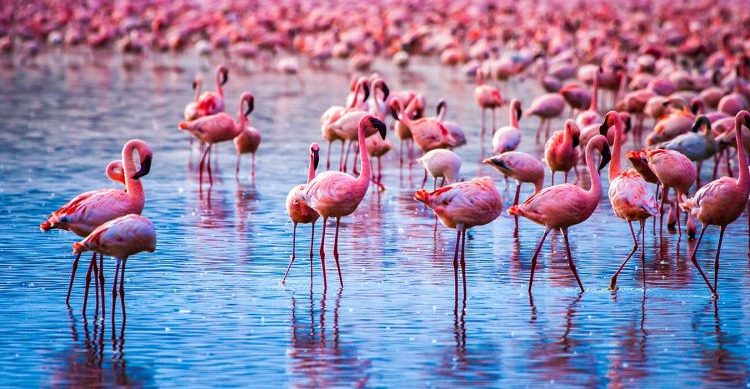
Amboseli National Park features a dry lake basin, often to as Lake Amboseli. The lake serves as a water source during the arid season. This lake is ephemeral, desiccating in the dry season and reactivating during the rainy season. Elephants exhibit a fondness for water, engaging in playful activities and dousing themselves with it. During the lake’s active phase, substantial herds of elephants can be observed at this location. This lake is home to a diverse array of aquatic species. Similar to crocodiles, hippos, and several species of fish. In some dry seasons, the water levels of this lake diminish without completely drying up, attracting numerous wildlife seeking respite, particularly in the afternoon.
Best time to Visit Amboseli National Park
The dry season from June to October is typically regarded as the best time for observing wildlife in Amboseli; with less rainfall, animals congregate in the park’s marshes, where subterranean water from Kilimanjaro is consistently available throughout the year. Nonetheless, this period constitutes peak season; thus, as Kenya’s second most frequented national park following the Masai Mara, early reservations are essential to ensure accommodation during these months. Do not anticipate solitude among the wildlife during this season; automobiles will gather around the wetlands and the park’s restricted trail system. For a more tranquil safari experience, try January to February, following the cessation of the brief rains that peak in November. Alternatively, reside in one of Amboseli’s conservancies to evade peak crowds; for instance, the Selenkay camp accommodates only 18 people at a time, and access to the conservancy is restricted to its guests. Thus, even at maximum occupancy, you will remain splendidly alone. The long rains of April and May, characterized by severe downpours and eroded roadways, should be circumvented.