 info@gorillatrekkinginafrica.com
 +256 787505601
Kora National Park
Kora National Park is situated in the Eastern region of Kenya, encompassing an area of approximately 1,787 square kilometers. This national park was initially designated as a game reserve in 1973 and then constituted as a national park in 1990. Kora National Park is located in Tana River County and is named for the Tana River that traverses the park.
Kora National Park is regarded as an excellent destination for adventurous safaris due to its remoteness and status as an off-the-beaten-path locale, characterized by notable physical features such as Adamson’s Falls, also known as the Kora Rapids. Furthermore, these falls are named in honor of George Adamson, a distinguished conservationist who resided and worked in the area for many years. The optimal period for tourists to see this national park on their Kenya Wildlife safari is from January to March, coinciding with the dry season characterized by minimal rainfall and short grass vegetation, facilitating the capturing of iconic vistas of the park.
Tourist Attractions in Kora National Park.
Tourists should be aware that numerous attractions are located within the park, including the following:
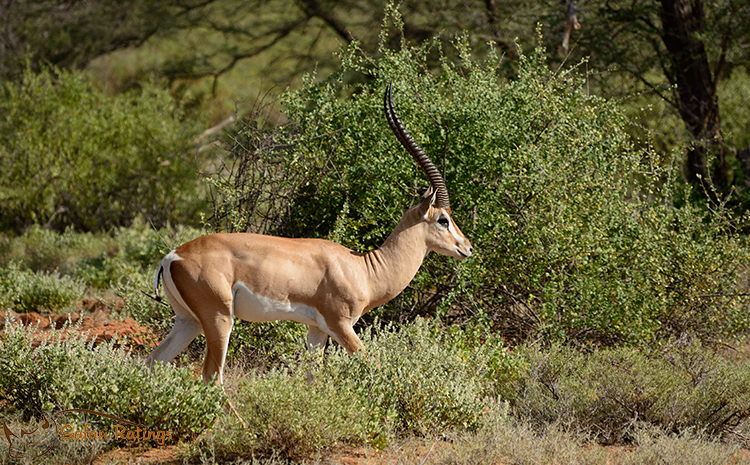
This game park is renowned for its diverse wildlife, housing both common and rare species. Notable inhabitants include lions, the apex predators of the region; African elephants, frequently observed traversing the park; cheetahs; oryx, distinguished by their elongated, pointed horns; giraffes, typically seen feeding on acacia trees; Cape buffalos, herbivorous creatures commonly found in woodlands and grasslands; lesser kudu, small and agile antelopes; Grant’s gazelles, medium-sized prey for predators such as lions and cheetahs; baboons, often seen in large troops; and warthogs, robust and pig-like in appearance, among others.

Birds:
Kora National Park is home to over 450 bird species that can be readily observed throughout the park. Notable species include the martial eagle, African fish eagle, vultures, ostriches, hornbills, kingfishers, bee-eaters, and various water birds such as the goliath heron, African skimmer, and African pygmy goose. The optimal period for observing these birds is the dry season, from June to October, when they are readily visible near the Tana River.
Aesthetic landscape
The picturesque landscape of this national park draws numerous visitors due to its semi-arid environment, characterized by riverine forests, open woodlands, savannah grasslands, scenic hills, rocky outcrops, and the prominent Adamson’s Falls, regarded as the park’s primary attraction.
Tana River
The Tana River traverses Kora National Park, offering opportunities for many aquatic activities. Aficionados of fishing may attempt to capture many plentiful fish species in the river, while ornithologists can observe a diverse array of aquatic avifauna along the riverbanks.
The Tana River is Kenya’s longest river, extending over 1,014 kilometers (630 miles) from its origin in the Aberdare Mountains to the Indian Ocean. The Tana River starts in the Aberdare Range, adjacent to Mount Satima, at an altitude of around 3,800 meters (12,500 feet). It proceeds in a north-easterly trajectory, traversing many terrains like as woodlands, savannahs, and dry plains, before arriving at the Indian Ocean adjacent to the town of Malindi.
The Tana River holds considerable significance for Kenya’s economy and ecology. It supplies water for irrigation, hydroelectric power production, and facilitates several economic activities including agriculture and fishing. The river supports a variety of wildlife and plant life along its path.
The Tana River encompasses the Tana River Primate National Reserve, situated within Kora National Park. This reserve safeguards the endangered Tana River red colobus monkey and the crested mangabey, both of which inhabit the riverbanks. The Tana River provides chances for aquatic sports and leisure activities. Enthusiasts of rafting and kayaking can experience formidable rapids and picturesque segments along the river. There are also regions conducive to fishing, boating, and birdwatching.
The Tana River showcases stunning vistas as it traverses various regions of Kenya. Throughout its trajectory, one can observe striking gorges, verdant flora, rugged outcrops, and scenic riverbanks. The river’s picturesque allure captivates nature enthusiasts and photographers. The Tana River holds cultural significance for various cultures residing along its banks. The river serves as an essential resource for nearby tribes, such as the Pokomo, Orma, and Wardei, who depend on it for water, transportation, and agriculture. These communities possess profound cultural traditions and livelihoods intricately linked to the river.
The Tana River sustains a varied ecology, encompassing a variety of flora and fauna. The river and its vicinity host a variety of avian species, including African fish eagles, kingfishers, and herons. Crocodiles and hippopotamuses inhabit specific areas of the river. The Tana River confronts numerous environmental challenges, including as water management difficulties, deforestation, and pollution. Initiatives such as reforestation projects, sustainable water management methods, and community engagement are being implemented to maintain the river and its ecosystems.
The Tana River provides a distinctive and varied experience in Kenya, whether one seeks to appreciate its picturesque landscapes, partake in aquatic activities, or engage with the cultural history of the communities residing along its banks.
Adamson’s Falls
Adamson’s Falls, sometimes referred to as the “Fourteen Falls,” is a prominent feature of Kora National Park. It is a sequence of scenic waterfalls along the Tana River. The falls provide stunning vistas and serve as an ideal location for photography and leisure.
Adamson’s Falls, referred to as the “Fourteen Falls,” is a picturesque waterfall situated in Kora National Park, Kenya. The falls are named in honor of Joy Adamson, a distinguished naturalist and author celebrated for her endeavors with lions, especially the lioness Elsa. Adamson’s Falls is located on the Tana River, traversing Kora National Park. The park is situated in the eastern region of Kenya, adjacent to the Somali border.
The falls comprise a sequence of cascades and rapids, producing a stunning spectacle of water descending the river. The scenery features abundant greenery, rocky formations, and picturesque cliffs, enhancing the area’s aesthetic appeal. Visitors may access Adamson’s Falls by a boat excursion or by traversing the riverside, contingent upon water levels and park regulations. The falls can be observed from multiple vantage points, offering opportunity for photography and the appreciation of the natural beauty of the flowing water.
The area surrounding Adamson’s Falls is abundant in wildlife, frequently showcasing many bird species such as African fish eagles, kingfishers, herons, and storks in proximity to the falls. Be vigilant for additional animals, including crocodiles and hippos, that reside in the Tana River. Joy Adamson and her husband George Adamson dedicated significant time to Kora National Park, focusing on wildlife conservation and rehabilitation initiatives. Adamson’s Falls is historically significant as the location where Joy Adamson performed her studies and spent time. This acknowledges her commitment and contributions to wildlife conservation.
A visit to Adamson’s Falls allows for the appreciation of the area’s natural beauty, enjoyment of the tranquil environment, and contemplation of the efforts made by Joy Adamson and her crew to wildlife protection. It is recommended to consult local park authorities or tour operators for the most current information regarding access to the falls and any necessary safety measures.
Roaring Rocks
Roaring Rocks is a notable geological structure in the park, providing breathtaking panoramic vistas of the adjacent landscapes. Visitors may ascend the cliffs to appreciate the stunning vistas while monitoring the fauna beneath.
Roaring Rocks is a notable geological structure situated in Kora National Park, Kenya. It is a geological feature that provides breathtaking panoramic vistas of the adjacent terrains. Roaring Rocks is found in Kora National Park, situated in eastern Kenya. The park extends along the Tana River, and Roaring Rocks is located within its bounds.
Roaring Rocks is a prominent rocky outcrop that elevates above the adjacent plains, providing a viewpoint for visitors. The rocks consist of granite and offer a distinctive and scenic background to the park’s varied ecosystems. The primary allure of Roaring Rocks is its stunning panoramic vistas. From the vantage point, visitors may observe the expansive savannahs, forested regions, and winding river that constitute the park’s topography. The vast landscapes offer an exceptional chance for photography and the appreciation of the region’s natural beauty.
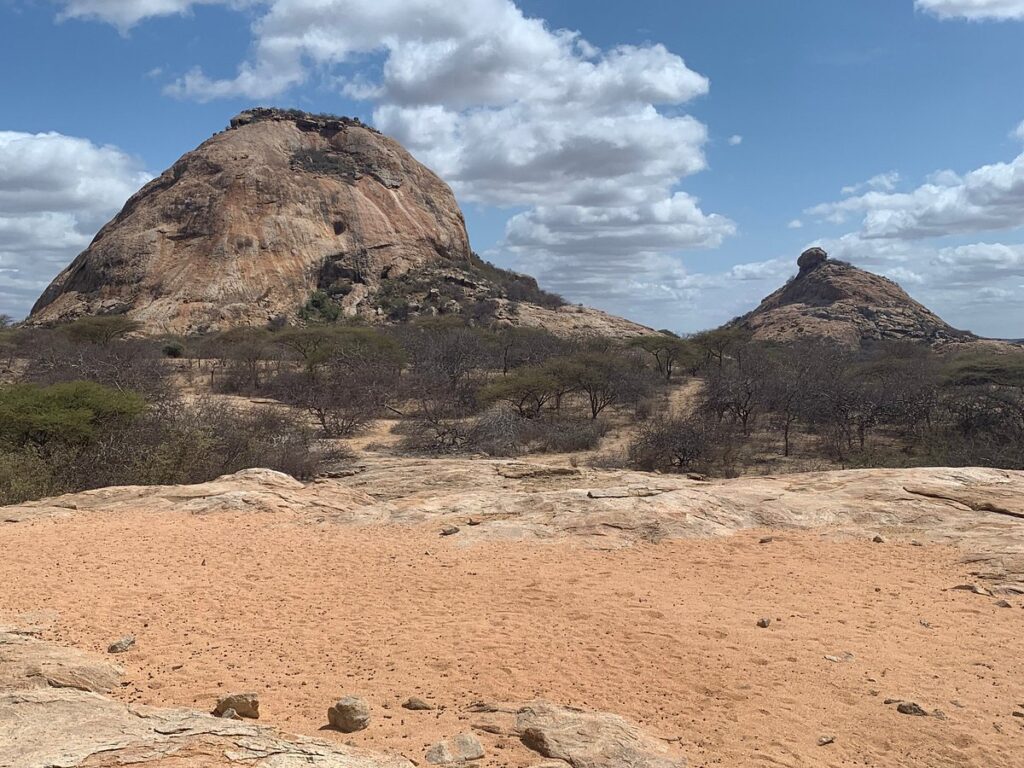
Roaring Rocks, owing to its elevated location, provides a great perspective for seeing wildlife. Visitors may witness creatures including elephants, giraffes, antelopes, and many bird species as they traverse the park’s plains and woods. Roaring Rocks holds cultural value as it was a favored location of George and Joy Adamson, eminent environmentalists noted for their contributions to lion preservation. The rocks functioned as a vantage point for observing wildlife, becoming into a valued site for their conservation initiatives.
Visitors may undertake a little hike or stroll to access Roaring Rocks, enabling them to engage with the natural environment. The hike provides an opportunity to engage with nature and observe the varied ecosystems of Kora National Park intimately.
Kora National Park poses specific issues regarding infrastructure and accessibility. It is important to schedule your visit beforehand and confer with local park authorities or tour operators for the most current information regarding access to Roaring Rocks and any necessary safety measures.
Joy Adamson’s Campsite
Kora National Park is historically significant as the former residence of environmentalist and author Joy Adamson, celebrated for her contributions to lion conservation, particularly with the legendary lioness Elsa. The park includes Joy Adamson’s campsite, preserved as a memorial that provides insights into her life and conservation endeavors.
Joy Adamson’s Campsite possesses historical importance within Kora National Park in Kenya. It is a protected area dedicated to Joy Adamson, a distinguished naturalist and author recognized for her contributions to lion conservation, especially with the lioness Elsa. Joy Adamson’s Campsite is located in Kora National Park, in the eastern region of Kenya, adjacent to the Somali border. The campsite is generally located in a scenic area of the park, selected for its aesthetic appeal and closeness to animals.
Joy Adamson and her spouse, George Adamson, dedicated much time to Kora National Park, researching and rehabilitating wildlife, particularly lions. Joy Adamson’s Campsite honors her efforts, commitment, and accomplishments to wildlife protection. Joy Adamson’s Campsite exemplifies her commitment to promoting wildlife conservation awareness. She is renowned for her book “Born Free,” which narrates the tale of Elsa the lioness and her reintegration into the wild. The campsite provides information regarding Joy Adamson’s conservation efforts and her affiliation with the park.
At the campsite, visitors may encounter displays featuring images, artifacts, and information regarding Joy Adamson’s life, her work with lions, and her experiences in Kora National Park. These exhibits offer insight into her conservation journey and the influence she exerted. Joy Adamson’s Campsite also emphasizes the cultural legacy of the indigenous populations residing in the area. It provides an opportunity to explore the traditions, rituals, and lifestyles of the Borana and Orma tribes, who have cohabited with the park’s wildlife for decades.
Joy Adamson’s Campsite offers a tranquil environment for contemplation and commemoration. Visitors can engage with the serene environment, valuing the natural splendor and reflecting on the significance of wildlife protection.
A visit to Joy Adamson’s Campsite provides an opportunity to engage with her legacy, comprehend her fervor for animals, and observe the effects of her contributions. It is prudent to consult local park officials or tour companies for the most current information regarding camping access and any applicable guidelines or limits. Accommodations in Kora National Park.
Kora National Park offers a variety of pleasant housing options for guests, including budget, mid-range, and luxury accommodations, all of which are consistently available. Additionally, these accommodations comprise Kinna Guest House, Chui Cottages, Meru Guesthouse, Kina Guesthouse, Elsa’s Kopje Lodge, among others. Additionally, there are camping places such as Ken Mara, Kampi Baridi, Rojoweru, and Kanjoo, among others.
Activities conducted in Kora National Park.
Exploring Kora National Park offers opportunities to participate in numerous exhilarating activities, allowing individuals to forge unforgettable memories and enjoy themselves thoroughly. Consequently, some activities include hiking to Adamson Falls, game viewing to observe animals such as leopards, lions, and buffaloes, bird watching due to the park’s diverse avian species, rock climbing for an exhilarating experience amidst breathtaking landscapes and accessible rocky outcrops, and cultural encounters with neighboring communities like Asako village, Kamaguru, and Boka, located within the park’s eastern boundary, allowing for interaction with locals to learn about their traditions, history, and culture.
Additionally, travelers may choose to participate in game drives, providing opportunities to observe wildlife such as cheetahs, caracals, elephants, spotted hyenas, hippos, lions, and various felines. They may also engage in fishing, which is optimally conducted at Tana River and various other locations.
Accommodations in Kora National Park.
Kora National Park offers a variety of comfortable housing options for travelers, including budget, mid-range, and luxury accommodations. Furthermore, these accommodations comprise Kinna Guest House, Chui Cottages, Meru Guesthouse, Kina Guesthouse, Elsa’s Kopje Lodge, among others. Additionally, there are camping places such as Ken Mara, Kampi Baridi, Rojoweru, and Kanjoo, among others.