 info@gorillatrekkinginafrica.com
 +256 787505601
Comprehensive Guide to Karatu
Comprehensive Guide to Karatu: The settlement of Karatu is situated in the Arusha District of Tanzania. Karatu, located between Lake Manyara National Park and the Ngorongoro Crater on the northern Tanzania safari circuit, acts as the gateway to the Ngorongoro Highlands. The site’s advantageous location attracts several safari visitors who either stay overnight or pause briefly, resulting in its designation as “Safari Junction.” It is often employed as a temporary respite between safari expeditions or as a more economical accommodation alternative compared to staying within Lake Manyara National Park, Tarangire National Park, and around the perimeter of the Ngorongoro Crater. However, if you regard it solely as a stopover, you may overlook remarkable outdoor sports and cultural tourism opportunities! To allow you a respite between safaris, explore the offerings of Karatu if you have more days available.
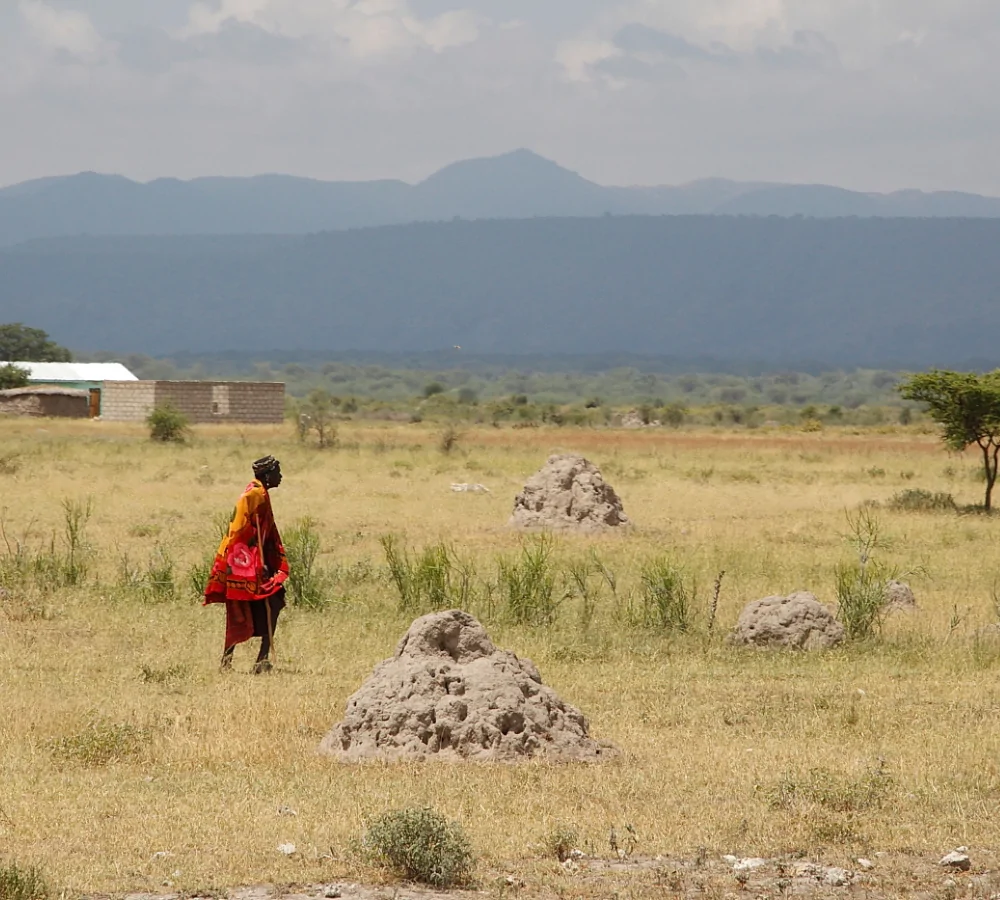
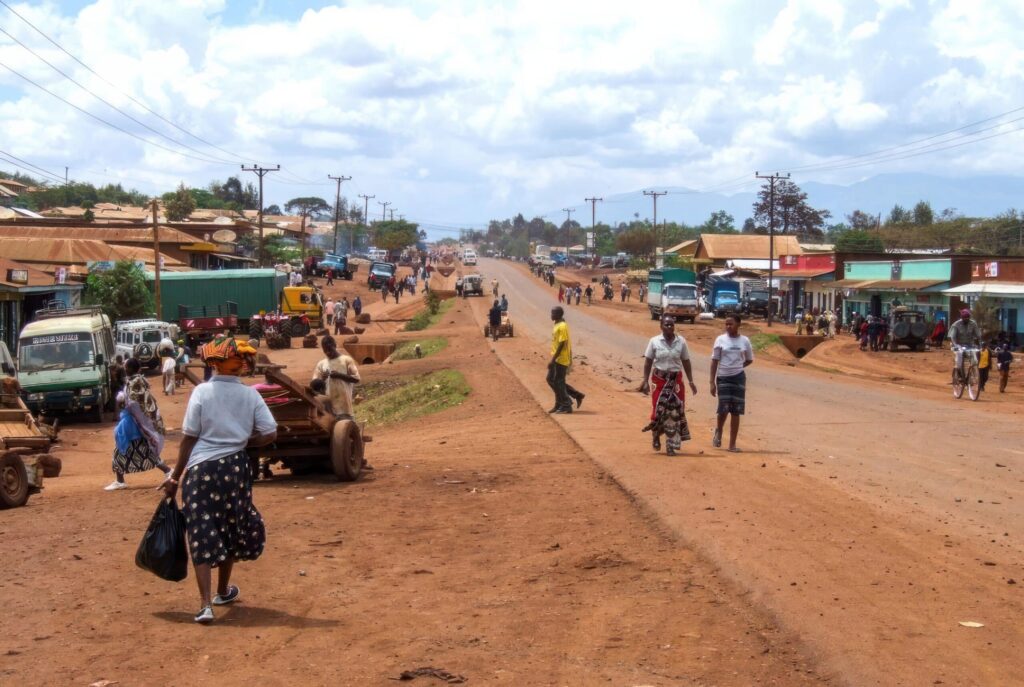
Maasai herders and oxcarts traverse alongside safari vehicles, local buses, and vividly colored Tuk-tuks in the vibrant downtown of Karatu, while just beyond the city, meticulously maintained Iraqi farms and villages merge with the verdant landscape of the Ngorongoro Forest. An Internet search for activities in Karatu, Tanzania, may lead to the erroneous belief that there is a lack of things to do there, as indicated by the information available on Everything To Know About Karatu.
In Karatu, one can explore the local marketplace, visit a nearby brewery, learn about the region’s brickmaking industry, stroll through a coffee farm, embark on a guided walk through the Ngorongoro Forest in pursuit of waterfalls and elephant caves, and visit an Iraqi homestead, in addition to appreciating the serene countryside surrounding the town.
We recommend considering a visit to the often-overlooked village of Karatu, whether you seek cultural experiences, hiking and bicycling opportunities, a glimpse of serene rural Tanzania, or even a reprieve from the dusty safari game drives.
Directions to Karatu
Karatu is easily accessible from Arusha city by safari vehicle or bus. On an optimal route, traversing 150 kilometers will require just over two hours. Kilimanjaro Airport (JRO), located approximately 45 minutes from Arusha, functions as the principal international airport for the city, encompassing all pertinent information regarding Karatu.
Utilizing a bus or dala-dala represents a more economical option. This may take up to three hours and cost between 5,000 and 7,000 TSH. These are often congested, and due of their low cost, comfort is frequently compromised. It is advisable to board a bus that arrives prior to dusk for safety considerations.
A small aircraft to the Lake Manyara airstrip is recommended if you wish to invest further funds. Coastal Aviation and Air Excel offer flights for approximately $100 from Arusha to Manyara en route to the Serengeti. Unlike Kilimanjaro Airport, which may have been your arrival point via international flight, this flight is presumably departing from Arusha Airport, a modest local airport. The journey from Manyara airstrip to Karatu takes approximately 30 minutes, regardless of whether you utilize a taxi or a transfer arranged by us.
Best time to Visit Karatu
Although Karatu is a year-round safari destination, the optimal time to come is during the dry season, from June to October, as it is often utilized as a base for safaris in the adjacent National Parks. The distinctive geology of the Ngorongoro Crater facilitates year-round wildlife observation, with optimal visibility occurring from June to October due to the reduced grass height. This holds true for Lake Manyara National Park, however both parks exhibit remarkable lushness and greenery during the wet season. The wet season may be more enjoyable, as Ngorongoro Crater tends to be somewhat crowded during the dry season. During the rainy season, certain paths may become excessively muddy and inaccessible; however, this should not substantially detract from your safari experience. Comprehensive Information Regarding Karatu.
Things to Do In Karatu
Karatu boasts numerous attractions that merit visitation, despite often being perceived solely as a transit point between the enormous safari parks of the Northern Circuit. The vibrant town core offers several opportunities for cultural tourism. Consider exploring the market for trinkets, touring a coffee plantation, or attempting to brew beer at home. In addition to your hotels, two organizations specializing in cultural tourism in Karatu are ideally positioned to organize activities for you, Everything To Know About Karatu.
The Ganako Cultural Tourism Program organizes sustainable excursions in and around Karatu, allocating the proceeds to a local nonprofit organization. Moreover, Iraqw Karatu organizes a range of activities that provide distinctive insights into the culture of the adjacent tribe. Certain areas, such as the market, may be explored individually; however, for most cultural tourism, it is often preferable to participate in a guided tour, where a guide can elucidate local customs and ensure acceptable interactions with the local community. Below are few tourist activities or attractions in and around Karatu:
Explore the Karatu Market:
On the 7th and 25th of each month, Karatu hosts a significant market attended by local vendors, offering an array of finely produced goods, trinkets, and opportunities for haggling. A smaller market occurs on the 25th; however, if these dates do not align with your travel itinerary, a smaller market is held daily in the town center. Comprehensive Information Regarding Karatu.
Tour a Coffee Plantation:
Superior coffee is cultivated in Tanzania, predominantly in the northern region of the country. Numerous charming coffee farms are available for visitation or accommodation, where one may learn the art of coffee preparation and enjoy the beverage amidst breathtaking scenery.
Beer production:
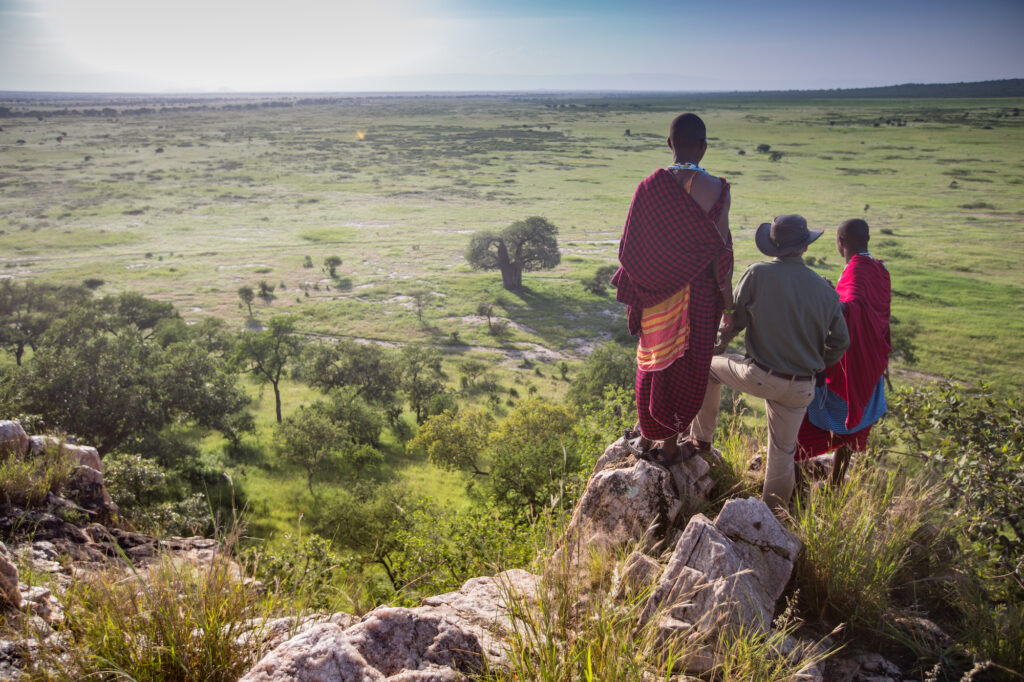
Ganako may facilitate your visit to a local brewery, allowing you to drink homebrewed beer and engage in an authentic Tanzanian cultural experience.
Brick Making:
A substantial segment of the local population derives their livelihood from this craft, which constitutes a major industry.
Enjoy the local cuisine
whether it be ugali (maize porridge), chips mayai (fries with eggs), or cassava. A traditional Iraqi supper is also available, organized by Ganako and Iraqw Karatu. To prevent gastrointestinal issues if you choose to undertake this independently, consume only cooked meals.
Homestays and visits to traditional homesteads are two methods by which the Ganako and Iraqw can facilitate tourists’ immersion in local Tanzanian culture, potentially including overnight accommodations.
Bicycle Excursions:
Numerous routes surrounding Karatu are well-suited for cycling. Observe the collaboration of local residents and NGOs to advance sustainable living in the region by exploring development and ecological projects.
Day Trips from Karatu
Karatu serves as an excellent location for day excursions to neighboring attractions, as well as a stopover for the prominent national parks. Ganako and Iraqw Karatu provide day excursions to the old German settlement of Oldeani to see the nation’s colonial history and the stunning Lake Eyasi, in addition to ascents of Mlima Nyoka (Snake Hill) for sweeping vistas of the surrounding landscape and the Rift Valley. The latter provides unimpeded enjoyment of the picturesque lake and its biodiversity, as it remains largely uncharted by the majority. Hunting with the Hadzabe Bushmen near Lake Eyasi, one of the final groups of hunters and gatherers in East Africa, is also an option.
Is cultural tourism socially responsible in Karatu?
Cultural tourism can occasionally become voyeuristic, like a “slum safari.” As a tourist, you may experience some discomfort when invading the homes and lives of others. Ganako and Iraqw Karatu ensure a socially responsible tourism model by supporting local initiatives and contributing financially to the communities and individuals they engage with. Tourism-related enterprises are crucial to the livelihoods of these individuals. Traveling with a guide who can also serve as a translator enables you to get knowledge about cultural norms and taboos. Exercise responsibility and obtain consent prior to capturing photographs. Refrain from engaging in efforts involving children, as the frequent influx and exodus of volunteers may adversely affect those who have experienced abandonment. Comprehensive Information Regarding Karatu.
Tribes in Karatu
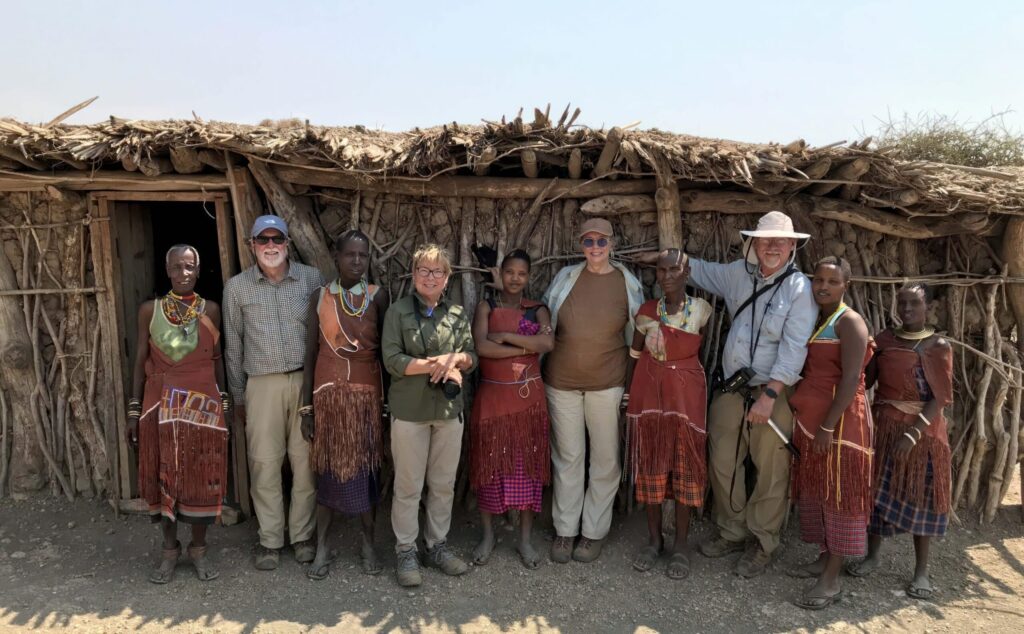
The Iraqw, primarily a Christian tribe, constitute the overwhelming population of Karatu. Their language possesses unique linguistic features attributable to its Ethiopian origins. They are agriculturists who profit from the selling of indigenous items, including as pottery, to tourists in the Ngorongoro region.
The Hadzabe Bushmen, residing near Lake Eyasi, are among the last remaining communities of hunters and gatherers in East Africa. As the Tanzanian government progressively intrudes onto their domain, approximately 1,000 individuals continue to inhabit the vicinity of the lake. A journey to the Hadzabe resembles a temporal expedition.
The Datoga are agriculturalists and craftsmen that inhabit the vicinity of Lake Eyasi. They are celebrated as formidable warriors, primarily distinguished by the circular tattoos adorning their faces. Merely 5% of them are proficient in Swahili, the national language of Tanzania, and they are exceedingly isolated. There are exceedingly low levels of education and literacy. It is believed that they went southward millennia ago, and their language has origins in South Sudanese and Ethiopian languages.
Accommodations In Karatu
Karatu serves as an optimal base for many days to investigate the adjacent national parks and Lake Eyasi, while also gaining insights into the local cultures. Due of the lower costs of accommodations outside the National Parks, numerous tourists choose to reside in Karatu. Many visitors opt to stay in Karatu due to its lower lodging costs compared to national parks. However, if you are constrained by time, this will necessitate additional driving each day, which may be physically demanding for you. We recommend evaluating the advantages of residing in a lodge on the crater’s perimeter against the time and diminished driving necessary. Karatu provides superior accommodations across all pricing categories. Below are our premier recommendations:
Premium options: Plantation Lodge and the boutique establishment Oldeani Safari Lodge are undeniably pricier, although the breathtaking environment and colonial architecture will guarantee a rewarding experience.
Moderate-priced alternatives: Choices at a reasonable cost encompass the beautiful gardens around your cottages at Octagon Lodge and Karatu Simba Lodge.
Reside on a coffee plantation for a more unforgettable experience. Gregg’s Farm and the Shangri-La estate of Kifaru Coffee are two exceptional alternatives for this purpose. Experience the industry directly while unwinding in tranquil cabins and appreciating the stunning vistas. The Shangri-La estate is considerably more economical yet has a limited number of accommodations, whilst Gregg’s Farm is a premium option that features luxurious amenities and a spa. Secure bookings in advance if you wish to reside here.
Conclusion: Although Karatu is a small town and functions as a nexus for various safari attractions, it should not be disregarded or bypassed when visiting national parks such as Lake Manyara, Ngorongoro, and Serengeti, as the town offers numerous attractions and safari activities that can enhance and make your safari experience memorable. Contact All Tanzania Safaris immediately if you are interested in a safari to Karatu town; it is an exceptional destination that promises a once-in-a-lifetime experience.