 info@gorillatrekkinginafrica.com
 +256 787505601
Is gorilla trekking hard in Uganda?
Is gorilla trekking hard in Uganda, Gorilla trekking presents a considerable challenge, contingent upon one’s fitness level. Gorilla trekking in Uganda is notably challenging due to the necessity of traveling through deep woods, valleys, hills, and swamps. Gorilla hiking can pose a challenge for those without physical condition, resulting in fatigue. While gorilla trekking is regarded as one of the most captivating wildlife encounters, it differs significantly from a conventional game drive or a trip to a local zoo. Gorilla trekking entails traversing challenging landscapes, including dense foliage, water bodies, and hilly or valley regions.

The sport can be exceedingly tough and fatiguing when one is weary and has a painful knee, particularly if one is unaccustomed to running for extended periods. The activity extends beyond traversing well-maintained and foreseeable paths. When confronted with biting insects, thorns, and deep woodlands. Precipitation and altitude sickness are significant challenges in certain parks.
Gorilla trekking in Uganda necessitates moderate physical fitness; yet, the majority of healthy individuals should be well prepared for the endeavor. Gorilla trekking involves a walk to Bwindi Impenetrable National Park, a rainforest that shelters mountain gorillas. The trip entails traversing the dense jungle with a knowledgeable local guide to locate a troop of familiar gorillas, which may result in some dirtiness. Entering the park without a gorilla trekking permit is inadvisable, as a limited number is issued daily, and it can become congested during peak season.
We favored gorilla trekking in Uganda due to its lower costs compared to Rwanda, as well as the country’s greater stability and safety relative to the Democratic Republic of Congo. In the absence of employment and the means to sustain a livelihood through gorilla conservation, several individuals will be compelled to kidnap gorillas once more for bushmeat or to participate in the illicit wildlife trade. Integrate gorilla trekking in Bwindi Impenetrable National Park with picturesque lakeside accommodations at Lake Mutanda. Mgahinga Gorilla National Park, Uganda’s second gorilla park, encompasses a 13-square-mile area of the broader Virunga ecosystem, which spans 168 square miles into Rwanda and the Democratic Republic of Congo.
It was revealed that 25% of the revenue generated by gorilla trekking in Uganda is allocated to local communities. Gorilla trekking is also available in Mgahinga National Park in Uganda, Volcanoes National Park in Rwanda, and Virunga National Park in the Democratic Republic of Congo. Gorilla trekking is an adventurous endeavor involving hiking over uncharted terrain and tropical forests, offering the chance to observe avian species, smaller primates, and stunning landscapes. Gorilla trekking is undoubtedly a valuable investment, as it provides a unique experience while significantly aiding in the conservation of endangered primates and their ecosystems.
Bwindi Impenetrable National Park, Uganda’s primary gorilla trekking site, features hilly terrain and dense foliage, necessitating considerable stamina for hiking. Gorilla hiking in Uganda presents difficulties because to its arduous terrain, dense bush, and erratic weather, requiring hikers to ascend to elevations of approximately 2,600 meters (8,500 feet). Owing to governmental interests in their protection, extensive research initiatives, and financial support from gorilla tourism, the population of mountain gorillas has increased to approximately 1,060 individuals within two decades.
Gorilla trekking in Uganda‘s Bwindi Impenetrable Forest constitutes an aspirational expedition for wildlife aficionados. Nonetheless, identifying the optimal time for gorilla trekking in Uganda might profoundly influence your experience. Bwindi is a rainforest, therefore it has precipitation year-round. Comprehending the seasonal fluctuations in precipitation and their impact on hiking conditions is crucial for orchestrating a successful and unforgettable gorilla experience. This essay will examine the optimal period for gorilla trekking in Bwindi.
The Climate of Bwindi Rainforest
Bwindi Impenetrable Forest is distinguished by its tropical rainforest climate. This climate results in two principal rainy seasons and two dry seasons.
Dry Season (June to September and December to February): In the dry season, Bwindi experiences some rainfall, albeit of lesser intensity. The climate is typically more agreeable, characterized by lower temperatures. The trails are comparatively drier and more navigable, with reduced likelihood of precipitation during your hike.
Wet Season (March to May and October to November): During the wet season, Bwindi encounters increased frequency and intensity of rainfall. Precipitation may occur everyday, leading to muddy and treacherous pathways. The wet season yields verdant landscapes and is an optimal period for avian observation as migratory birds return to the region.
Selecting the Optimal Period for Your Gorilla Trek
The optimal timing for a gorilla hike in Bwindi is primarily contingent upon your choices, priorities, and financial considerations.
June to September (Dry Season): This timeframe is regarded as the pinnacle of gorilla trekking season. Bwindi experiences occasional rainfall, however the overall weather is predominantly dry and agreeable. Trails exhibit reduced moisture, and visibility is optimal for photography. Gorillas are typically located at lower elevations, facilitating more accessible hikes. Gorilla Trekking in Africa can assist you in obtaining permits and organizing your expedition during this peak season.
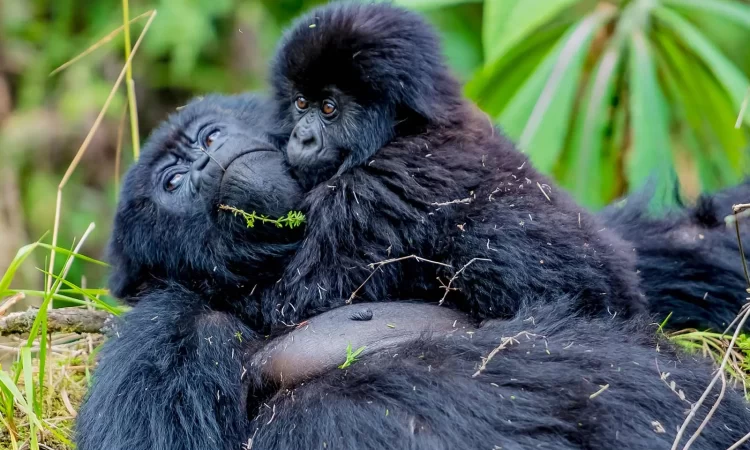
December to February (Dry Season): An optimal period for gorilla trekking, particularly for those who favor temperate weather conditions. The paths are drier, and the likelihood of precipitation is negligible. It is important to secure your permits well ahead of time, as this period constitutes peak tourist season.
March to May (Wet Season): This period constitutes the off-peak season for gorilla trekking. Although the trails may provide difficulties owing to substantial rainfall, it is an opportune period for budget-conscious hikers. Permits may be more accessible, and lodges frequently provide reduced fees. We can assist you in organizing an economical trek during this time.
October to November (Wet Season): This period is regarded as the low season, akin to March to May. The paths may be muddy; yet, it is an opportune period for avian observation as migrating birds return to Uganda. If you are an avian aficionado, this may be the optimal moment for you.
Reasons for Selecting Gorilla Trekking in Africa
No matter when you decide to embark on gorilla trekking in Bwindi, Gorilla trekking in Africa is your optimal companion for this expedition. Herein lies the rationale:
Expert Guides: Our seasoned guides possess extensive knowledge of gorilla behavior and are adept at optimizing your opportunities for optimal interactions.
Permit Acquisition: Gorilla Trekking in Africa can manage the complete permit reservation process, guaranteeing you obtain the necessary licenses.
All-Inclusive Packages: They provide comprehensive packages encompassing lodging, transportation, and supplementary activities, ensuring a cohesive and unforgettable experience.
In conclusion on the best time for gorilla trekking in Uganda
Gorilla trekking in Bwindi Impenetrable Forest is an activity available throughout the year, although the timing of your trip may affect your experience. Regardless of whether you favor the dry season for ideal trekking conditions or the wet season for economical alternatives, Gorilla Trekking in Africa is your reliable ally for an amazing gorilla experience. Regardless of the timing of your visit, observing these majestic beings in their natural environment is an unparalleled experience that will bestow lasting memories.