 info@gorillatrekkinginafrica.com
 +256 787505601
How to organize A summer trip to trek the gorillas in Rwanda.
Situated in the Virunga region, Volcanoes National Park encompasses more than 160 square kilometers and hosts the Mountain gorillas in Rwanda. The park is the sole location in Rwanda where one may observe the endangered mountain gorillas, with a recorded population exceeding 400 individuals. Volcanoes National Park is home to 15 habituated gorilla families that trekkers can observe throughout the year. The summer holidays align with the optimal period for gorilla trekking in Rwanda, from June to September, necessitating advance planning to fully enjoy your safari experience in Rwanda.
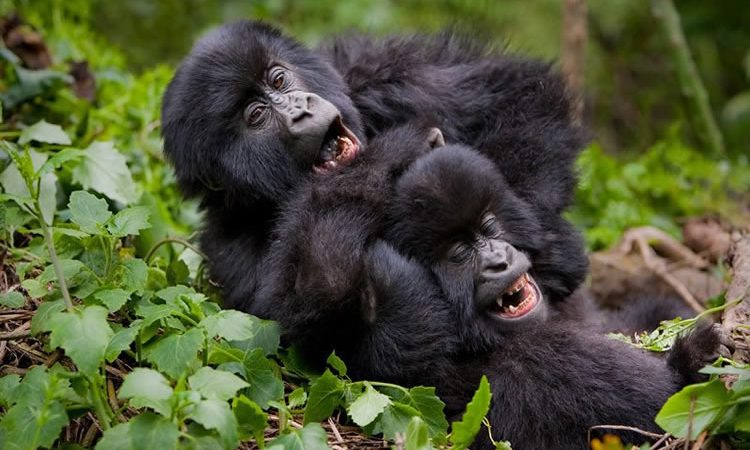
Organizing a summer gorilla trek safari in Rwanda is straightforward provided you adhere to the essential measures and acquire pertinent information for a good experience. It is essential to ascertain the appropriate time for booking the safari, the expenses associated with the gorilla permit and safari, and the necessary items to bring on the safari.
The Permit gorilla trekking in Rwanda
Participation in gorilla trekking in Rwanda necessitates the acquisition of a gorilla permit provided by the Rwanda Development Board (RDB). The Rwanda Development Board allocates approximately 96 gorilla permits daily, necessitating reservations many months in advance of the travel date.
The gorilla permit is the sole document that permits tracking and observing gorillas, and the following details the cost of the gorilla permit in Rwanda across various seasons. Rwanda provides a 10% discount on the gorilla permit for travelers who have pre-reserved visits to Akagera National Park and Nyungwe Forest National Park.
- Foreign non-residents –$1500
- EAC citizens – $300
- African citizens/residents -$500
Upon acquiring the permit, a copy will be dispatched; however, a gorilla family will not be allocated to you. This will occur on the morning of the hike following the briefing. Last-minute gorilla permits are unavailable, and purchasing one at the last moment may not be feasible.
Habituated gorilla families in Rwanda
Volcanoes National Park presently hosts 15 habituated gorilla families available for year-round trekking by tourists; however, additional families have been designated for research purposes. These include the Mafunzo family with 15 members, the Muhoza family with 10 members, the Pablo family with 24 members, the Isabukuru family with 14 members, the Ntambara family with 11 members and one silverback, and the Musilikare family with 19 members.
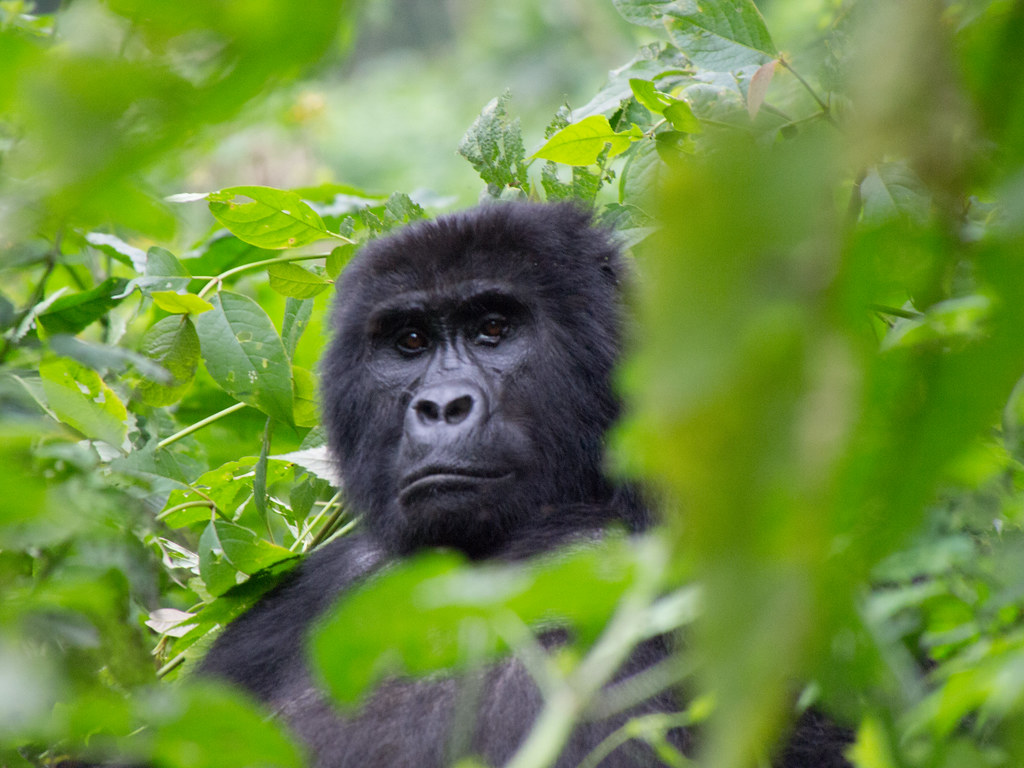
The habituated gorilla families residing in Volcanoes National Park are as follows:
The Kwisanga Gorilla group is the most recent addition to the Volcanoes National Park, having been established following a separation from the Kwitonda family in May 2021. Kwisanga possesses 18 family members.
The Amahoro gorilla family has 21 individuals residing in the Mount Bisoke region with the Umubano gorilla family. Although the two groups inhabit the same land, they coexist amicably, with some individuals having siblings in the other group.
The Kwitonda gorilla family, comprising 17 individuals, reestablished themselves in Volcanoes National Park, Rwanda, in 2006 and is located on the slopes of Mount Muhabura. In 2021, the Kwitonda group bifurcated into two distinct entities: the Kigoma gorilla family, including 20 individuals, and Karevuro, also consisting of 20 members. The group presently comprises 4 newborns, 2 blackbacks, 8 females, 3 juveniles, and 2 silverbacks.
The Susa group comprises 19 individuals and is regarded as the most challenging gorilla family to reach. The park’s largest gorilla family, originally comprising 40 individuals, has now divided into the Igisha family with 35 members and the Karisimbi group with 10 members. The trek to the Susa group is strenuous, and note that the Susa is situated on the slopes of Karisimbi Mountain.
Additional gorilla families located in Volcanoes National Park comprise the Sabinyo family, consisting of 15 members led by Gishishamwosti; the Umubano family, comprising 14 members; the Agasha group, also referred to as Group Thirteen, which includes 26 gorillas and is favored for the relaxed demeanor of its silverback; and the Hirwa group, established in 2006, with 13 members.
The experience of trekking with gorillas
Gorilla trekking in Volcanoes National Park is an indelible experience that commences early in the morning with a briefing from the guides at the visitor center. You will be well prepared for the next event by receiving reminders regarding the rules and regulations governing gorilla trekking.
Following the briefing and allocation of gorilla families according on the trekkers’ fitness levels, the wilderness tracking of gorillas commences.
The trekking paths exhibit varied topography; at one moment, you traverse level regions, and at the next, you encounter severe inclines and descents. The journey is not time-restricted, and the duration is contingent upon the location of the gorilla family being trekked.
Encountering gorillas at close proximity is an extraordinary experience, owing to their formidable size. Gorillas exhibit curiosity towards humans, even after habituation, and often approach them closely. A gap of 7 meters must be maintained to allow for unobstructed movement.
Is gorilla trekking in Rwanda safe?
Gorillas are not inherently hostile primates; while they possess the capability to protect themselves, they seldom assault humans and do so mostly when provoked. Their diet excludes meat, as they predominantly consume fruits, roots, and vegetables. Regulations have been established to safeguard both the gorillas and the trekkers, ensuring the activity’s safety.
Procedure for reserving a summer gorilla trekking expedition in Rwanda
Independent tourists visiting Rwanda can directly book and acquire their gorilla permit from the Rwanda Development Board and receive it promptly. Nevertheless, the challenge persists in coordinating additional logistics such as transportation and lodging, despite the abundance of information available online.
We are reliable in assisting you with the organization of a customized summer gorilla trekking safari in Rwanda. We possess extensive experience in safari organization and will assist with all local logistics, including hotel, transportation from the airport to the national park, and overall safari management. We will facilitate the booking and acquisition of the gorilla hike permit, as well as manage any local logistics within your budget, ensuring you have an enjoyable summer break with the gorillas.
Regulations for gorilla trekking in Rwanda
When organizing your summer gorilla trek safari in Rwanda, it is essential to be aware of and adhere to the laws established by the Rwanda Development Board to save the gorillas. The guide reiterated these laws and regulations at the briefing on trek day, and all tourists are recommended to comply with them. These regulations safeguard both the Mountain gorillas and the hikers, and they encompass:
- The recommended distance to maintain from the gorillas upon locating them is 7 meters. This distance allows the gorillas to behave naturally without disturbance and serves as a crucial measure to prevent the transmission of illnesses from humans to gorillas.
- You will be assigned to a group of only 8 members to prevent overwhelming the gorillas. The restricted daily visitation to a gorilla family mitigates the transmission of diseases to the already endangered Mountain gorillas.
- All tourists experiencing illness should refrain from trekking, and if you feel the want to sneeze or cough in the presence of the gorillas, you must cover your nose and mouth and turn away from them.
- While you are required to bring snacks and water, consumption is prohibited in the presence of the gorillas.
- Tourists are encouraged to maintain silence while trekking and interacting with the gorillas, to deactivate their phones, to enable flight mode, and to minimize sudden movements.
- Photography is prohibited in the presence of gorillas.
- Each group spends one hour with the gorillas, which may be shortened if the gorillas exhibit disruptive behavior.