 info@gorillatrekkinginafrica.com

How Gorilla Permits are Allocated
How Gorilla Permits are Allocated, Gorilla trekking is undoubtedly the most captivating wildlife encounter in Africa. This experience markedly contrasts with a wildlife drive in the Masai Mara or Serengeti National Park, resembling a visit to our ancestors. Annually, tens of thousands of individuals travel to Africa to observe these magnificent primates in their natural habitat. Mountain gorilla monitoring has gained popularity due to their classification as endangered by the IUCN. How are gorilla families allocated in Rwanda? Due to their scarcity, they garner greater notoriety and attract more visitors than their lowland counterparts.
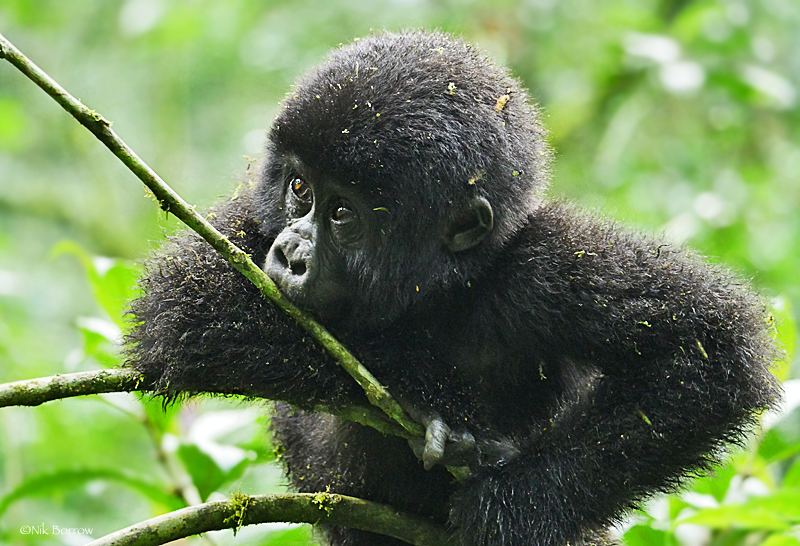
Mountain gorillas inhabit groups or families averaging approximately 20 members. Not all gorilla groups are accessible to visitors; other groups remain untamed. Currently, there are 34 habituated mountain gorilla families accessible to tourists. Eight are located in the Democratic Republic of Congo, ten in Rwanda, and nineteen in Uganda.
The best gorilla groups for tracking
Which gorilla group is the most accessible for tracking? Which gorilla family is optimal for tracking? Within all gorilla parks, certain gorilla groups are more accessible for trekking, while others are more challenging to locate. Locating certain gorilla groups may need about 30 minutes, whereas others could necessitate up to 4 hours. Gorilla groups in Rwanda are typically seen as more accessible for tracking; however, this also applies to Mgahinga National Park and certain gorilla families in Bwindi and Virunga National Parks. Bwindi possesses about double the quantity of habituated gorilla families compared to Rwanda. The majority are readily traceable, while the others may prove challenging to locate.
It is essential to acknowledge that gorillas are untamed animals. The dissuasion from a friend or an online source regarding the monitoring of a certain gorilla group does not imply that the group’s composition or circumstances remain unchanged. If the group lacked a silverback in 2011, it may currently possess two. If a specific gorilla group lacked children at a certain time, it may be due to the presence of twins or an increase in size resulting from mergers. The gorilla family that was challenging to access may have relocated nearer to the park offices. Let us examine the various gorilla populations in Uganda, Rwanda, and Congo.
Gorilla populations in Uganda – Strategies for selecting a more accessible gorilla family for trekking
Gorilla families in Uganda inhabit two national parks: Mgahinga and Bwindi. Mgahinga possesses a singular habituated gorilla troop — the Nyakagyezi group. Bwindi harbors a greater population of mountain gorillas than any other national parks combined. The gorilla families in Bwindi are distributed in four sectors of the park: Ruhija, Rushaga, Nkuringo, and Buhoma. The prominent habituated gorilla families in the Ruhija section of Bwindi include Rushegura, Habiyanja, and Mubare. The individuals in Buhoma are Bweza, Mishaya, Busingye, Nshongi, and Kahungye. The renowned habituated gorilla groups in Buhoma include Kyaguliro, Oruzogo, and Bitukura. The Nkuringo sector is home to the Nkuringo gorilla group, whilst the Rushaga sector has the Bushaho and Bikyingi groups. Rushaga is distinctive as it provides guests the opportunity to engage in the gorilla habituation experience. The gorilla habituation experience is exclusively available in Uganda and entails extended hours spent with the gorillas. Which gorilla group in Bwindi is the most accessible for tracking? The Rushegura Gorilla Group in the Buhoma area is widely regarded as the most accessible group to track. In some seasons, the group may opt to relocate farther from the park. Consequently, there is no assurance that your journey will be less arduous. We advise Travelers to visit any of the sectors and consult with Park officials regarding the feasibility of joining the optimal group.
Allocation of Gorilla Groups in Rwanda
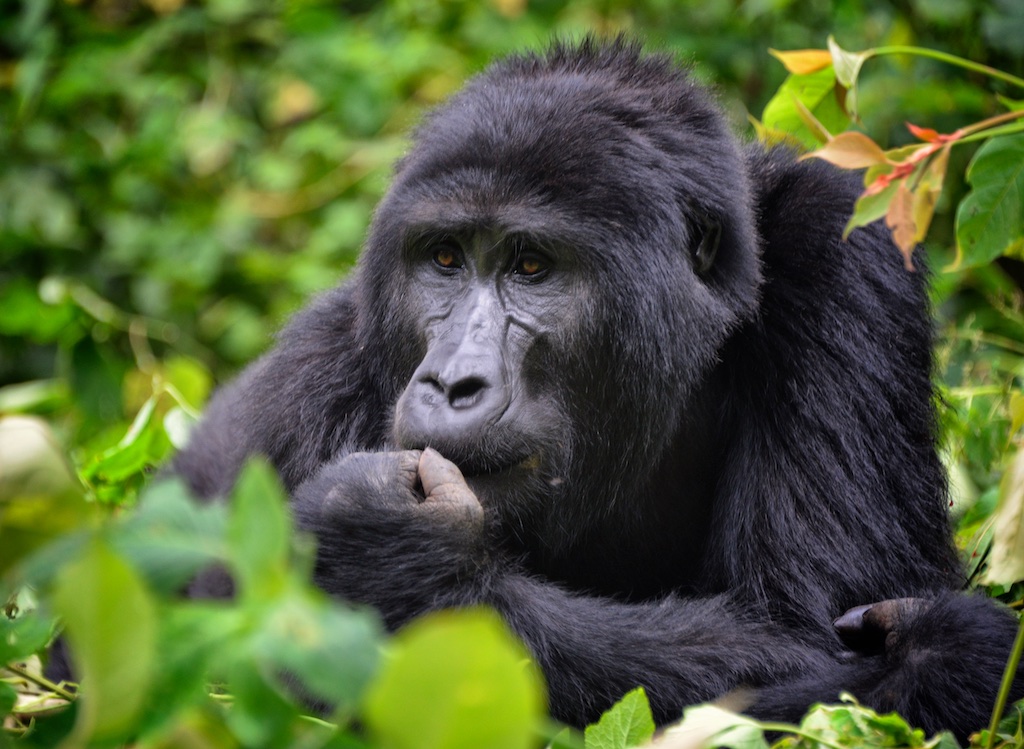
The optimal gorilla group for tracking is located in Rwanda, which possesses the second largest population of mountain gorillas following Uganda. The gorillas inhabit ten habituated groups. Rwanda possesses a comparative advantage over Uganda and Congo because to the accessibility of gorillas from the capital, Kigali, with a travel duration of about three hours. The gorilla groups in Rwanda comprise Agashya, Amahoro, Bwenge, Hirwa, Kwitonda, Sabyinyo, Susa A, Susa B, and Ububano family. The Amahoro gorilla family is reputed to be the premier group for tracking; but, as previously stated, no assurances can be made. Susa A is reputed to be the most challenging to monitor, however it remains favored by tourists due to its association with Dian Fossey’s research.
Gorilla Populations in Congo – The best Gorilla Group for Tracking
The Democratic Republic has only 8 gorilla groups, although it is distinguished as the sole nation where both mountain and eastern lowland gorillas can be observed. Integrating mountain gorilla trekking in Virunga, ascending the Nyiragongo volcano, and lowland gorilla trekking in Kahuzi Biega National Park can provide an extraordinary experience. The cost of gorilla permits in Congo is $450. This is significantly lower compared to the $800 in Uganda and $1500 in Rwanda. The habituated gorilla families in Congo are Bageni, Humba, Kabirizi, Lulengo, Mapuwa, Munyaga, Nyakamwe, and Rugendo.
What is the process for the allocation of gorilla groups?
What is the process for assigning gorilla groups to travelers? To address this inquiry, we must first ascertain who is accountable for the distribution of gorilla groups and licenses. Gorilla licenses in Uganda and Rwanda are issued by the Uganda Wildlife Authority and the Rwanda Development Board, respectively. Gorilla permits in Congo are granted by the Virunga National Park headquarters in collaboration with a tour operator. The distribution of gorilla groups is conducted at the field level by the park management.
The optimal gorilla group for tracking. How are the gorilla groups distributed? In the early days of gorilla trekking’s popularity, gorilla groups in Uganda were assigned months in advance on a first-come, first-served basis. A traveler might review information regarding many gorilla families and select a particular one of interest. They arrived at the park with a clear understanding of the specific group they intended to monitor. Uganda recognized that it was impractical due to the varying popularity and visitation rates of different gorilla groups. Gorilla households lacking a Silverback and juvenile members attracted fewer visits. Permits for the Rushegura group in Uganda were in high demand due to their proximity to the starting site, whilst Mubare was mostly disregarded.
Uganda opted to emulate Rwanda by designating gorilla groups on the day of the trek within the park. Gorilla permits will no longer include the names of gorilla groups, but will instead reference only sectors. The park officials would be tasked with assigning the groups according to the following criteria:

Fitness level:
Mountain gorillas inhabit forests and occasionally high-altitude regions. Accessing certain gorilla populations necessitates trekking through challenging terrain characterized by dense foliage, hills, and valleys. Compounding the issue, certain gorilla groups inhabit locations distant from the first point of reference. Consequently, gorilla groups are assigned according to the overall fitness of the participants. Travelers with limited physical fitness will be allocated to proximate gorilla groups. The park officials lack a fitness assessment but can discern information via interactions with tourists. Consequently, it is essential to inform the park administrators of your fitness worries if you need a less challenging walk. If you regard yourself as fit and seek a more demanding group, you must inform the Park Rangers. Senior individuals or those with disabilities may receive a sedan chair and a team of porters. Further information regarding Sedan chairs can be found in our post on gorilla trekking for individuals with disabilities and the elderly.
Which gorilla group is the most challenging and which is the least challenging to trek?
Traveler Age:
This pertains to the degree of fitness. Age is a criteria used in the allocation of gorilla families to passengers. The park officials will attempt to ascertain the age of travelers based on their looks or by utilizing information from their passports. Age is not a reliable determinant of one’s overall capacity to do a trek. A 60-year-old individual can possess superior physical condition compared to a 23-year-old. If you are over 60 and believe you are sufficiently fit for a more challenging hike, you should inform the park staff. The same applies to the young who are unfit. Travelers under 19 are typically assigned easy or moderate treks due to their lesser focus and mental preparedness for the exercise. They may have merely arrived to provide companionship to mother and father.
Gorilla permits and park sector:
A gorilla permit is the document that permits an individual to join a group for the purpose of tracking a certain gorilla troop. This document will be required on the day of tracking. Your gorilla permit in Uganda will dictate the gorilla group to which you are assigned. Gorilla permits in Uganda specify the designated sector of the park. Upon obtaining a permission for the Rushaga sector, you will exclusively be allocated to a gorilla group within that sector.
The traveler’s preference:
How Gorilla Permits are Allocated, The traveler’s preference remains a factor in the allocation of gorilla families. It is essential to inform your tour company of your focus on a certain sector or a specific gorilla group. This will enable the tour company to plan appropriately. Certain tour providers possess significant influence and can facilitate the assembly of your desired group. They can also obtain the permissions even when it is widely believed that they are no longer available.
Criteria for selecting a gorilla trekking group: Seasonal considerations.
Gorilla permits are exceedingly scarce during the busy season. Acquiring your preferred gorilla group may prove to be quite challenging. Nevertheless, during the off-peak season, the likelihood of locating your preferred groups is elevated. The number of tourists is diminished, and park officials exhibit greater receptiveness to personal dialogues.
Frequency of prior tracking: If you have previously tracked a specific family the day prior, park officials will be compelled to offer you your preferred gorilla group. This aspect is crucial for observing or filming a certain gorilla troop. By conducting multiple observations on different days, you significantly enhance your likelihood of identifying your next family, as you will have established rapport with the Rangers. Providing a tip to the Rangers during your initial trek enhances your bargaining power.
Important: If you are independently following the gorillas in Bwindi, it is essential to select your hotel within the designated area. Bwindi is an expansive forest, and you should not forfeit the experience merely due to your hotel’s considerable distance from the beginning place. Reserve your journey ahead of time. This enables your tour operator to secure the permissions promptly. It is essential to recognize that, irrespective of the gorilla group to which you are assigned, your experience will vary. The likelihood of encountering the gorillas is exceedingly high, as a preliminary team of trackers is dispatched before to dawn to ascertain the precise location of the primates.
Strategies for managing a challenging hike and gorilla troop
What if I encounter a more challenging trek?
Should you encounter a more challenging walk for any reason, you can still relish the experience by adequately preparing both mentally and physically. Prior to participating in the activity, engage in extended walks in proximity to your residence. Utilize forested regions or high-altitude places as practice grounds. Verify that you own all essential goods specified in the gorilla trekking packing list. This list comprises durable hiking boots for muddy conditions, gloves, long-sleeved shirts, a hat, sunglasses, a rain jacket, a sweater, and insect repellents. It is essential to carry a walking stick, sufficient drinking water, and energy snacks to mitigate dehydration and hunger. Remember to bring your camera, binoculars, and toiletries. By bringing the aforementioned supplies, you will do the walk with relative ease.
Additionally, porters can be hired before the trek’s commencement to assist with any heavy equipment for a nominal fee. It is advisable to employ a porter, regardless of your perception of necessity. They will assist you with the challenging segments of the hike. Employing a porter is a means of enhancing their economic welfare. Some of them are students seeking to earn money to save before to returning to school. Porters levy fees ranging from $15 to $20 for their services.