 info@gorillatrekkinginafrica.com
 +256 787505601
Horse Riding Safaris in Uganda
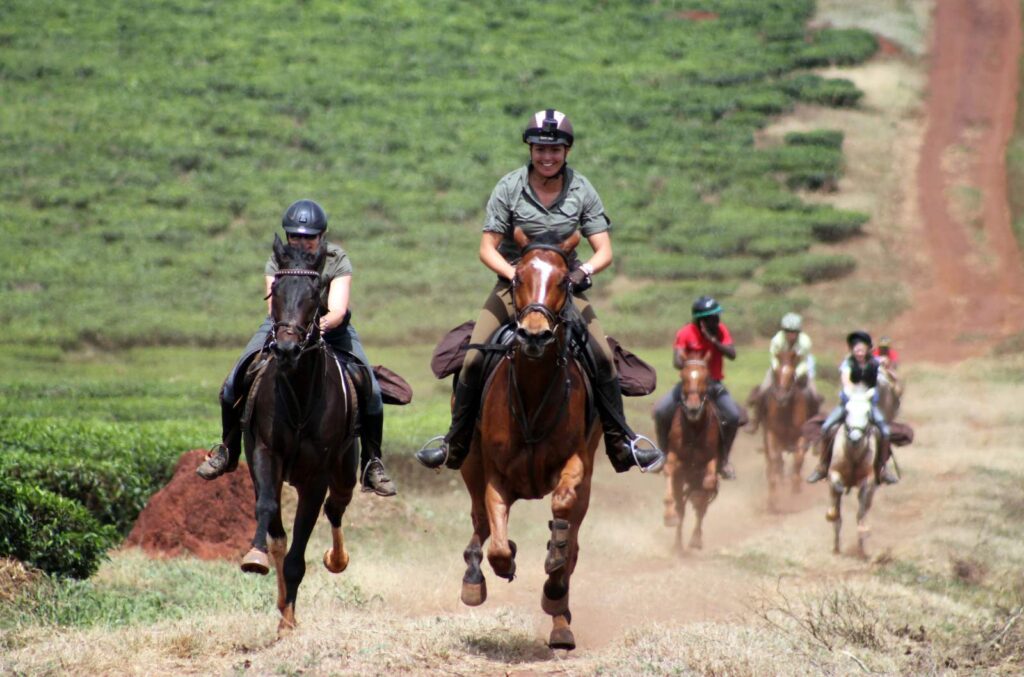
Lake Mburo National Park offers the premier horse riding safaris in Uganda, renowned for its picturesque paths, wildlife interactions, and expansive savannahs suited for equestrian excursions. This park offers distinctive opportunity to observe zebra, impala, buffalo, and eland while traversing the wilderness. Equestrian activities are overseen by skilled advisers to guarantee safety and an unforgettable experience.
What are the premier horse riding safari places in Uganda?
Uganda presents several exquisite locations for Nile horseback safaris, allowing tourists to experience the nation’s natural beauty and animals in a distinctive manner. Lake Mburo National Park is among the premier destinations. This park is particularly favored for equestrian excursions as it enables riders to observe zebras, antelopes, buffaloes, and other remarkable animals at close range, free from the disturbance of motor traffic. The park features expansive savannahs and forested regions, rendering it an idyllic site for horseback riding safaris.
Another exceptional location is Jinja, situated near the origin of the renowned River Nile. Jinja provides equestrian safaris across undulating hills, through indigenous villages, and alongside the riverbank. This tour offers breathtaking vistas of the Nile and a chance to engage with local residents. It is especially appropriate for individuals seeking both aesthetic allure and cultural engagement.
Certain businesses provide horseback riding experiences in Kabale and the southwestern regions next to Bwindi Impenetrable Forest. These areas offer stunning vistas of hills, tea plantations, and woodlands. Although these regions typically lack significant wildlife populations akin to Lake Mburo, the landscape and vegetation provide a tranquil and scenic journey.
Equestrian activities in Uganda are less prevalent than conventional safaris, making it crucial to select certain regions where providers facilitate this experience. Many of these excursions enable guests to engage with nature while experiencing smaller groups of species and expansive vistas.
What is the best time for a horse riding safari in Uganda?
The optimal period for Nile horseback safaris in Uganda is during the dry seasons, which span from June to August and December to February. In these months, the weather is typically sunny with reduced precipitation, facilitating simpler navigation of the terrain. You will have reduced concerns regarding muddy tracks or slippery paths while experiencing your riding experience.
The dry season offers excellent possibilities for observing remarkable species, particularly in regions like as Lake Mburo National Park. Animals congregate near water sources as other areas of the park get arid, increasing the likelihood of sightings. Traversing these regions without disturbing the wildlife might provide unforgettable close encounters on your Nile horseback safari.
Although the dry season is optimal, horseback riding safaris can nevertheless occur during the wet seasons (March to May and September to November), albeit with increased difficulty. Trails may become saturated, and intermittent rain showers may occur. The wet season converts the countryside into verdant foliage, providing stunning vistas for those undeterred by precipitation.
In summary, the majority of vacationers favor the arid months for the convenience and comfort they provide. When organizing a trip, it is advisable to consult your selected operator regarding trail conditions throughout the year to guarantee an optimal riding experience.
What kinds of terrain and scenery can I anticipate on a horseback safari in Uganda?
Uganda’s topography presents a variety of locations suitable for Nile horseback safaris, owing to its diversified geography. A prevalent characteristic is savannah grasslands, located in areas like as Lake Mburo National Park. These expansive terrains are suitable for equestrian activities due to their broad, level, or slightly undulating pathways. Acacia trees, dispersed shrubs, and remarkable fauna can be observed grazing in the distance.
Numerous horseback riding safaris navigate through woodlands and forested regions, offering shady paths and a more personal ambiance amidst the trees. For instance, sections of Lake Mburo and regions adjacent to Bwindi exhibit these surroundings, where cyclists may encounter minor topography inclines and nature trails meandering through the verdant rainforests.
Hilly terrains constitute a significant characteristic of Uganda, particularly in areas such as Jinja or southwestern Uganda. The hills in these regions provide more challenging trails that need moderate proficiency, yet reward cyclists with stunning vistas. For example, excursions in Jinja frequently traverse undulating agricultural land, indigenous settlements, and picturesque vantage points overlooking the renowned river Nile.
Furthermore, one might anticipate the presence of wetlands and shorelines adjacent to aquatic environments, such as around the peripheries of Lake Mburo or the Nile. These regions are abundant in avian species and offer a distinct ecology to appreciate during your safari expedition.
The landscape encompasses savannahs, hills, woodlands, and marshes, providing bikers with a diverse array of trails to traverse. Every region offers distinct challenges and allure, rendering horseback riding in Uganda a genuinely dynamic experience.
Are horse riding safaris in Uganda appropriate for novices or exclusively for seasoned riders?
Horseback riding safaris in Uganda provide an exhilarating experience for individuals of diverse riding proficiencies, ranging from novices to highly skilled equestrians. Tour operators generally evaluate the participant’s proficiency at the outset to select the appropriate horse and speed for their ability level, so ensuring a pleasurable and secure experience for all involved. Novices may engage in brief and leisurely rides on flat, less demanding terrain, allowing them to appreciate the picturesque vistas of the renowned Nile while enhancing their riding abilities under the supervision of a seasoned guide.
Experienced motorcyclists typically encounter more challenging opportunities. These may encompass extended rides, more challenging terrain, or accelerated excursions such horse cantering or galloping in designated safe places. These horse safari excursions frequently enable experienced equestrians to explore Uganda’s magnificent terrains, featuring the awe-inspiring vistas of the Rwenzori Mountains.
Numerous safari operators give instruction for novices prior to embarking on a comprehensive trip. This fosters a more assured and comfortable atmosphere for the rider. An exemplary instance of accommodating various ability levels is evident in locations such as Lake Mburo National Park. Novices typically adhere to simpler paths around the park’s periphery, although seasoned cyclists may pursue routes featuring diverse topography and increased physical challenges.
Particular safety precautions, such as matching a rider’s proficiency with a suitable horse, are consistently highlighted. The guides accommodate both novices and seasoned riders, ensuring a comfortable and pleasant horseback riding experience in rural Uganda.
What wildlife may I expect to see during a horseback safari in Uganda?
While participating in a Nile horseback safari in Uganda, one may observe a diverse array of remarkable species, particularly in regions such as Lake Mburo National Park. These safaris are distinctive since the absence of vehicular engine noise enables closer encounters with animals without causing disturbance. It offers a more personal viewing experience, enriching your exploration of this breathtaking landscape.
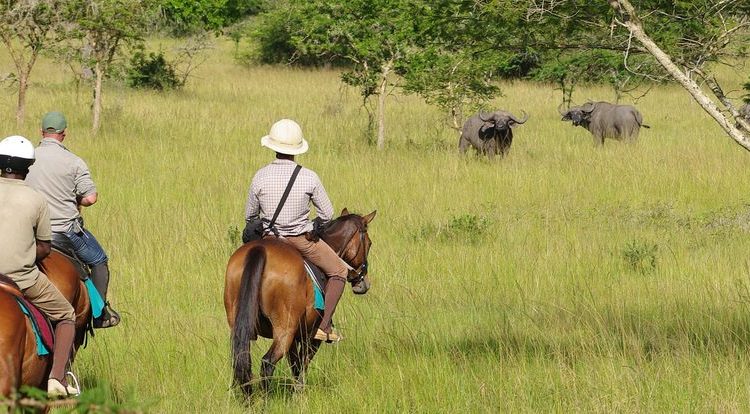
Lake Mburo is recognized for its varied herbivore population. Anticipate observing zebras, impalas, elands, and many antelope species foraging in open regions. The park is among the limited locations in Uganda where zebras may be observed, rendering it a significant draw for visitors. Warthogs and buffaloes are frequently observed in this region, enhancing the thrill of your horseback riding experience.
While predators such as leopards and hyenas inhabit the park, they are generally not observed during horseback riding safaris, as these excursions occur in regions where such creatures are less likely to be found, hence ensuring safety. Birds provide another prominent aspect of the trip, as Uganda hosts numerous species. Be vigilant for vibrant avian species like as kingfishers and impressive raptors like African fish eagles, which may be observed throughout your safari excursion.
In regions beyond Lake Mburo, one may observe diverse species, including bushbucks and several smaller mammals. Although horses often integrate into their surroundings and do not startle most wildlife, measures are implemented to circumvent species that may provide hazards. For instance, substantial herds of buffalo can be watched from a secure distance, augmenting the excitement of your African expedition.
This combination of intimate contacts renders the experience unforgettable, especially since participants may fully engage with Uganda’s natural landscapes, forging enduring memories of the verdant woods and stunning vistas.
What is the safety level of horse riding safaris in Uganda, and what measures are implemented for safety?
Horseback riding safaris in Uganda are typically regarded as safe because to the protocols and precautions implemented by tour providers. Safety is paramount, and considerable measures are implemented to guarantee the wellbeing of both the rider and the horses. All safaris are accompanied by guides possessing significant knowledge of the remarkable wildlife, topography, and equine behavior. They possess expertise in foreseeing potential dangers and may promptly modify routes as necessary, guaranteeing an exhilarating experience for all participants.
A safeguard entails aligning riders with horses that correspond to their proficiency levels. Experienced equestrians are assigned horses with greater enthusiasm and speed, whilst novices are typically matched with calm and stable mounts. Prior to departure, guides generally deliver a training on safety standards, encompassing procedures for managing unforeseen circumstances, such as animal encounters during a Nile horseback safari.
The paths are meticulously chosen. Horseback riding safaris typically circumvent regions inhabited by huge or perilous animals, like as lions or violent buffalo. The majority of safaris occur in areas inhabited by docile species, such as zebras and antelopes, which are less prone to erratic behavior, ensuring a tranquil riding experience.
Wearing protective gear, such as helmets, is obligatory, and the horses utilized are expertly trained, familiar with the surroundings, and less prone to panic when faced with wildlife. First-aid supplies are also transported during the trip to address any minor injuries. The guides are generally instructed in fundamental first-aid techniques.
Tour operators do routine health assessments for the horses to guarantee their fitness and comfort during rides. Moreover, group numbers are limited to ensure enhanced control and safety. With these procedures implemented, guests can confidently partake in horseback safaris, relishing the breathtaking scenery of rural Uganda.
What is the price of a horse riding safari in Uganda, and what does it encompass?
The expense of a Nile horseback safari in Uganda might fluctuate based on factors such as the length of the safari, the geographical area, and the particular provider facilitating the experience. The cost for a brief horse ride, lasting one to two hours, often ranges from $30 to $60 per individual. The expense for full-day excursions may reach $100 to $200. Multi-day safaris, encompassing lodging, meals, and extensive activities, are significantly more costly, potentially ranging from $500 to over $2,000 per individual, particularly for those pursuing an African adventure.
The cost generally encompasses several essential elements. You receive a trained horse and the assistance of a professional guide who directs the group and guarantees your safety. Most tours offer essential equipment, like riding helmets, and may also give supplementary gear such as rain coats or saddlebags. Extended safaris typically encompass rooms and food within the package, providing options ranging from luxury resorts to more primitive tents, particularly for those exploring the Nile River Valley.
Be aware that additional expenses may apply, such as park entrance prices (if the safari occurs in a national park), gratuities for guides, tips for staff, or other activities not encompassed in the primary itinerary. Requesting a comprehensive cost breakdown prior to booking is advisable to prevent unforeseen expenses.
In contrast, several operators provide economical excursions centered on brief journeys along fundamental paths, whereas premium firms may incorporate amenities such as wildlife interactions, cultural experiences, or airborne vistas of the breathtaking scenery. Verify the inclusions of the advertised pricing to ensure it meets your expectations.
What is the duration of standard horse riding safaris in Uganda?
The duration of Nile horseback safaris in Uganda can vary considerably, accommodating diverse interests and itineraries. The briefest rides, generally lasting one to two hours, are suitable for individuals seeking a concise introduction to equestrianism or those with time constraints. These brief safaris typically traverse uncomplicated paths adjacent to lodgings or specific locales such as riverbanks or agricultural plains, offering a view of the breathtaking scenery.
Half-day or full-day excursions are prevalent for more daring participants. Half-day safaris often endure for three to five hours and frequently incorporate a pause for refreshments or photographic opportunity. Full-day excursions may extend to eight hours, enabling participants to navigate many landscapes, including broad plains, valleys, and wildlife-rich reserves, so enriching the overall riding experience.
Multi-day safaris are intended for individuals pursuing a comprehensive adventure. These may endure for a duration ranging from two days to over a week. A three-day horse safari may entail riding for many hours daily, with overnight stays at local lodgings or campgrounds. Extended journeys typically adhere to a timetable that harmonizes travel with opportunities for exploration or cultural engagement, such as touring rural Uganda.
Rest intervals are incorporated onto extended trips to guarantee the comfort of both riders and horses. Introductory rides for novices are shorter and less challenging, whereas seasoned bikers may seek more arduous trails. This diversity enables all individuals to appreciate the remarkable wildlife and landscapes that Uganda presents.
During the planning phase, ascertain the itinerary, specifically the daily riding duration, to ensure it aligns with your skill level and physical stamina, so enhancing the memorability of your safari experience.
What breeds of horses are utilized for safaris in Uganda, and what are their care protocols?
The horses employed for safaris in Uganda, especially on the Nile horseback safaris, are typically robust breeds adapted to the local climate and terrain. Prevalent breeds encompass Boerperd and Thoroughbred-cross horses. Boerperds are recognized for their strength, endurance, and adaptability, rendering them a favored option for traversing Uganda’s many terrains, including verdant rainforests, grasslands, and hills. Thoroughbred hybrids are preferred for their stamina and dexterity, providing a pleasant riding experience over extended distances.
These horses are meticulously chosen according to temperament, as tranquil and well-trained horses are crucial for safaris, particularly those featuring wildlife observations. They must maintain poise and composure when witnessing remarkable species, such as zebras, antelopes, or elephants, during an exhilarating expedition in the wilderness.
The horses are cared for by skilled grooms and handlers, given premium food, including hay and nutritional supplements, to maintain their health. Routine veterinarian examinations guarantee their health is optimal and suitable for safari endeavors. Their hooves are regularly maintained and attended to, as the terrain can occasionally be rugged or stony, particularly in regions such as the Rwenzori Mountains.
An illustration of appropriate care entails providing regular rest days for the horses between safaris, facilitating their relaxation and recuperation. This practice ensures they maintain optimal condition for the subsequent batch. Moreover, a horseback safari incorporates scheduled water breaks and abbreviated riding periods, recognizing the horses’ requirements during these strenuous endeavors.
What equipment is supplied to participants on a horse riding safari in Uganda?
Participants in Nile horseback safaris in Uganda are often supplied with the essential riding equipment to provide a comfortable and secure experience. This encompasses helmets, which are vital for safeguarding your head in the event of unforeseen falls or catastrophes. Safety helmets are highly advised and frequently mandated by safari operators, even for seasoned riders.
Horses are equipped with comfortable saddles, predominantly English-style, though other varieties, such as Western or trail saddles, may be offered depending on the operator. The saddles are meticulously adjusted for both the horse and rider to provide a pleasurable experience during your journey.
Reins and stirrups constitute this equipment, and they are calibrated to accommodate the rider’s stature and comfort preferences. For novices, guides frequently provide advice on managing the reins and utilizing the stirrups proficiently.
Supplementary products occasionally offered comprise saddle padding for enhanced comfort and riding boots or chaps to safeguard your legs from abrasions or contact with vegetation. In the absence of provided boots, operators may suggest that participants wear durable, closed-toe footwear such as hiking boots.
Certain safaris provide water bottle holders or small saddle bags for riders to transport items such as sunscreen, insect repellent, or a camera.
If you possess personal riding equipment, such as a helmet with which you are accustomed, you can often bring it to utilize during your Nile equestrian safari.
Do horse riding safaris in Uganda incorporate cultural or community experiences?
Numerous horse riding safaris in Uganda integrate cultural and community activities into their itineraries. These exchanges enable riders to get a profound comprehension of the lifestyles, traditions, and legacy of the local populations.
As riders traverse adjacent communities, guides frequently organize small pauses for participants to engage with local inhabitants, including farmers, artisans, or children, and gain insights into their daily activities. Local crafts, including weaving, ceramics, and beadwork, are frequently exhibited, and interested riders may get homemade gifts.
In several instances, equestrian safaris encompass excursions to regional cultural places or residences. These experiences may include traditional dance performances, music, or storytelling, wherein locals convey folktales and history transmitted through generations. Such events offer a genuine insight into the cultural wealth of Uganda.
Certain safari operators enhance their offerings by providing community-based tourist experiences. For instance, participants may accompany a local guide on a walk to get insights into traditional agricultural practices or the medicinal flora indigenous to the region. Community initiatives, such as educational institutions or healthcare facilities endorsed by safari operators, may also be included in the visit, providing participants with an opportunity to observe how their involvement in the safari aids local development.
An illustration is traversing Lake Mburo National Park, where one may observe local ranchers managing their long-horned Ankole cattle. Riders can witness the care of cattle and receive insights from ranchers regarding the cultural importance of these animals in their community.
The connections to local culture enhance the safari experience and foster a beneficial interaction between the safari sector and Ugandan communities.
How to Reserve Your Horse Riding Experience in Uganda
Experiencing Uganda’s picturesque landscapes on horseback is an unparalleled adventure. This page encompasses all essential information regarding the premier Nile horseback safaris in Uganda, detailing their distinctive features and the reasons they provide an indelible experience for novices. Prepared to transform this aspiration into actuality? Making a reservation is straightforward! Contact one of the premier safari companies in Uganda for experienced assistance and a flawless experience. Prepare to embark on your remarkable Ugandan adventure today!