 info@gorillatrekkinginafrica.com

Gorilla Tourism in Africa – Rwanda, Uganda and Congo
Gorilla Tourism in Africa, Gorilla tourism pertains to the visitation of gorillas in their natural environment by global travelers. This form of tourism is highly prevalent in East, Central, and West Africa. Uganda, Rwanda, and the Democratic Republic of Congo are internationally recognized for gorilla tourism. Interest in Gorilla Tourism and Conservation commenced in 1902 when German captain Robert Von Beringe found mountain gorillas in what is now Rwanda.
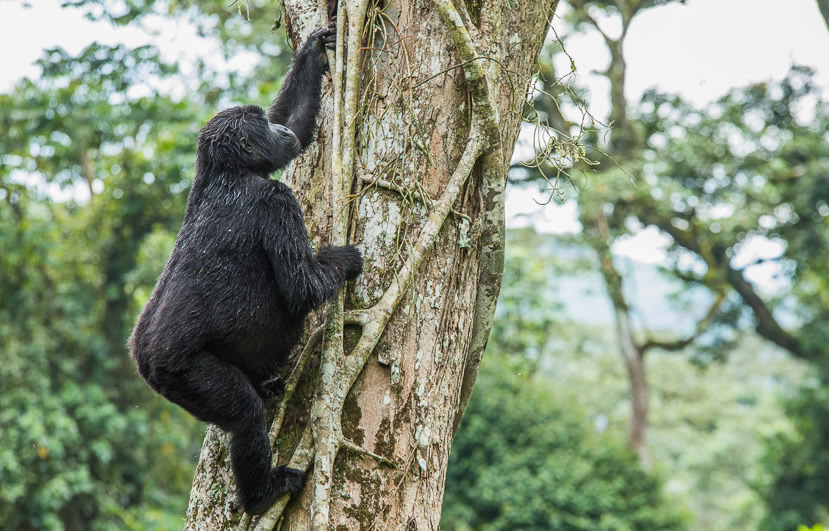
In 1925, American naturalist Carl Akeley persuaded King Albert of Belgium to establish Albert National Park, currently known as Virunga National Park. Albert National Park was the inaugural national park in Africa. In 1959, American naturalist George Schaller undertook the inaugural comprehensive study of Gorilla Tourism concerning mountain gorillas in Albert National Park. Upon the Belgian Congo’s transition to Zaire following independence in 1960, Albert National Park was partitioned into two entities: Virunga National Park in Congo and Volcanoes National Park in Rwanda.
In 1967, a significant milestone in gorilla tourism, study, and conservation was achieved. At the invitation of Dr. Leakey, American scientist Dian Fossey commenced an extensive study of mountain gorillas at Volcanoes National Park. Her research achieved significant success with notable advancements in the habituation of gorillas. Gorilla habituation denotes a process whereby wild gorillas are conditioned to tolerate human presence.
In 1973, the Rwanda Office of Tourism and National Parks was established to develop regulations pertaining to operations within the national parks. Notwithstanding these initiatives to save animals, poaching and the trading of juvenile gorillas persisted from 1970 to 1980. Dian Fossey vigorously advocated for the protection of gorillas and consistently opposed gorilla tourism. Fossey felt that gorillas required solitude and should remain undisturbed by human presence. The pet trade and the slaughter of entire gorilla families to capture their offspring have elicited global outrage and a pressing need for the protection and conservation of wild gorillas. Digit, a beloved gorilla of Dian Fossey, was also slain by poachers.
Factors Contributing to the Growth of Gorilla Tourism
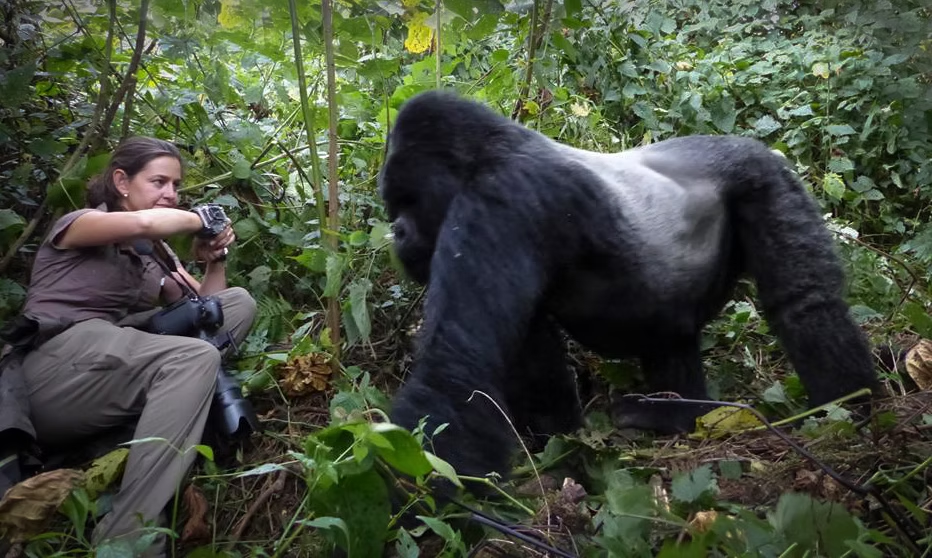
The slaughter of isolated gorilla populations prompted the Rwandan government and conservationists to recognize that gorilla tourism was a vital method for their preservation. The advantages of gorilla trekking will compel locals residing near the parks to safeguard the primates and actively report poachers. Gorilla trekking in Rwanda’s Volcanoes National Park was initially launched in 1973 but was briefly halted due to insufficient experience and research into the effects of human-gorilla tourism in Uganda. No definitive regulations for gorilla trekking were established at that time.
In 1979, a significant mountain gorilla initiative emerged, marking a pivotal moment in gorilla conservation. The Rwandan government and other wildlife conservation organizations convened to establish gorilla tourism, community education, and anti-poaching initiatives to promote gorilla conservation. The organizations were the African Wildlife Leadership Foundation (AWLF), now known as the African Wildlife Foundation (AWF), and the Flora and Fauna Preservation Society (FFPS). The concepts deliberated at the convention subsequently facilitated the generation of tourism-related employment and revenue, prompting local residents and officials to collaborate in gorilla conservation efforts.
The Origins of Gorilla Tourism in Rwanda
Gorilla tourism commenced with the selection of two gorilla populations for habituation. The objective was to acclimate them to human presence before to permitting tourist access. The chosen groups were group 11 and group 13, both located close the Karisoke center. Group 11 possessed a remarkably tranquil silverback named Stilgar. Gorilla Tourism in Rwanda Other gorilla families were excluded from habituation at that time due to their considerable distance from the starting place. Furthermore, several gorilla groups were inaccessible due to hostile silverbacks. The initial experimental trekking was conducted by two groups of individuals. The first group consisted of residents of Rwanda in October 1979, whereas the second group comprised non-resident tourists. The earliest hiking expeditions were restricted to six individuals per family, each allotted a mere hour in the presence of the gorillas. This was intended to prevent straining the gorillas by extended human exposure. The trek cost 20 US dollars per person at that time. This inaugural expedition facilitated the development and implementation of the regulations for gorilla trekking. A significant number of people were documented visiting Volcanoes National Park for gorilla trekking in a brief timeframe. This resulted in enhancements in the quality and quantity of housing facilities near the park, generating numerous employment opportunities for locals as hiking guides, patrolling guides, and porters, among others.
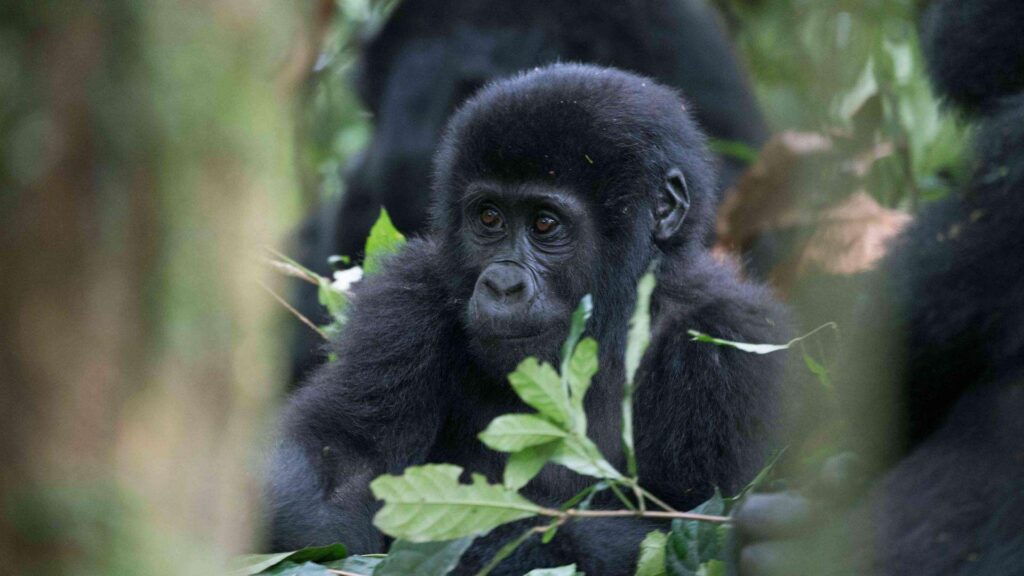
Dian Fossey was discovered slain in her cabin at the Karisoke Research Center on December 27, 1985. She was interred beside Digit, her cherished silverback, in the cemetery she established for the gorillas in Karisoke. Her death remains a mystery to this day. Following her demise, a population census of mountain gorillas was undertaken in 1989, revealing approximately 324 gorillas in the Virunga conservation area and around 320 gorillas in Bwindi Impenetrable National Park, resulting in a total of 644 individuals.
In 1992, ‘Mrithi,’ a male silverback gorilla from group 13 (one of the first two habituated gorilla families), was slain by poachers. In addition to his demise, perhaps 18 to 22 more gorillas were exterminated during the Rwandan civil war of 1994. The huge slaughter of gorillas during the 1994 massacre regrettably terminated gorilla tourism. The Volcanoes National Park was reopened for gorilla tourism in 1999 by the Rwanda Office of Tourism and National Parks, with gorilla trekking permits priced at 250 US dollars. The charge for a gorilla permit has risen over the years and is presently 1500 US dollars per individual.
Gorilla Tourism in Uganda
Gorilla tourism in Uganda commenced in 1991 when the government designated Bwindi Impenetrable National Park for the conservation of mountain gorillas. The development of Uganda’s tourist industry was significantly delayed due to the discouragement of tourism operations by President Idi Amin in the 1970s. Amin saw the national parks as prime hunting territories for wildlife. The nation experienced a civil war during the 1980s, culminating in 1986 when the National Resistance Army (NRA) triumphed and seized control of Kampala. The regime shift resulted in the reestablishment of peace and order in the country, the construction of new public institutions, and the formulation of new laws. In the 1990s, Uganda was prepared to collaborate with other nations actively advocating for gorilla conservation.
The Mubare gorilla family was the inaugural group to be habituated in Uganda. The task was accomplished effortlessly due to the silverback ‘Ruhondeza’ exhibiting commendable temperament and a high degree of receptiveness to humans. The Mubare family was initially introduced to the world for gorilla tourism in 1993. By 2004, the population of habituated gorilla families in Uganda had increased to four. The individuals comprised the Mubare family, the Rushegura family, the Habinanja family, and the Nkuringo family. The gorilla permit cost 360 US dollars per person at that time. By 2012, there were nine habituated gorilla groups in Bwindi Impenetrable National Park, with two new trekking locations established at Ruhija in the central region and the Rushaga sector in the southeastern area of the park. Gorilla permits are presently priced at 800 US dollars.
Significance of Gorilla Tourism
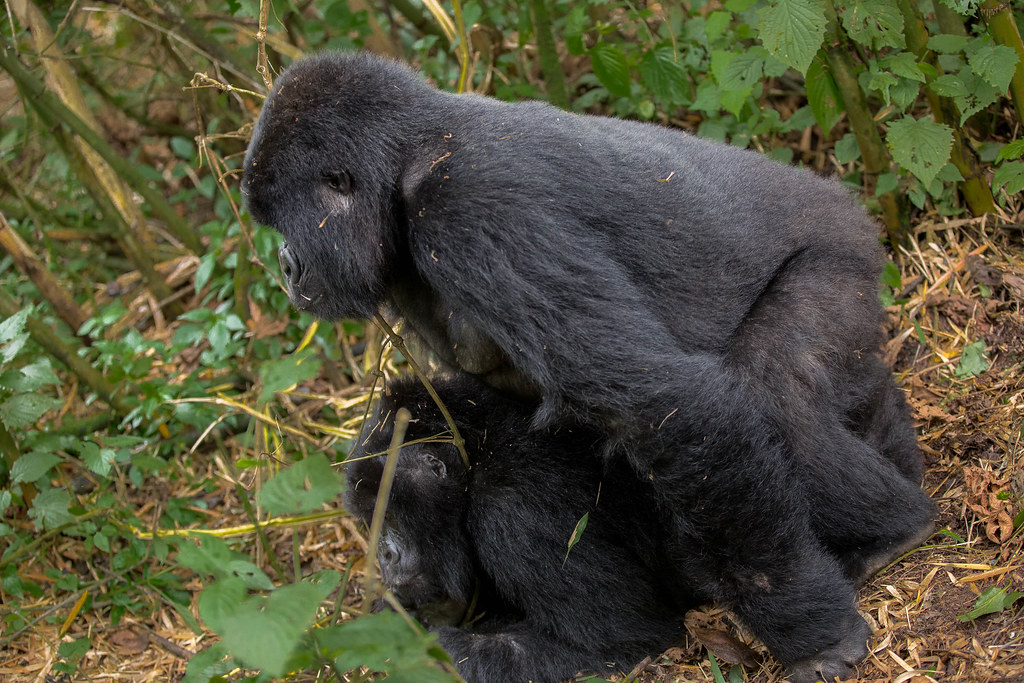
Gorilla tourism in Rwanda and Uganda is significantly beneficial to both the nations and the local communities in which these animals reside. Revenue from gorilla trekking permits has facilitated the funding of conservation efforts, notably the safeguarding of national parks. A portion of the revenue from permits is allocated to the remuneration of park administrators and the patrol teams responsible for preventing intruders and poachers within the park. The consistent presence of people in and around the parks has deterred poachers from harming the wildlife. Furthermore, revenue earned by gorilla tourism has facilitated the park authorities in effectively tracking new births, deaths, and potential health issues.
The cash derived from gorilla tourism has been allocated to the formation and enhancement of many government sectors, including health and education. The local populations in Uganda and Rwanda profit from Gorilla tourist when improved roads, healthcare facilities, and educational institutions are constructed using funds generated from this tourist. Revenue from gorilla trekking permits has facilitated government funding for researchers, veterinary doctors, and other professionals who periodically assess the overall health of the primates.
Tourists engaging in gorilla trekking bolster local communities by residing in their lodges, partaking in regional activities, dining at local eateries, and purchasing crafts and souvenirs. This has significantly enhanced the lives and quality of life of the populace.
Gorilla tourism possesses certain disadvantages.
Excessive exposure to humans and camera flash has caused certain gorilla groups to forfeit their innate shyness towards people. This has emboldened them to the level of conducting raids on farms in the neighboring areas. Habituated gorillas are vulnerable to poachers as they no longer evade human presence. Gorillas are particularly vulnerable to human diseases, such as respiratory infections including coughs and colds. This is due to their possession of around 95% of human DNA. Regular interactions with humans expose them to significant dangers of contracting human diseases.
The advantages of gorilla tourism have also resulted in population pressure in the regions surrounding the national parks. An increasing number of individuals relocate to regions adjacent to gorilla parks in anticipation of tourism-related prospects. Upon failure, they become frustrated and then obstruct and undermine gorilla conservation efforts.
Gorilla tourism has resulted in deforestation, the depletion of vegetation, and the encroachment upon communal land. This occurs due to certain individuals unlawfully establishing lodging facilities on protected property. Certain individuals, such as the Batwa pygmies, have been relocated due to the government’s designation of all woods in Bwindi and Mgahinga as protected areas. The Batwa people inhabited the woodlands as hunters and gatherers of wild fruits for more than 5000 years without disturbance. They have encountered significant difficulty in adjusting to life beyond the forest, despite governmental rehabilitation attempts.
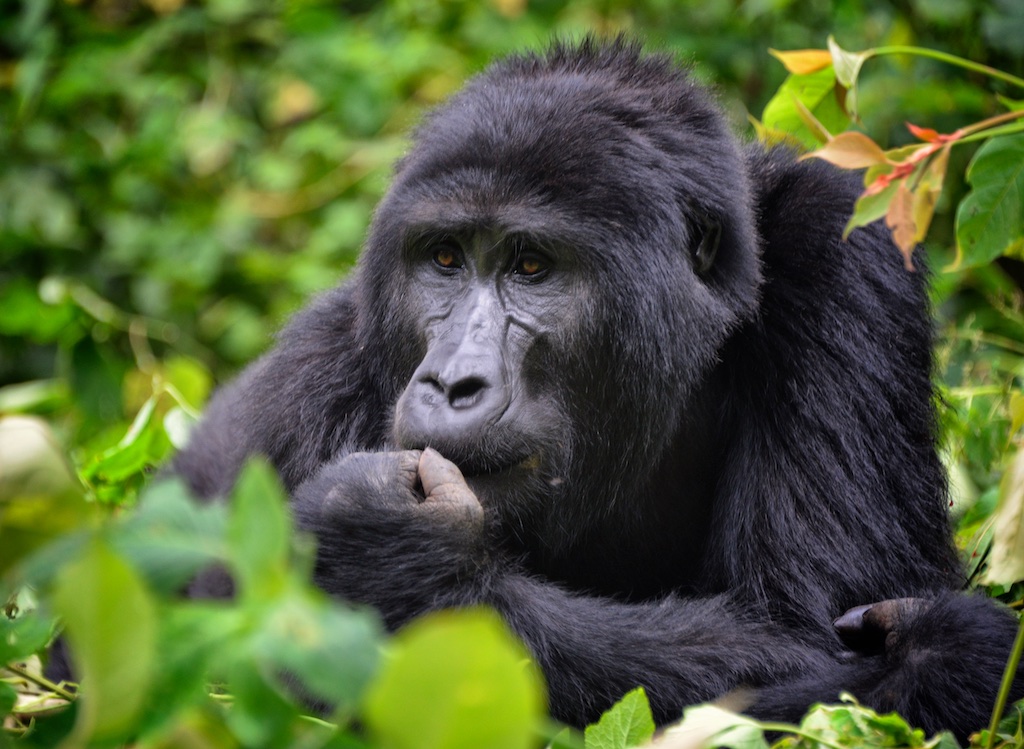
In conclusion, gorilla tourism in Africa, specifically in Rwanda, Uganda, and Congo, has significantly evolved since the era of Dian Fossey. Research indicated that the most effective method for generating funds for gorilla conservation in underdeveloped nations was to facilitate this type of tourism. Revenue generated from gorilla tourism has been used for conservation initiatives, infrastructural development, and creating possibilities for those residing around the gorillas. In the absence of tourists, the gorillas would remain alone in the wild and vulnerable to poachers.