 info@gorillatrekkinginafrica.com
 +256 787505601
Gisakura Tea Estate in Rwanda
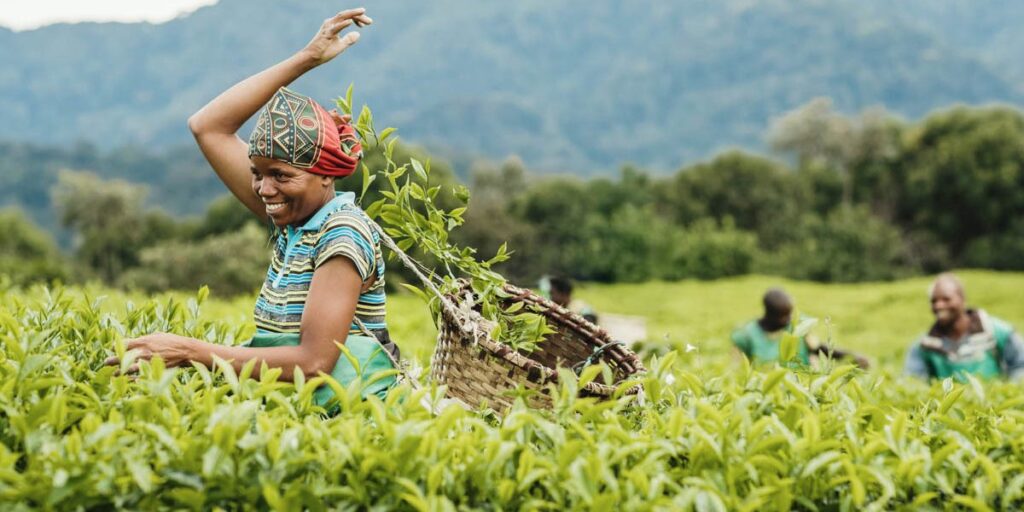
Gisakura Tea Estate in Rwanda, Located in the undulating hills of Rwanda’s Western Province, the Gisakura Tea Estate is renowned as one of the nation’s foremost tea farms and a leading site for agritourism. Situated on the undulating hills at the western edge of Nyungwe Forest National Park, the Gisakura Tea Estate is one of Rwanda’s most renowned tea plantations, providing visitors with an immersive experience in premium tea production while highlighting the breathtaking natural beauty of Rwanda’s landscape.
Location and Setting
The Gisakura Tea Estate in Rwanda is strategically located adjacent to Nyungwe Forest National Park, a significant biodiversity hotspot in the country. It is located at the northern boundary of Nyungwe National Park, including remarkable fields and intriguing trails of the Gisovu tea estate, adjacent to the Nyungwe forest. This exceptional location offers the estate optimal growth circumstances, encompassing the appropriate altitude, climate, and soil composition requisite for cultivating high-quality tea.
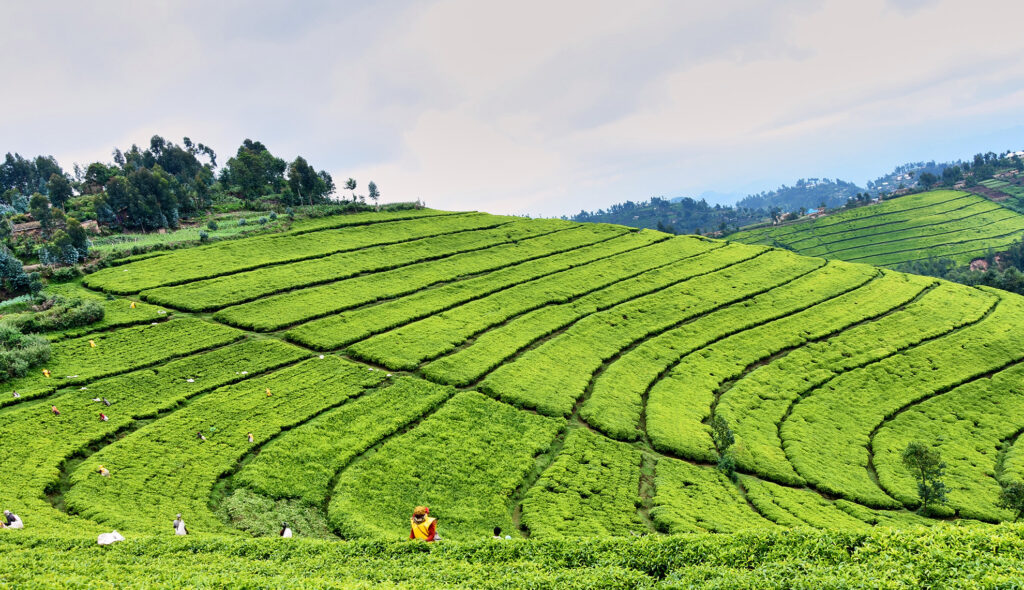
The estate’s adjacency to Nyungwe Forest fosters a distinctive environment where meticulously maintained tea plantations converge with unspoiled nature. The orderly rows of tea starkly contrast with the untamed forest vegetation situated behind them. The striking terrain renders Gisakura not merely a functioning tea plantation, but also a remarkable tourist attraction that exemplifies the natural splendor of rural Rwanda.
The Heritage of Tea Production in Rwanda
Understanding the significance of Gisakura Tea Estate necessitates an appreciation of Rwanda’s extraordinary evolution in tea manufacturing. Tea cultivation in Rwanda originated in the early 20th century, when German missionaries introduced tea plants to the region. Commercial tea cultivation commenced in the 1950s, with tea production in Rwanda initiating in 1952 in the Nyamasheke area of the Western Province, and the inaugural tea processing facility established in 1962 in the Gicumbi district of the Northern Province.
Since its modest inception, Rwanda has evolved into a prominent tea-producing country in East Africa. Tea was initially introduced to Rwanda in 1952 and has since become one of the nation’s principal exports. The nation’s success in tea production is due to its distinctive geographical advantages, such as fertile volcanic soil, favorable rainfall patterns, and appropriate temperature conditions that foster the cultivation of premium tea types.
Quality and Global Recognition
Rwandan tea, particularly that cultivated in Gisakura, has garnered international acclaim for its superior quality. Rwandan tea has achieved significant global recognition due to its quality; its robustness, vibrant hue, flavor, and production consistency have established it as a distinguished beverage worldwide. This reputation is corroborated by market performance, as Rwandan tea consistently commands the top prices at the Mombasa auction each week.
The estate’s dedication to quality is apparent in its rigorous production methods. Remarkably, only the top three leaves are utilized for the tea, while the remainder is eliminated, guaranteeing that only the highest quality leaves are included in the final product. This meticulous attention to detail, along with conventional hand-picking techniques, yields tea that adheres to the highest international standards.
Economic Influence and Export Efficacy
The tea business, exemplified by estates such as Gisakura, is crucial to Rwanda’s economy. In the fiscal year 2023/2024, tea exports yielded USD 114.8 million from 38,467.7 tons of processed tea. The sector is crucial for employment, with tea being a significant industry in Rwanda, serving as one of the nation’s primary export crops and greatest employers, providing jobs for over 60,000 individuals.
Rwanda’s tea exports penetrate global markets, with 97% of Rwandan tea being exported. The primary export markets consist of Pakistan, the United Kingdom, China, Germany, and the United States, highlighting the international allure of Rwandan tea quality.
Tourism and Visitor Engagement
Gisakura Tea Estate has transformed from mere tea cultivation into a distinguished agritourism destination. The estate provides day excursions that enable guests to observe all facets of tea production, from growing to processing. These trips offer an informative exploration of the tea-making process and stunning vistas of the surrounding area.
Visitors to Gisakura may anticipate an extensive experience encompassing a stroll around the perfectly curated tea gardens, an education on sustainable agricultural techniques, and an observation of the sophisticated tea production process. The estate’s location offers sweeping vistas of Rwanda’s renowned thousand hills, presenting ideal chances for photography and serene reflection.
The tourist component of Gisakura corresponds with Rwanda’s overarching objective to cultivate sustainable tourism that advantages local populations while safeguarding the environment. The estate exemplifies the integration of agricultural operations with tourism, generating economic opportunities while upholding production standards.
Ecologically Responsible Practices and Societal Influence
Contemporary tea farms such as Gisakura are progressively emphasizing sustainable measures that advantage both the environment and local residents. Approximately 65% is provided by smallholder tea growers, while the remaining 35% is sourced from industrial blocs, illustrating the industry’s support for both large-scale enterprises and small-scale producers.
The estate’s dedication to sustainability encompasses its production techniques, environmental preservation initiatives, and assistance to local communities. Gisakura Tea Estate fosters rural development and alleviates poverty in the region by offering employment opportunities and assisting smallholder growers.
Arranging Your Visit
Gisakura Tea Estate provides an exceptional experience for tea aficionados and tourists eager to immerse themselves in Rwanda’s tea culture. The estate offers a range of tour choices, from short visits to extensive day-long experiences with tea sampling, cultural engagements, and guided tours of the plantation.
The optimal time for visitation is during the dry seasons, when the climate is conducive to outdoor pursuits and the tea bushes exhibit their most vivid appearance. Visitors ought to allocate a minimum of half a day to thoroughly appreciate the estate’s amenities and the adjacent natural splendor.
The Gisakura Tea Estate in Rwanda exemplifies the ideal fusion of agricultural prowess, tourism advancement, and natural splendor that characterizes contemporary Rwanda. As a leading tea destination in the country, it provides tourists with an authentic insight into Rwanda’s tea culture while making substantial contributions to the national economy through production and tourism.
The estate’s success exemplifies Rwanda’s extensive change and its capacity to utilize natural advantages to produce world-class products that compete on a global scale. Gisakura Tea Estate offers a remarkable experience for those seeking to comprehend Rwanda’s agricultural heritage, appreciate its natural beauty, or savor some of the world’s finest tea, encapsulating the spirit of Rwanda’s tea industry and its optimistic future.